


Secondary sourceBook1901
Rubaiyat of Omar Khayyam: a paraphrase from several literal translations
1901
A 1901 English verse paraphrase of the quatrains attributed to Khayyám, built from several literal translations.
This English paraphrase shows how Khayyám's poetry, attributed to him, was reshaped and popularized long after his death.
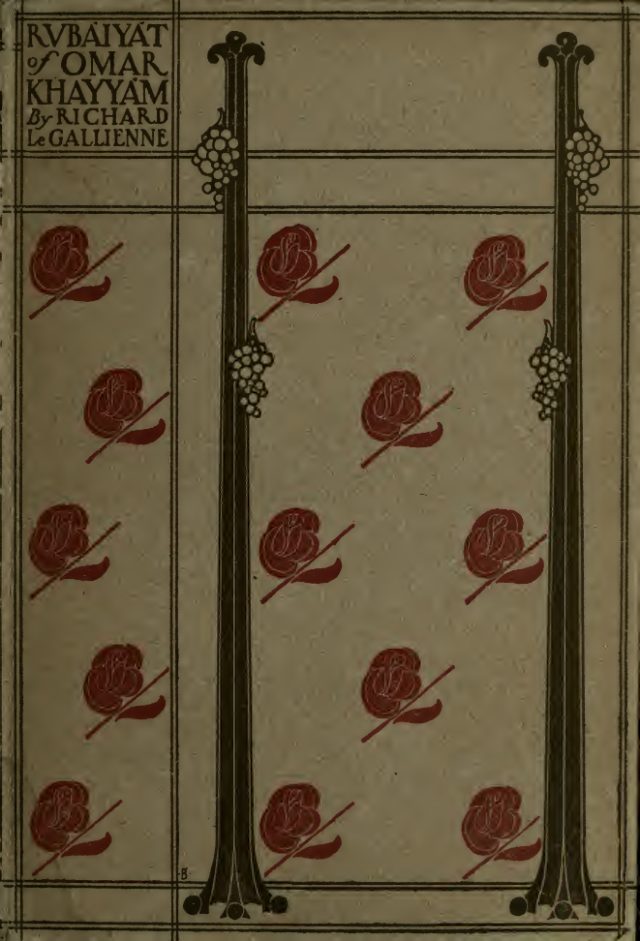 PDF · 124 pages
About this source
What it is
This is a printed book from 1901 containing a verse paraphrase of the Rubaiyat attributed to Omar Khayyám. It was created by combining several literal translations into a new English poetic version, and the scanned copy is held by the Internet Archive.
Why it matters
The Rubaiyat became famous in the English-speaking world largely through adaptations like this one, long after Khayyám's death. Comparing different paraphrases shows how much a translator's choices shape what readers believe a historical figure "said," and how the image of Khayyám as a poet was built up over centuries in the West.
Look closer
- Why might a book call itself a "paraphrase from several literal translations" rather than a direct translation?
- What might be lost or added when a poem passes through several translators before reaching English readers?
- How does this book's existence tell us something about Khayyám's reputation long after his lifetime?
This book is part of the curated material that grounds the AI version of Omar Khayyam on Humy.ai — when students ask about related events, the AI can quote it and cite it.
More Omar Khayyam sources
Meet the AI Omar Khayyam →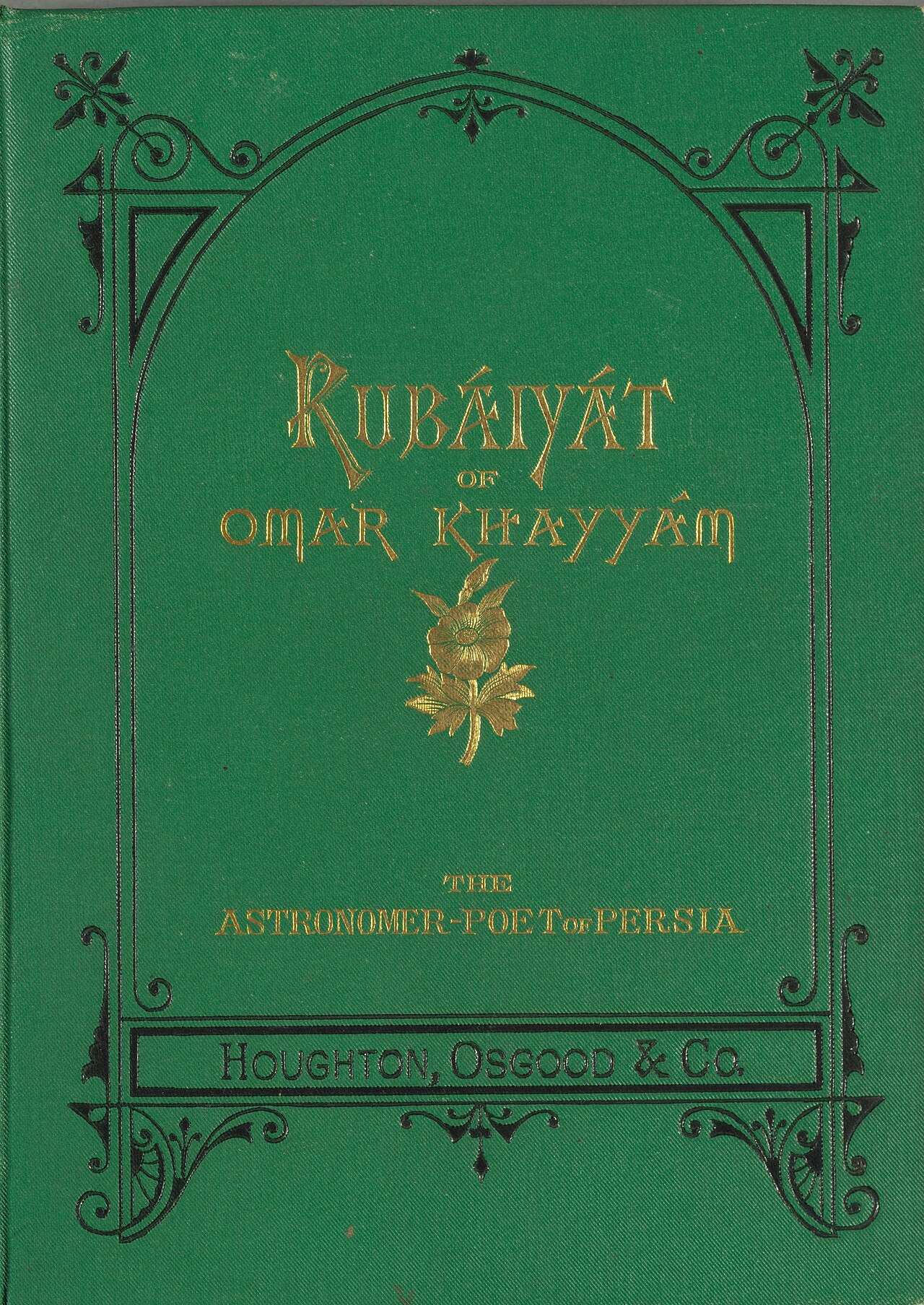 Book
Secondary source
Rubáiyát of Omar Khayyám
Edward FitzGerald · 1878
 Document
Primary source
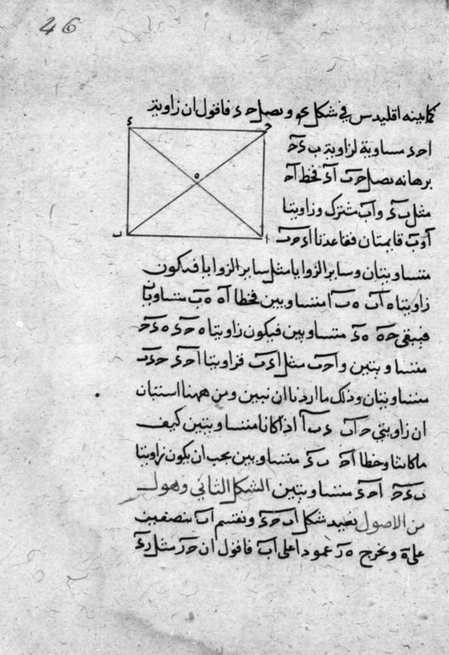
Khayyam Geometry Manuscript
Omar Khayyám
Secondary source
The Rubaiyat of Omar Khayyam (First Edition)
Edward FitzGerald · 1859
 Book
Secondary source
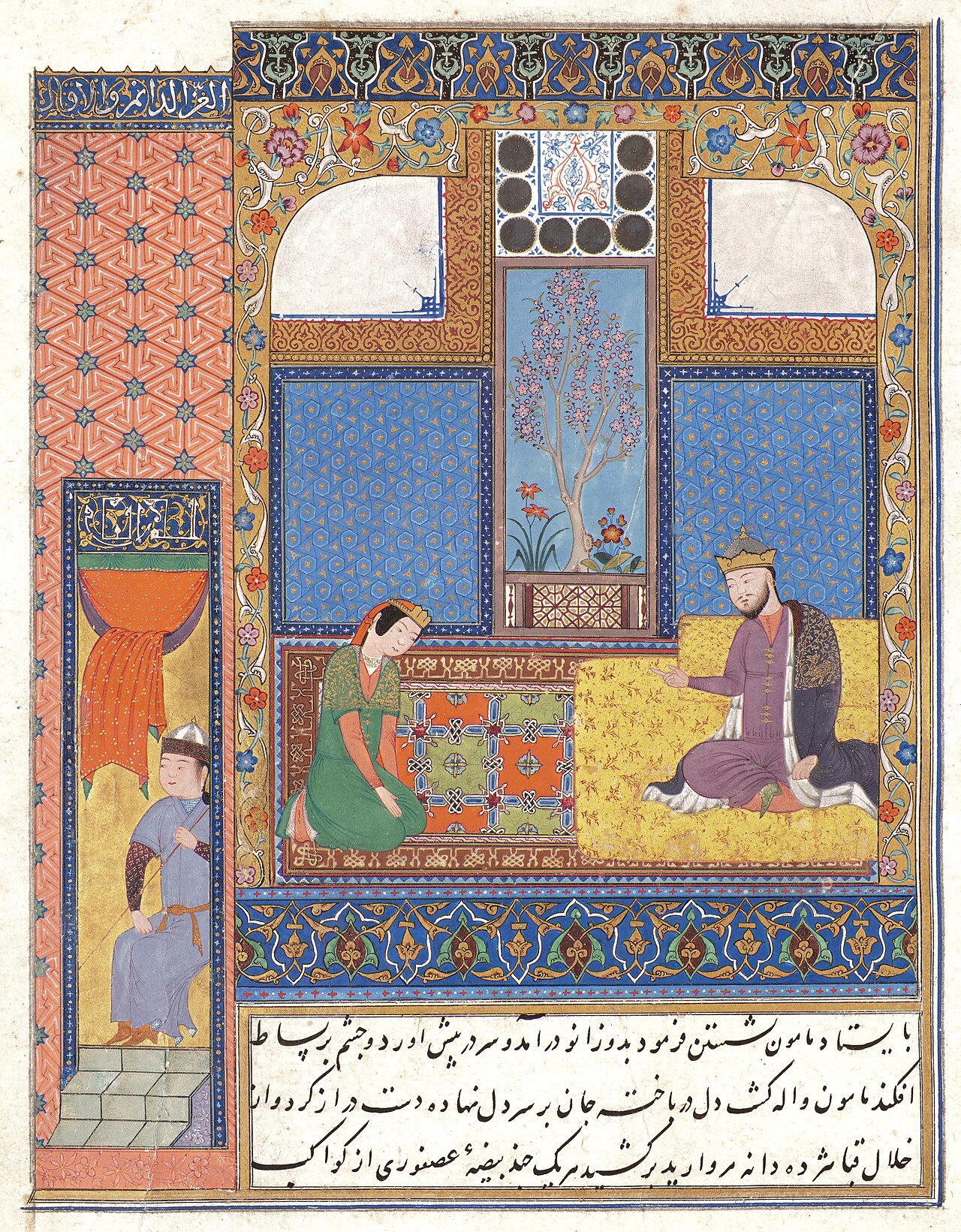
Chahar Maqala
Nizami Aruzi · 1155–1157
 Artifact
Secondary source
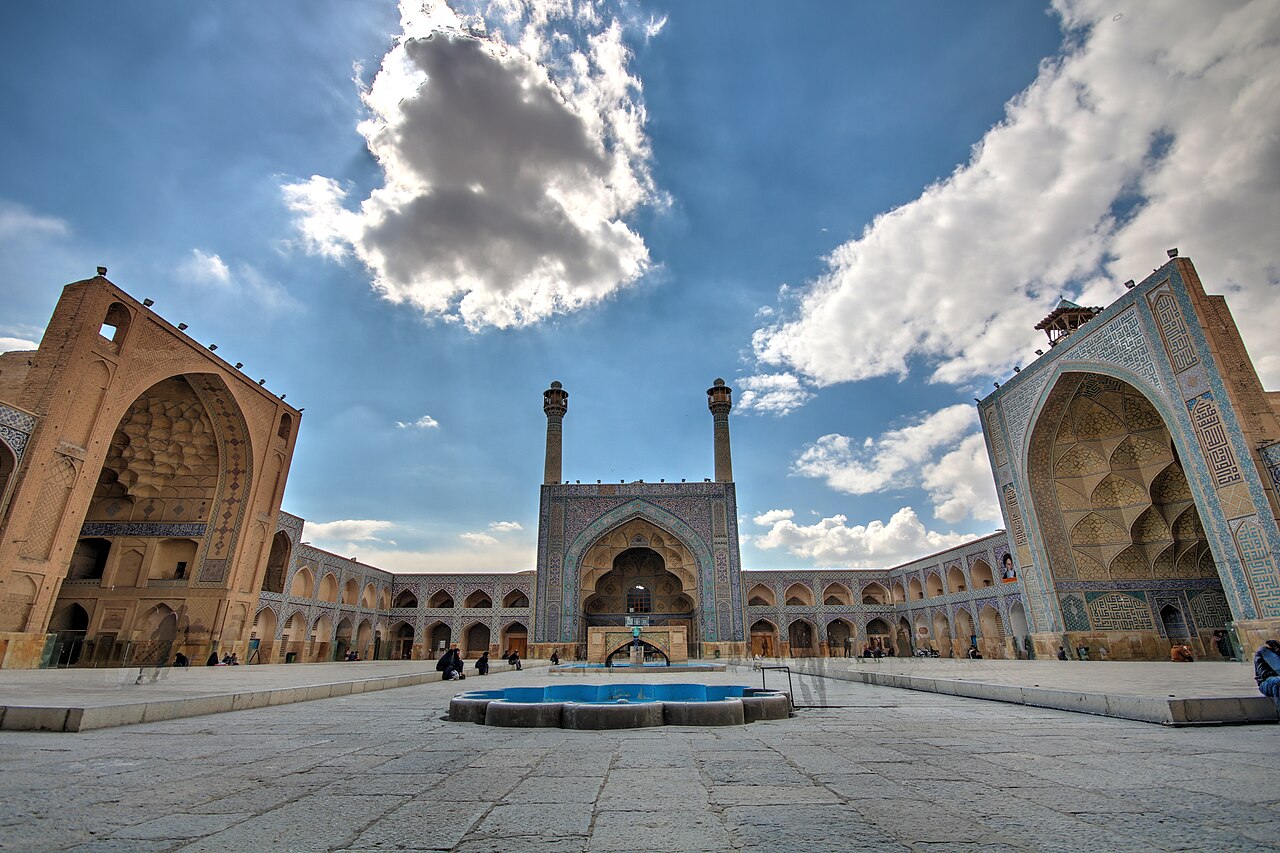
Jameh Mosque of Isfahan
841 (rebuilt 1086-1089 under Khayyám's patrons)
Ready when you are
Start chatting with Omar Khayyam now.
20 messages free · No credit card · Available in 50+ languages.