


Secondary sourceBook1897
Rubáiyát of Omar Khayyám (Le Gallienne paraphrase)
Richard Le Gallienne · 1897
Richard Le Gallienne's 1897 English paraphrase of Khayyám's quatrains, showing the late-Victorian craze for the poet.
A late-Victorian paraphrase showing how Khayyám's poetry was reshaped into a Western cultural fashion.
About this source
What it is
This is a 1897 English paraphrase of the Rubáiyát attributed to Omar Khayyám, written by Richard Le Gallienne. In his preface, Le Gallienne openly discusses his debt to Edward FitzGerald's earlier translation and admits he does not know Persian.
Why it matters
By the 1890s, the Rubáiyát had become a cultural sensation in England, inspiring clubs and countless new versions. This paraphrase shows how Khayyám's name and poetry were adapted, reshaped, and sometimes used more as inspiration than as accurate translation, reflecting a fashion of the era rather than the historical poet himself.
Look closer
- Why does the author feel he needs to explain his lack of Persian knowledge?
- What does the existence of an 'Omar Khayyám Club' tell you about how Western readers related to Khayyám?
- How might a paraphrase differ from a translation, and why might that matter for understanding the real Khayyám?
This book is part of the curated material that grounds the AI version of Omar Khayyam on Humy.ai — when students ask about related events, the AI can quote it and cite it.
More Omar Khayyam sources
Meet the AI Omar Khayyam →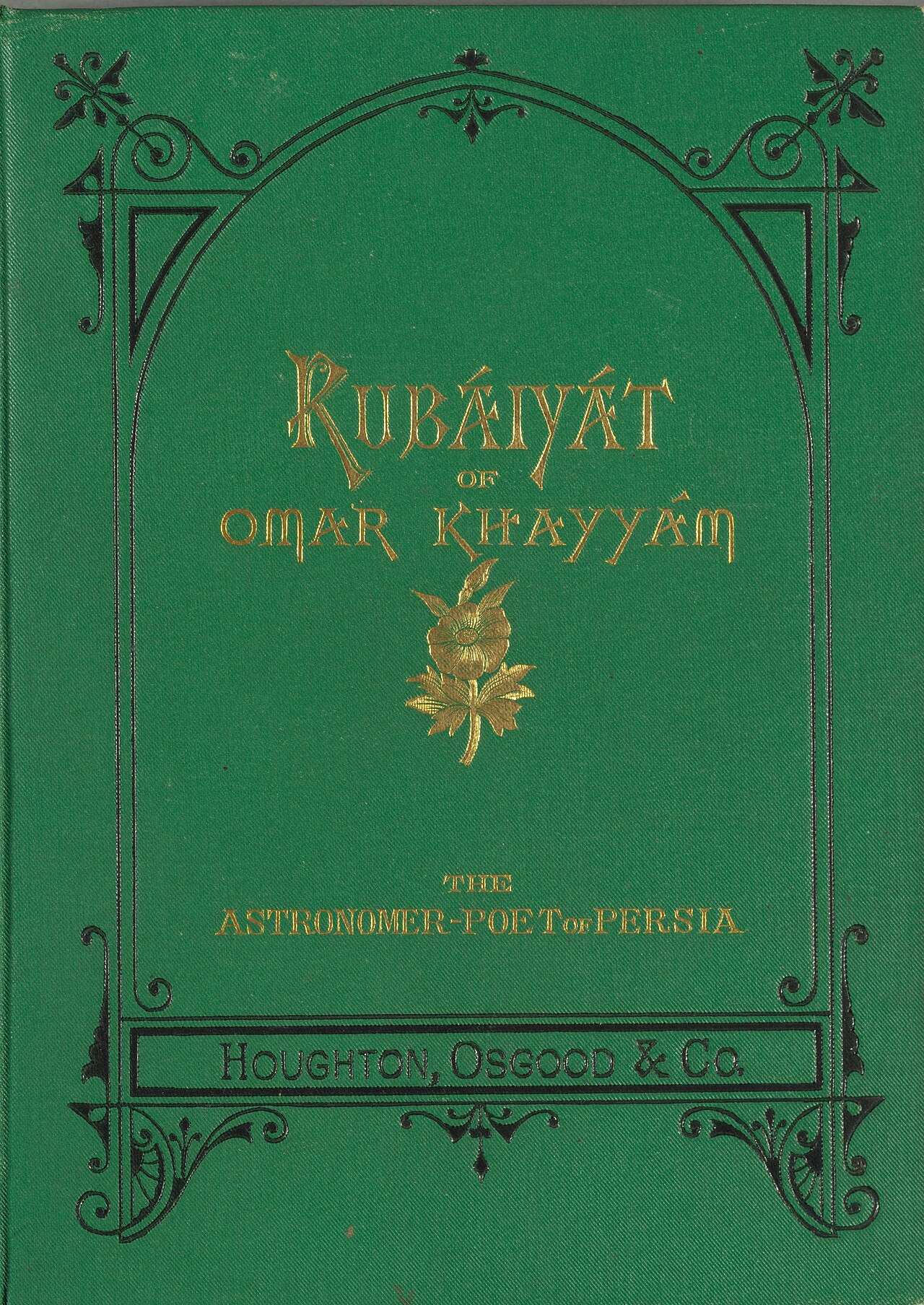 Book
Secondary source
Rubáiyát of Omar Khayyám
Edward FitzGerald · 1878
 Document
Primary source
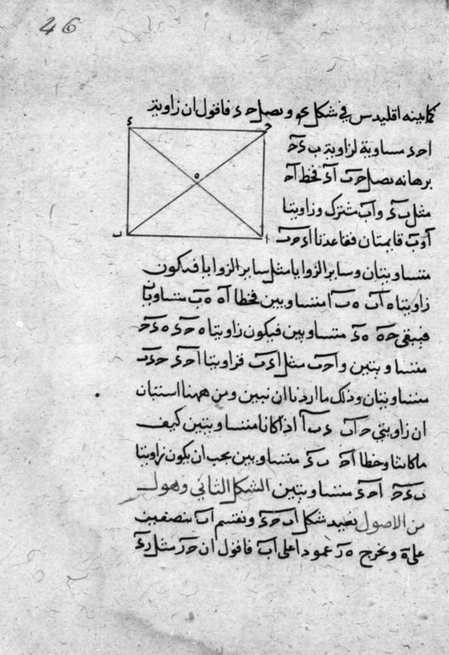
Khayyam Geometry Manuscript
Omar Khayyám
Secondary source
The Rubaiyat of Omar Khayyam (First Edition)
Edward FitzGerald · 1859
 Book
Secondary source
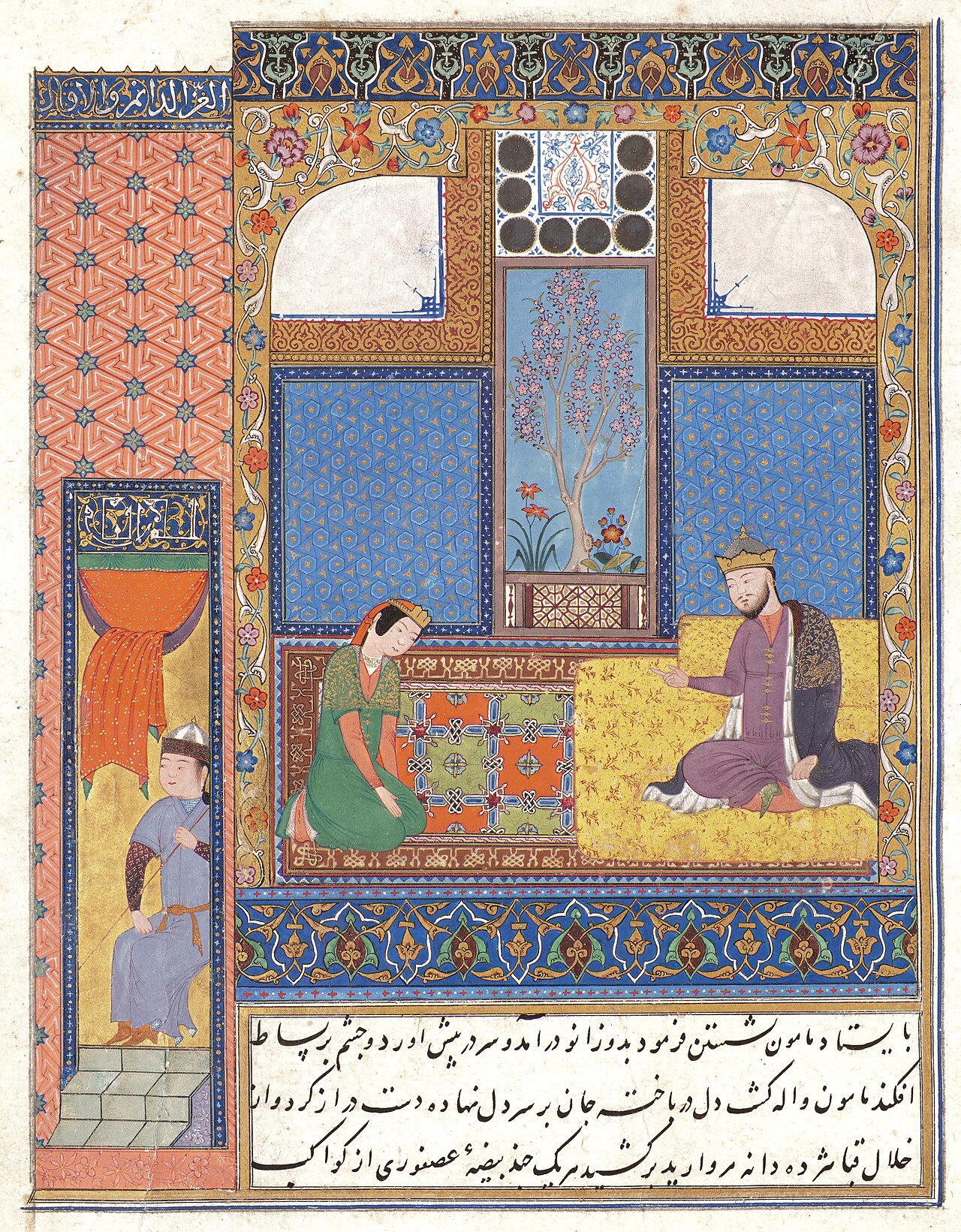
Chahar Maqala
Nizami Aruzi · 1155–1157
 Artifact
Secondary source
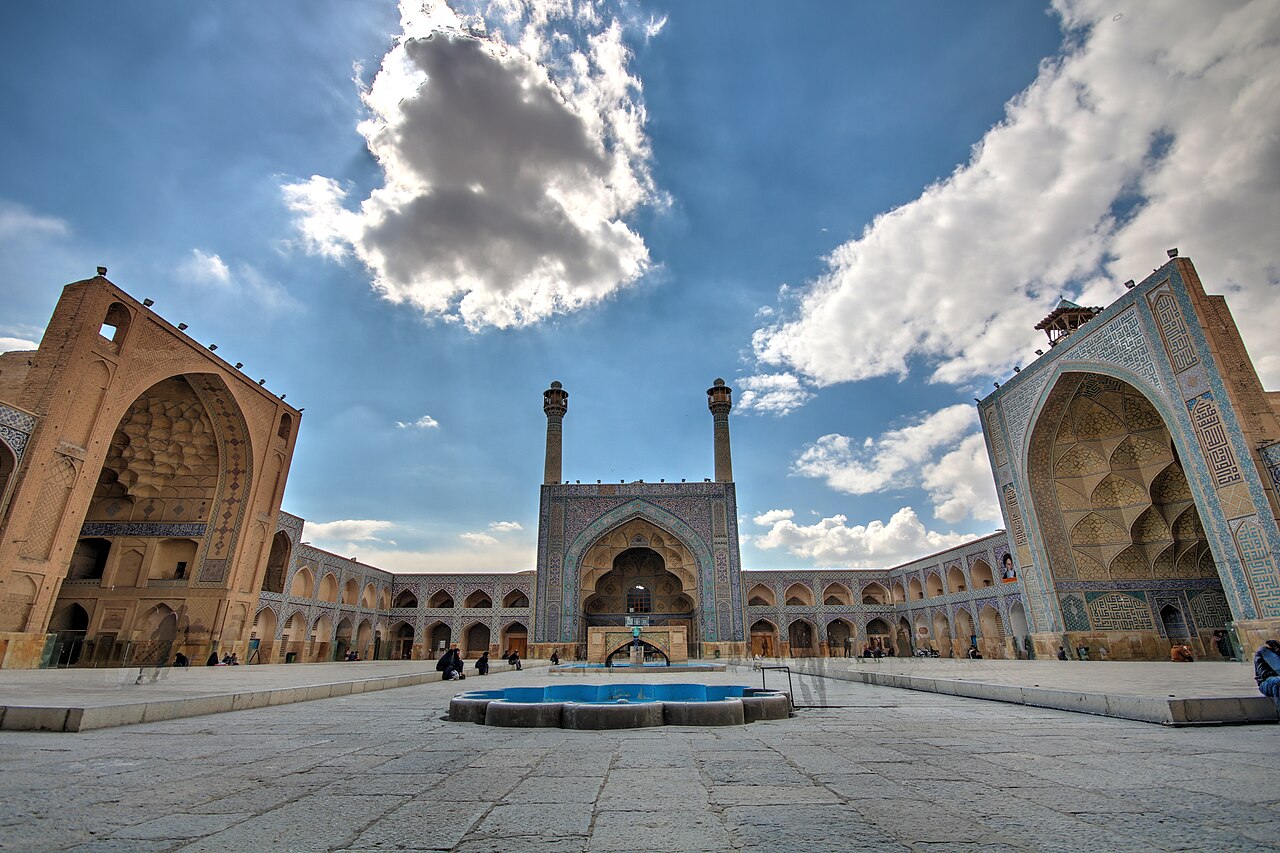
Jameh Mosque of Isfahan
841 (rebuilt 1086-1089 under Khayyám's patrons)
Ready when you are
Start chatting with Omar Khayyam now.
20 messages free · No credit card · Available in 50+ languages.