


Primary sourceBook
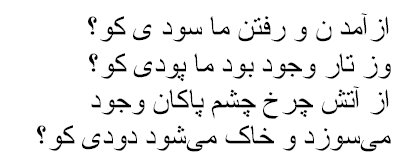
Rubaiyat Quatrain in Persian
Omar Khayyám
An image of one of Omar Khayyám's quatrains in its original Persian, reflecting on arrival, departure, and mortality.
A quatrain in Khayyám's own Persian language, showing his poetic voice directly.
About this source
What it is
This image shows four lines of Persian script forming one quatrain from the Rubaiyat, a collection of short poems attributed to Omar Khayyám. The English caption translates the poem's theme: questioning what benefit there is in life's coming and going, and reflecting on beauty turning to dust.
Why it matters
This quatrain, in Khayyám's own language, lets readers see his original words rather than a translation. The themes — the shortness of life, the uncertainty of fate, and the fading of beauty — are typical of the poetry connected to his name and show why his verses have resonated across centuries and cultures.
Look closer
- What feeling does the poem create about life and time?
- Why might reading the original Persian text matter, even if you cannot read the language, compared to only reading a translation?
- What questions does the poem ask, and does it answer them?
This book is part of the curated material that grounds the AI version of Omar Khayyam on Humy.ai — when students ask about related events, the AI can quote it and cite it.
More Omar Khayyam sources
Meet the AI Omar Khayyam →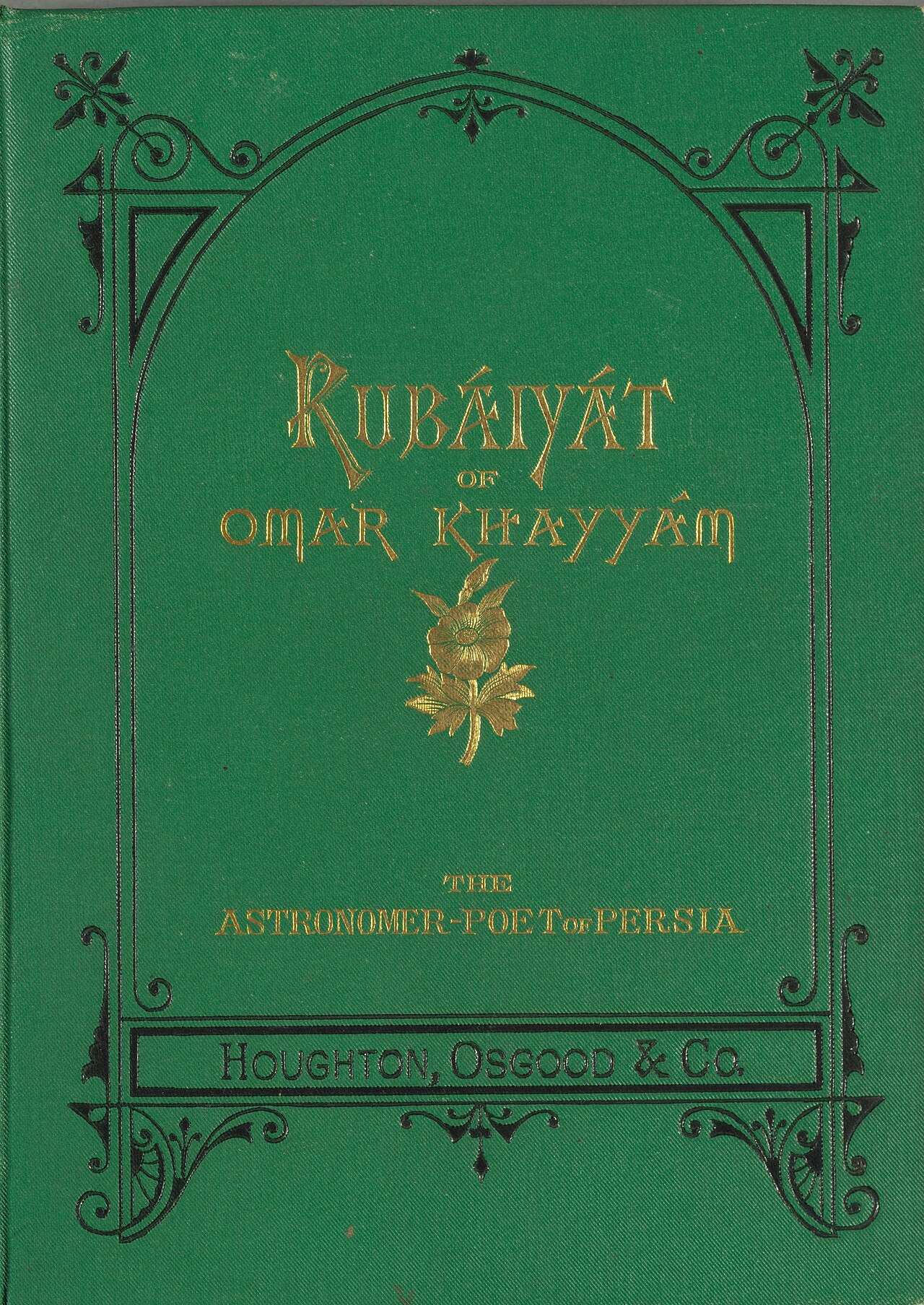 Book
Secondary source
Rubáiyát of Omar Khayyám
Edward FitzGerald · 1878
 Document
Primary source
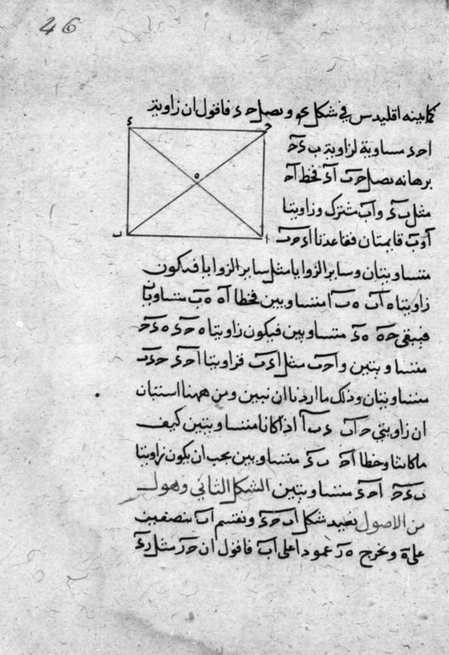
Khayyam Geometry Manuscript
Omar Khayyám
Secondary source
The Rubaiyat of Omar Khayyam (First Edition)
Edward FitzGerald · 1859
 Book
Secondary source
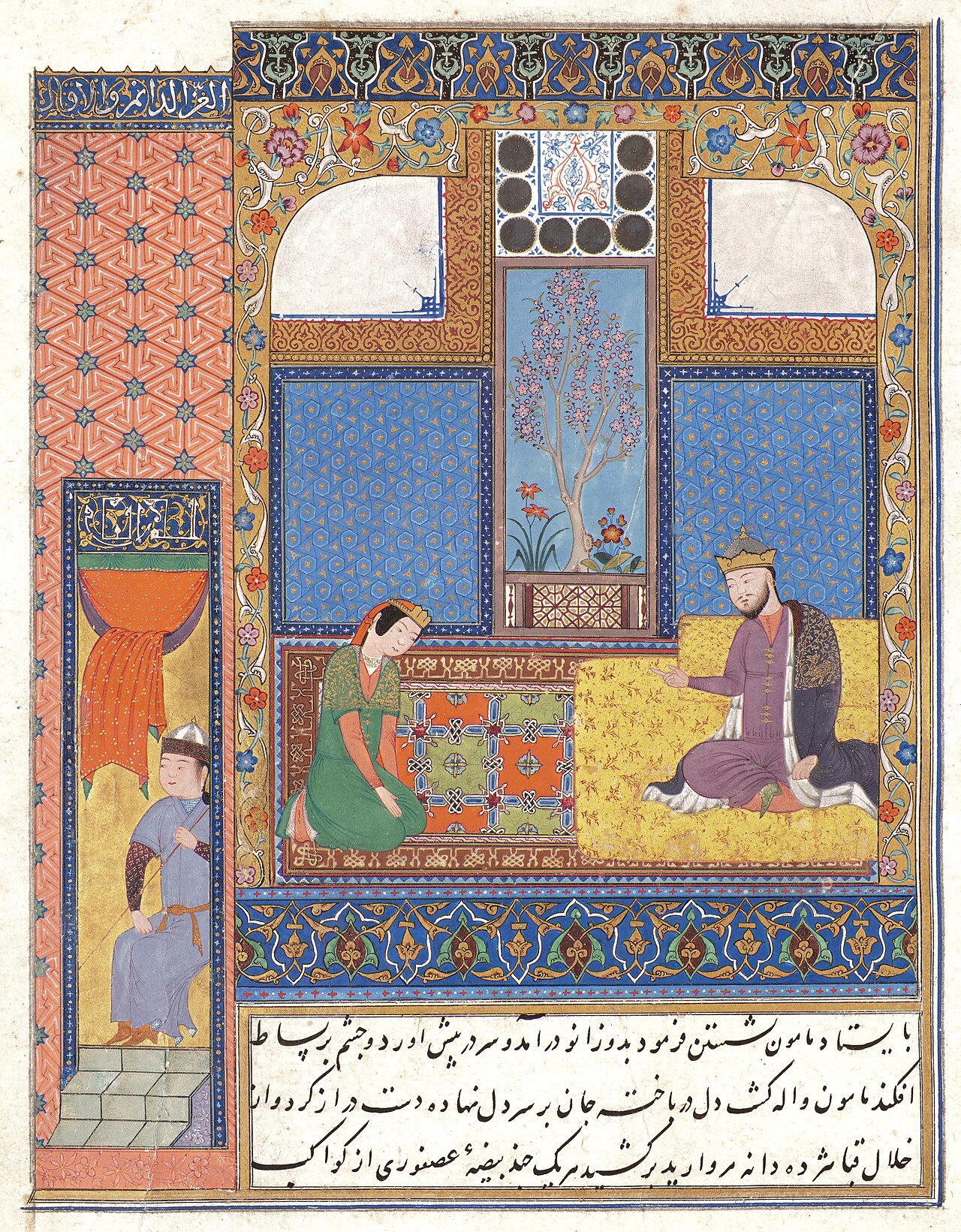
Chahar Maqala
Nizami Aruzi · 1155–1157
 Artifact
Secondary source
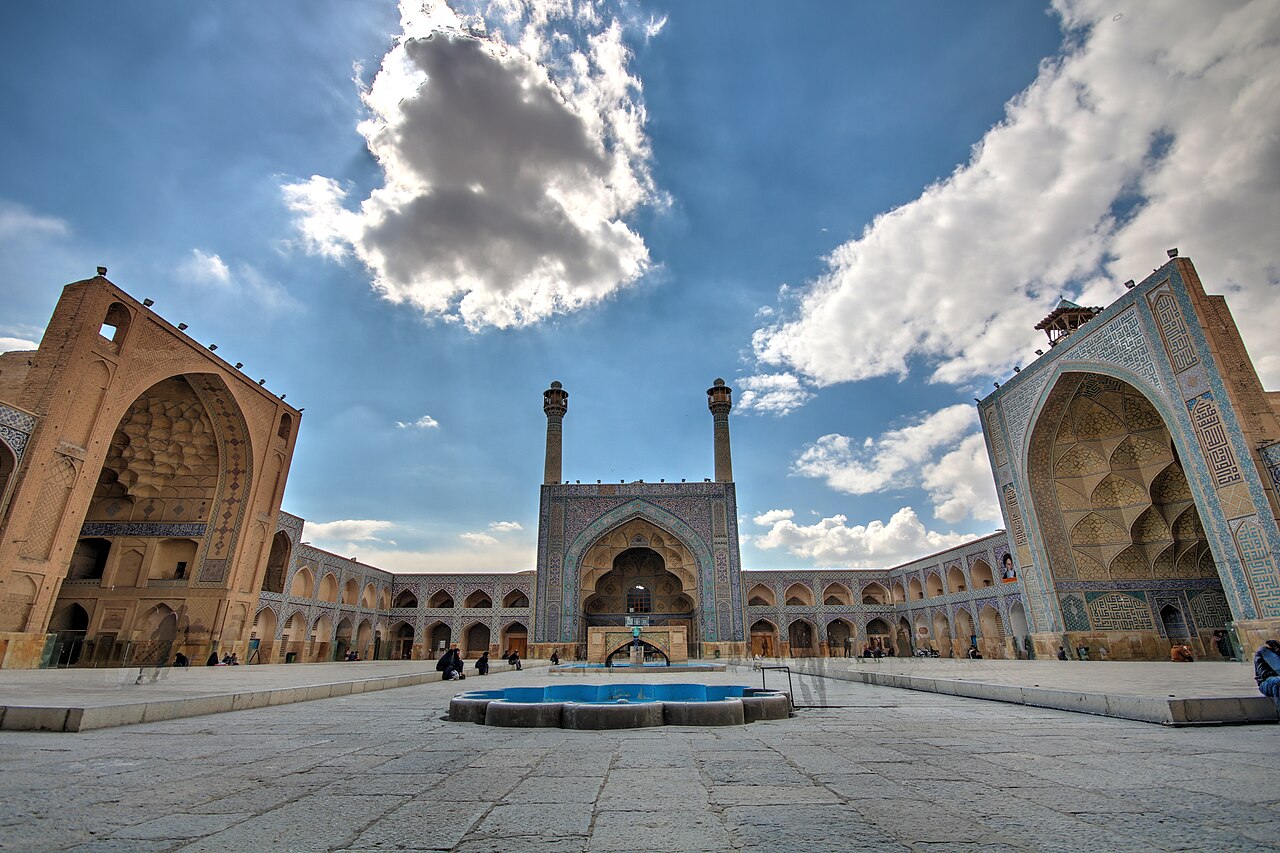
Jameh Mosque of Isfahan
841 (rebuilt 1086-1089 under Khayyám's patrons)
Ready when you are
Start chatting with Omar Khayyam now.
20 messages free · No credit card · Available in 50+ languages.