


Primary sourceLetter17th century
Ruka'at-i-Alamgiri
Aurangzeb · 17th century
A collection of Aurangzeb's own Persian letters, including his final letters to his sons, revealing his personal voice on power and death.
These are Aurangzeb's own letters, showing his personal voice, piety, and anxieties near the end of his reign.
About this source
What it is
The Ruka'at-i-Alamgiri is a collection of letters written by Emperor Aurangzeb himself, in Persian, to members of his family including his sons, such as the Crown Prince Shah Alam Bahadur.
Why it matters
Unlike official chronicles written by court historians, these letters are in Aurangzeb's own words. They show his religious devotion, his worries about ruling such a vast empire, and his thoughts as an aging emperor concerned about succession and mortality. They give a rare personal glimpse behind the public image of the powerful conqueror, showing a man anxious about family loyalty and the future of what he had built.
Look closer
- How does the tone of these letters compare to the grand public image seen in buildings like the Badshahi Mosque?
- Why might a ruler write differently to his own sons than he would speak in public?
- What worries does Aurangzeb express, and what do they tell you about the pressures of ruling an empire?
This letter is part of the curated material that grounds the AI version of Aurangzeb on Humy.ai — when students ask about related events, the AI can quote it and cite it.
More Aurangzeb sources
Meet the AI Aurangzeb →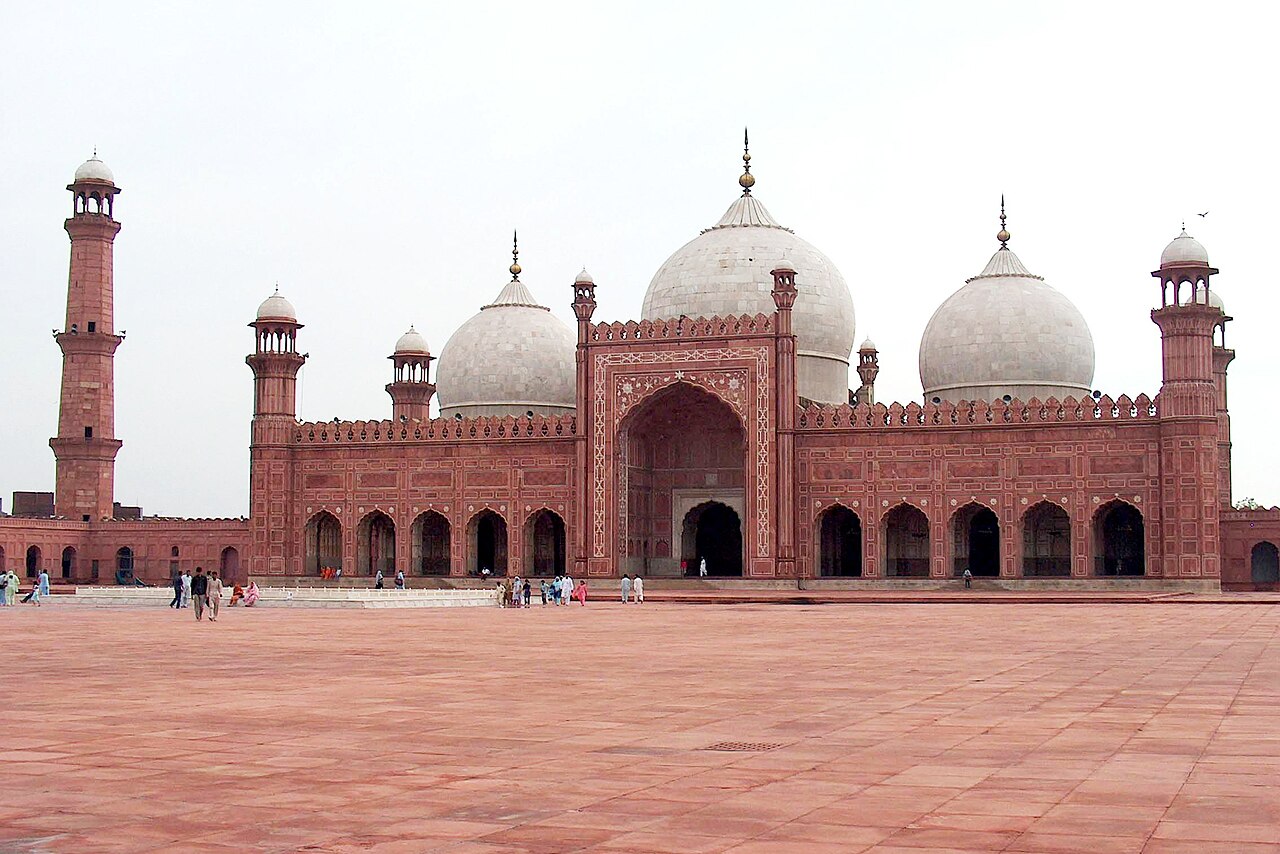 Artifact
Primary source
Badshahi Mosque
1671–1673
 Document
Primary source
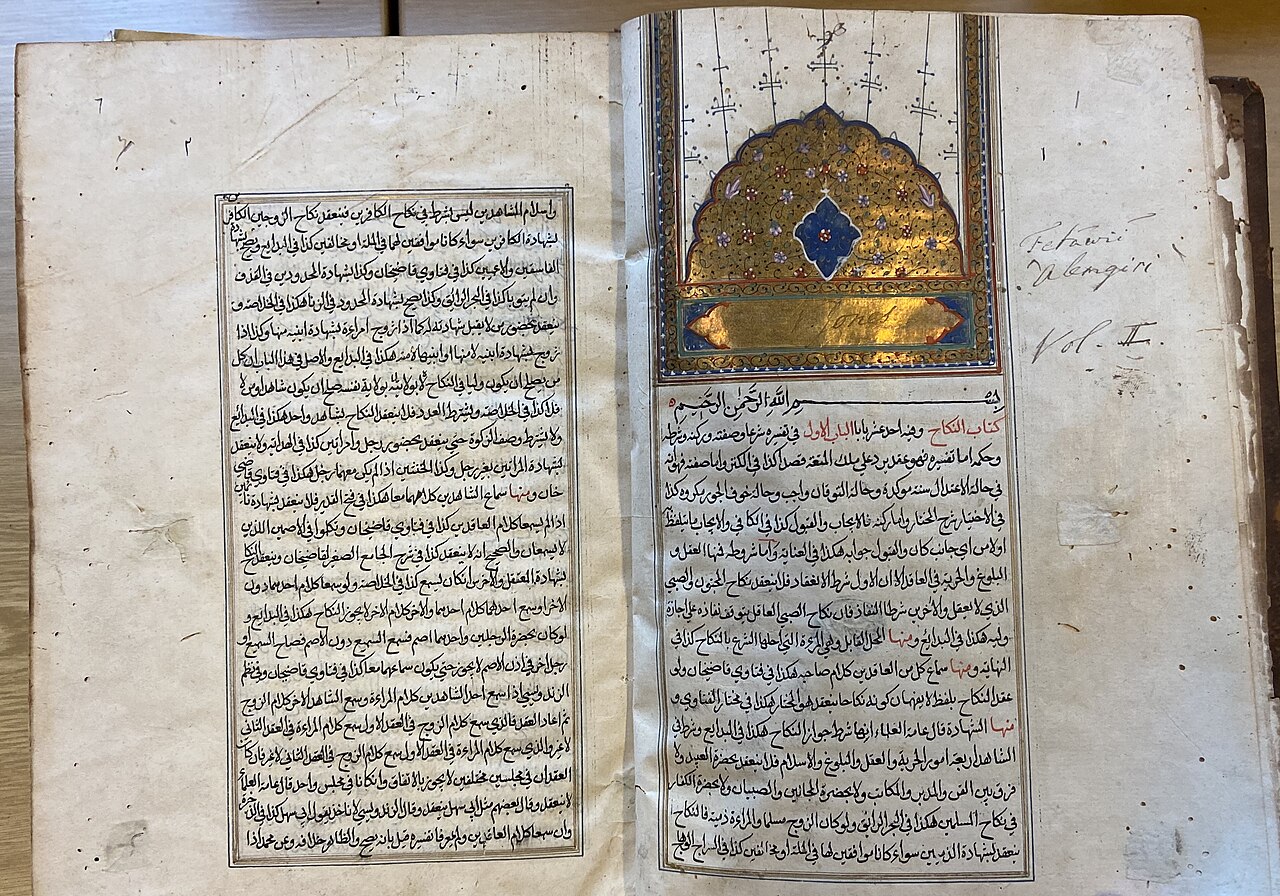
Fatawa-i Alamgiri Manuscript
17th century (this copy later recopied)
 Book
Secondary source
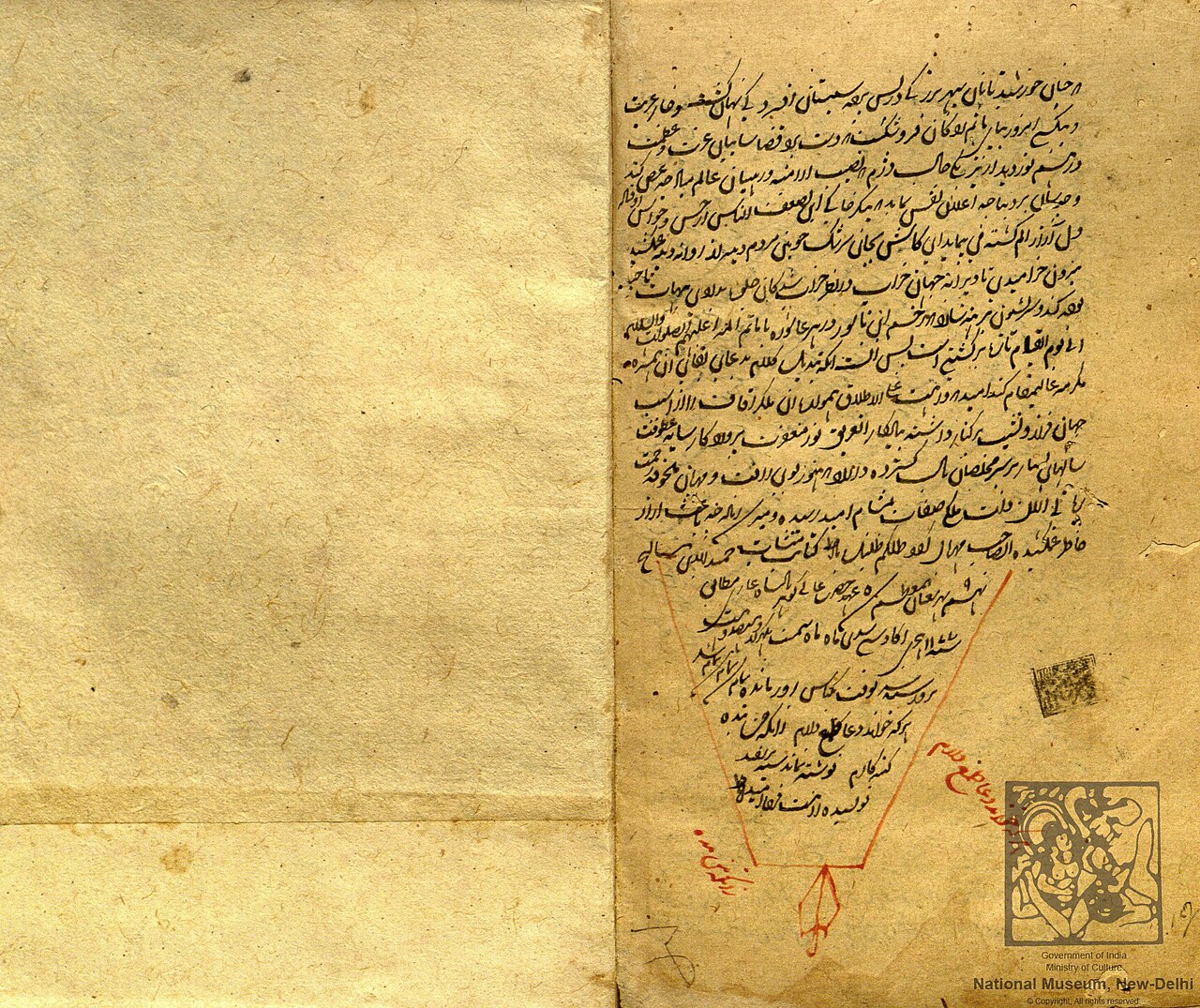
Maasir-i-Alamgiri
Saqi Musta'id Khan · c. 1710 (this copy 1763-1764)
 Letter
Primary source
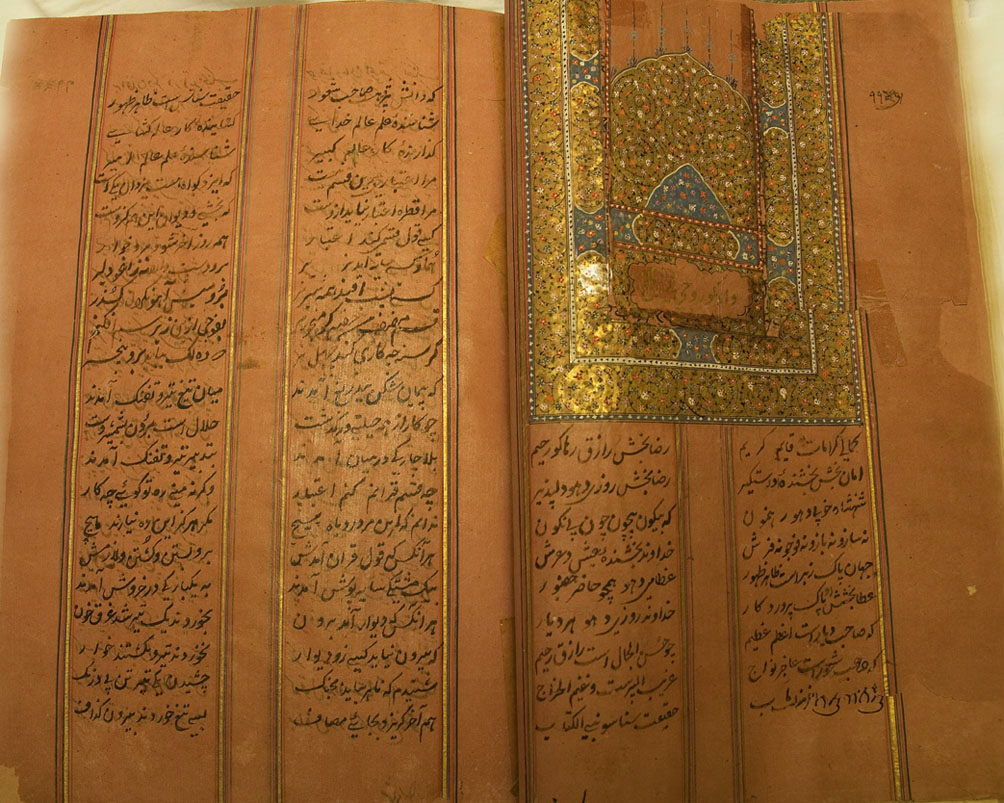
Zafarnamah
Guru Gobind Singh · 1705
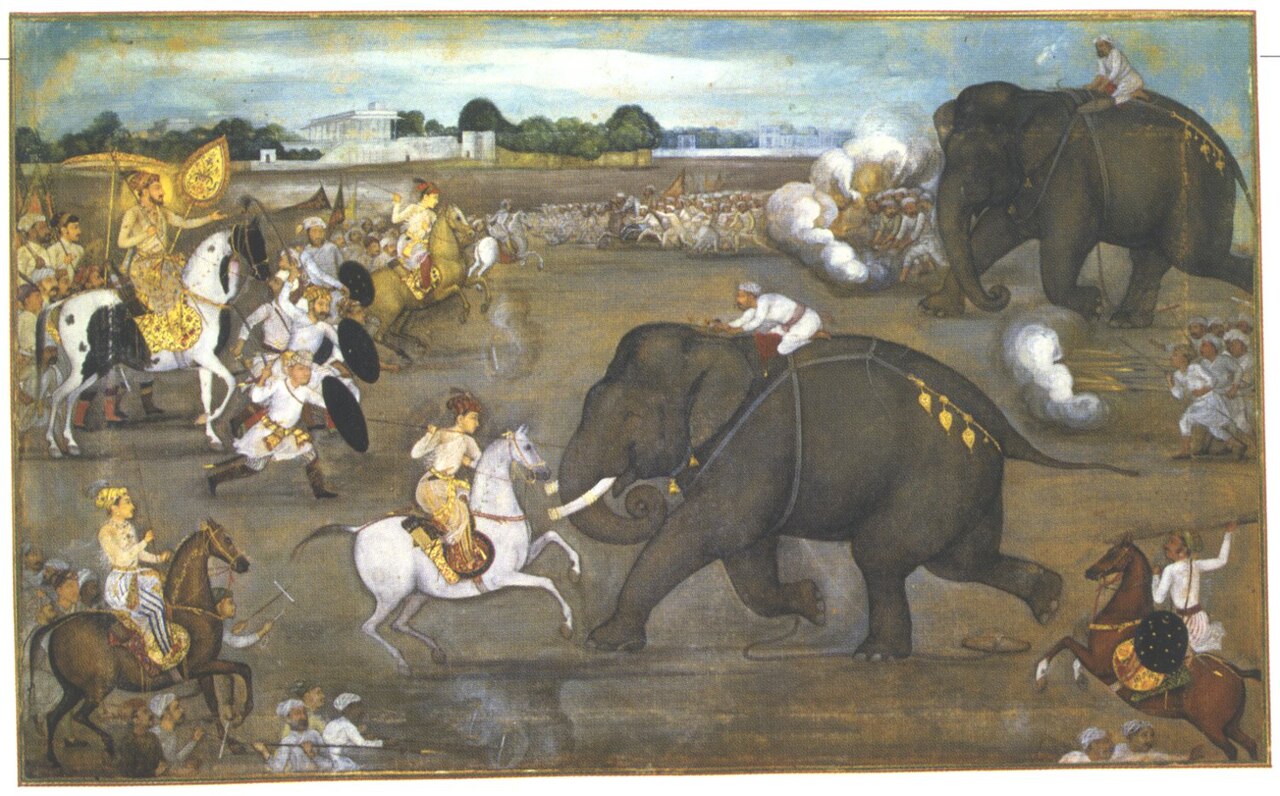 Painting
Primary source
Prince Aurangzeb Facing the Maddened Elephant Sudhakar
Attributed to Payag (Mughal court artist) · c. 1635
Ready when you are
Start chatting with Aurangzeb now.
20 messages free · No credit card · Available in 50+ languages.