


Primary sourceLetter1705
Zafarnamah
Guru Gobind Singh · 1705
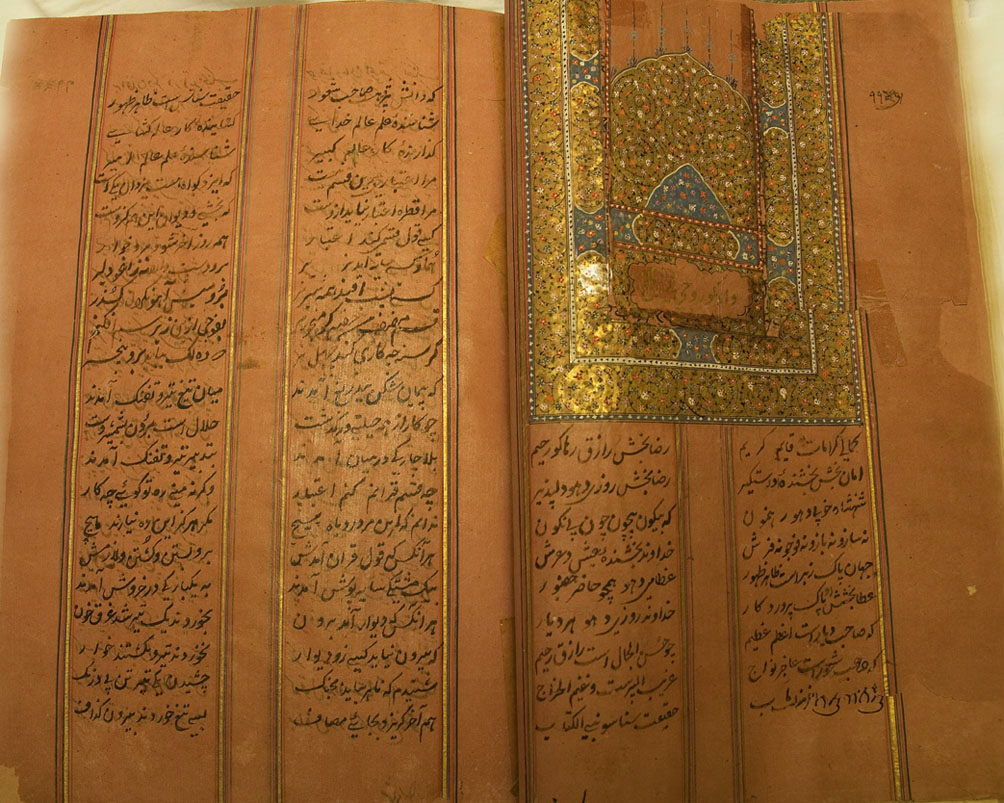
A Persian verse letter sent by Guru Gobind Singh to Aurangzeb in 1705, accusing the emperor of breaking his sworn oaths.
This letter directly accuses Aurangzeb of breaking an oath and attacking the Sikhs, offering a view of him from an opponent.
About this source
What it is
The Zafarnama ('Epistle of Victory') is a Persian verse letter sent in 1705 by Guru Gobind Singh, the Sikh leader, to Emperor Aurangzeb. It was written after the Battle of Chamkaur and delivered to the emperor by two of the Guru's followers. The copy shown is a later second-hand copy, said to have been prepared by Bhai Daya Singh.
Why it matters
In the letter, Guru Gobind Singh accuses Aurangzeb and his forces of breaking an oath, sworn on the Qur'an, to let Sikh soldiers leave the fort of Anandpur safely, before attacking them. The Guru calls this a slaughter rather than a battle, and claims a moral victory over the emperor despite his own heavy losses. The Zafarnama is the central Sikh source on Aurangzeb and reveals how Mughal rule looked from the point of view of a resisting religious community, offering a sharp contrast to the official Mughal chronicles.
Look closer
- Why does the Guru say he won a victory even though he lost most of his soldiers?
- How might Aurangzeb's own chroniclers have described this same episode differently?
- What does this letter tell you about trust and honour between rulers and the communities they govern?
This letter is part of the curated material that grounds the AI version of Aurangzeb on Humy.ai — when students ask about related events, the AI can quote it and cite it.
More Aurangzeb sources
Meet the AI Aurangzeb →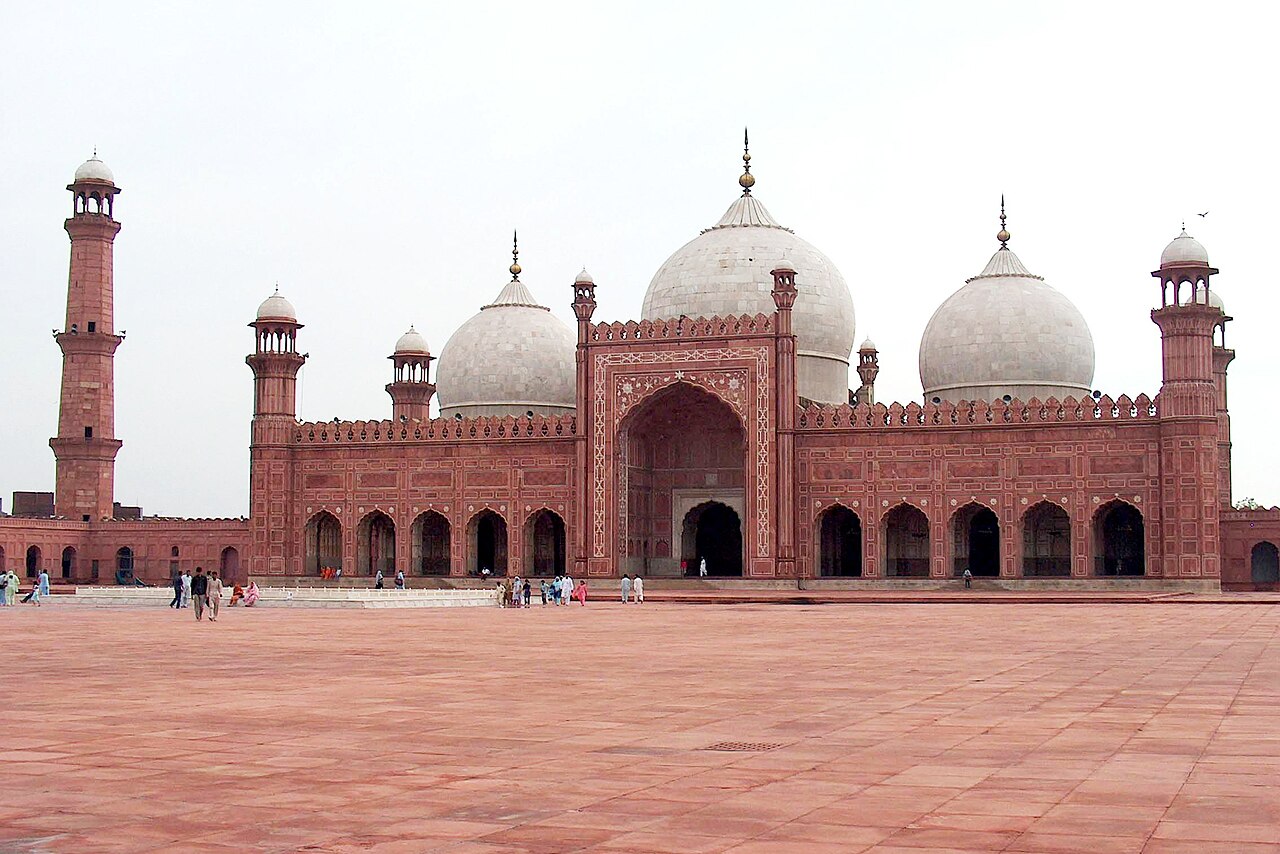 Artifact
Primary source
Badshahi Mosque
1671–1673
 Document
Primary source
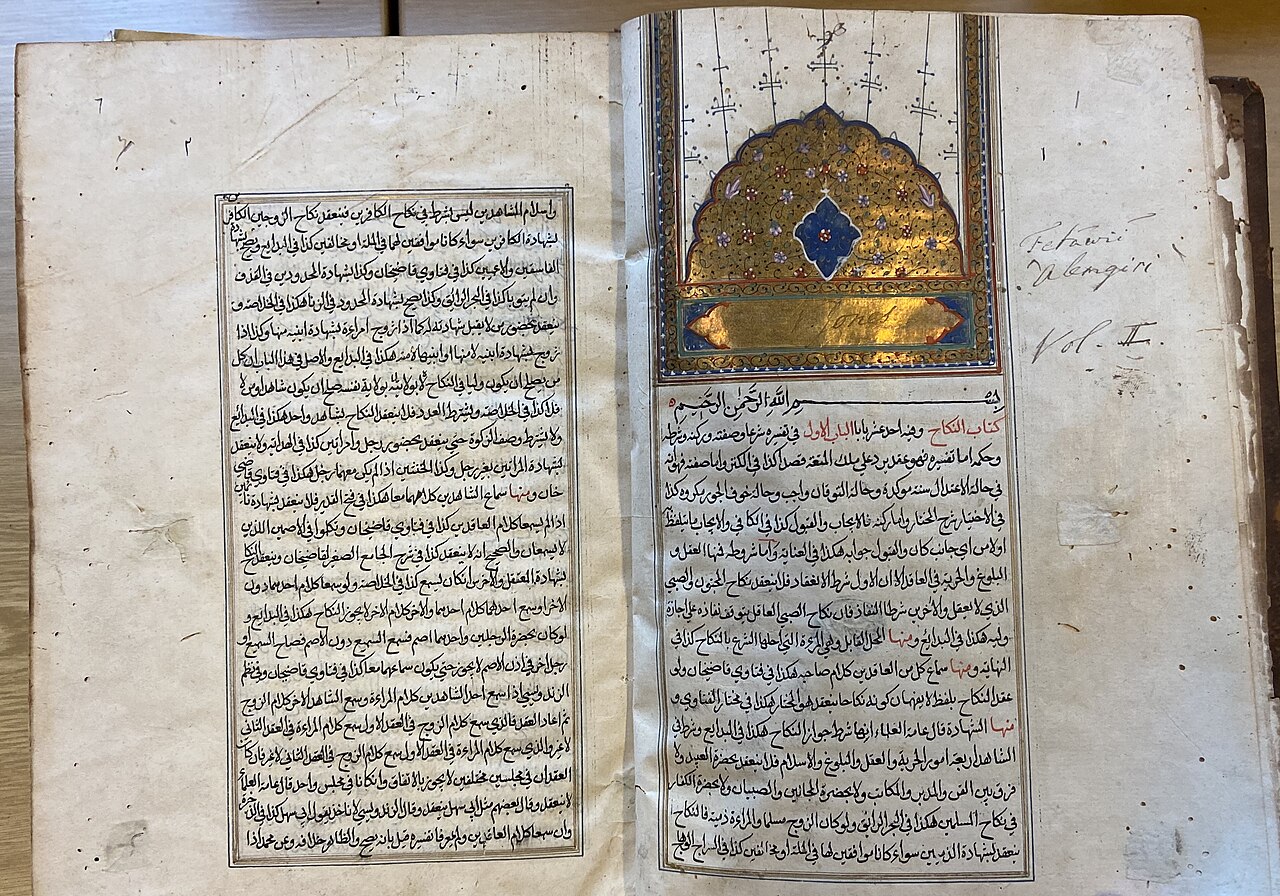
Fatawa-i Alamgiri Manuscript
17th century (this copy later recopied)
 Book
Secondary source
Maasir-i-Alamgiri
Saqi Musta'id Khan · c. 1710 (this copy 1763-1764)
Primary source
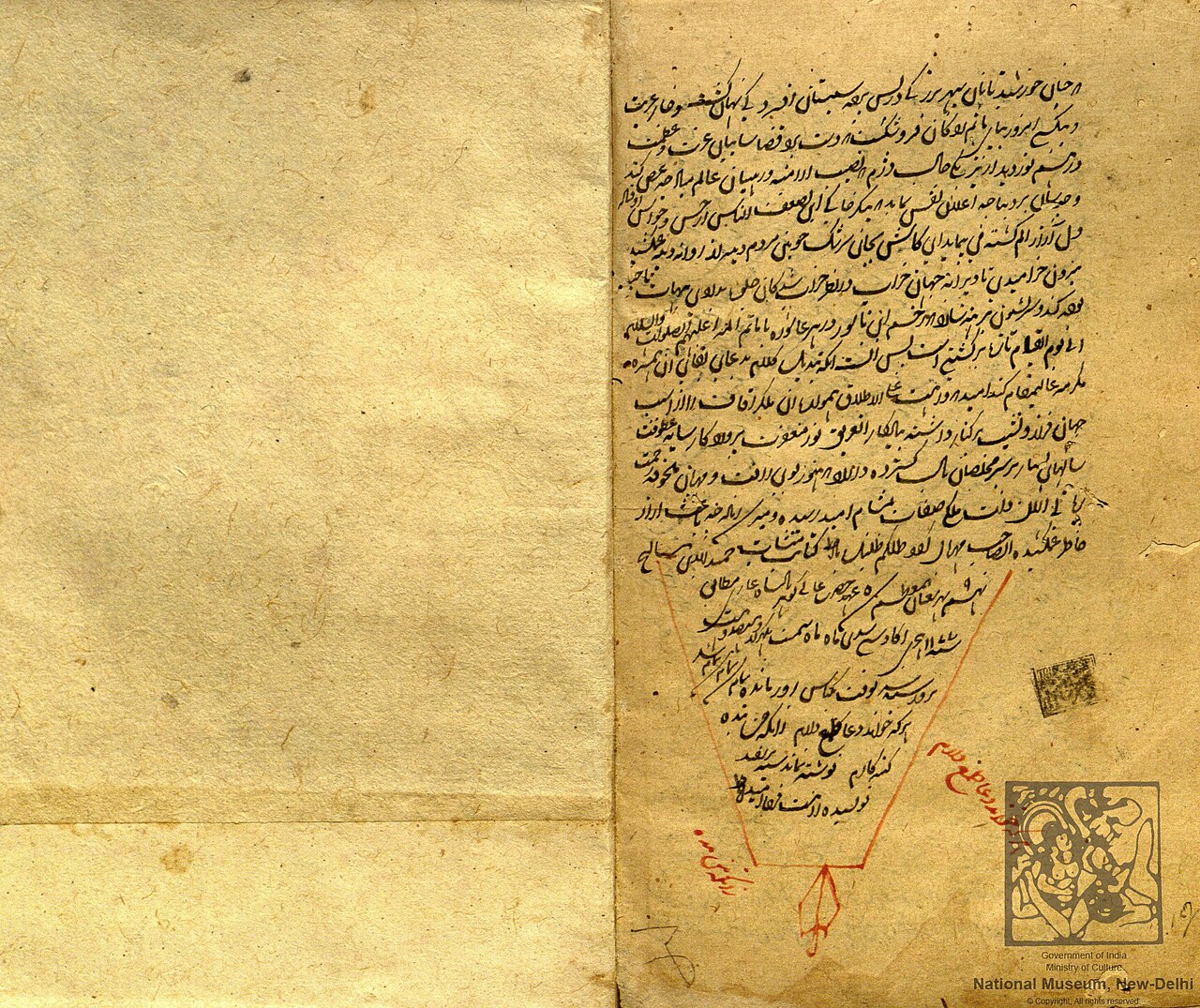
Ruka'at-i-Alamgiri
Aurangzeb · 17th century
 Painting
Primary source
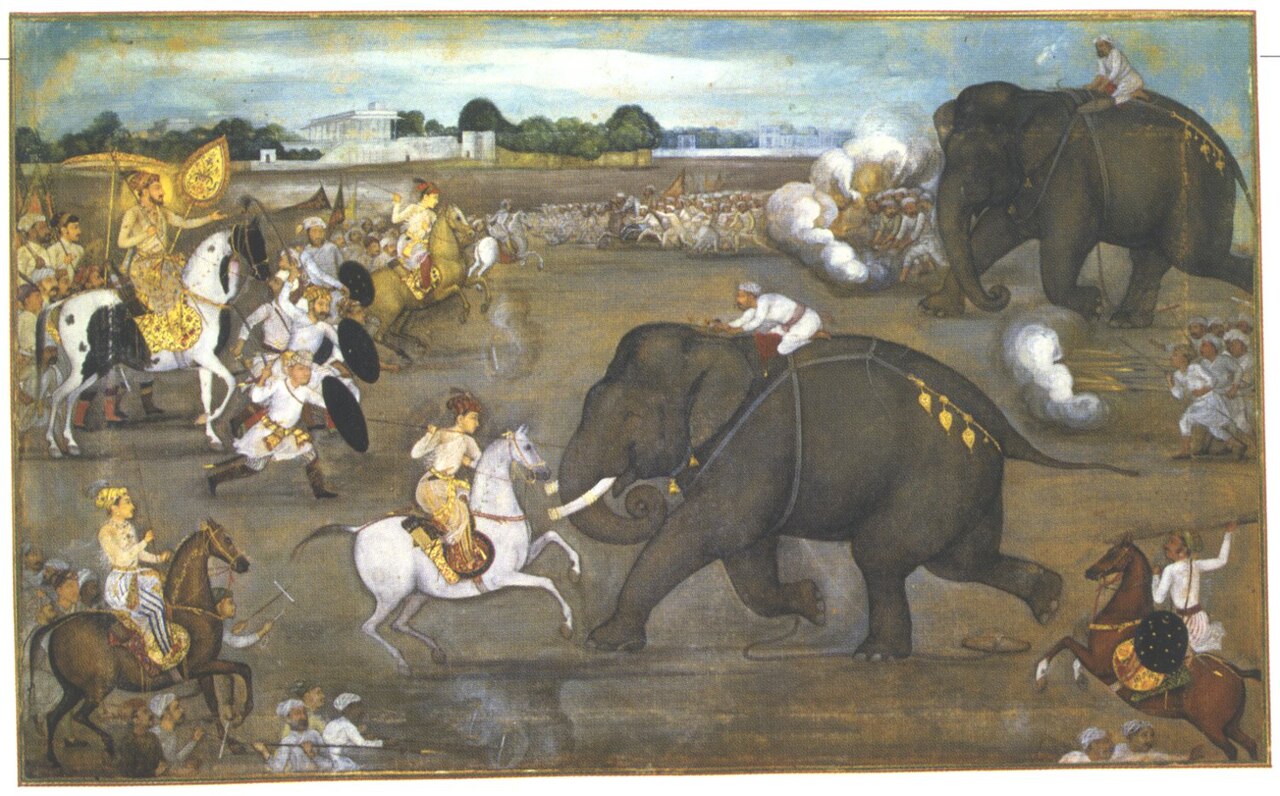
Prince Aurangzeb Facing the Maddened Elephant Sudhakar
Attributed to Payag (Mughal court artist) · c. 1635
Ready when you are
Start chatting with Aurangzeb now.
20 messages free · No credit card · Available in 50+ languages.