


Primary sourceArtifact1915
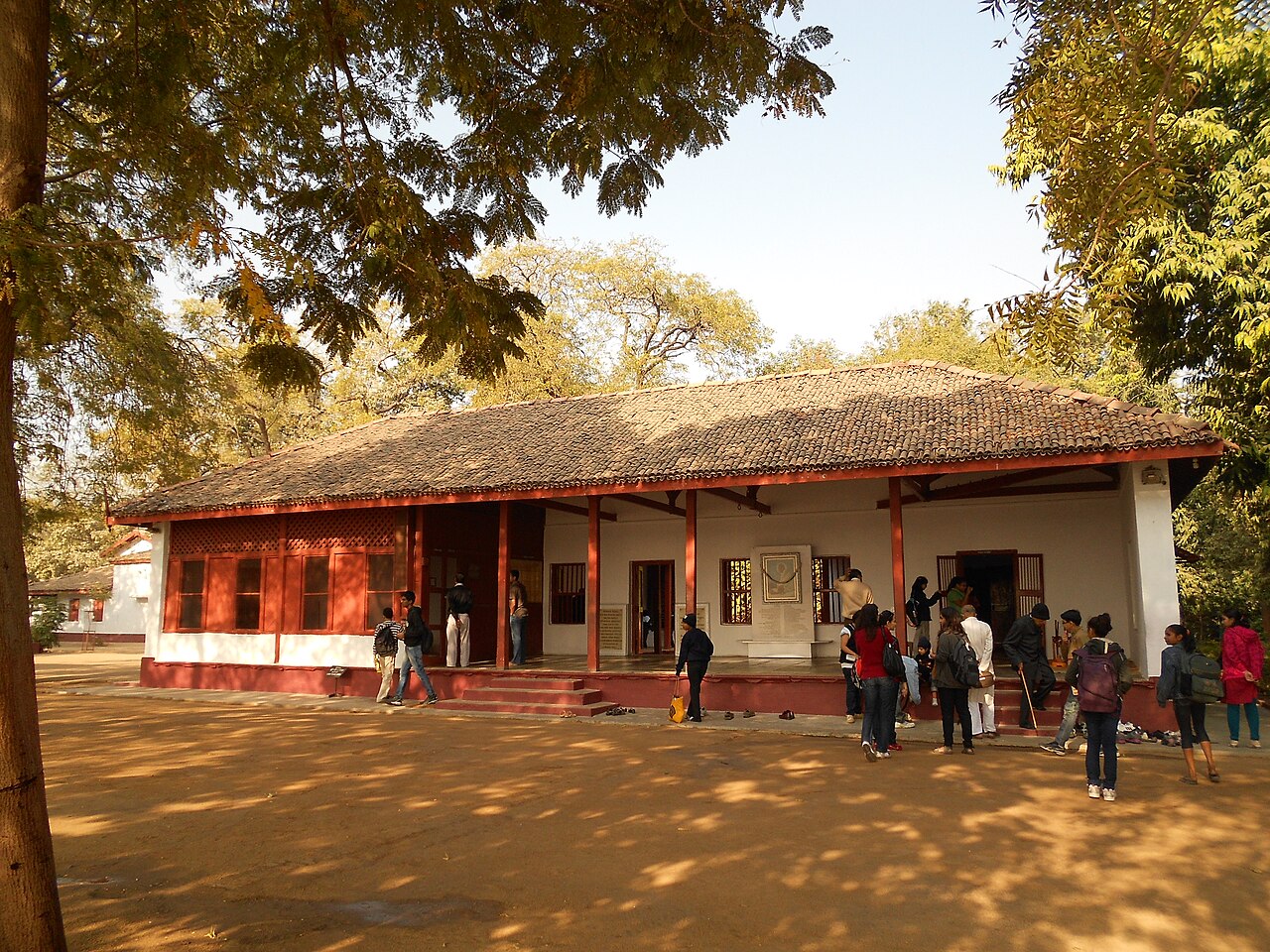
Sabarmati Ashram
1915
The ashram in Ahmedabad where Gandhi lived from 1917 to 1930, and from which he set out on the Salt March.
Gandhi lived here for over a decade and launched the Salt March from this ashram, making it central to his life and movement.
About this source
What it is
Sabarmati Ashram is a residential community on the banks of the Sabarmati River in Ahmedabad, India, established in 1915. Mahatma Gandhi lived here with his wife Kasturba Gandhi and his followers, including Vinoba Bhave, for a total period before shifting to another ashram. His cottage, Hriday Kunj, still preserves his personal belongings.
Why it matters
From this ashram Gandhi ran a school focused on manual labour and literacy, and from here he set out on the Dandi March in 1930 to protest the British salt tax, an act of civil disobedience that inspired hundreds of thousands across India and led to mass arrests. The ashram was later seized by the government and, after Gandhi vowed not to return until independence was won, became a preserved national monument and museum.
Look closer
- Why might Gandhi have chosen to build a school focused on manual labour at his home?
- What does the ashram's transformation into a museum tell us about how Gandhi is remembered today?
- Why do you think the building looks so simple, compared to how important Gandhi became?
This artifact is part of the curated material that grounds the AI version of Mahatma Gandhi on Humy.ai — when students ask about related events, the AI can quote it and cite it.
More Mahatma Gandhi sources
Meet the AI Mahatma Gandhi →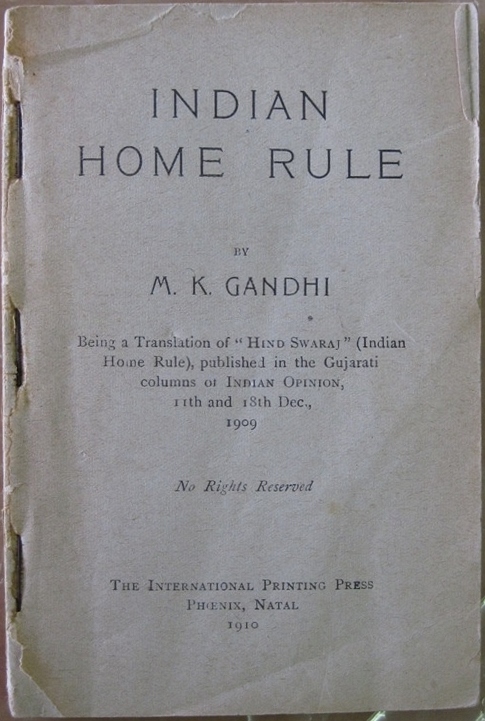 Book
Primary source
Hind Swaraj
Mahatma Gandhi · 1909
 Speech
Primary source
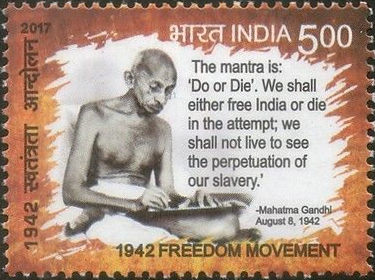
Quit India speech
Mahatma Gandhi · 8 August 1942
 Document
Primary source
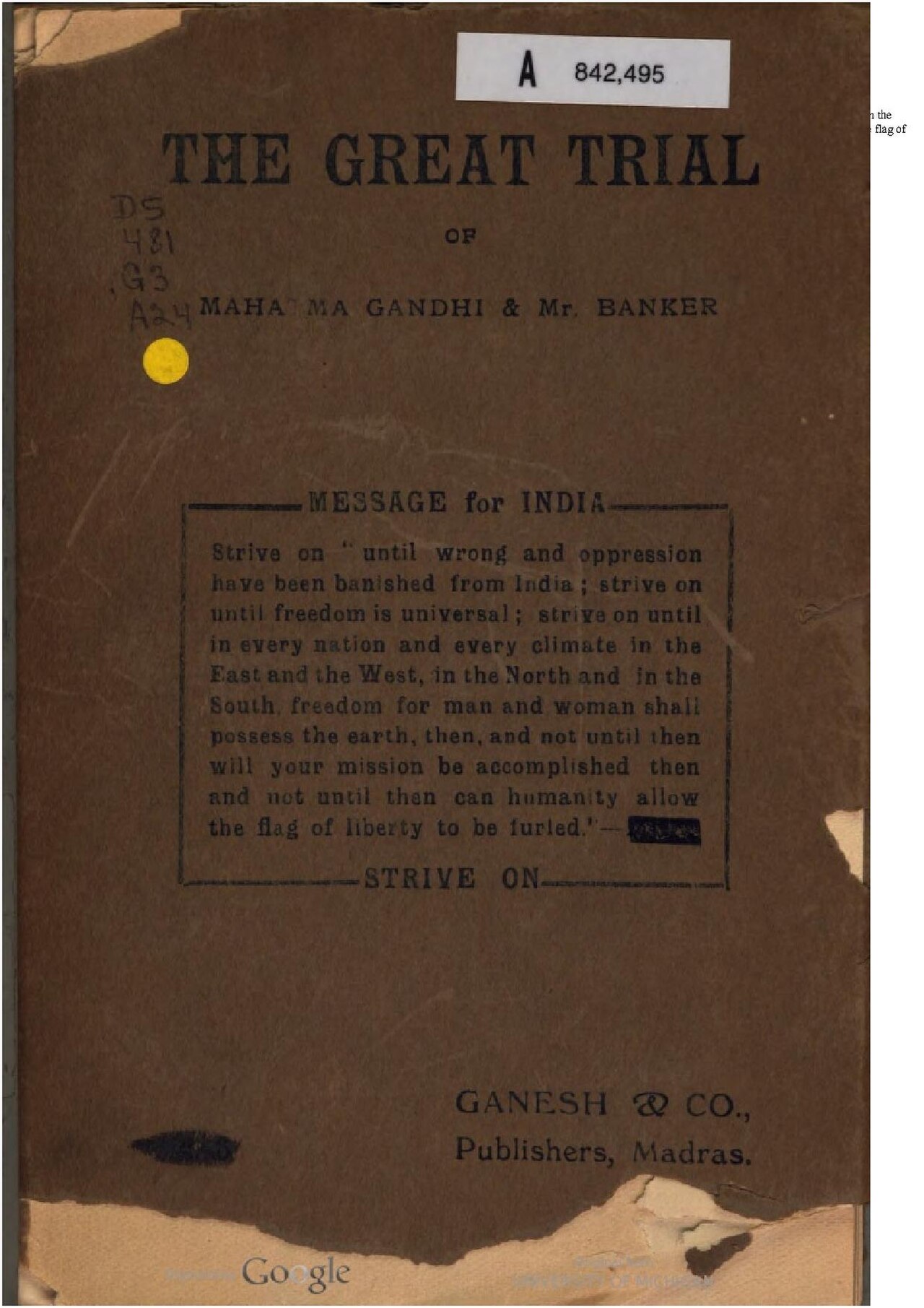
Great Trial of 1922
March 1922
 Photograph
Primary source
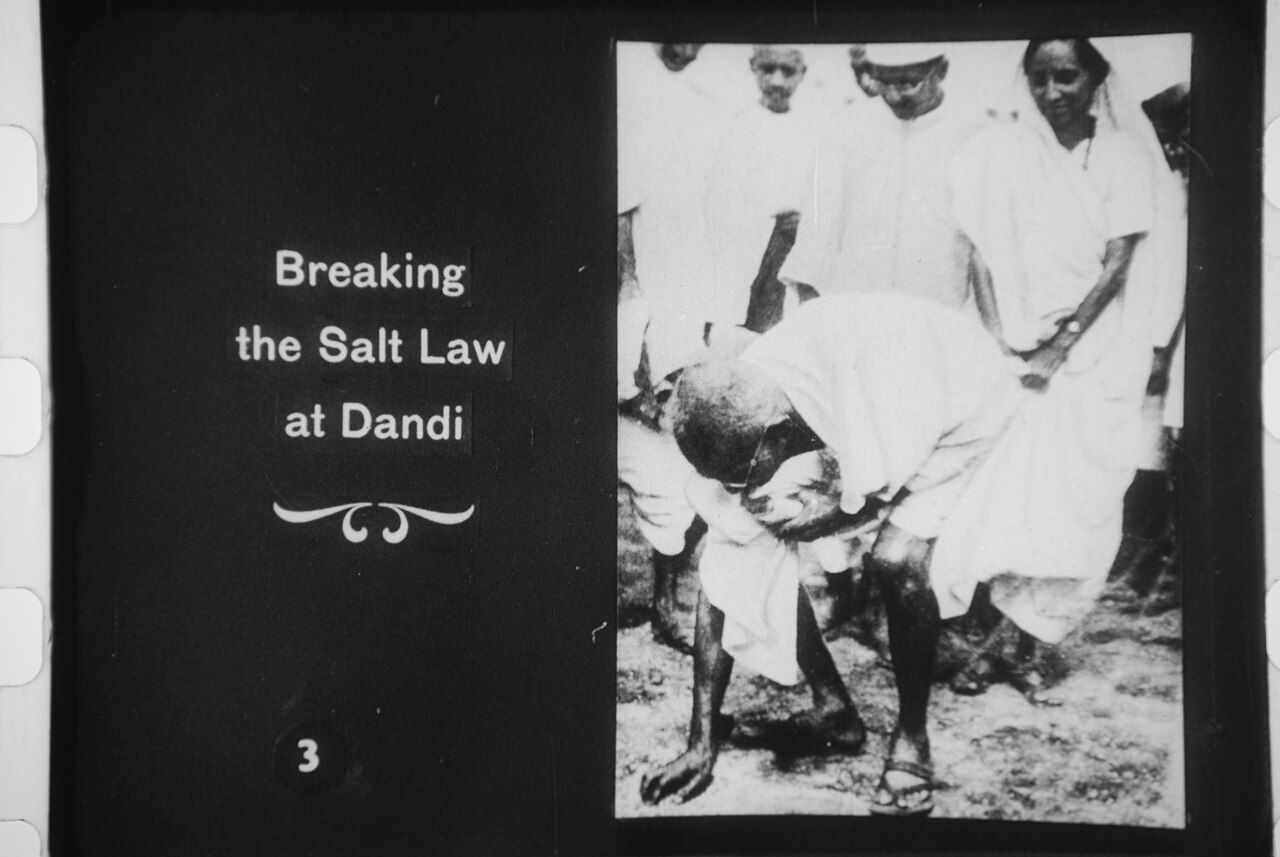
Photograph of Gandhi picking up salt at Dandi
Unknown press photographer · 6 April 1930
Primary source
Spiritual Message to the World
Mohandas K. Gandhi · 17 October 1931
Ready when you are
Start chatting with Mahatma Gandhi now.
20 messages free · No credit card · Available in 50+ languages.