


Primary sourceArtifact11th century
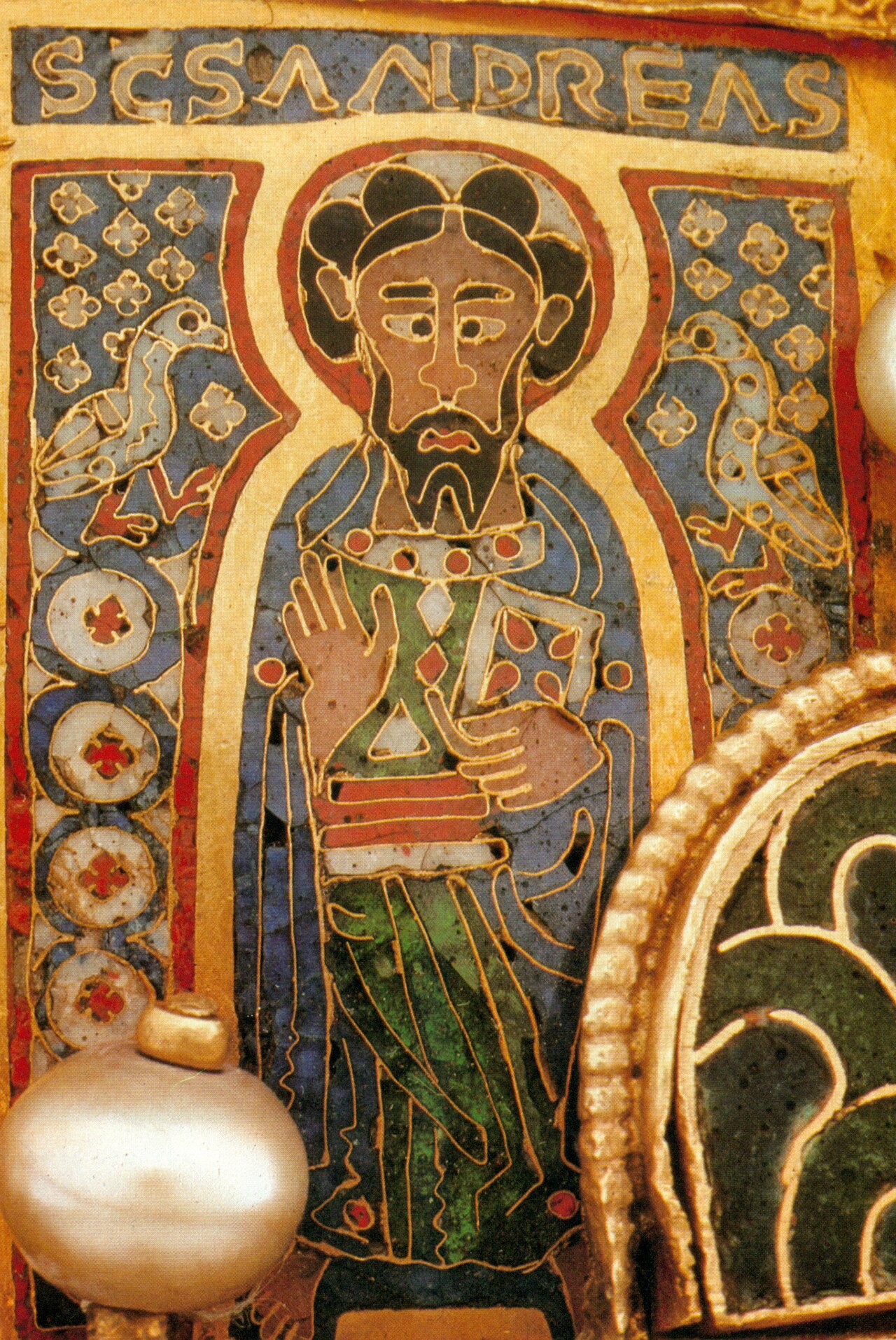
Saint Andrew Panel on the Holy Crown of Hungary
11th century
An enamel panel on the Holy Crown of Hungary, the crown linked to Stephen's coronation. It shows Saint Andrew, not Stephen himself.
Belongs to the crown Stephen received at his coronation, so it links directly to his reign.
About this source
What it is
This is an enamel panel on the Holy Crown of Hungary, dated to the 11th century. It shows a bearded saint with dark curled hair and a halo, wearing a blue robe with a green garment, and raising one hand. A gold inscription above reads SCS ANDREAS, which is Latin for Saint Andrew. Stylized birds and roundels frame the panel, and a pearl and gold fitting appear at the edges.
Why it matters
The crown is connected to Stephen I, who received it at his coronation. The panel shows a saint rather than the king, but it links the object to the religious identity of the early Hungarian kingdom. Enamel work of this kind shows the skill and the wealth of the court that made it.
Look closer
- Why would a crown used by a king show a saint instead of the king?
- What does the Latin inscription tell you about who the crown was made for?
- What might the crown reveal about the court that owned it, and what might it hide about its later history?
This artifact is part of the curated material that grounds the AI version of Stephen I of Hungary on Humy.ai — when students ask about related events, the AI can quote it and cite it.
More Stephen I of Hungary sources
Browse all 87 →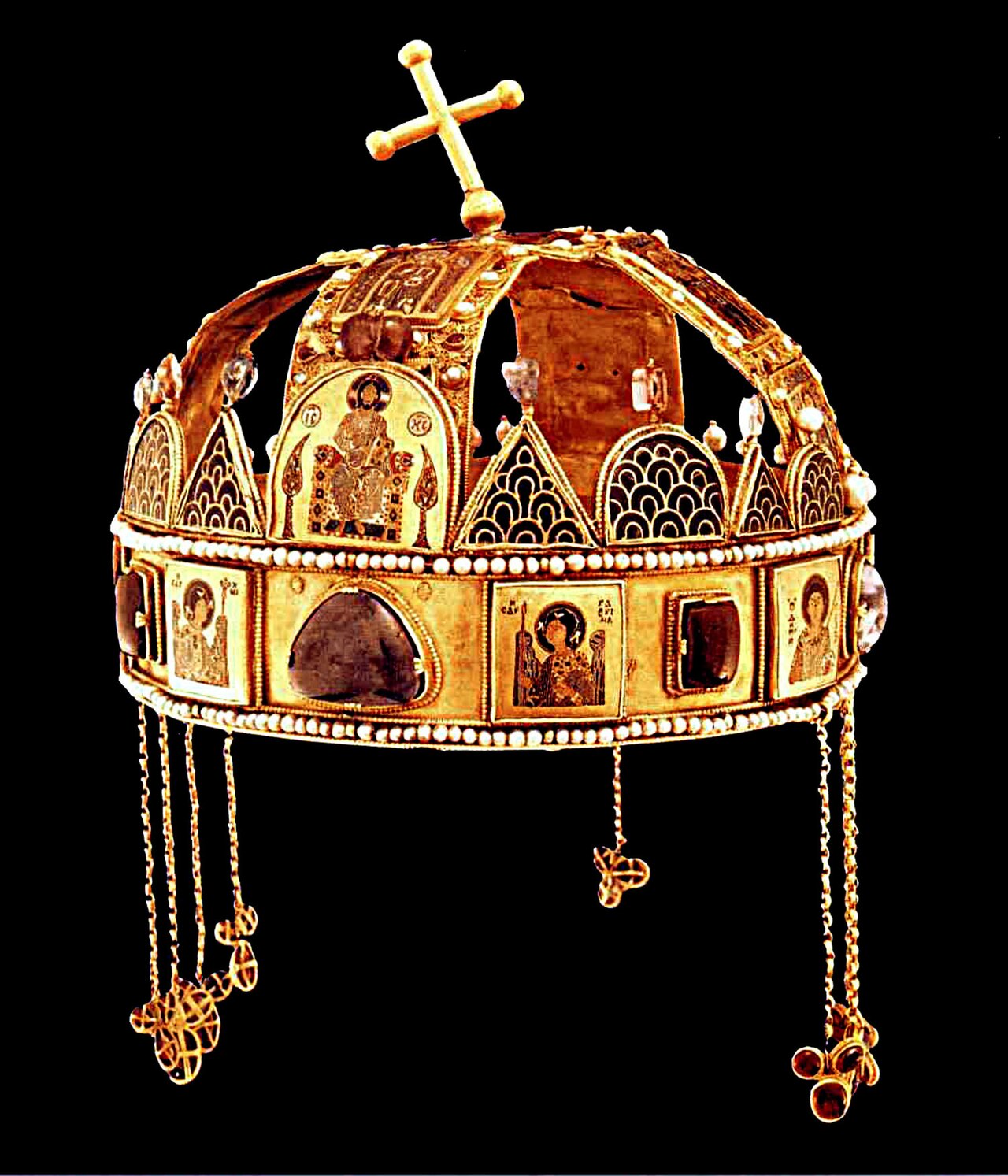 Artifact
Secondary source
Holy Crown of Hungary
1070s, present form c. late 12th century
 Document
Primary source
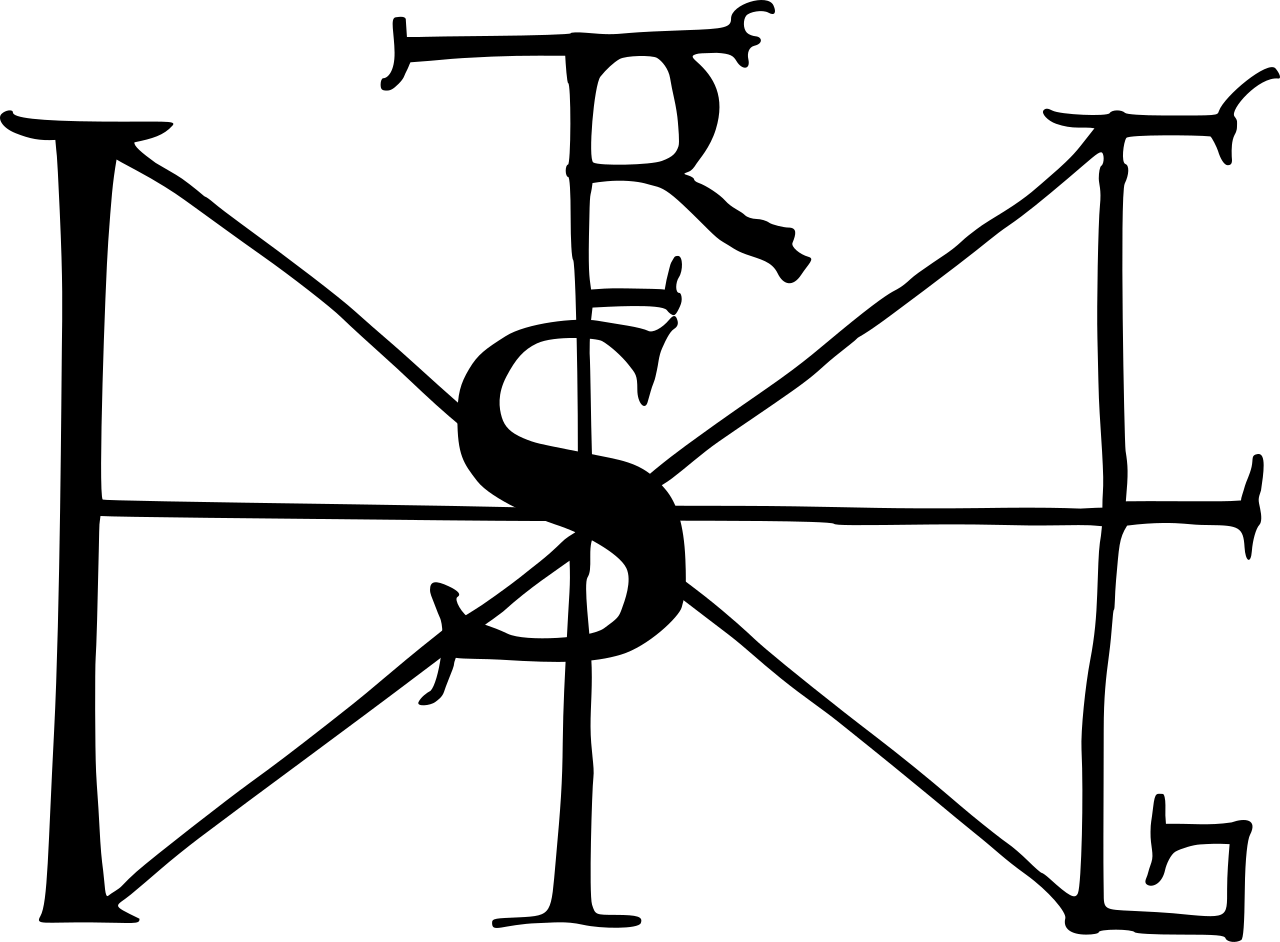
Signature of Stephen I of Hungary
Stephen I of Hungary
 Artifact
Secondary source
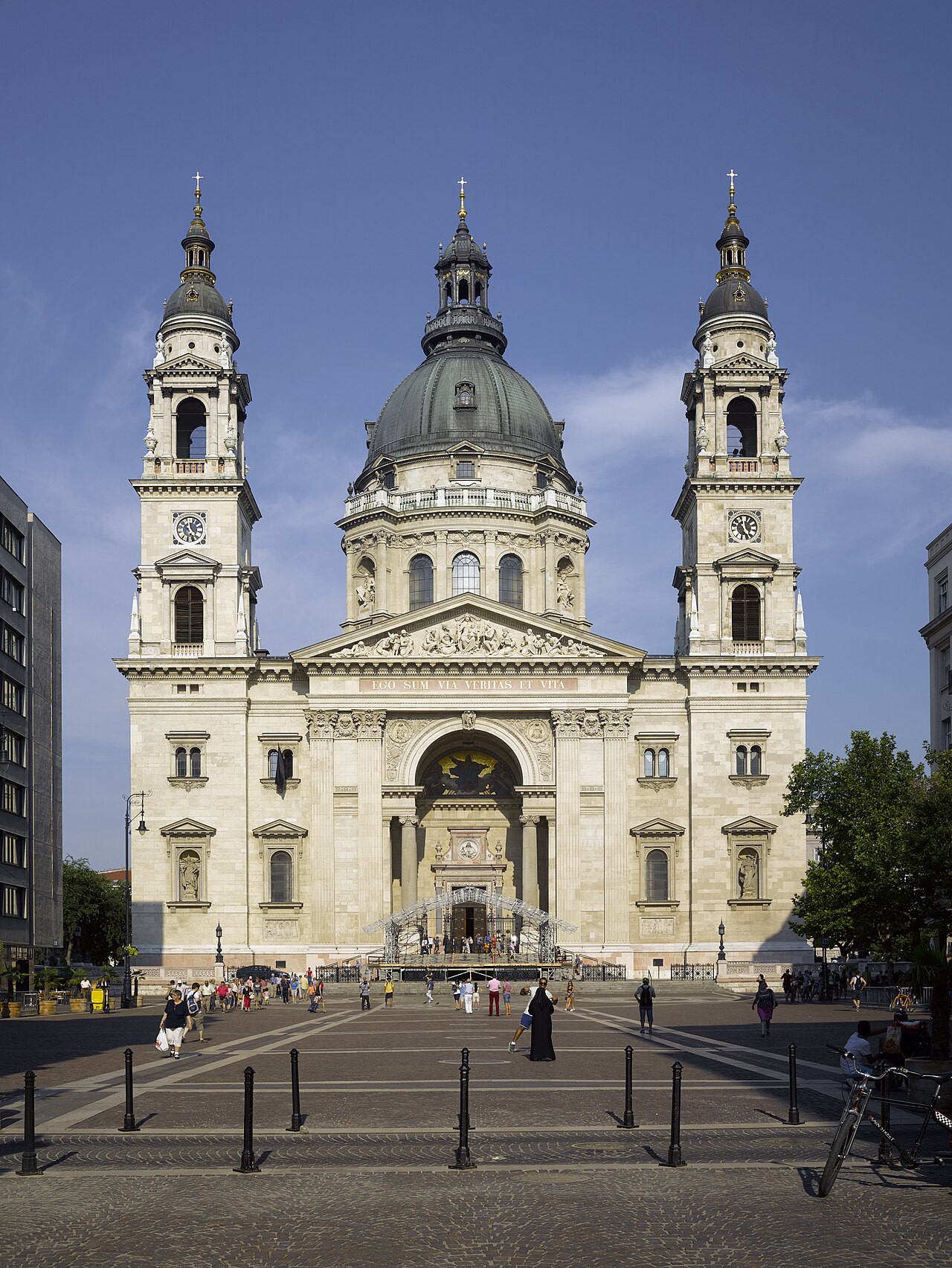
St. Stephen's Basilica
József Hild, Miklós Ybl, József Kauser · completed 1905
 Sculpture
Secondary source
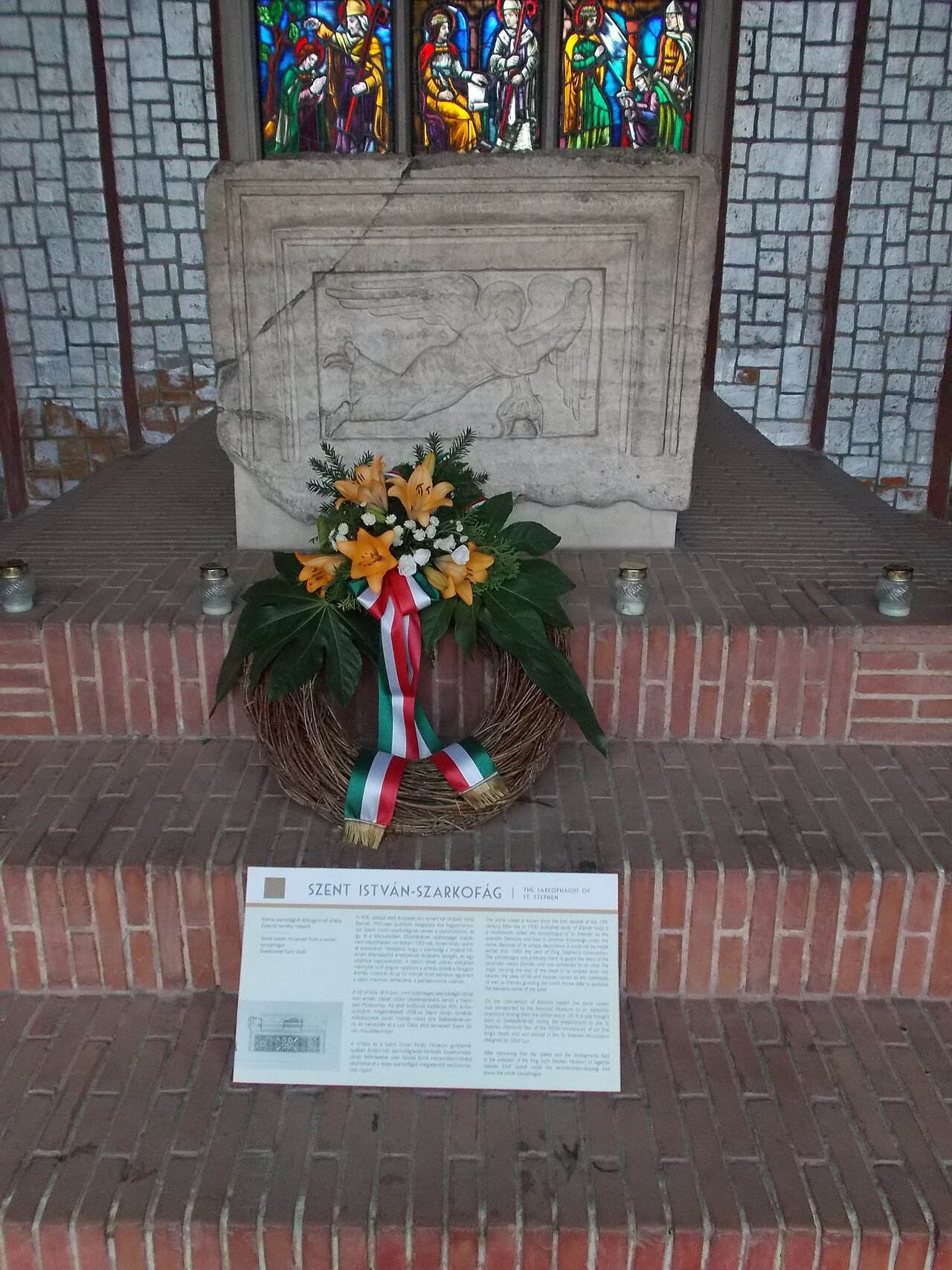
St. Stephen's Sarcophagus
Free account
Read every Stephen I of Hungary source
Sign up free →
Ready when you are
Start chatting with Stephen I of Hungary now.
20 messages free · No credit card · Available in 50+ languages.