


Secondary sourceSculpturec. 1300-1310
Saint Benedict (walnut wood statue)
Anonymous · c. 1300-1310
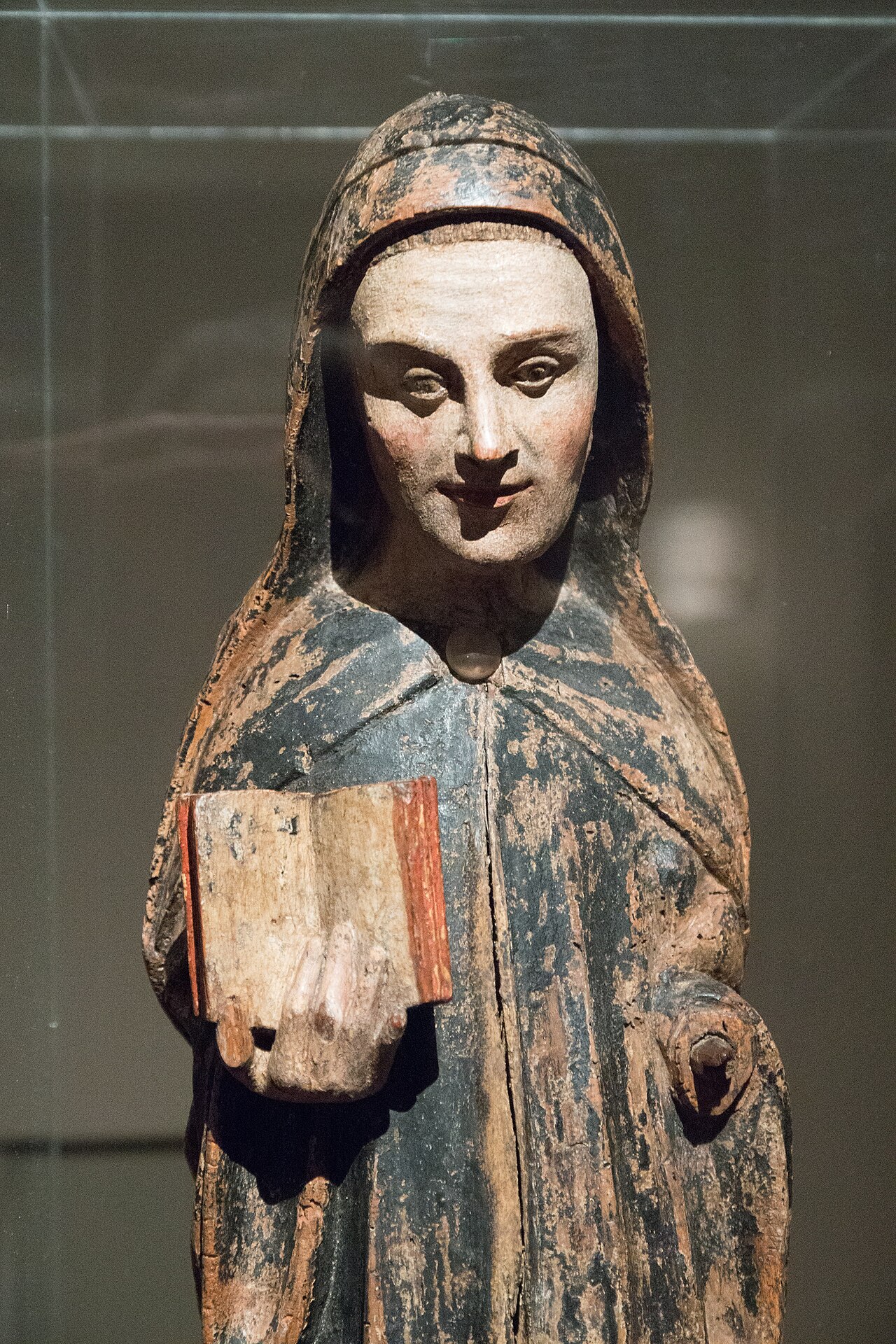
A medieval walnut wood statue of Saint Benedict, carved around 1300-1310 with its original paint still visible, now in a museum collection.
This statue depicts Benedict holding a book, likely representing his Rule, and reflects his veneration centuries after his death.
About this source
What it is
This walnut wood statue depicts Saint Benedict as a robed, hooded figure holding an open book, carved in Western Europe around 1300-1310. It still has traces of its original painted surface, now worn in places to reveal the bare wood beneath. The statue is held in a private collection and has been displayed in a museum exhibition.
Why it matters
Made centuries after Benedict's death, this statue shows how he continued to be venerated as the founder of Western monasticism long into the Middle Ages. The open book he holds likely represents his Rule, the text that shaped monastic life across Europe. Objects like this were used in churches and monasteries to help people remember and honor saints through physical, visual presence rather than through text alone.
Look closer
- Why might the sculptor have chosen to show Benedict holding an open book?
- What does the worn paint tell you about the statue's age and use over time?
- How does this statue's expression and pose shape how viewers might feel about Benedict?
This sculpture is part of the curated material that grounds the AI version of Saint Benedict on Humy.ai — when students ask about related events, the AI can quote it and cite it.
More Saint Benedict sources
Meet the AI Saint Benedict →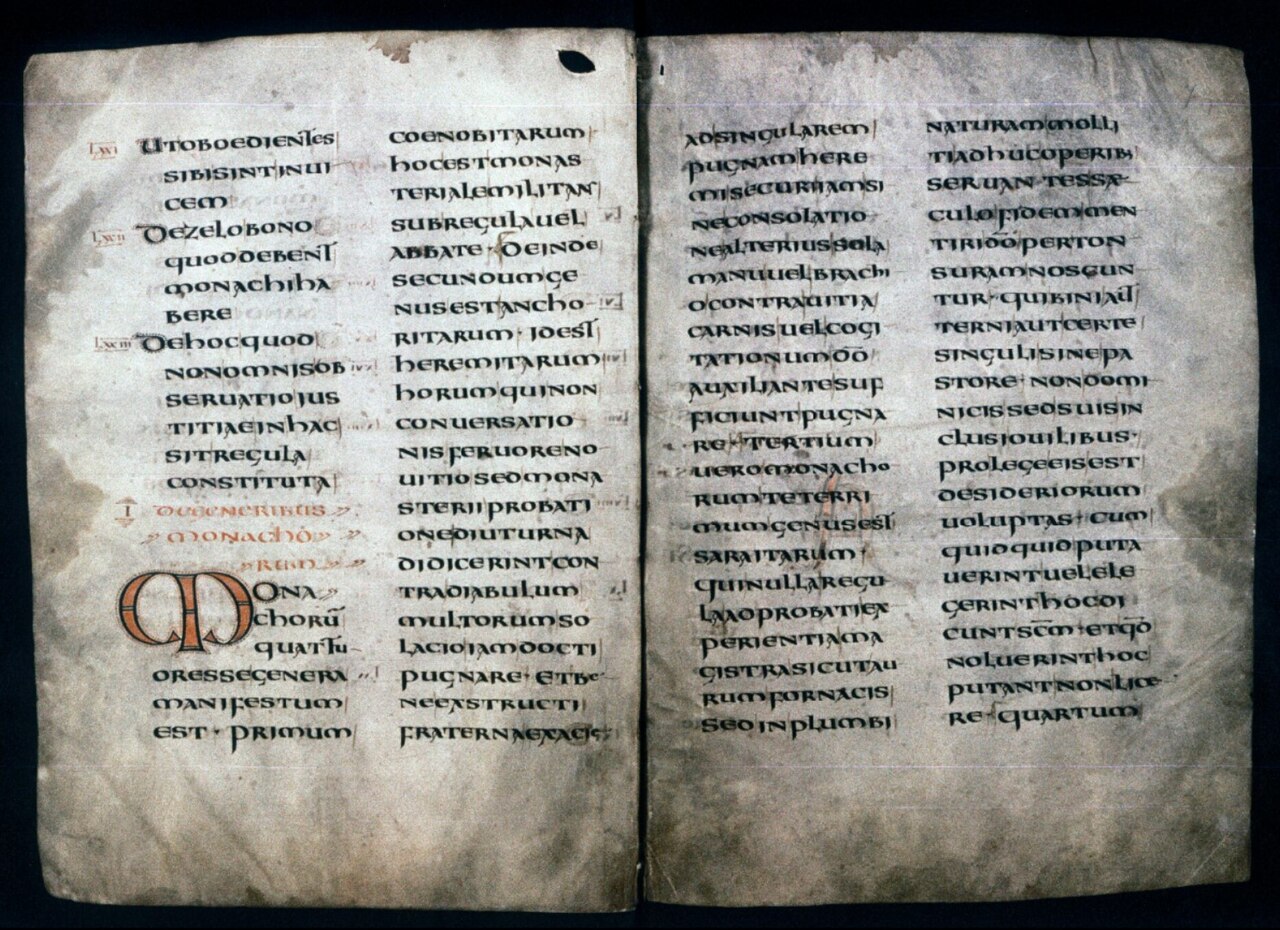 Book
Primary source
Rule of Saint Benedict
Benedict of Nursia · c. 600
 Artifact
Secondary source
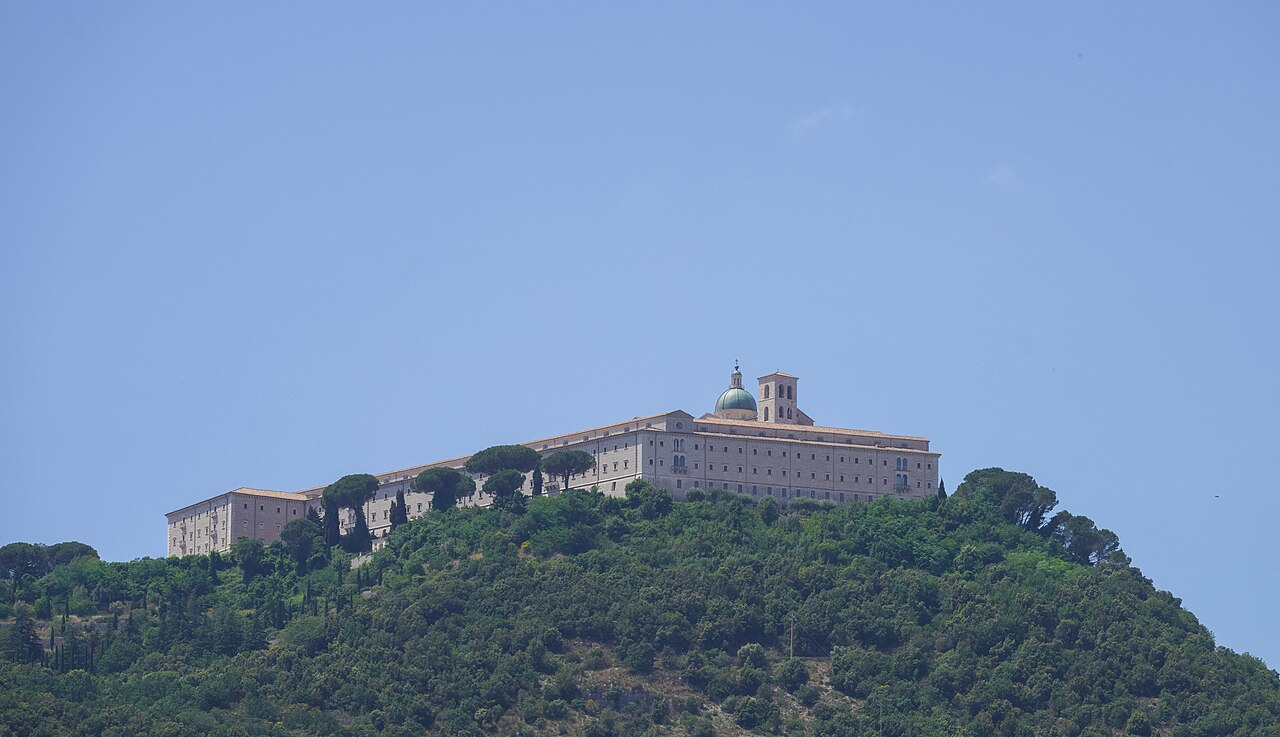
Monte Cassino
founded c. 529/530
 Painting
Secondary source
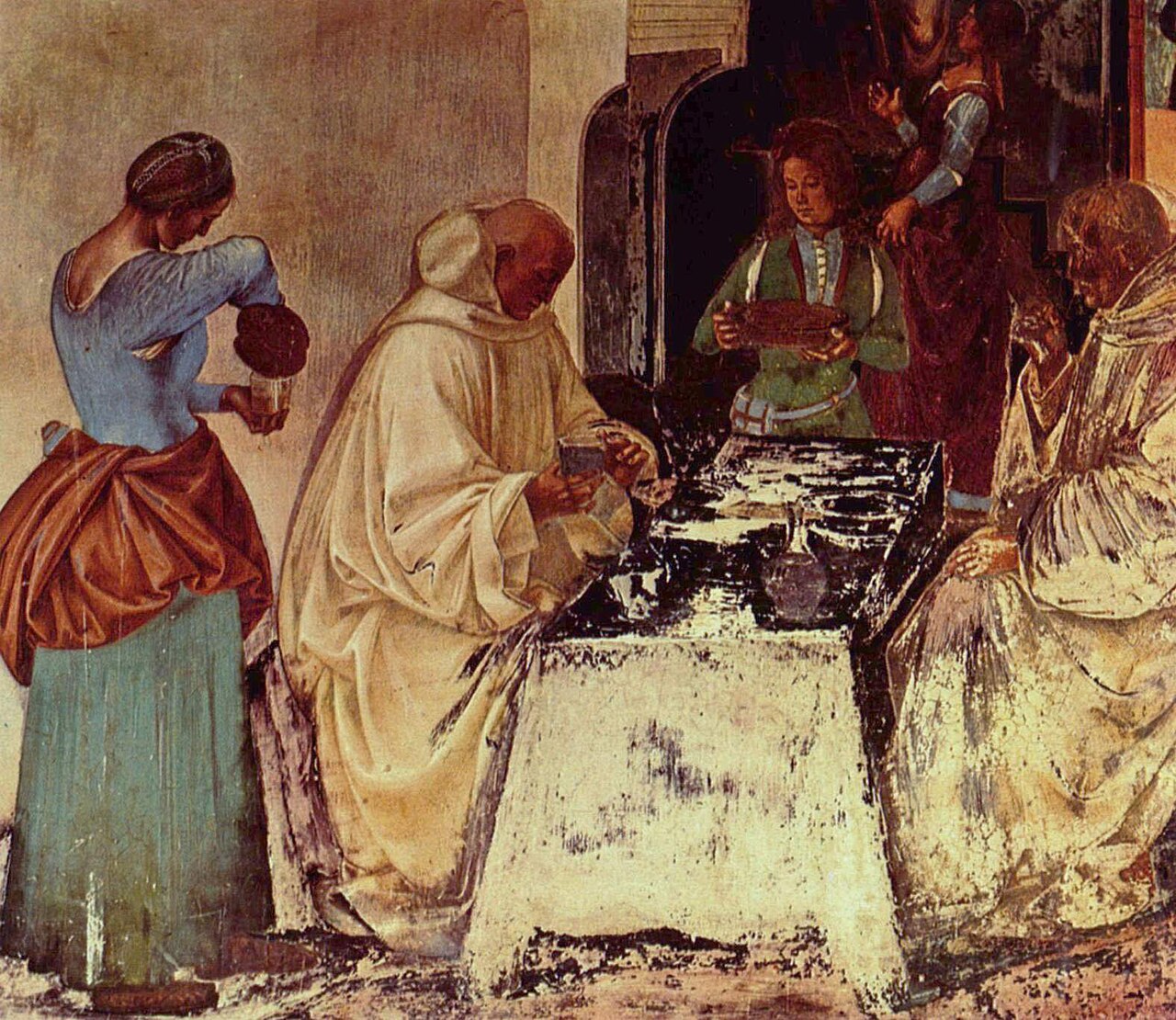
Fresco Cycle of the Life of St Benedict at Monte Oliveto Maggiore
Luca Signorelli and Sodoma · 1497-1505 (fresco cycle); abbey founded 1313
 Artifact
Secondary source
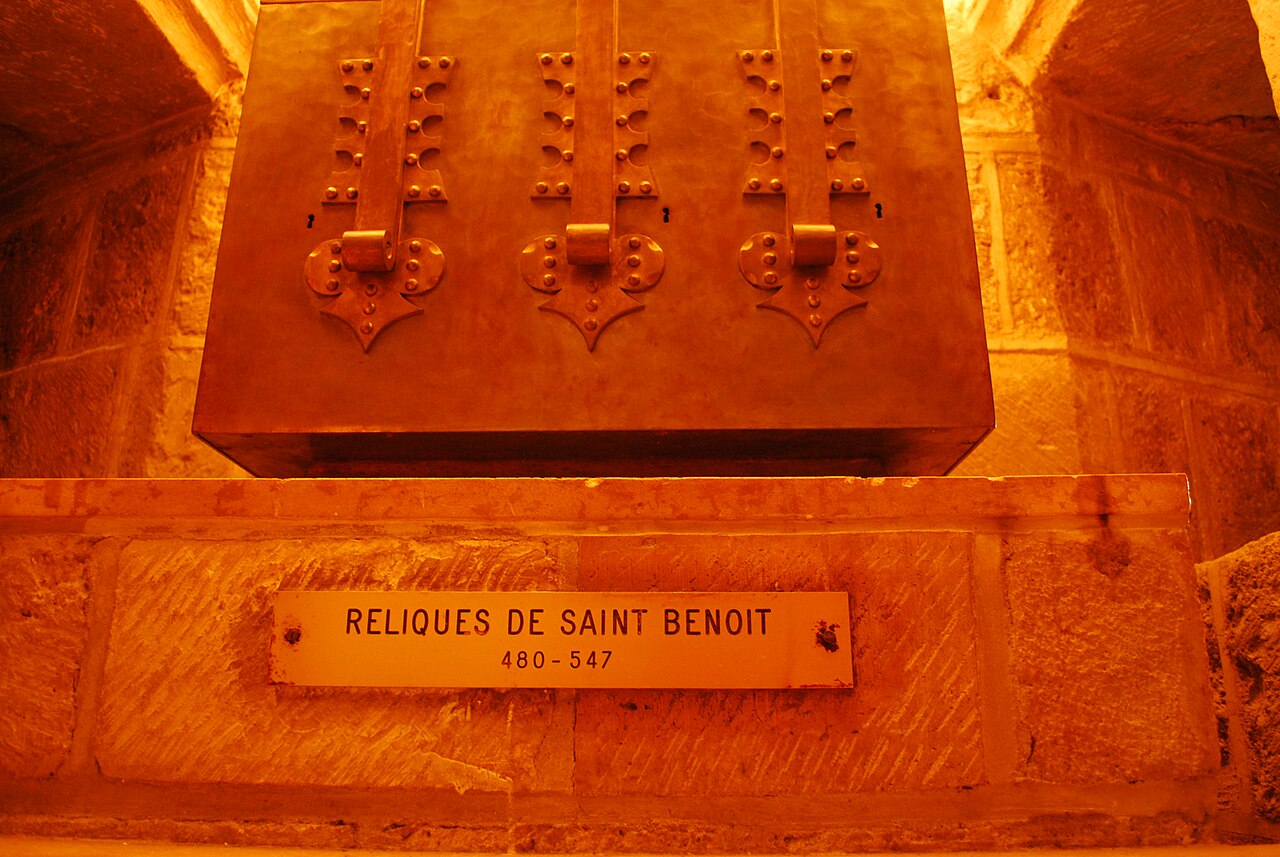
Reliquary of Saint Benedict at Fleury
 Artifact
Secondary source
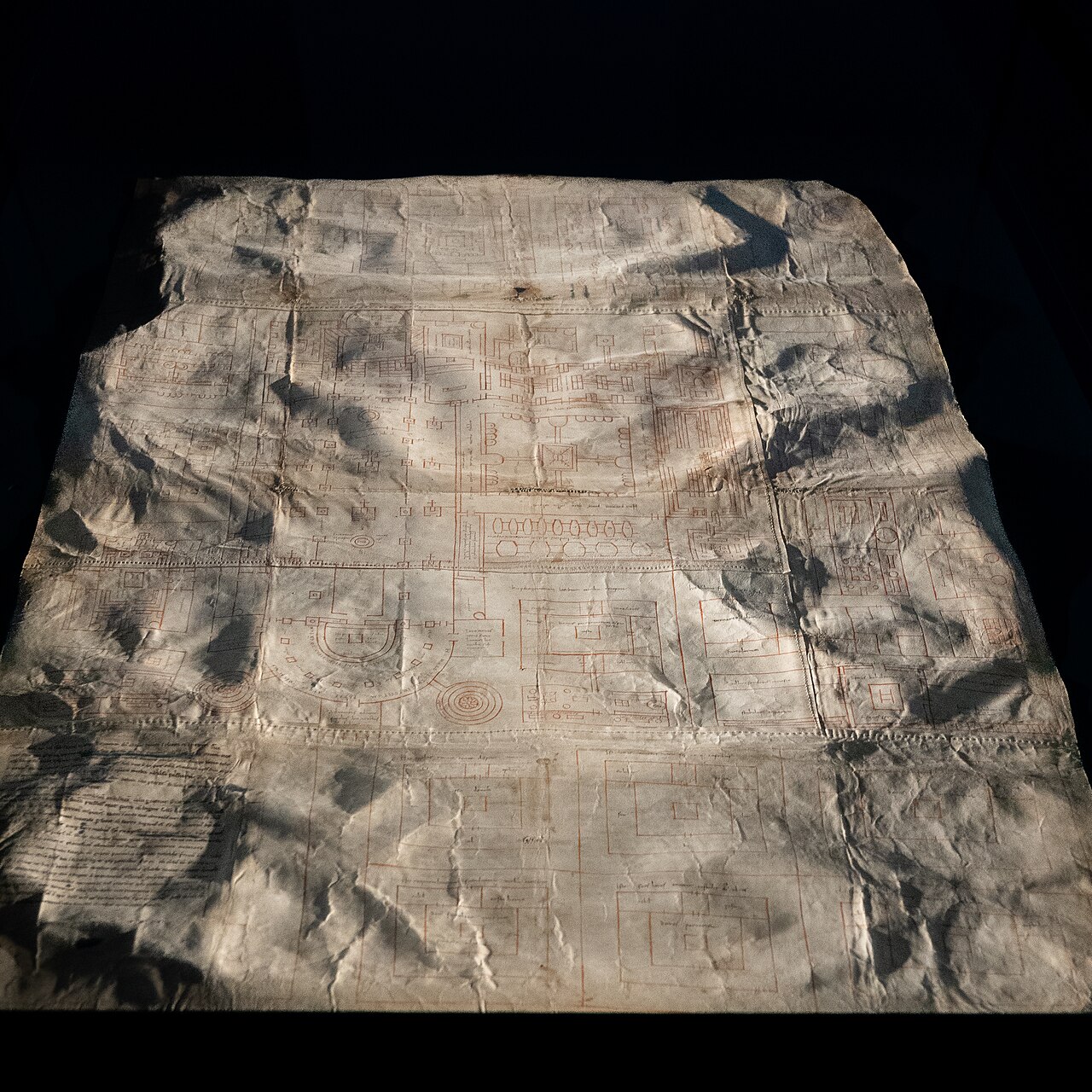
Plan of Saint Gall
c. 820-830
Ready when you are
Start chatting with Saint Benedict now.
20 messages free · No credit card · Available in 50+ languages.