


Secondary sourceArtifact1917
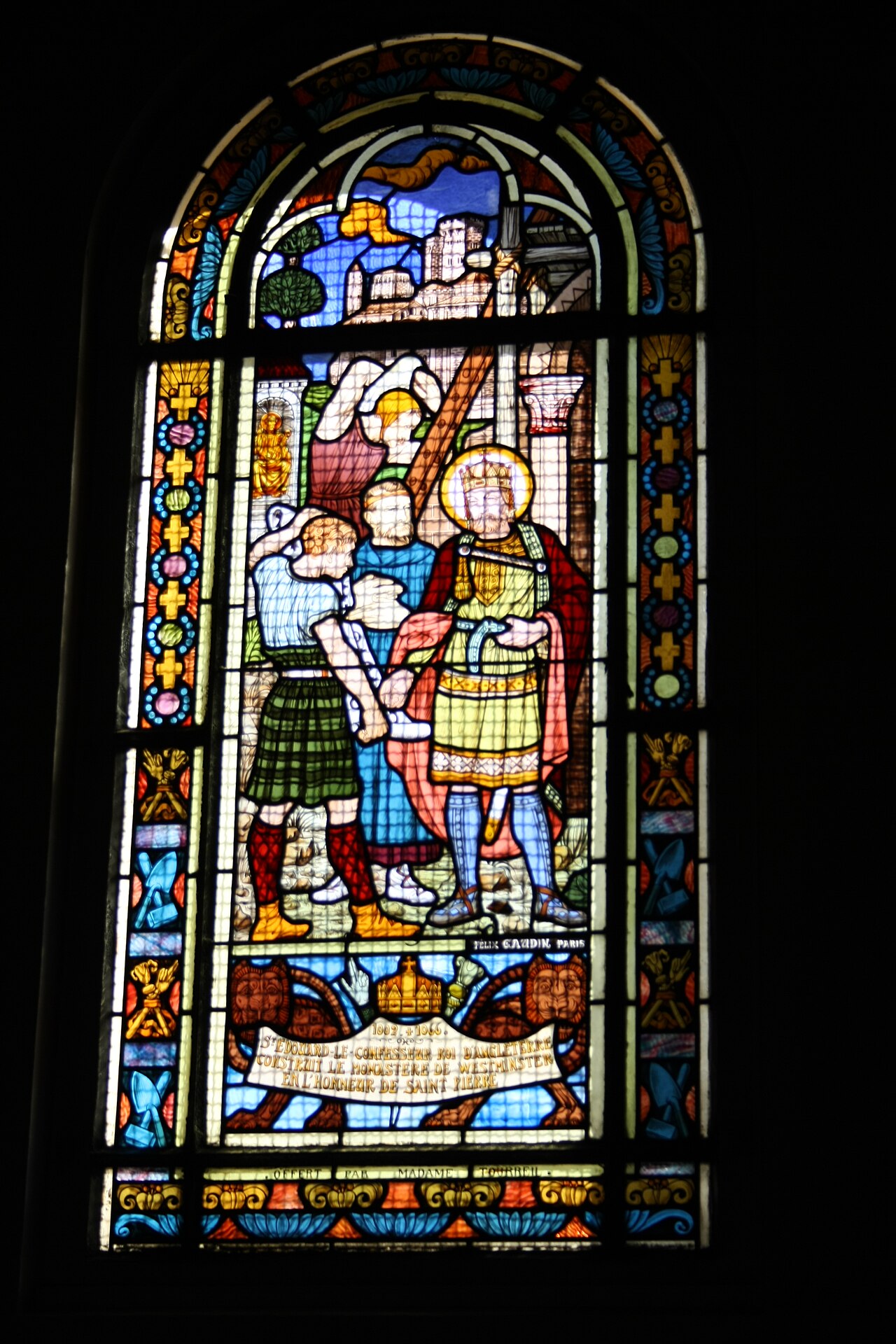
Saint Edward the Confessor Stained-Glass Window
Félix Gaudin · 1917
A 1917 stained-glass window in a Paris church depicting Edward the Confessor as a sainted king, made centuries after his reign.
A later, imagined image honoring Edward as a saint, made centuries after his death.
About this source
What it is
This is a stained-glass window in the church of Saint-Honoré d'Eylau in Paris, made in 1917 by Félix Gaudin after a design by Raphaël Freida. It shows Saint Edward the Confessor as a crowned, haloed king in red robe and armour, with figures kneeling before him.
Why it matters
Edward the Confessor was made a saint after his death, and images like this show how he was remembered centuries later as a holy and legendary figure rather than a historical politician. This early 20th-century window reflects how churches continued to honor him as a saint long after his reign had ended.
Look closer
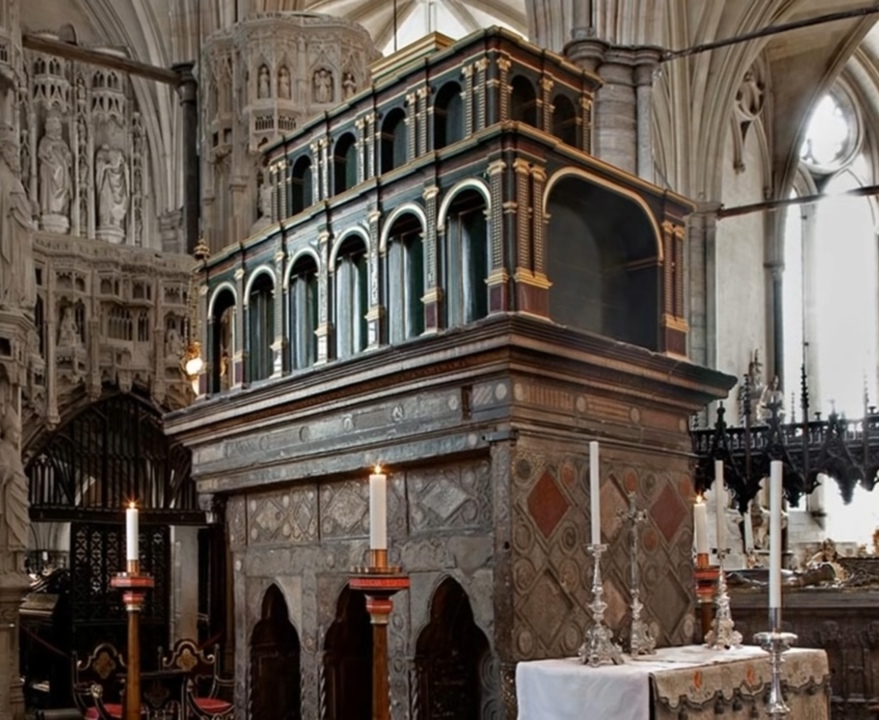
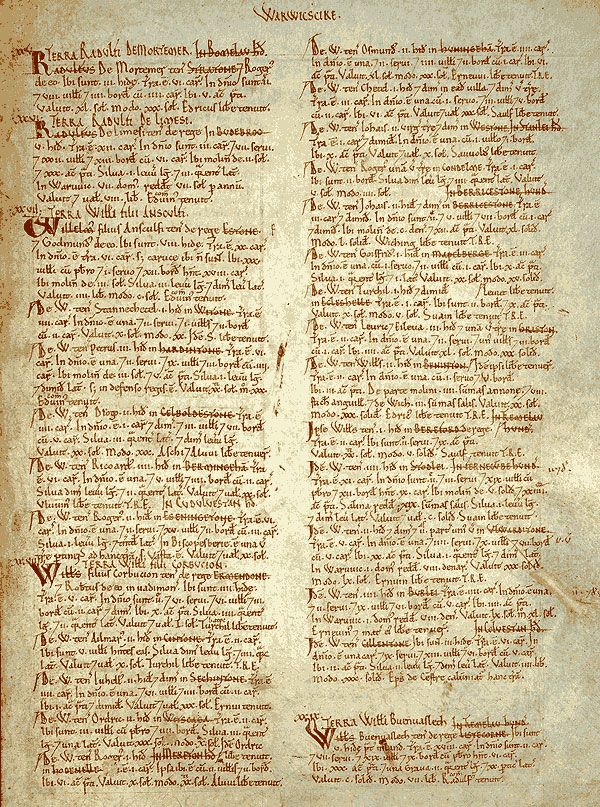
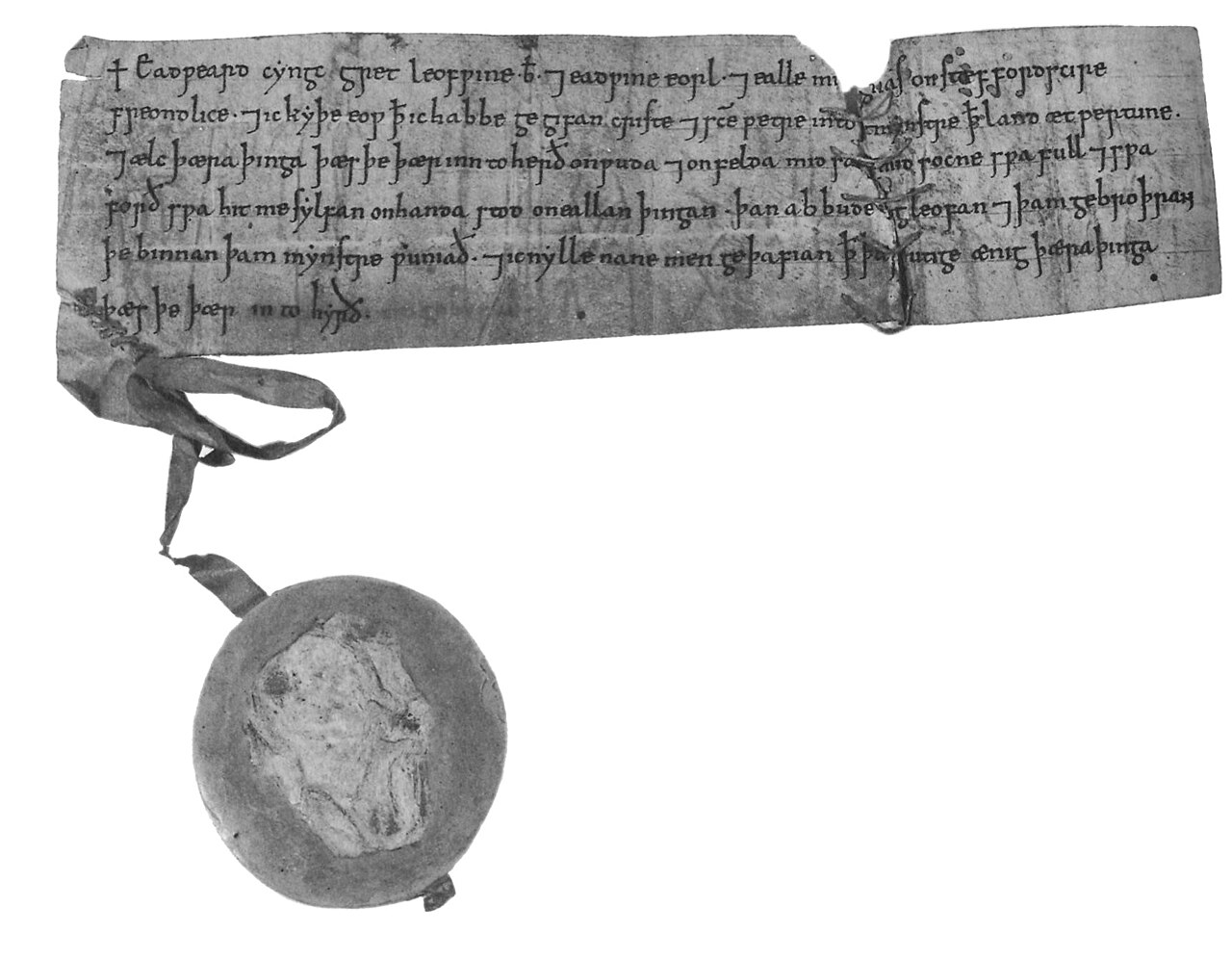
- How does this image differ from a coin or manuscript made during Edward's actual lifetime?
- Why might a French church in 1917 choose to depict an English king as a saint?
- What choices did the artist make to show holiness rather than political power?
This artifact is part of the curated material that grounds the AI version of Edward the Confessor on Humy.ai — when students ask about related events, the AI can quote it and cite it.
More Edward the Confessor sources
Browse all 67 →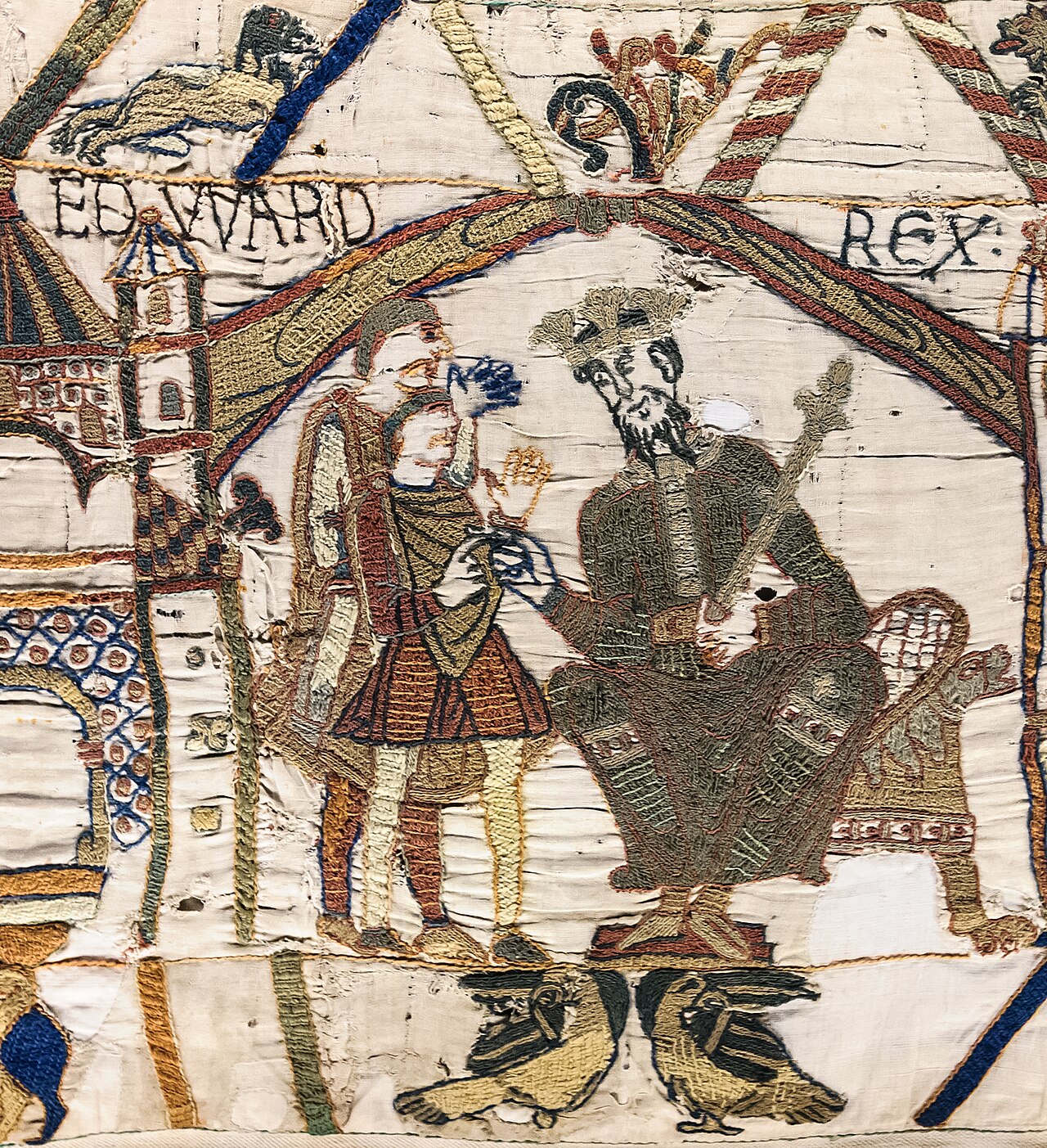 Artifact
Primary source
Bayeux Tapestry
c. 1070s-1100
 Document
Primary source
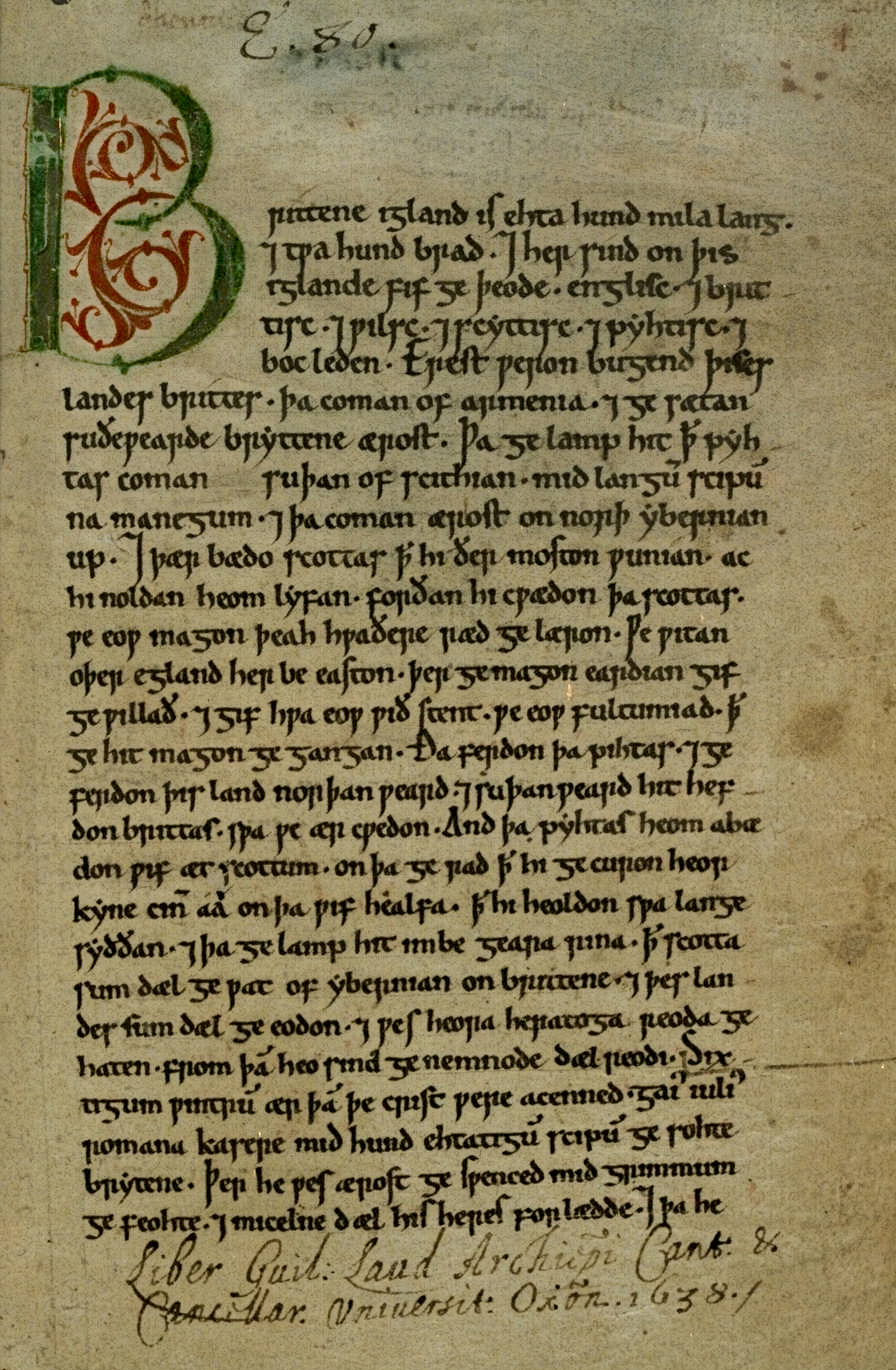
Anglo-Saxon Chronicle
c. 890 (Common Stock)
 Artifact
Primary source
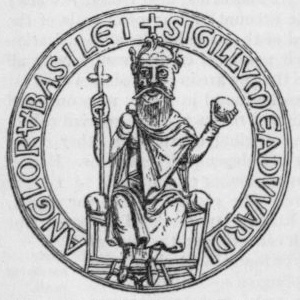
Great Seal of Edward the Confessor
Unknown maker · 1042–1066
 Artifact
Primary source
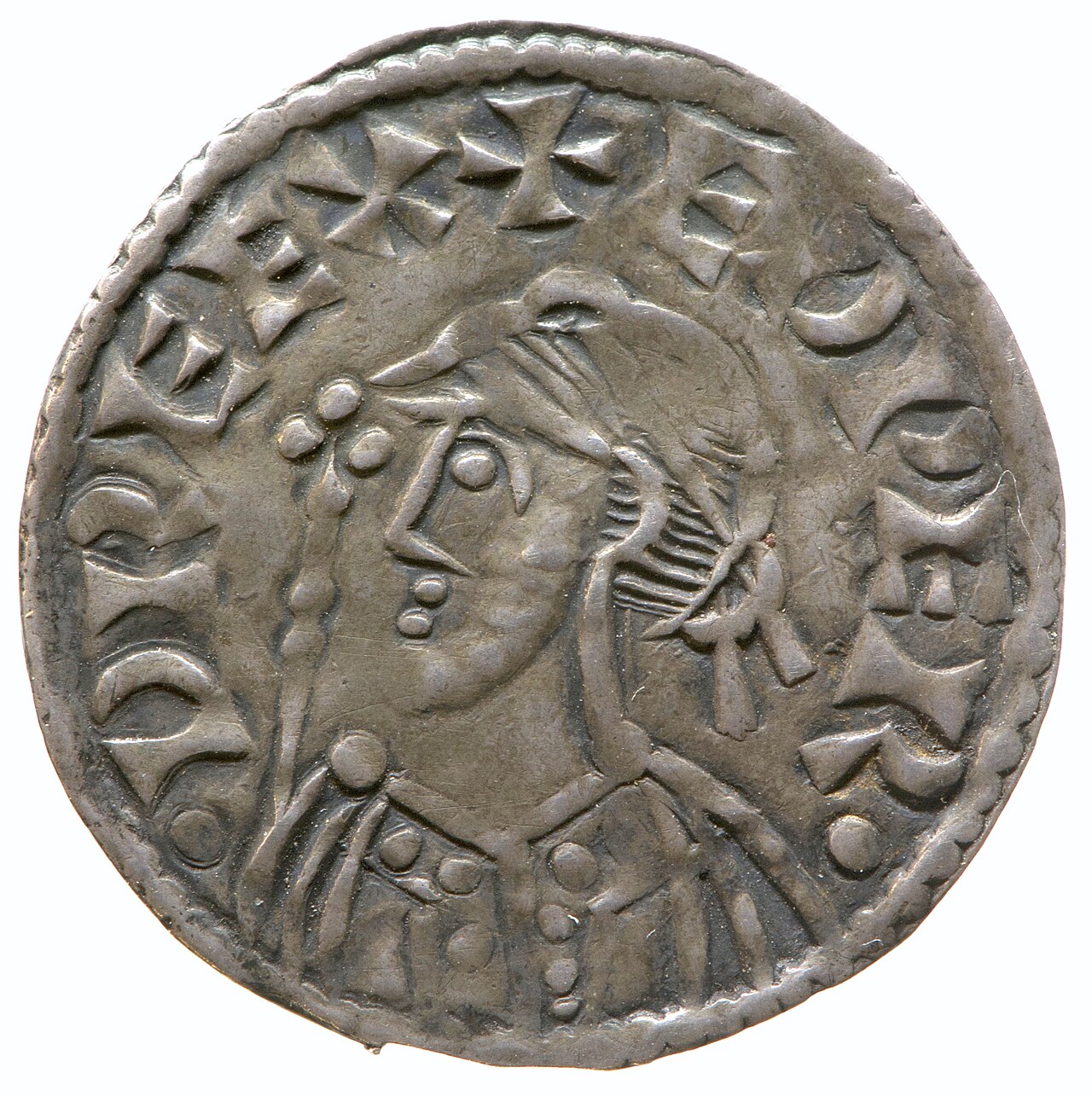
Silver Pennies of Edward the Confessor
Royal moneyers of England · 1042–1066
Free account
Read every Edward the Confessor source
Sign up free →
Ready when you are
Start chatting with Edward the Confessor now.
20 messages free · No credit card · Available in 50+ languages.