


Primary sourcePaintingc. 1430
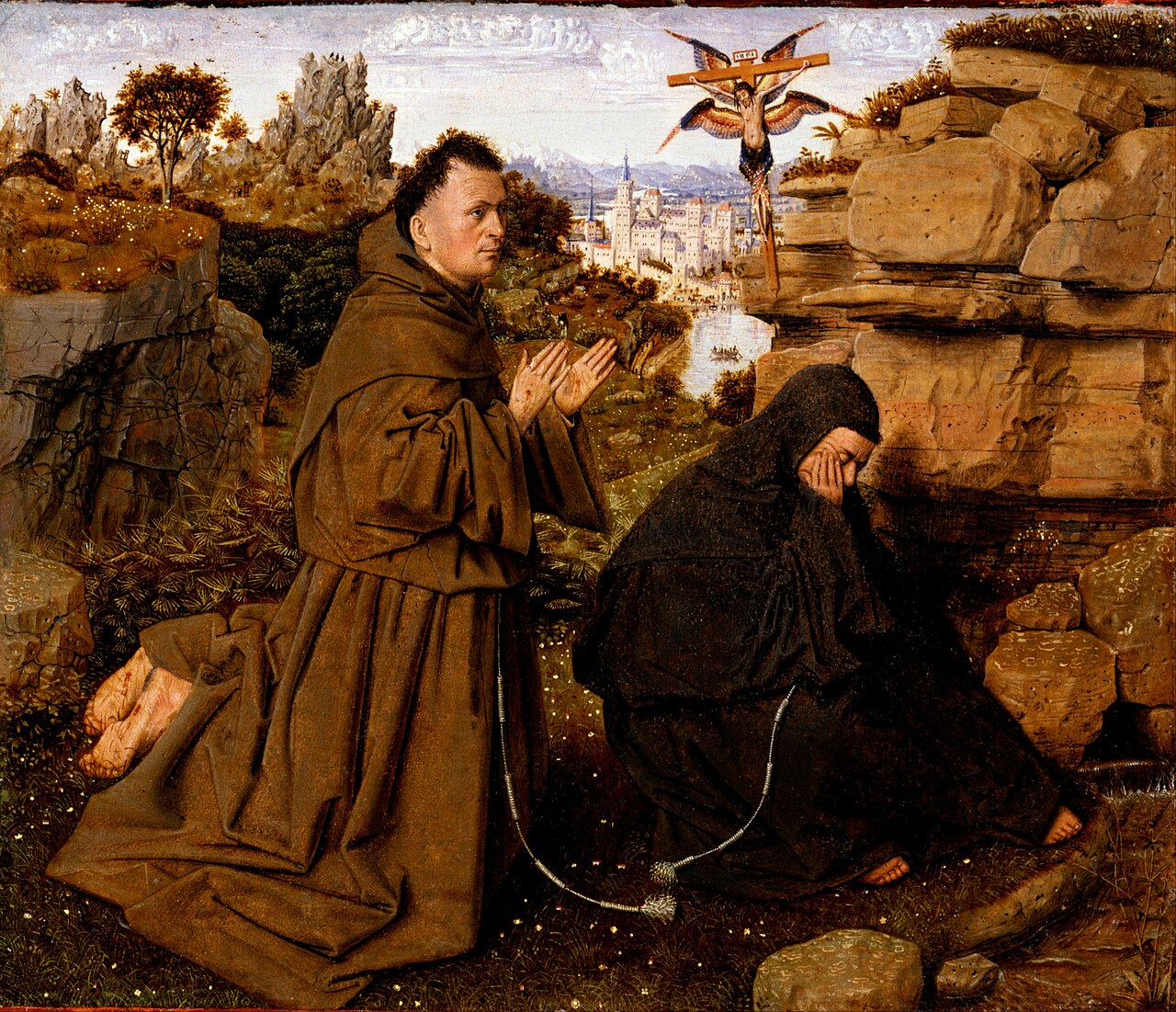
Saint Francis Receiving the Stigmata
Jan van Eyck · c. 1430
Two nearly identical small panels showing Saint Francis receiving the stigmata, usually attributed to Jan van Eyck.
Attributed to van Eyck, these panels show his detailed landscape style and possible connection to patrons' pilgrimages.
About this source
What it is
These two small panels, one in Turin and one in the Philadelphia Museum of Art, show Saint Francis of Assisi kneeling before a rocky landscape as he receives Christ's wounds. They are unsigned but usually attributed to Jan van Eyck, painted around 1428–1432, and technical study has linked the wood panels and underdrawings to his workshop.
Why it matters
The paintings may have been commissioned by the Adornes family of Bruges to commemorate a pilgrimage to Jerusalem, and were later copied by Italian artists including Botticelli and Bellini. They show how van Eyck's detailed landscapes and rock formations influenced painters far beyond the Netherlands.
Look closer
- What details in the rocks and landscape make the scene feel real?
- Why might a small, portable painting like this have been made for a pilgrim to carry?
- What does the long debate over who painted it tell us about how art historians work?
This painting is part of the curated material that grounds the AI version of Jan van Eyck on Humy.ai — when students ask about related events, the AI can quote it and cite it.
More Jan van Eyck sources
Browse all 82 →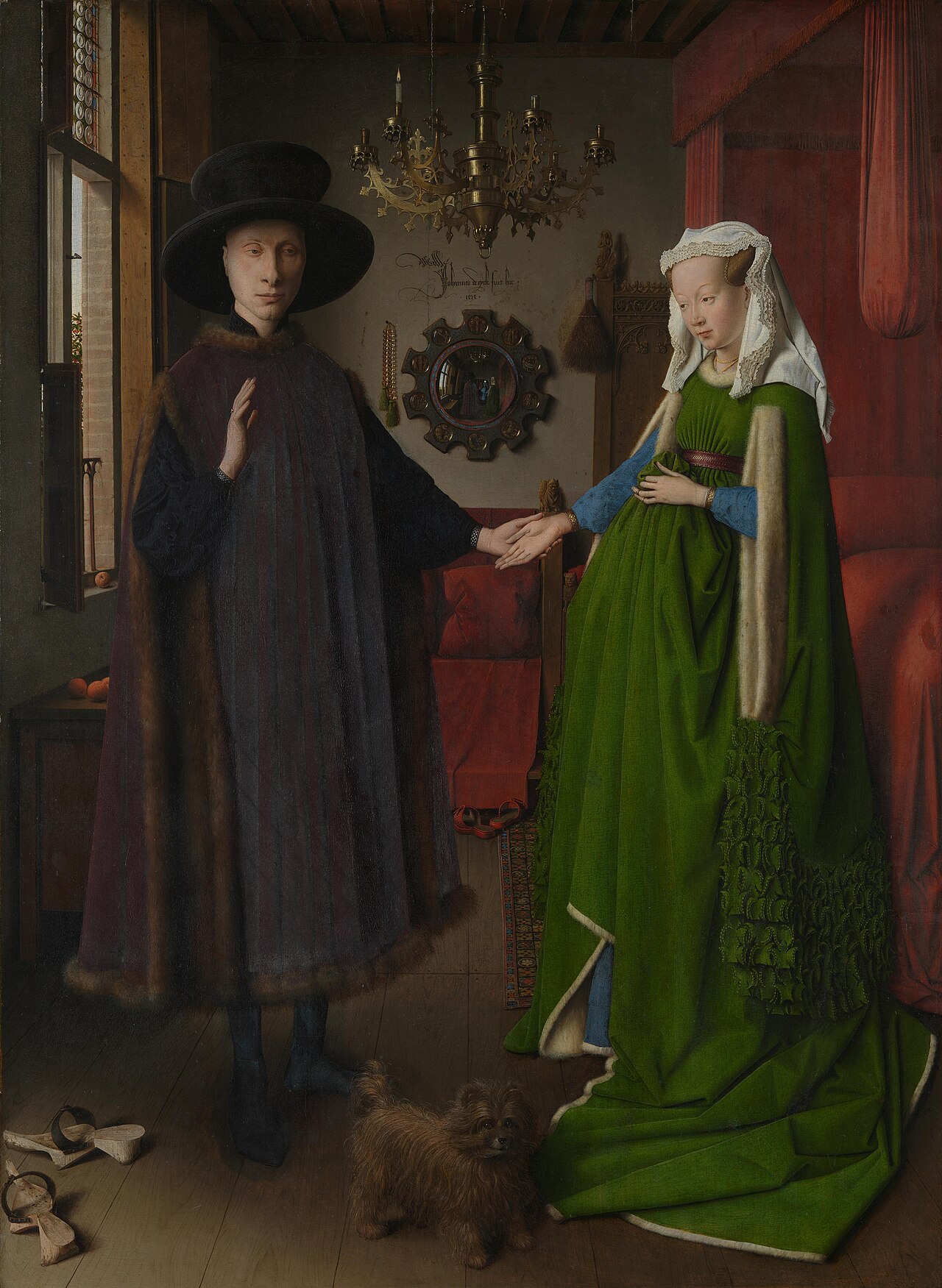 Painting
Primary source
Arnolfini Portrait
Jan van Eyck · 1434
 Painting
Secondary source
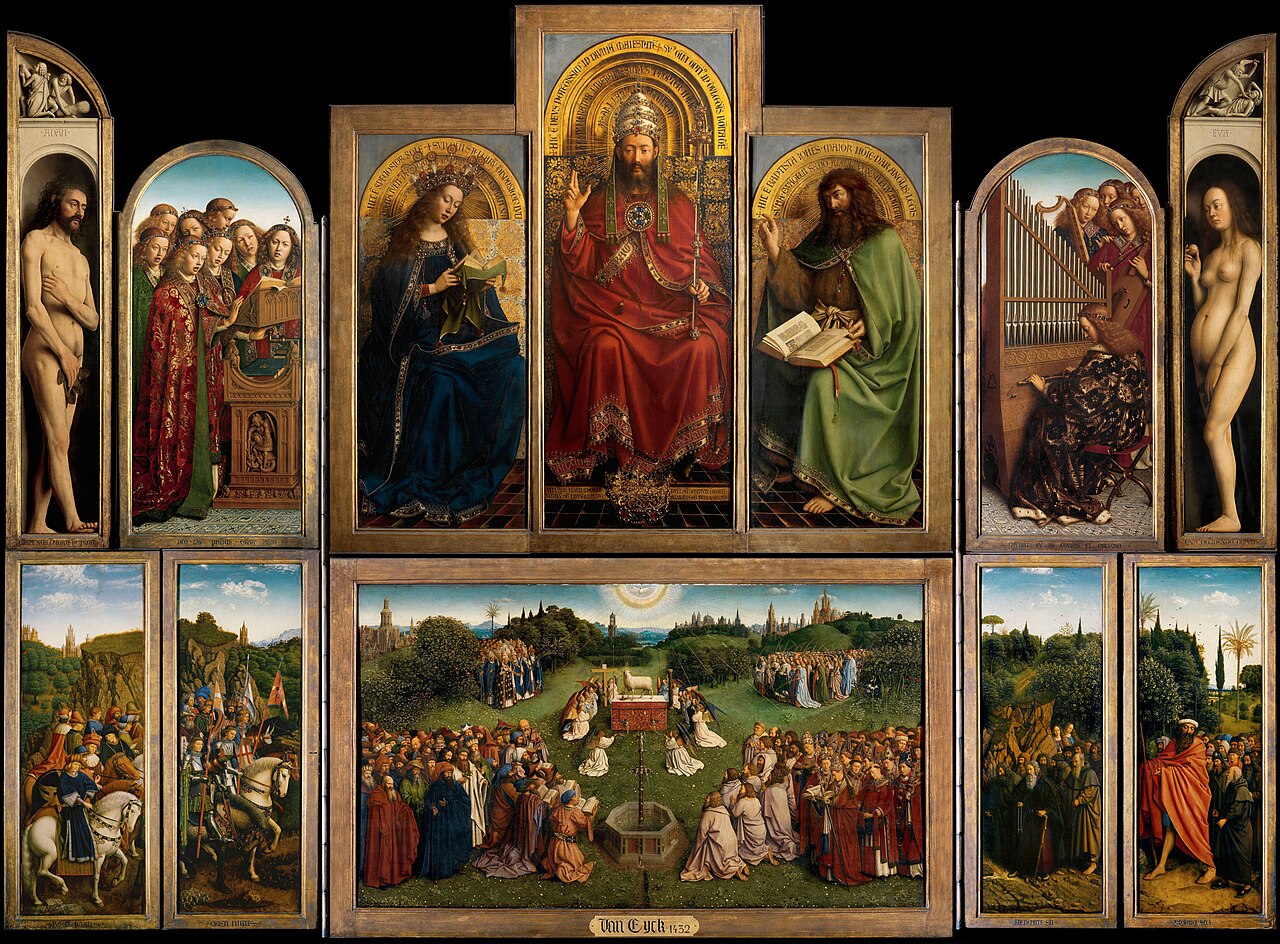
Ghent Altarpiece
Jan van Eyck and Hubert van Eyck · 1432
 Painting
Primary source
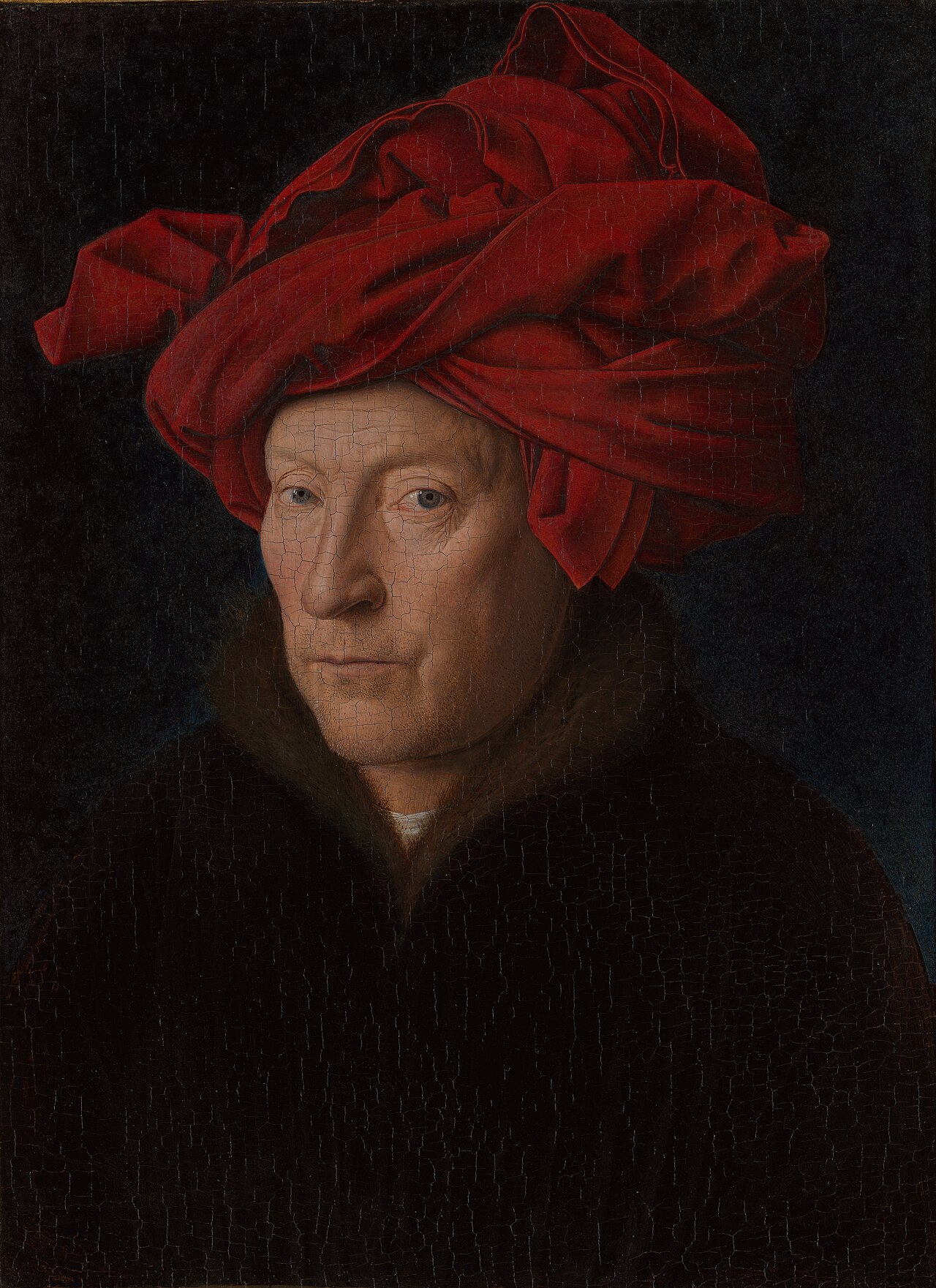
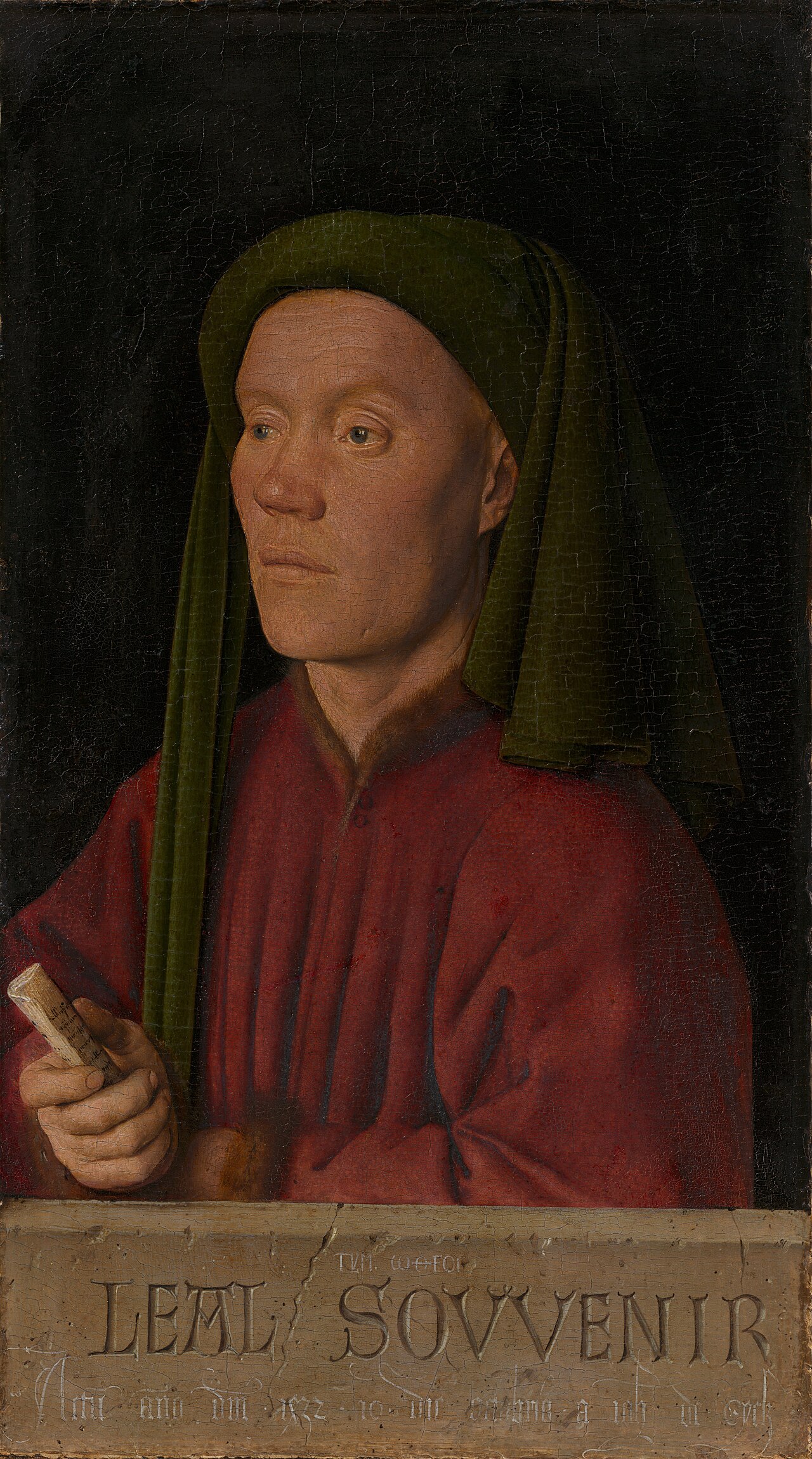
Portrait of a Man (Self Portrait?)
Jan van Eyck · 1433
 Painting
Secondary source
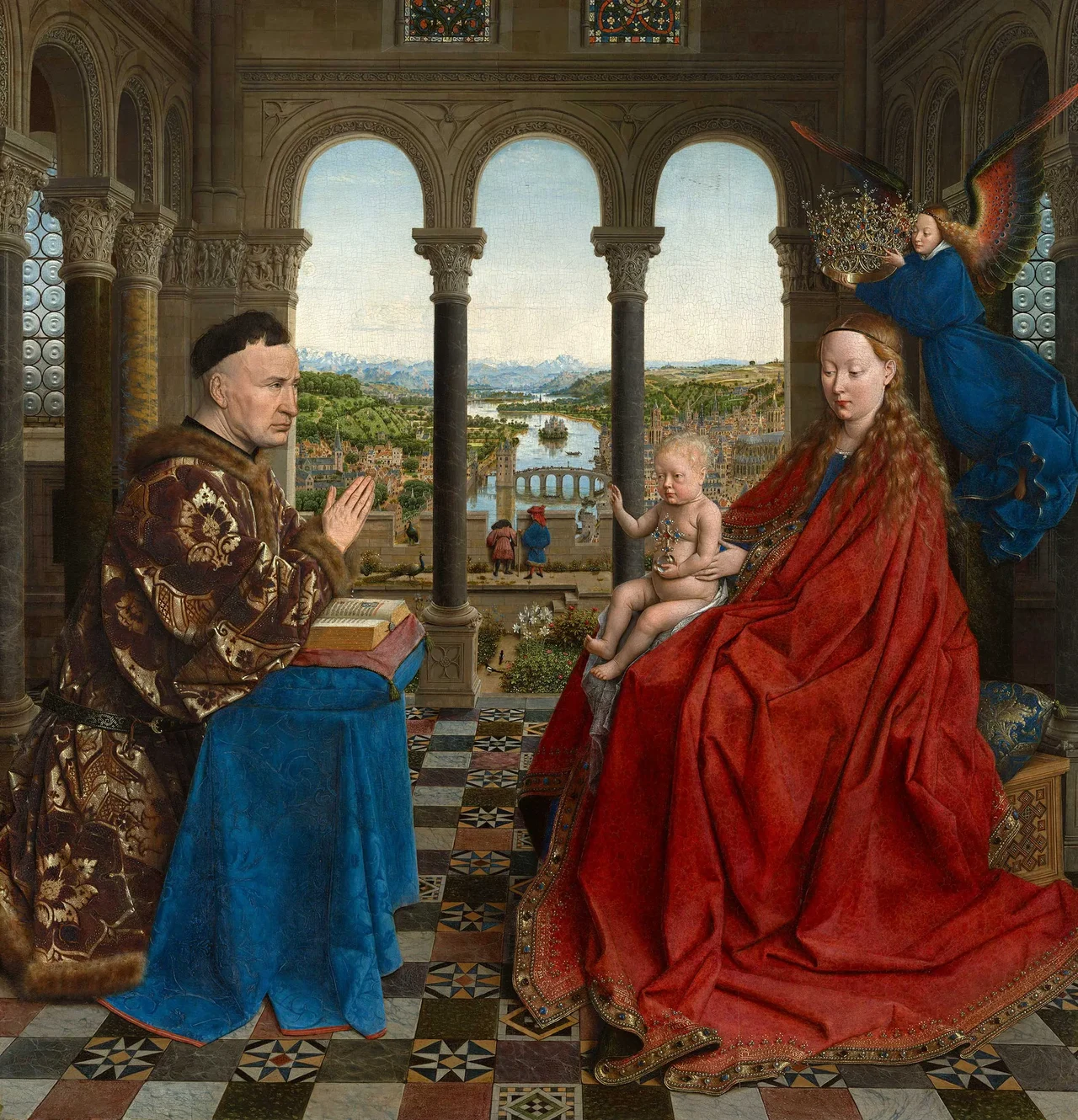
Madonna of Chancellor Rolin
Jan van Eyck · c. 1435
Free account
Read every Jan van Eyck source
Sign up free →
Ready when you are
Start chatting with Jan van Eyck now.
20 messages free · No credit card · Available in 50+ languages.