


Primary sourcePaintingc. 1605-1607
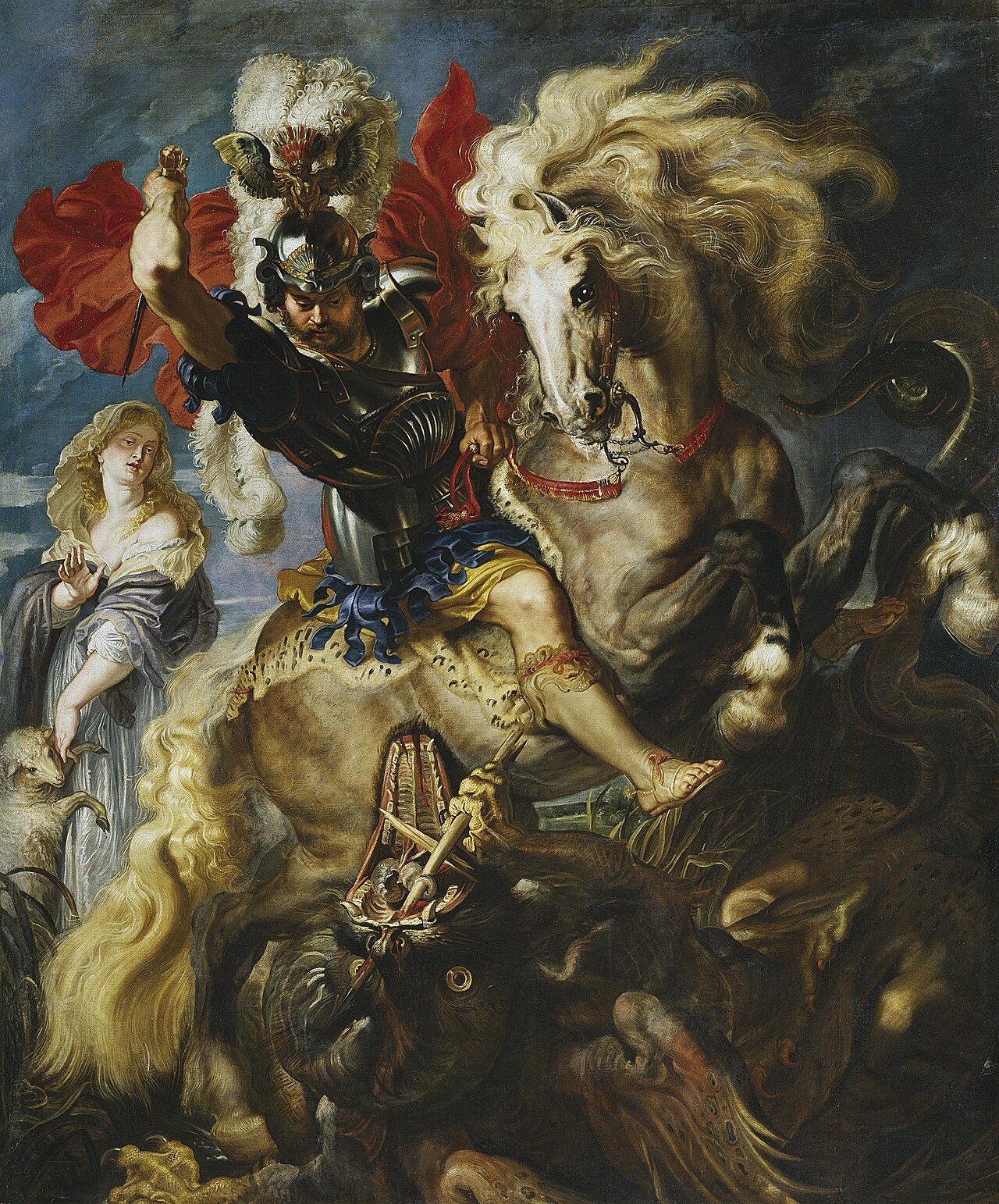
Saint George and the Dragon
Peter Paul Rubens · c. 1605-1607
A painting by Peter Paul Rubens acquired by Philip IV after the artist's death, part of his huge collection of Flemish art now in the Prado.
Philip IV purchased this Rubens painting, reflecting his huge art-buying that built the royal collection now in the Prado.
About this source
What it is
This painting by Peter Paul Rubens, made around 1606 while the artist was training in Italy, shows Saint George striking down a dragon to save a princess. King Philip IV acquired it from Rubens's estate sale after the painter's death in 1640. It is now in the Museo del Prado in Madrid.
Why it matters
The painting is part of Philip IV's massive purchases of Flemish art, which formed the core of what became the Prado Museum. It shows how deeply the king valued collecting great art, even works made decades earlier by artists he never met. The scene itself was understood as a religious allegory: the princess represents the church, the lamb represents innocence, and Saint George's triumph over the serpent-like dragon represents good defeating evil.
Why it matters
Look closer
- What details in the painting (the dragon's shape, the lamb, the stormy sky) carry symbolic meaning?
- Why might a king want to own paintings with religious messages like this one?
- What does this purchase tell you about Philip IV's interests beyond ruling?
This painting is part of the curated material that grounds the AI version of Philip IV of Spain on Humy.ai — when students ask about related events, the AI can quote it and cite it.
More Philip IV of Spain sources
Browse all 98 →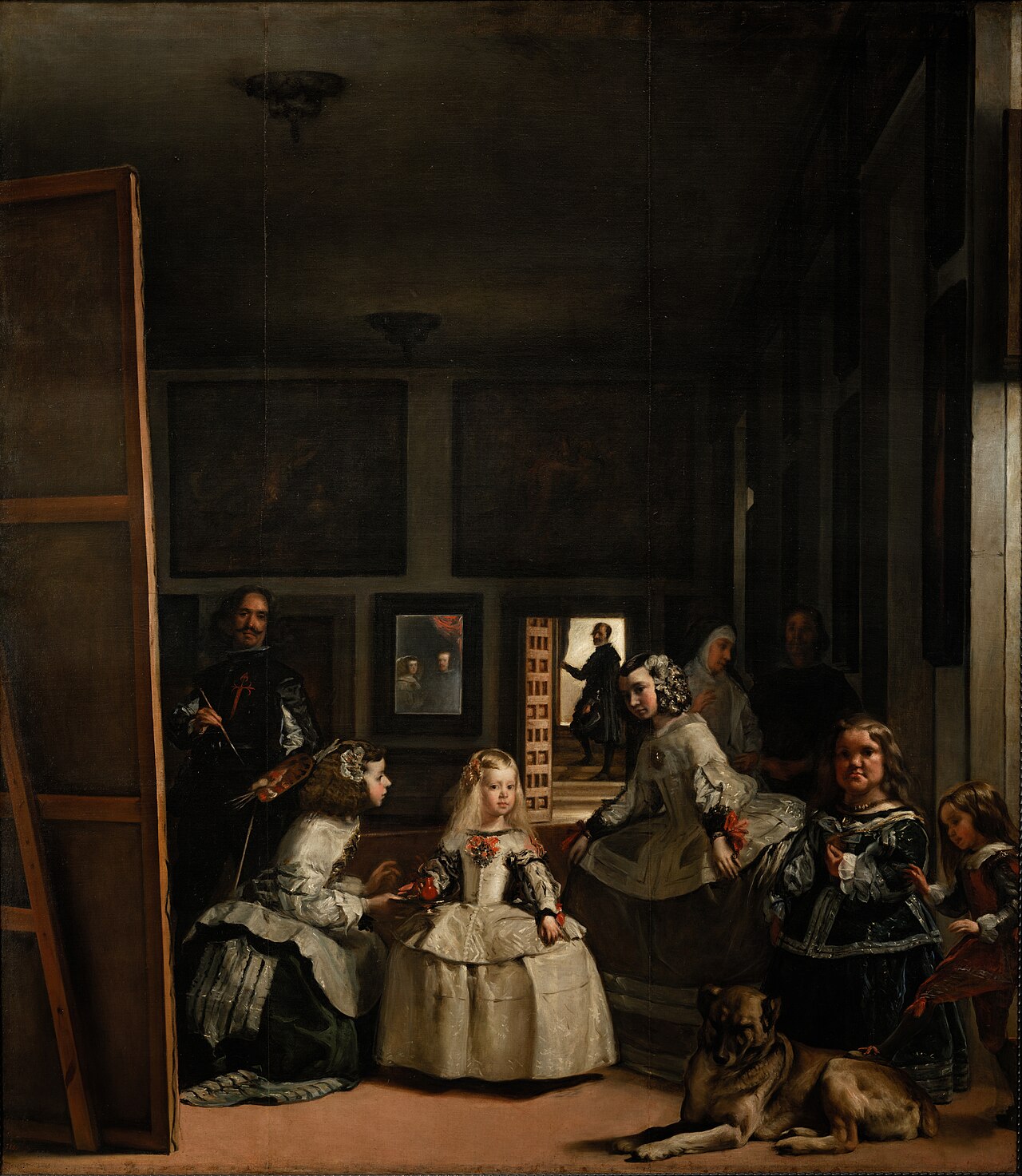 Painting
Primary source
Las Meninas
Diego Velázquez · 1656
 Painting
Primary source
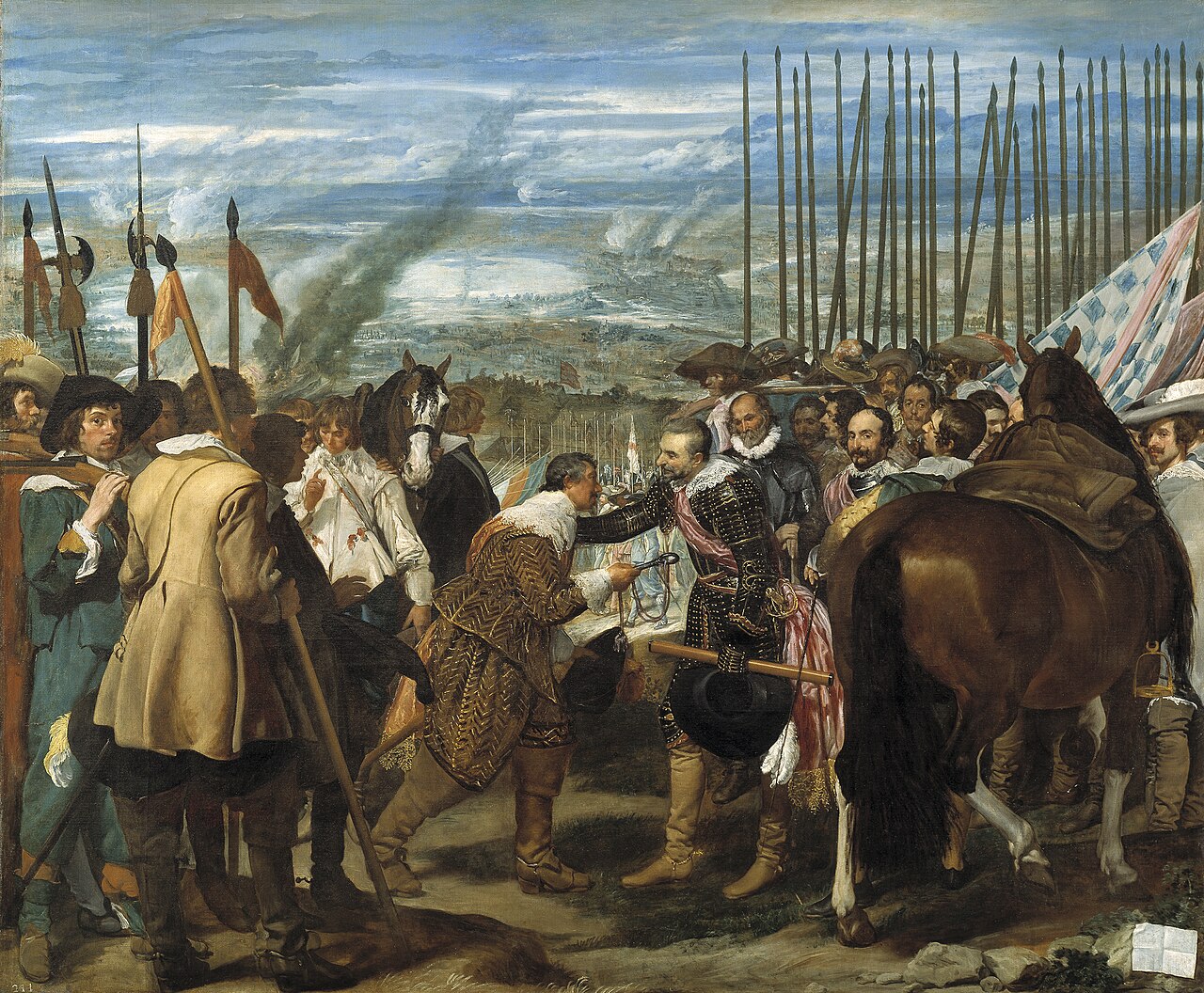
The Surrender of Breda
Diego Velázquez · 1634–1635
 Painting
Primary source
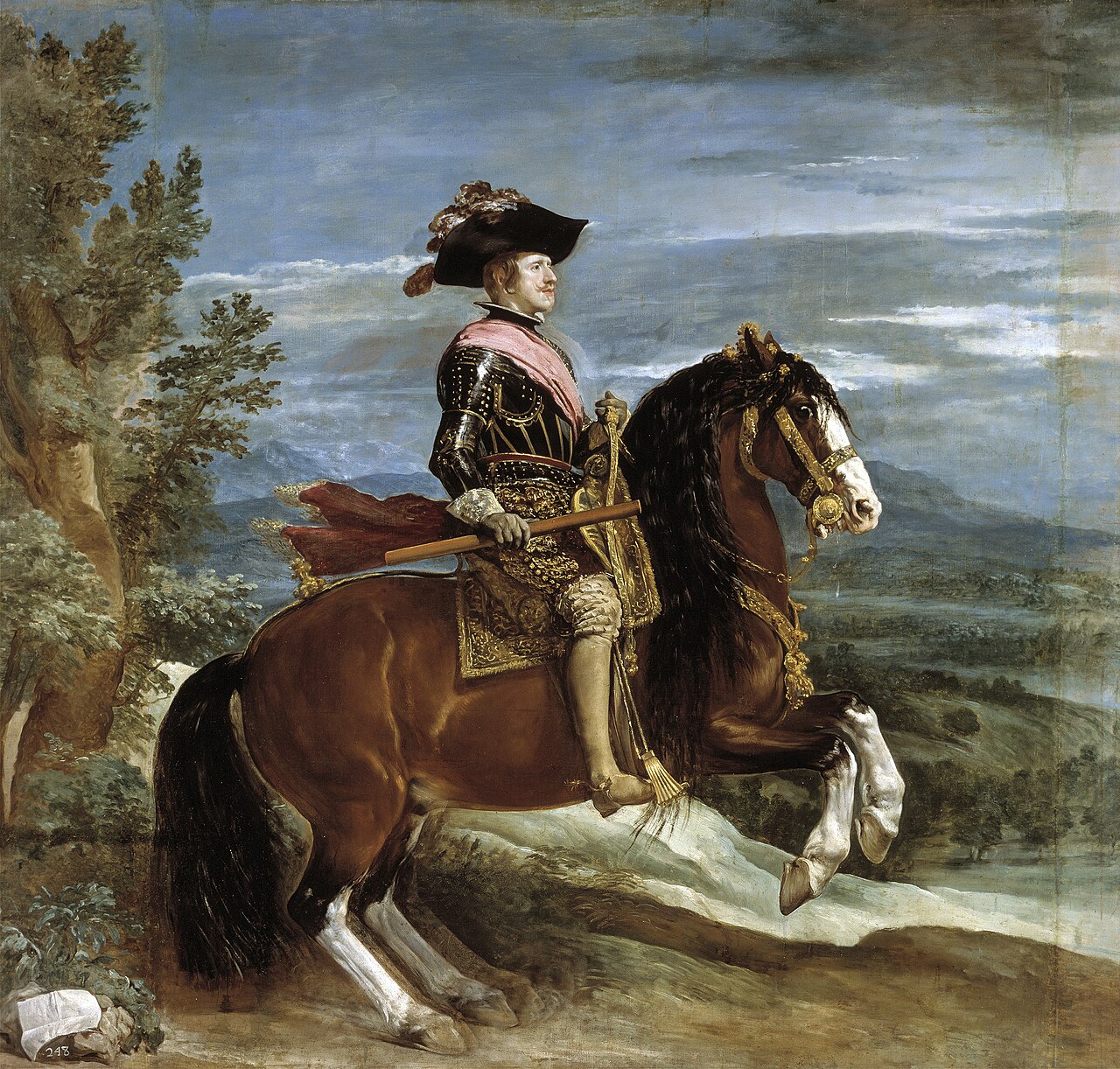
Equestrian Portrait of Philip IV
Diego Velázquez · 1634-1636
 Painting
Primary source
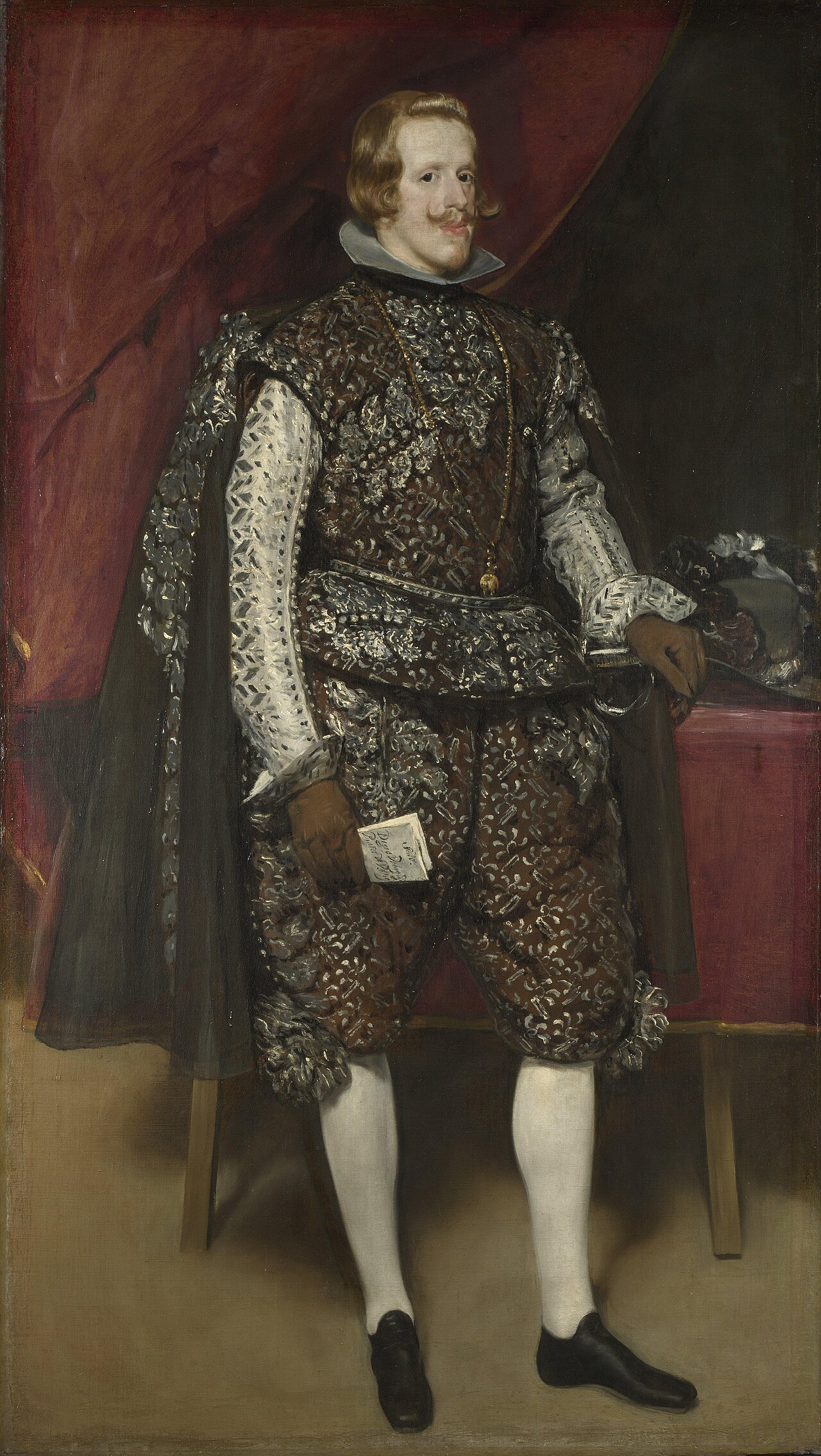
Philip IV in Brown and Silver
Diego Velázquez · c. 1631–1635
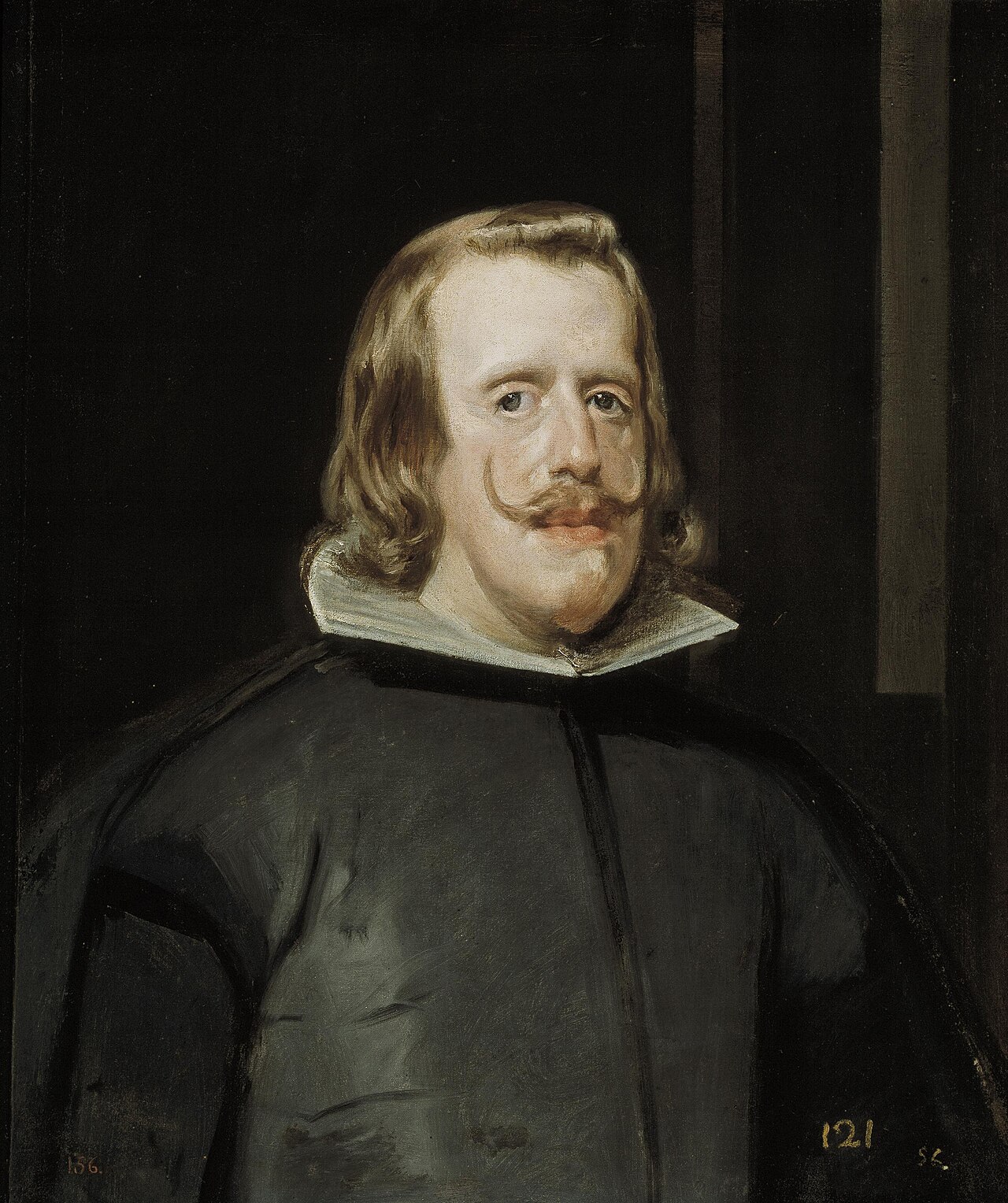
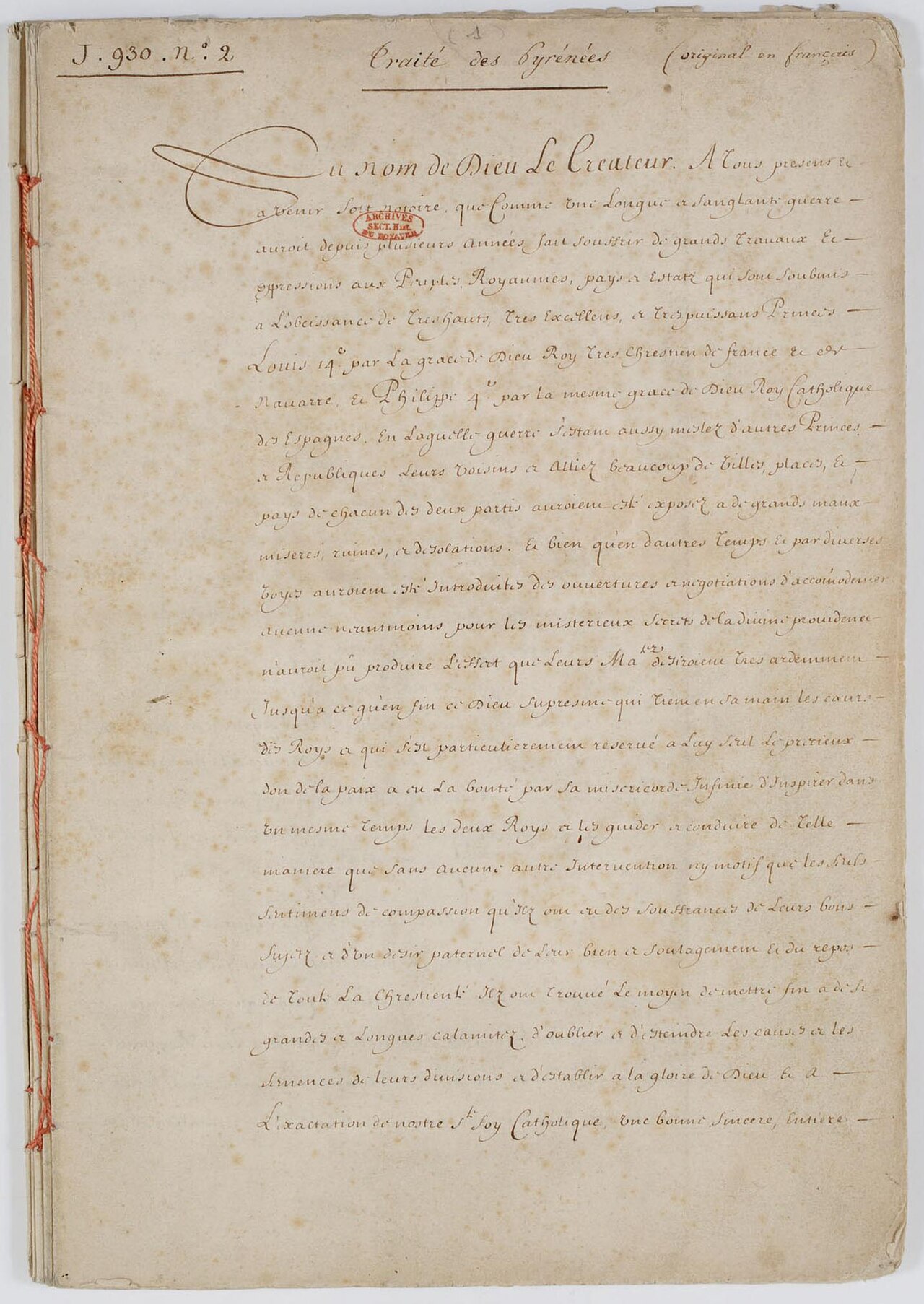
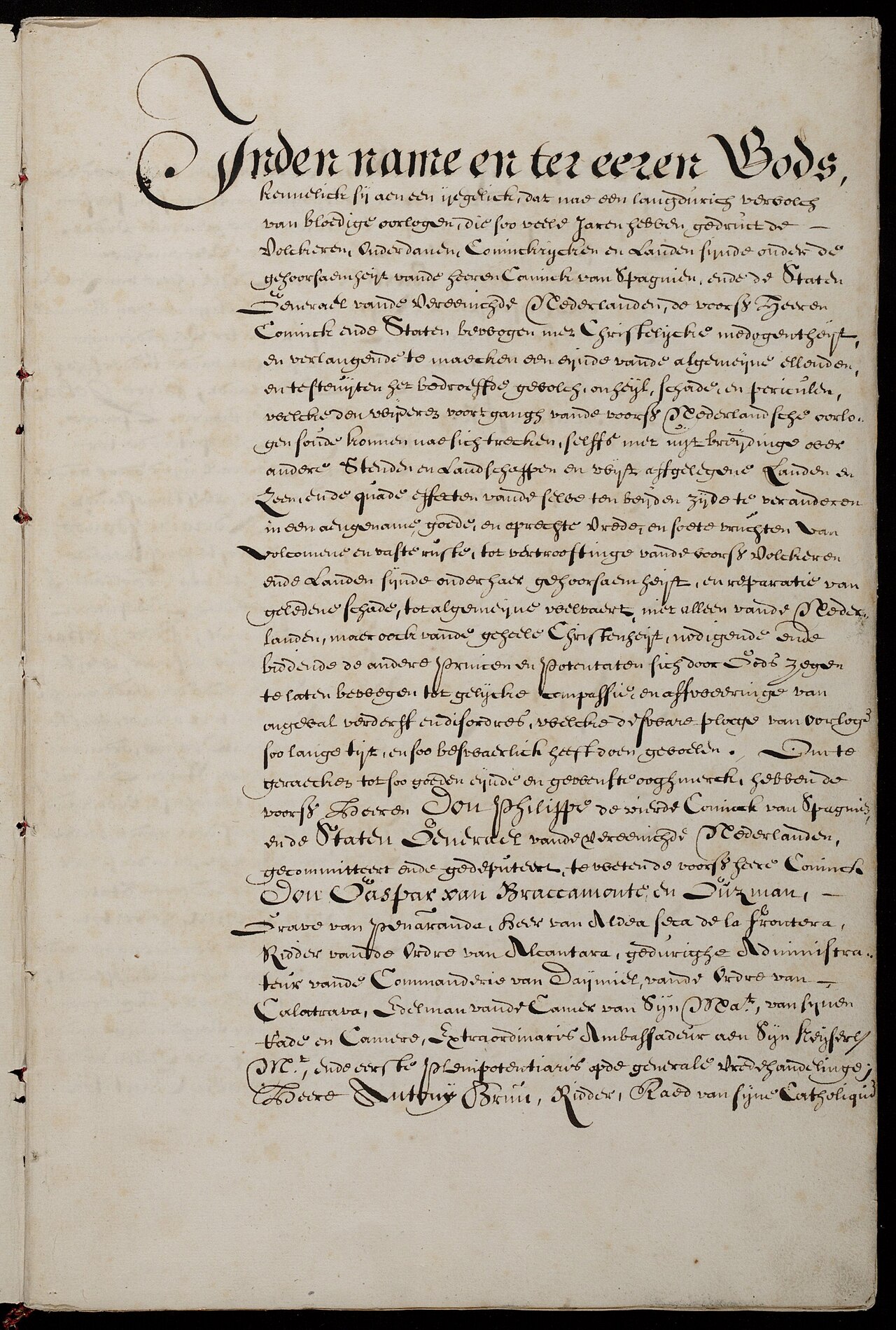
Free account
Read every Philip IV of Spain source
Sign up free →
Ready when you are
Start chatting with Philip IV of Spain now.
20 messages free · No credit card · Available in 50+ languages.