


Secondary sourcePaintingcirca 1590
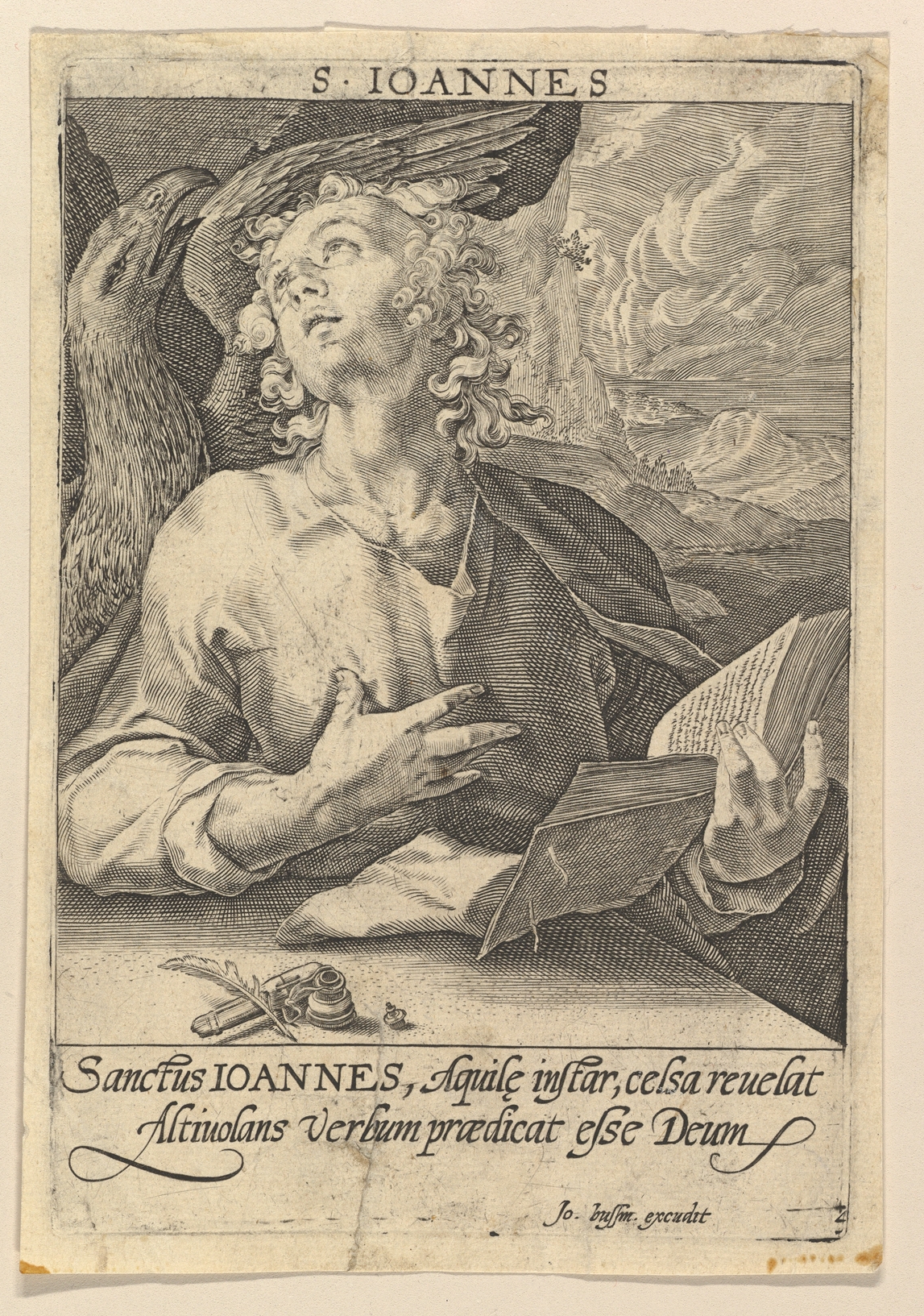
Saint John (Goltzius engraving from Christ and the Apostles)
Hendrik Goltzius, Johann Bussemacher, Conrad Goltzius and others · circa 1590
An engraved print of Saint John seated at a table, writing in a book, made around 1590 by Hendrik Goltzius, Johann Bussemacher and others. It belongs to a series showing the apostles.
Shows how late-16th-century printmakers pictured John the apostle, the figure this archive is about, with his traditional writing symbols.
About this source
What it is
This is an engraved print titled S. IOANNES, part of a series showing Saint John among the apostles. Its creators are listed as Hendrik Goltzius, Johann Bussemacher, Conrad Goltzius and others, and it is dated to around 1590. It shows John looking upward, with curly hair and an eagle at his left. He sits at a table with an open book, a quill, an inkwell and a pen case, and a landscape with clouds appears behind him. A Latin caption is printed below.
Why it matters
The print was made long after John's lifetime, so it shows how artists in the late 1500s imagined him, not how he looked. John is traditionally identified with John the Evangelist, the author of a Gospel, and with John of Patmos. The eagle and writing tools are the kind of symbols artists used to mark him as a writer. Prints like this were made and sold in workshops, so they also show how religious images circulated among ordinary buyers.
Look closer
- Which objects around John suggest that he is a writer, and why might the artist include them?
- The print was made centuries after John lived. How does that gap affect how much we can trust it as evidence of his appearance?
- Who would have bought prints like this, and what does the image leave out?
This painting is part of the curated material that grounds the AI version of John the Apostle on Humy.ai — when students ask about related events, the AI can quote it and cite it.
More John the Apostle sources
Browse all 87 →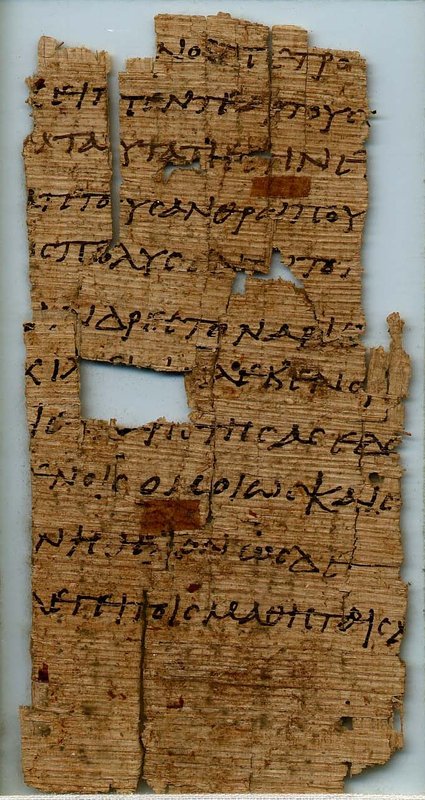 Book
Secondary source
Gospel of John
John the Evangelist · c. AD 90-100
 Book
Primary source
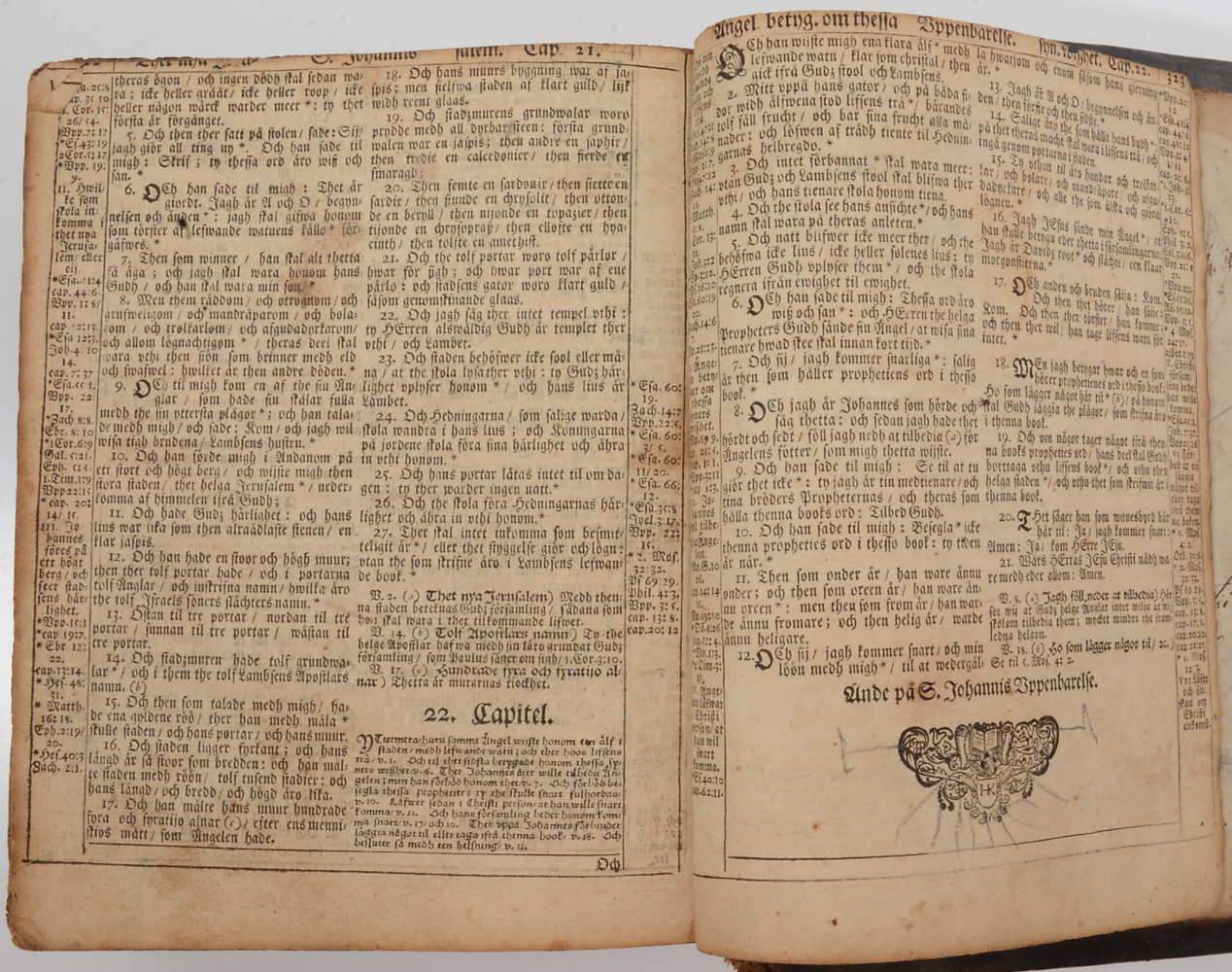
Book of Revelation
John of Patmos · c. 95 AD
 Letter
Secondary source
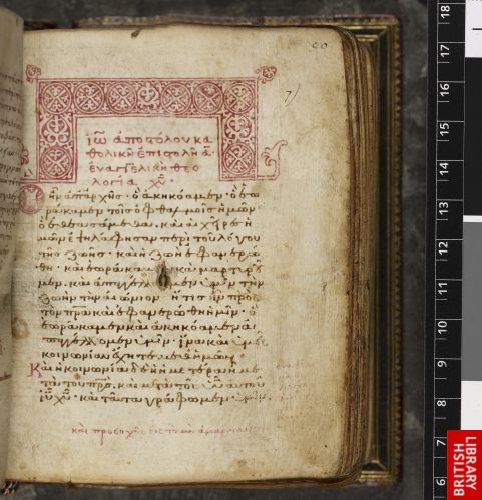
First Epistle of John
John the Presbyter · c. 95-110 AD
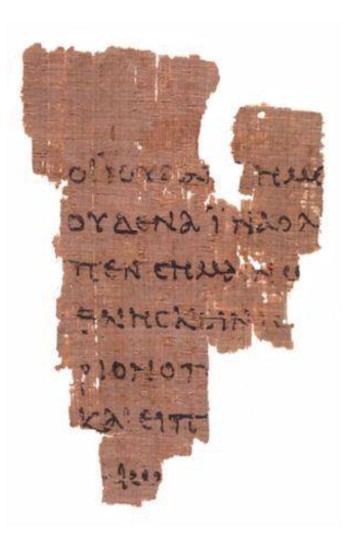 Document
Secondary source
Rylands Library Papyrus P52
c. 125-175 AD
Free account
Read every John the Apostle source
Sign up free →
Ready when you are
Start chatting with John the Apostle now.
20 messages free · No credit card · Available in 50+ languages.