


Secondary sourcePaintingc. 1625-1630
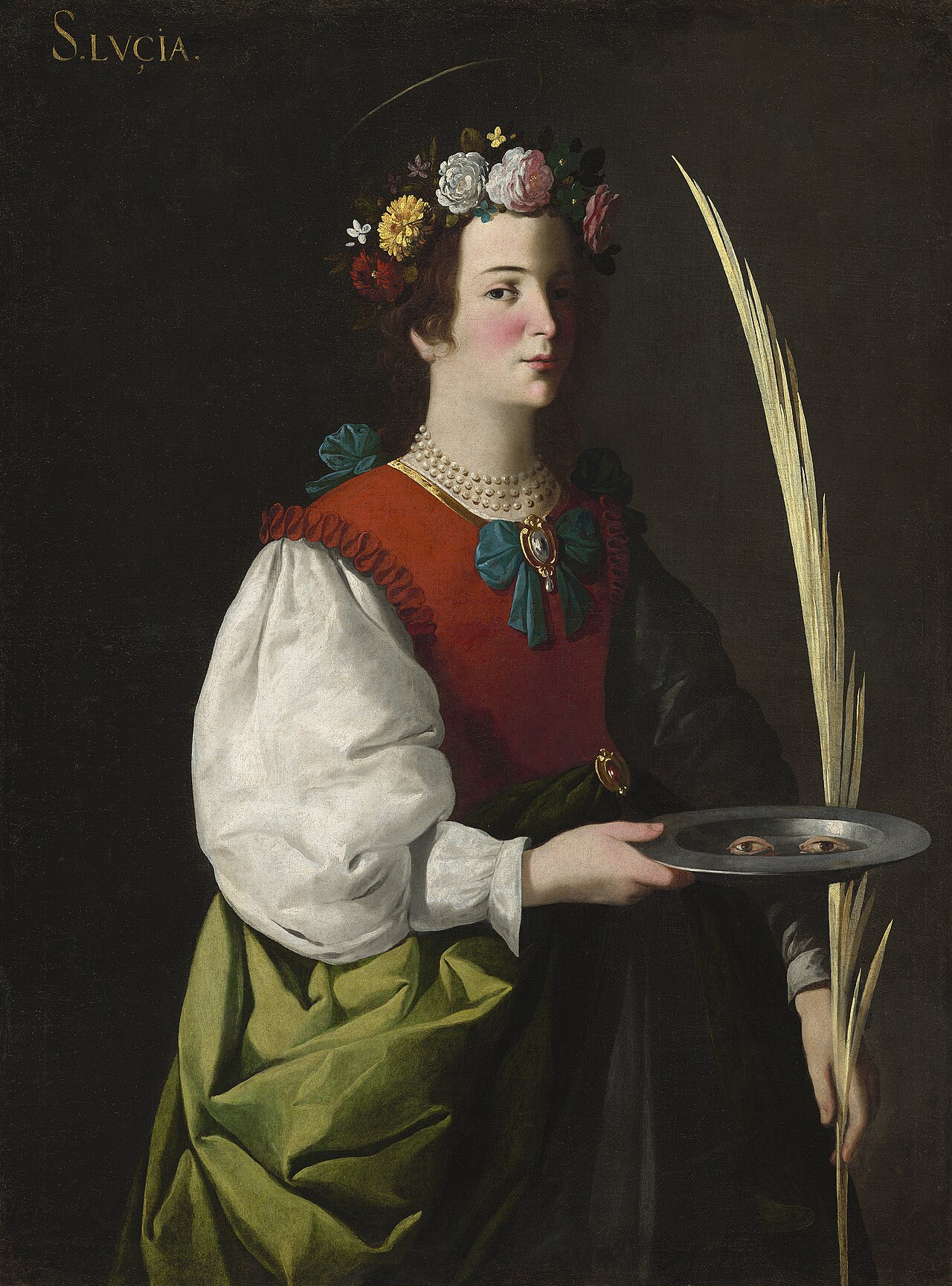
Saint Lucy
Francisco de Zurbarán · c. 1625-1630
A Spanish Baroque painting by Zurbarán showing Saint Lucy richly dressed and holding her eyes on a dish, a symbol of her martyrdom.
This painting depicts Saint Lucy herself, showing how later Spanish devotion imagined her appearance.
About this source
What it is
This is a devotional painting by the Spanish artist Francisco de Zurbarán, made around 1625-1630. It shows Saint Lucy dressed as a Spanish noblewoman, holding a silver tray bearing two eyes and a palm frond, with the inscription S. LVCIA. It is held by the National Gallery of Art.
Why it matters
Lucy was a young woman from Italy who became one of the most popular saints of the Counter-Reformation. Zurbarán painted her in the fashionable dress of his own time, turning an ancient martyr into a figure Spanish viewers could relate to. The eyes on the dish refer to the legend of her martyrdom and became her lasting symbol, especially as patron of sight.
Look closer
- Why might the artist have dressed Lucy in contemporary clothing rather than ancient dress?
- What do the eyes on the tray tell a viewer who already knows her story, compared to one who does not?
- What does this image leave out about the violence of her legend?
This painting is part of the curated material that grounds the AI version of Saint Lucy on Humy.ai — when students ask about related events, the AI can quote it and cite it.
More Saint Lucy sources
Browse all 93 →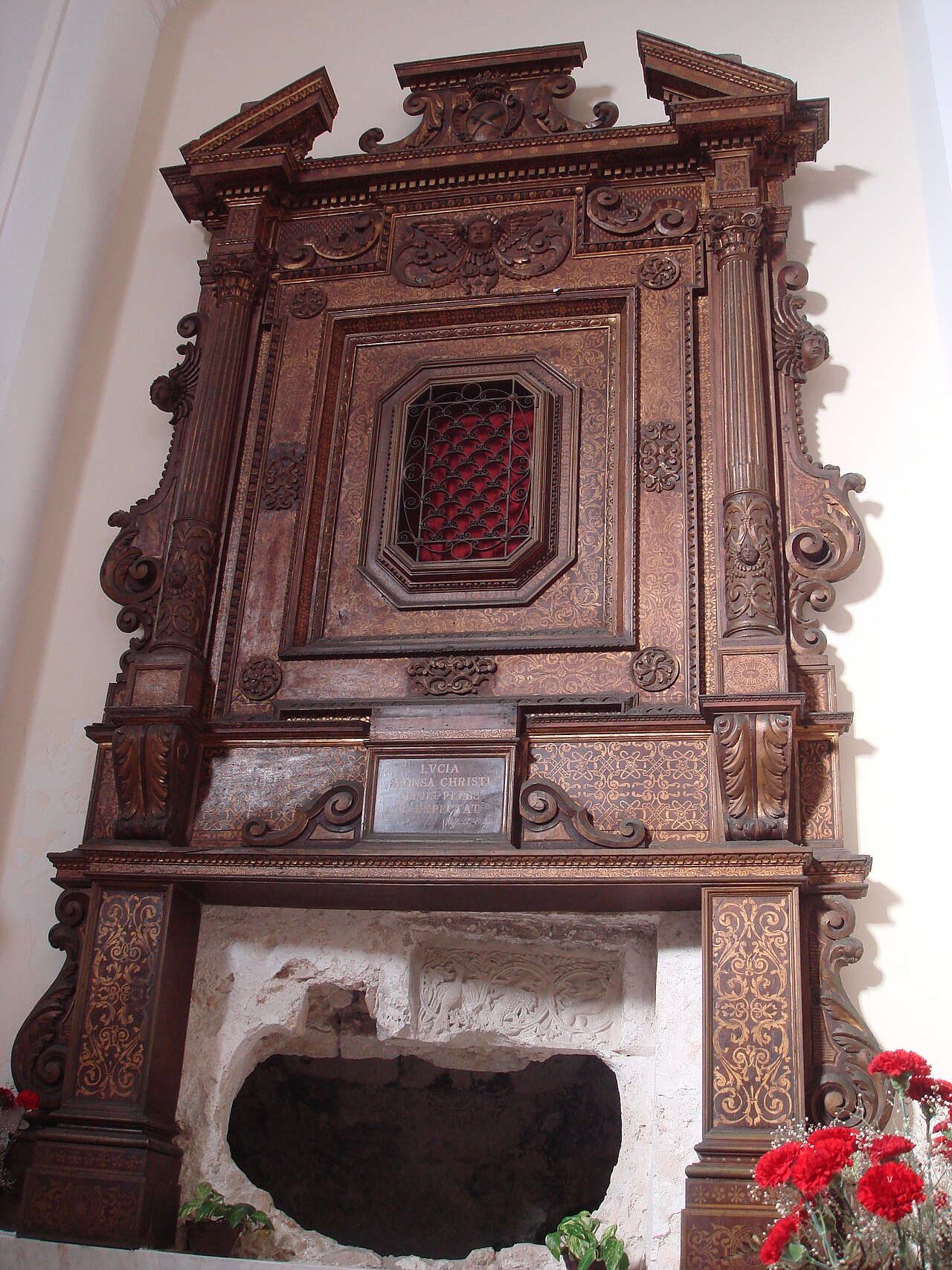 Artifact
Secondary source
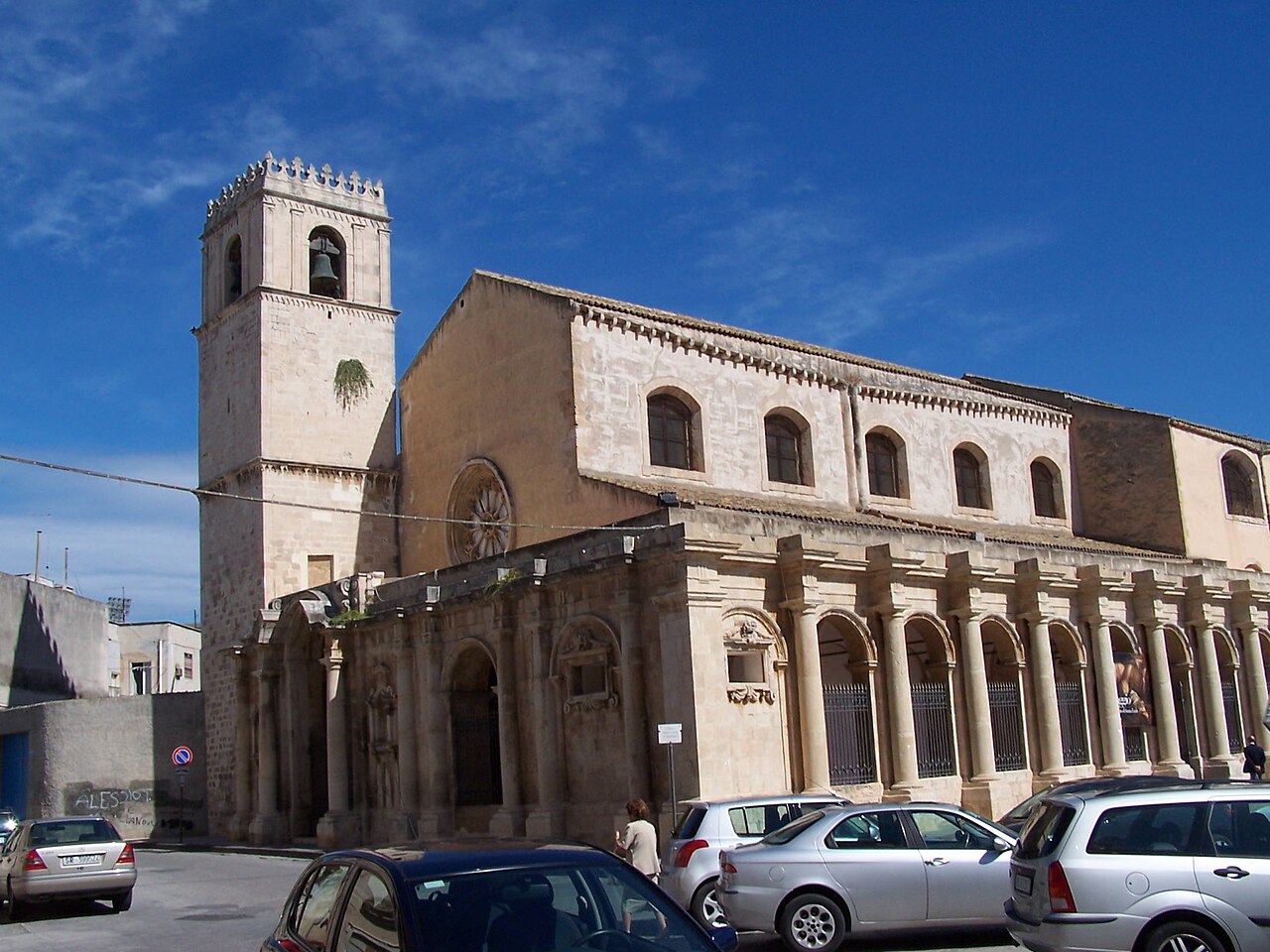
First Grave of Santa Lucia
 Artifact
Secondary source
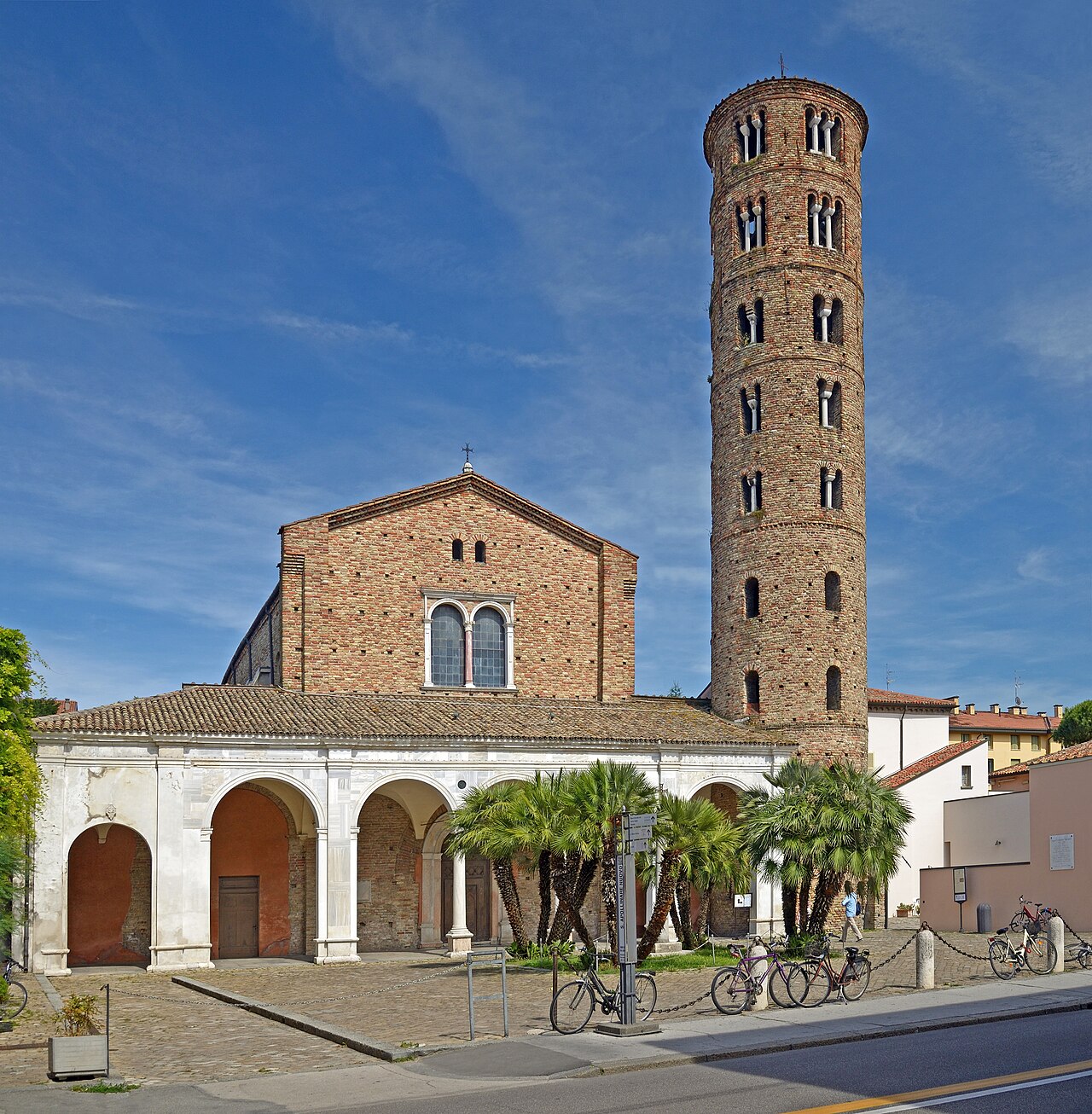
Basilica of Sant'Apollinare Nuovo
505
 Book
Secondary source
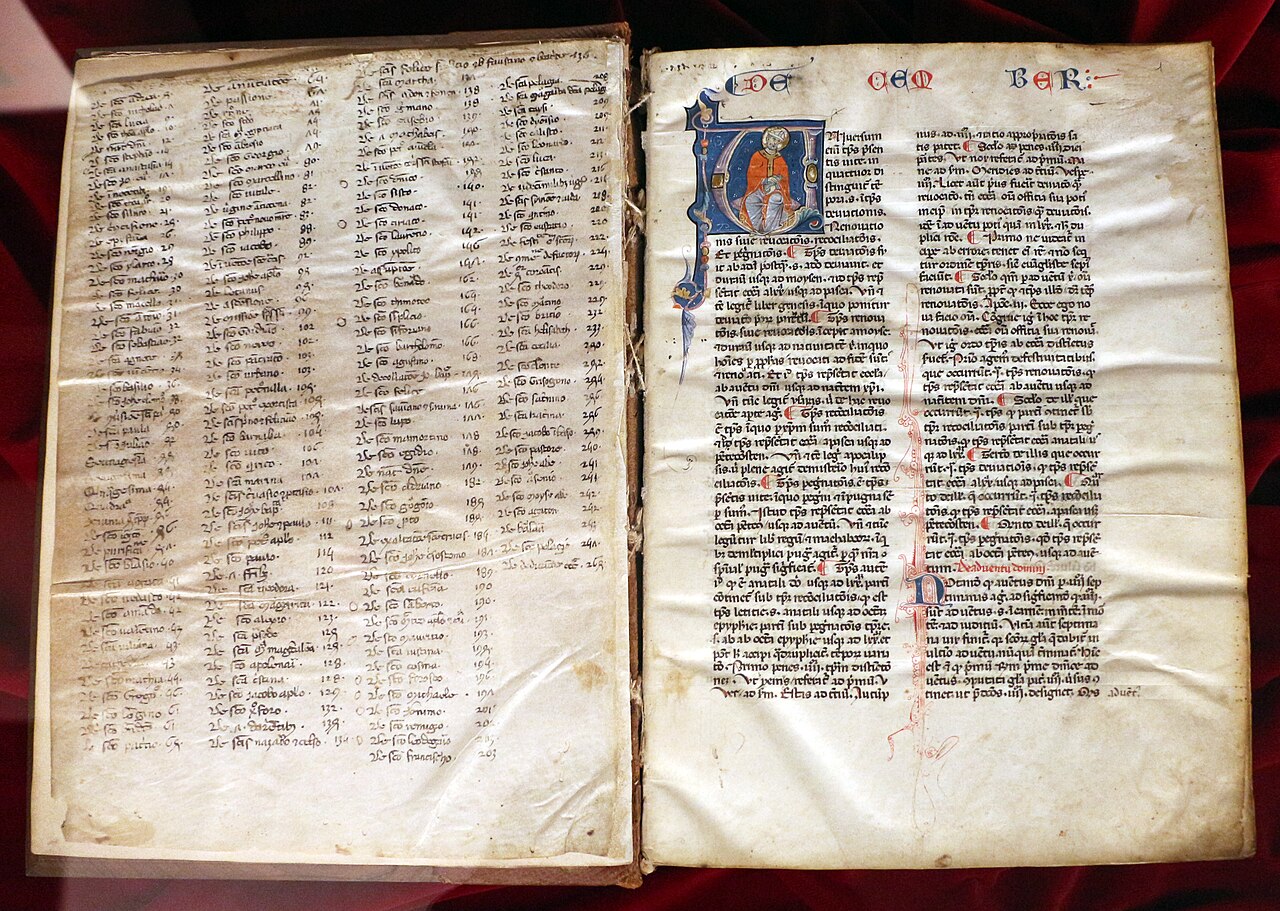
Golden Legend
Jacobus de Voragine · c. 1259–1266
 Painting
Primary source
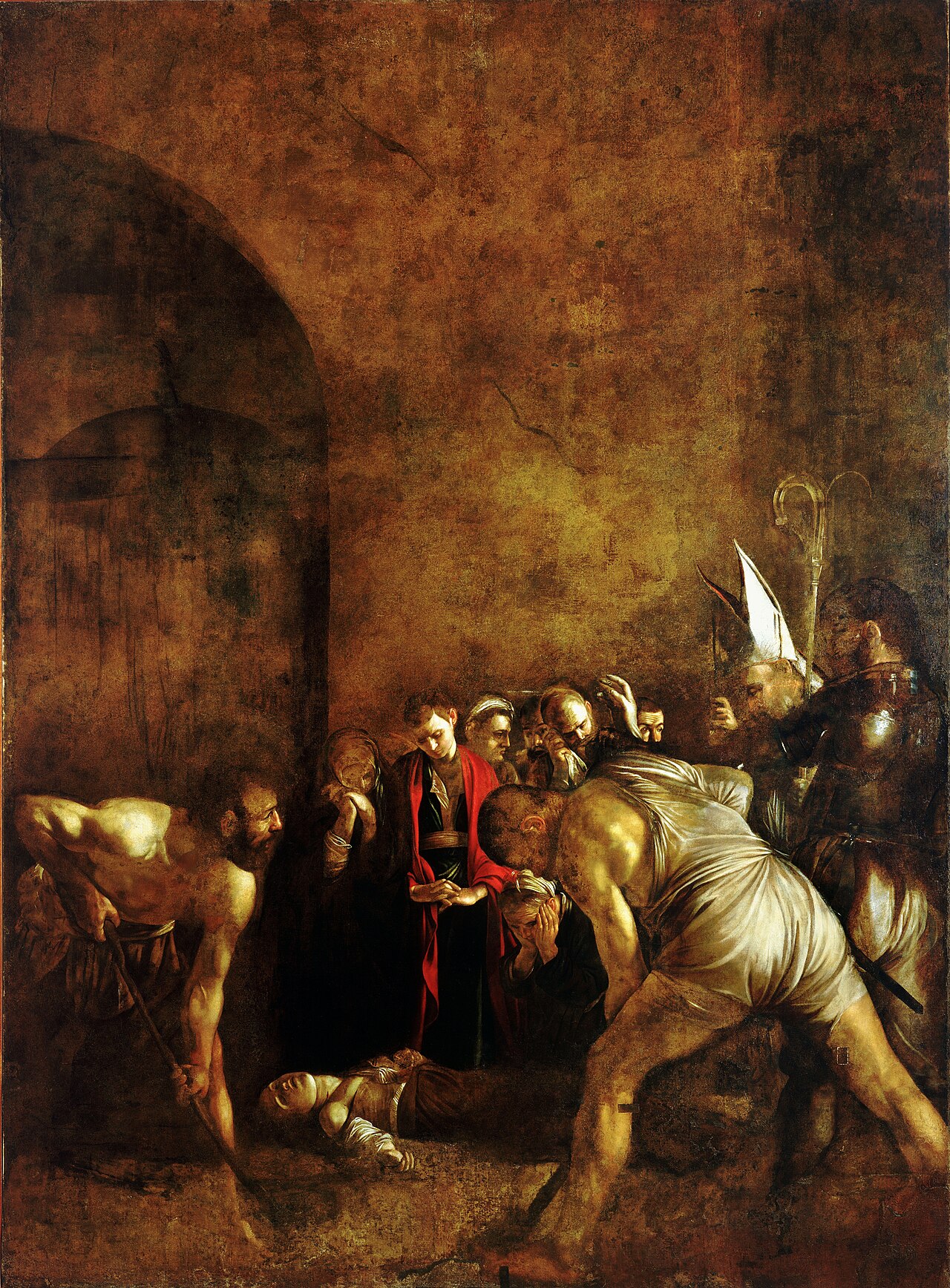
The Burial of Saint Lucy
Caravaggio · 1608
Free account
Read every Saint Lucy source
Sign up free →
Ready when you are
Start chatting with Saint Lucy now.
20 messages free · No credit card · Available in 50+ languages.