


Secondary sourcePainting19th century
Saint Lucy by Angelo da Silva Romão
Angelo da Silva Romão · 19th century
A 19th-century devotional painting of Saint Lucy, holding a dish of eyes and a palm frond, labelled 'S. LUZIA'.
This devotional painting labelled 'S. LUZIA' shows how Lucy was honoured in later Portuguese Catholic tradition.

About this source
What it is
This painting, made in the 19th century by Angelo da Silva Romão, shows a woman with red hair under a brown headscarf and white veil, with a golden halo. She wears a brown dress with a red cloak, holds a palm frond, and carries a blue dish with a pair of eyes. A plaque at the bottom reads 'S. LUZIA' (Saint Lucy in Portuguese).
Why it matters
This later devotional image shows how Lucy continued to be honoured in Portuguese-speaking Catholic communities, well over a thousand years after her death. The dish of eyes is a recurring symbol in art connected to her story, and the painting reflects local devotional traditions and the ongoing popularity of her legend.
Look closer
- Why is the label 'S. LUZIA' included at the bottom of the painting?
- What might the choice of colours and the palm frond tell us about Christian symbolism?
- How does this image compare with other paintings of Lucy from different centuries?
This painting is part of the curated material that grounds the AI version of Saint Lucy on Humy.ai — when students ask about related events, the AI can quote it and cite it.
More Saint Lucy sources
Browse all 93 →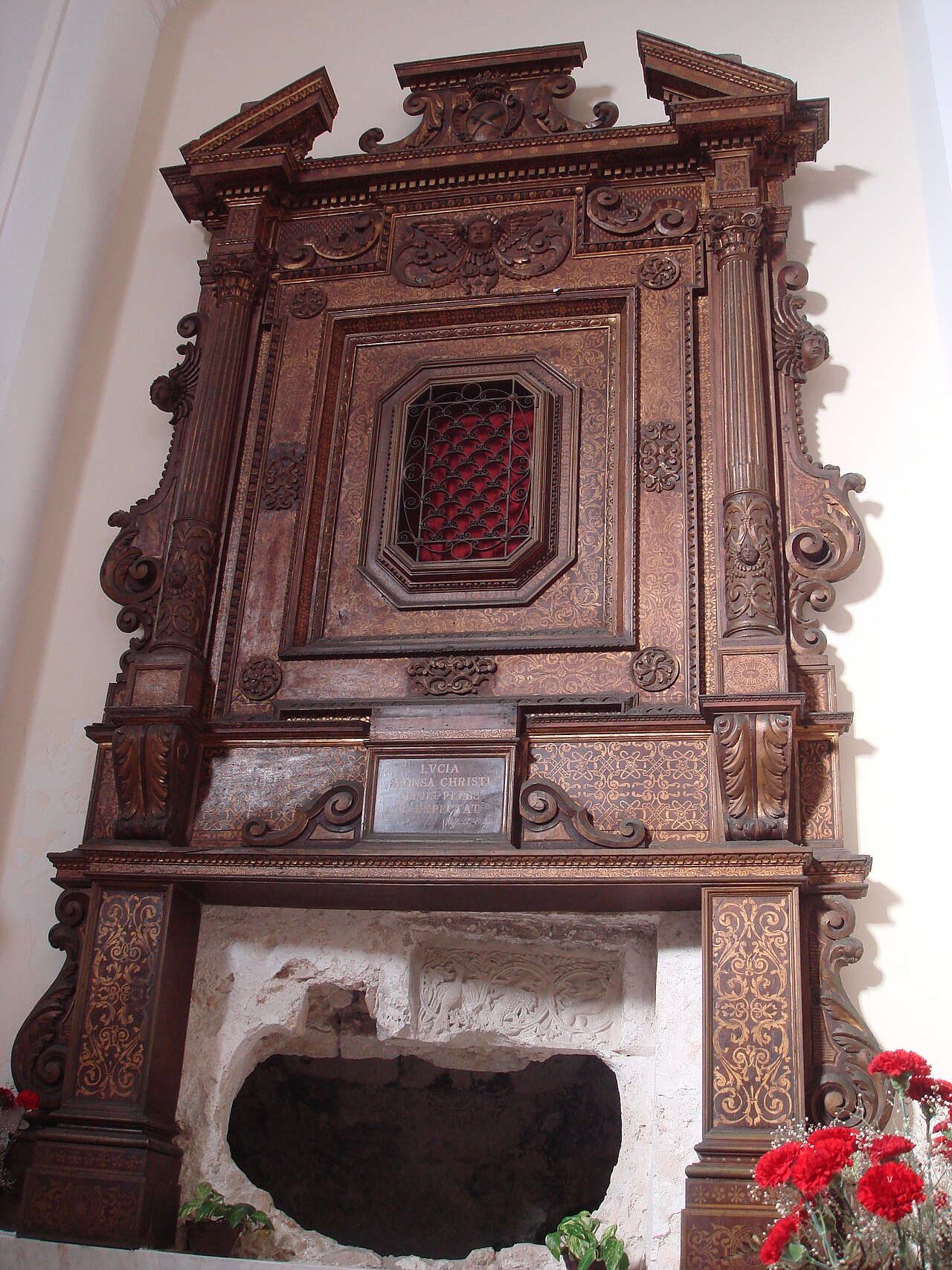 Artifact
Secondary source
First Grave of Santa Lucia
 Artifact
Secondary source
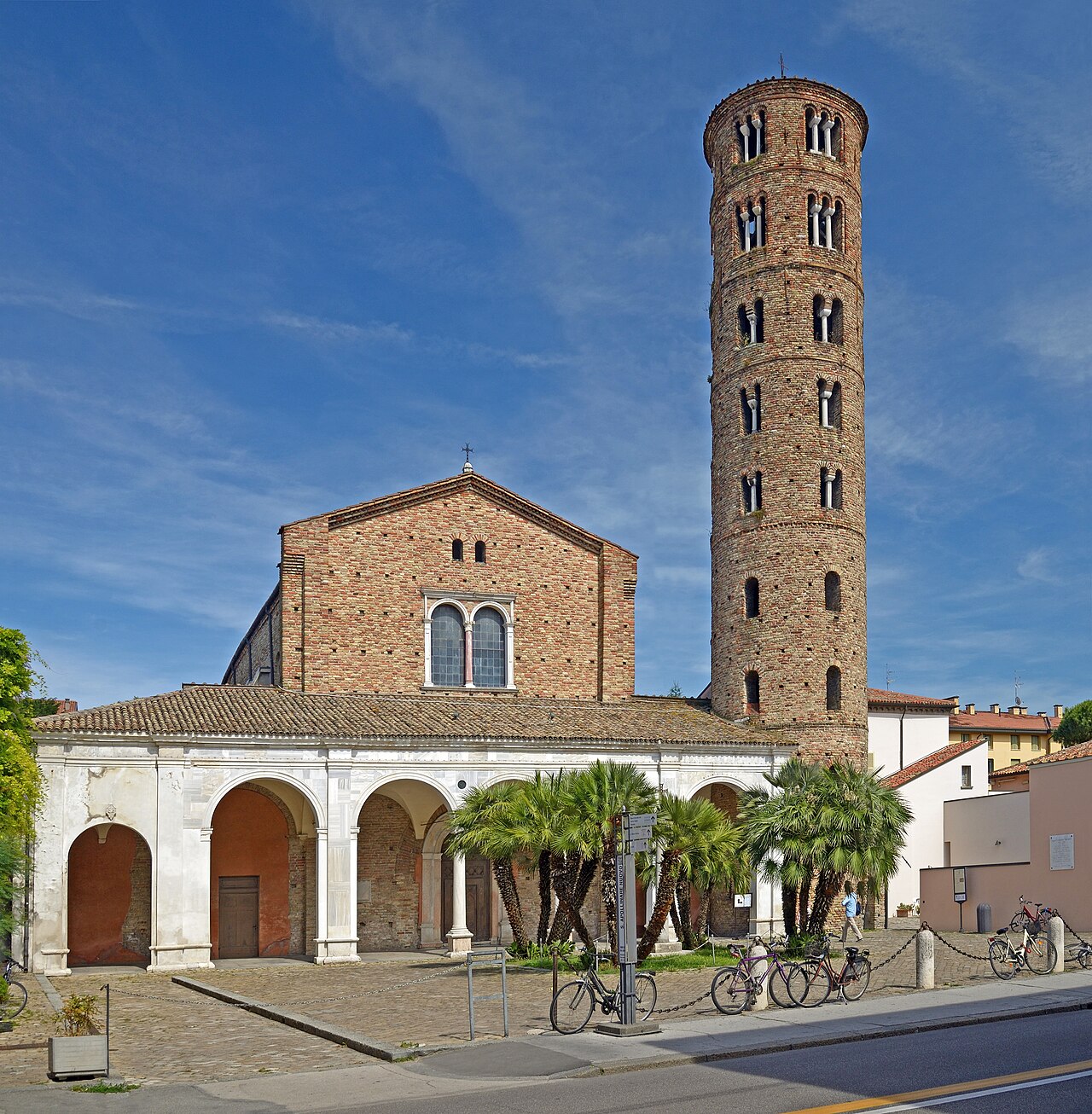
Basilica of Sant'Apollinare Nuovo
505
 Book
Secondary source
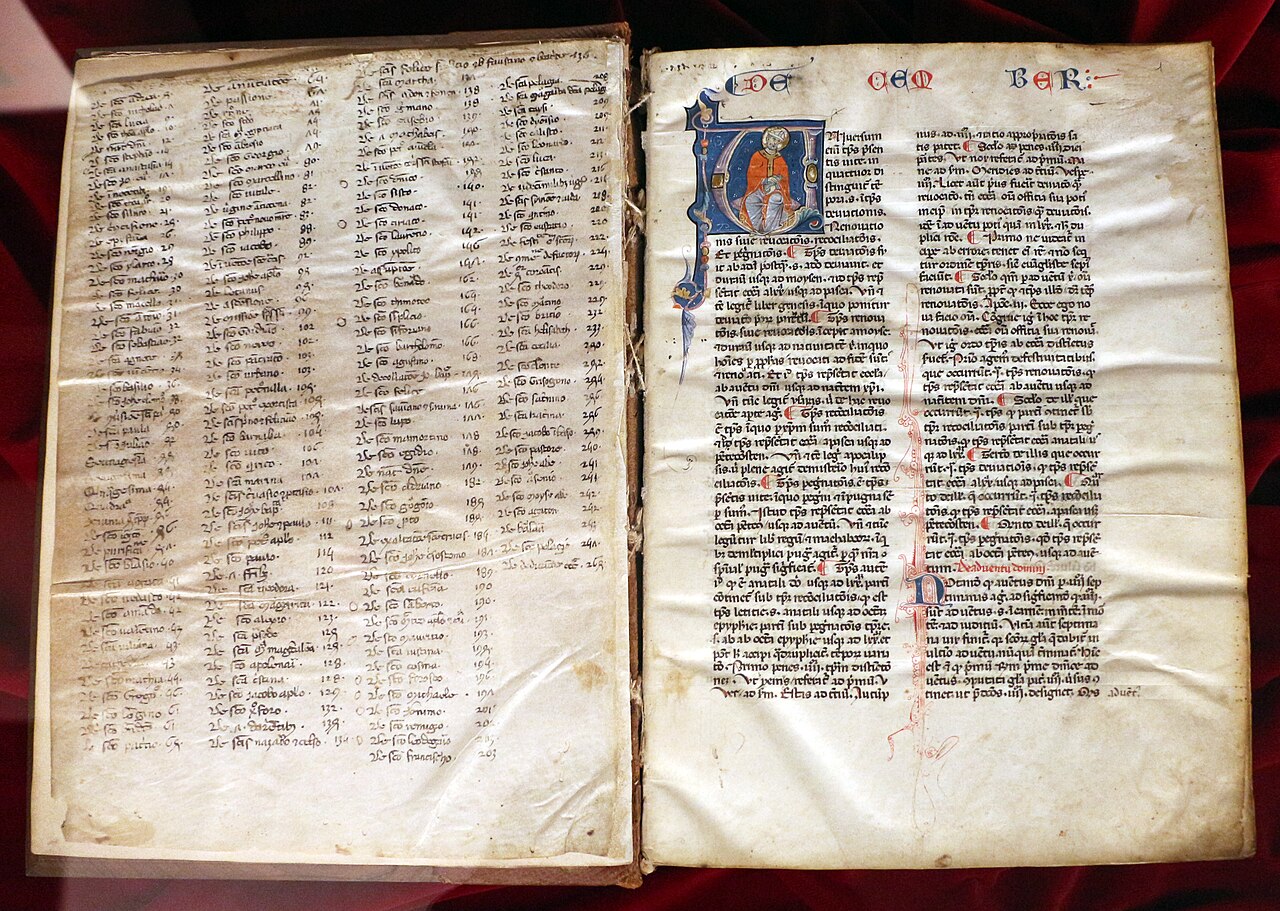
Golden Legend
Jacobus de Voragine · c. 1259–1266
 Painting
Primary source
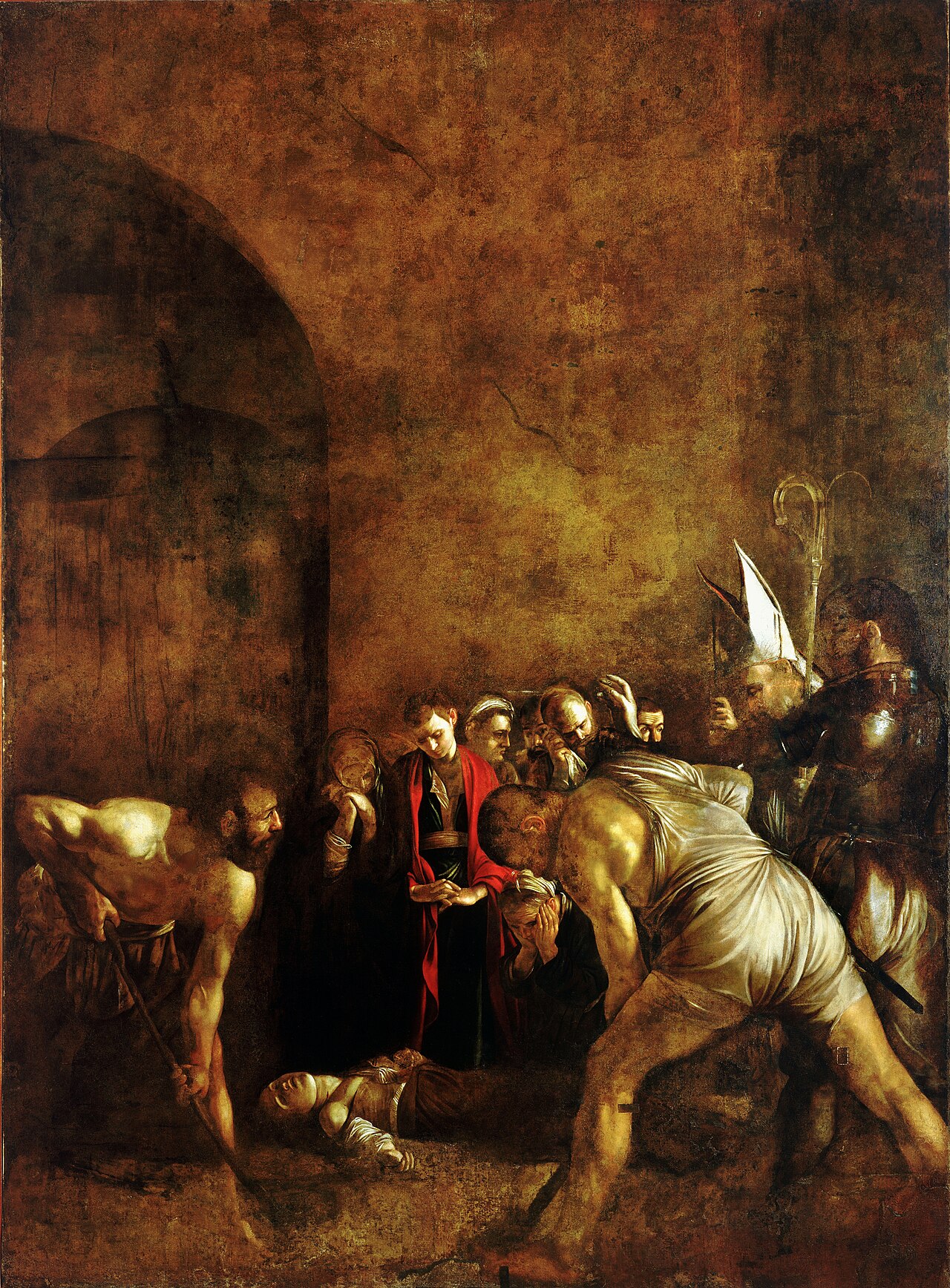
The Burial of Saint Lucy
Caravaggio · 1608

Free account
Read every Saint Lucy source
Sign up free →
Ready when you are
Start chatting with Saint Lucy now.
20 messages free · No credit card · Available in 50+ languages.