


Secondary sourcePhotographc. 1500
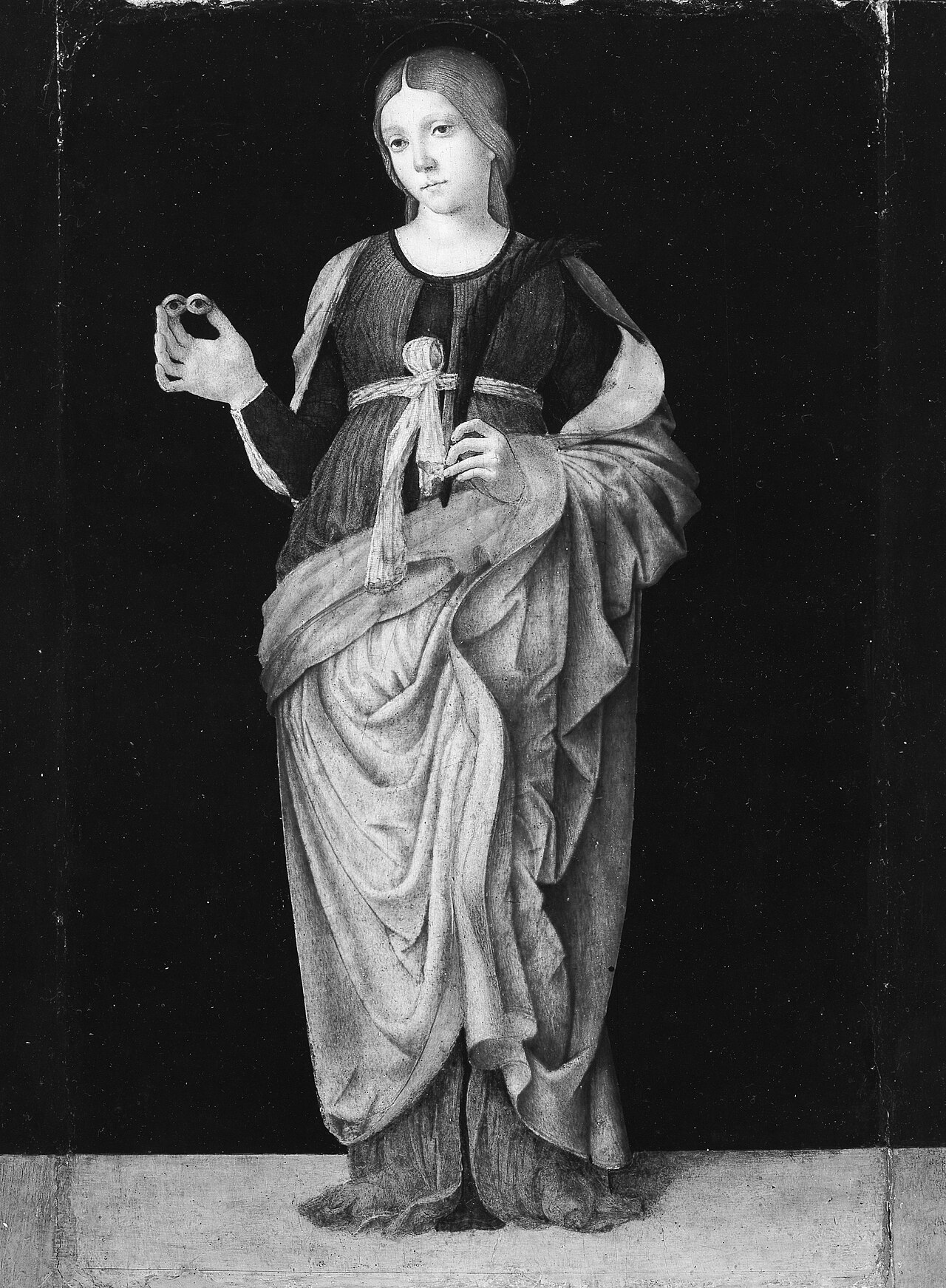
Saint Lucy by Francesco da Cotignola
Francesco da Cotignola · c. 1500
A black-and-white photograph of a Renaissance painting of Saint Lucy by Francesco da Cotignola, made around 1500.
This Renaissance painting portrays Lucy with her traditional symbols, part of the devotional art tradition surrounding her.
About this source
What it is
This black-and-white photograph shows a painting by the Renaissance artist Francesco da Cotignola, made between about 1499 and 1532. It depicts Saint Lucy standing on a pale ledge against a dark background, with a small halo, holding a dish with a pair of eyes in one hand and a palm frond in the other.
Why it matters
This painting, created roughly 1,200 years after Lucy's lifetime, is part of a long tradition of Renaissance religious art depicting her with her recognizable symbols. It shows how Italian Renaissance artists portrayed martyred saints with calm dignity, and reflects the devotional art of the period rather than any direct record of Lucy herself.
Look closer
- What does the plain, dark background do to focus attention on the figure?
- Why might the photograph being in black and white change how we interpret the painting's details?
- What symbols identify this figure as Saint Lucy specifically?
This photograph is part of the curated material that grounds the AI version of Saint Lucy on Humy.ai — when students ask about related events, the AI can quote it and cite it.
More Saint Lucy sources
Browse all 93 →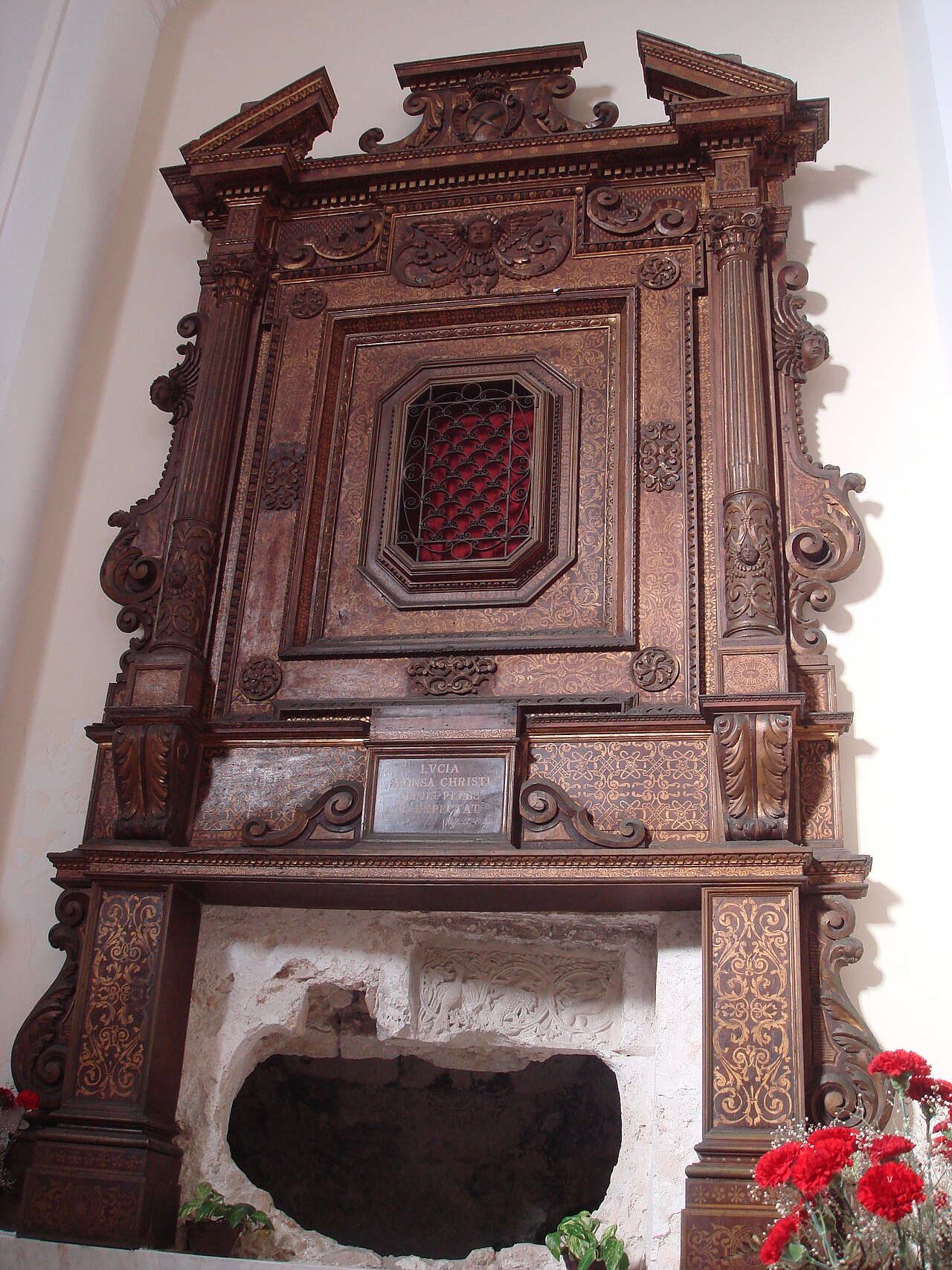 Artifact
Secondary source
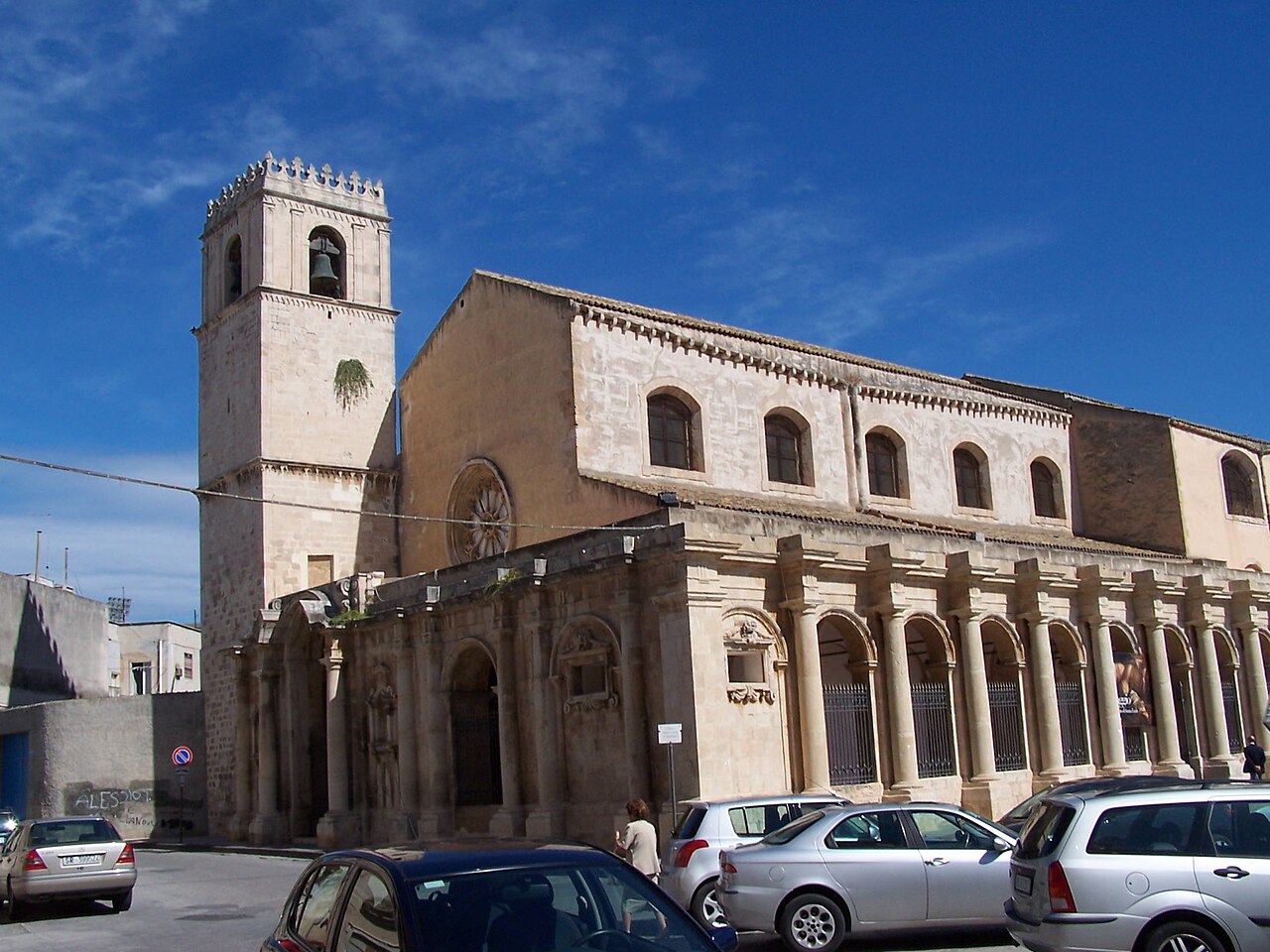
First Grave of Santa Lucia
 Artifact
Secondary source
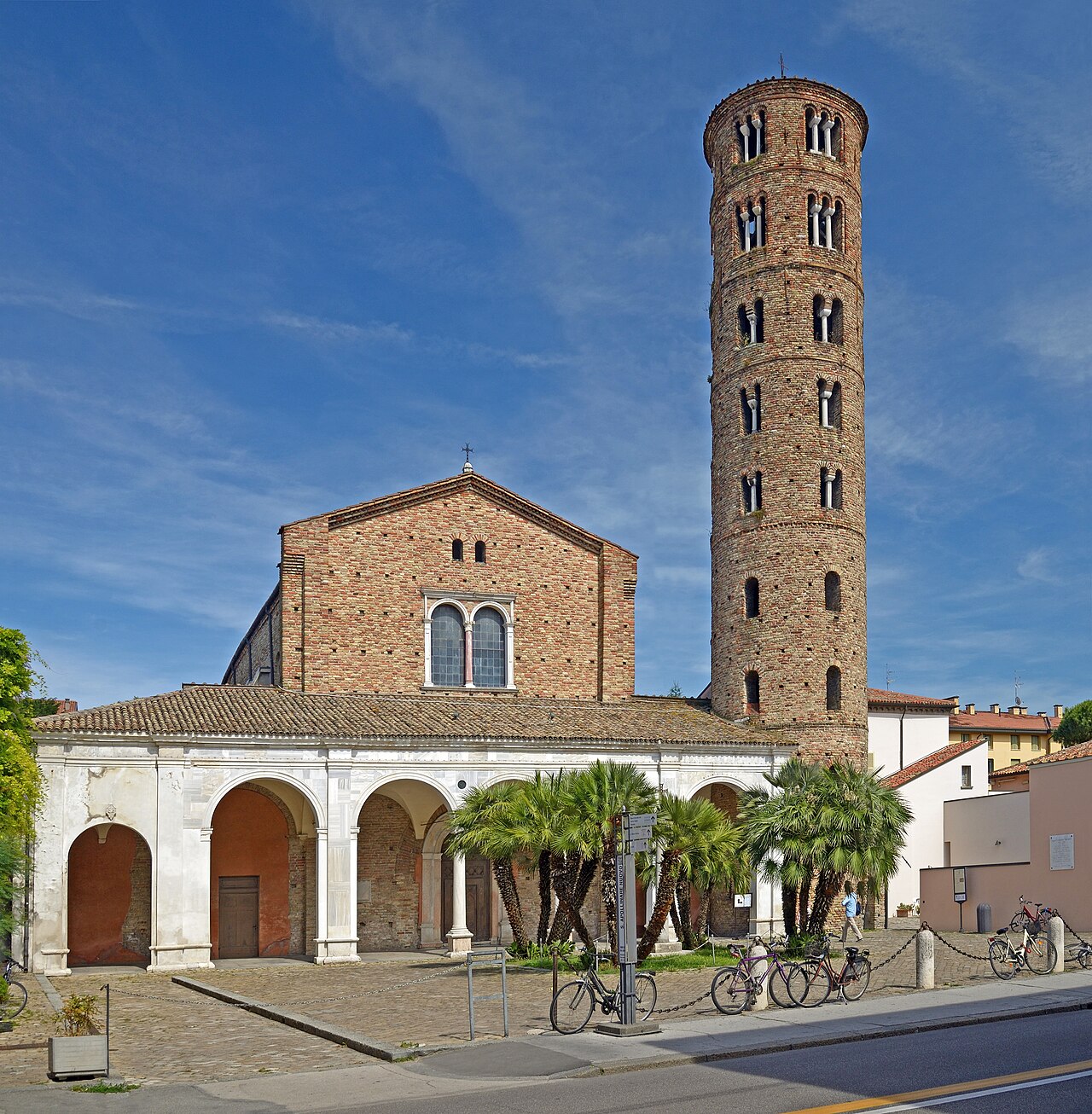
Basilica of Sant'Apollinare Nuovo
505
 Book
Secondary source
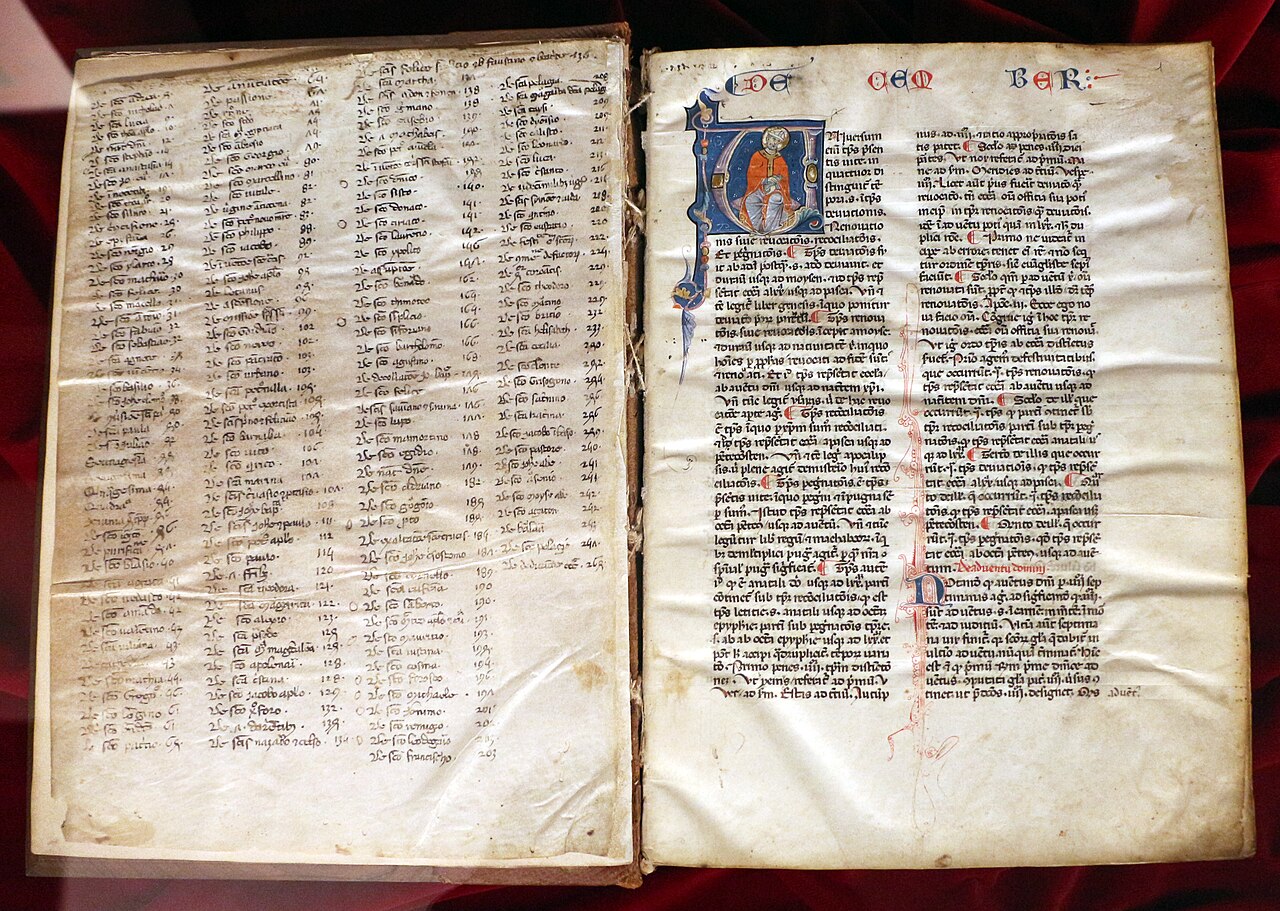
Golden Legend
Jacobus de Voragine · c. 1259–1266
 Painting
Primary source
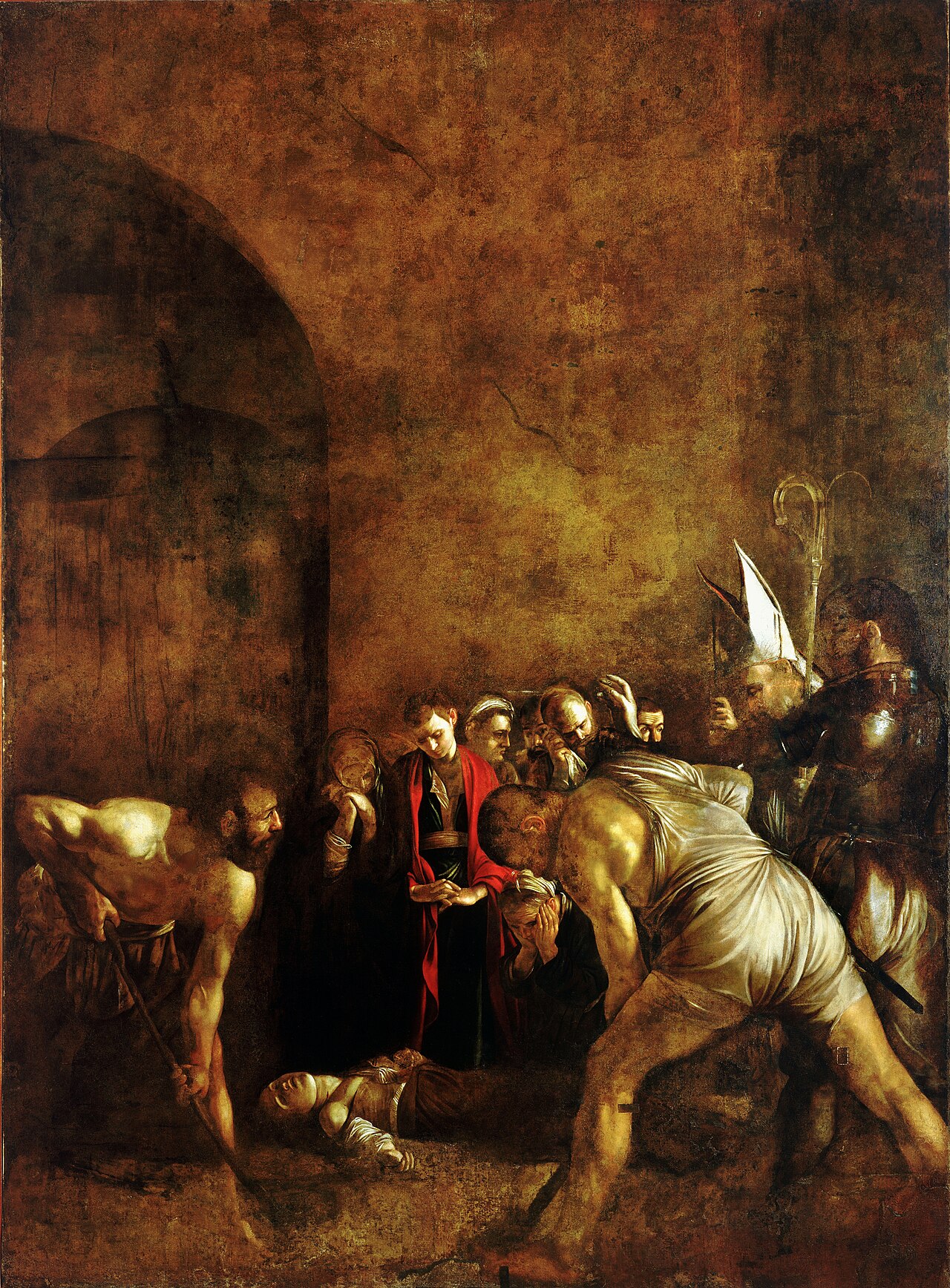
The Burial of Saint Lucy
Caravaggio · 1608
Free account
Read every Saint Lucy source
Sign up free →
Ready when you are
Start chatting with Saint Lucy now.
20 messages free · No credit card · Available in 50+ languages.