


Secondary sourcePainting1523
Saints Apollonia and Lucy
Parmigianino · 1523
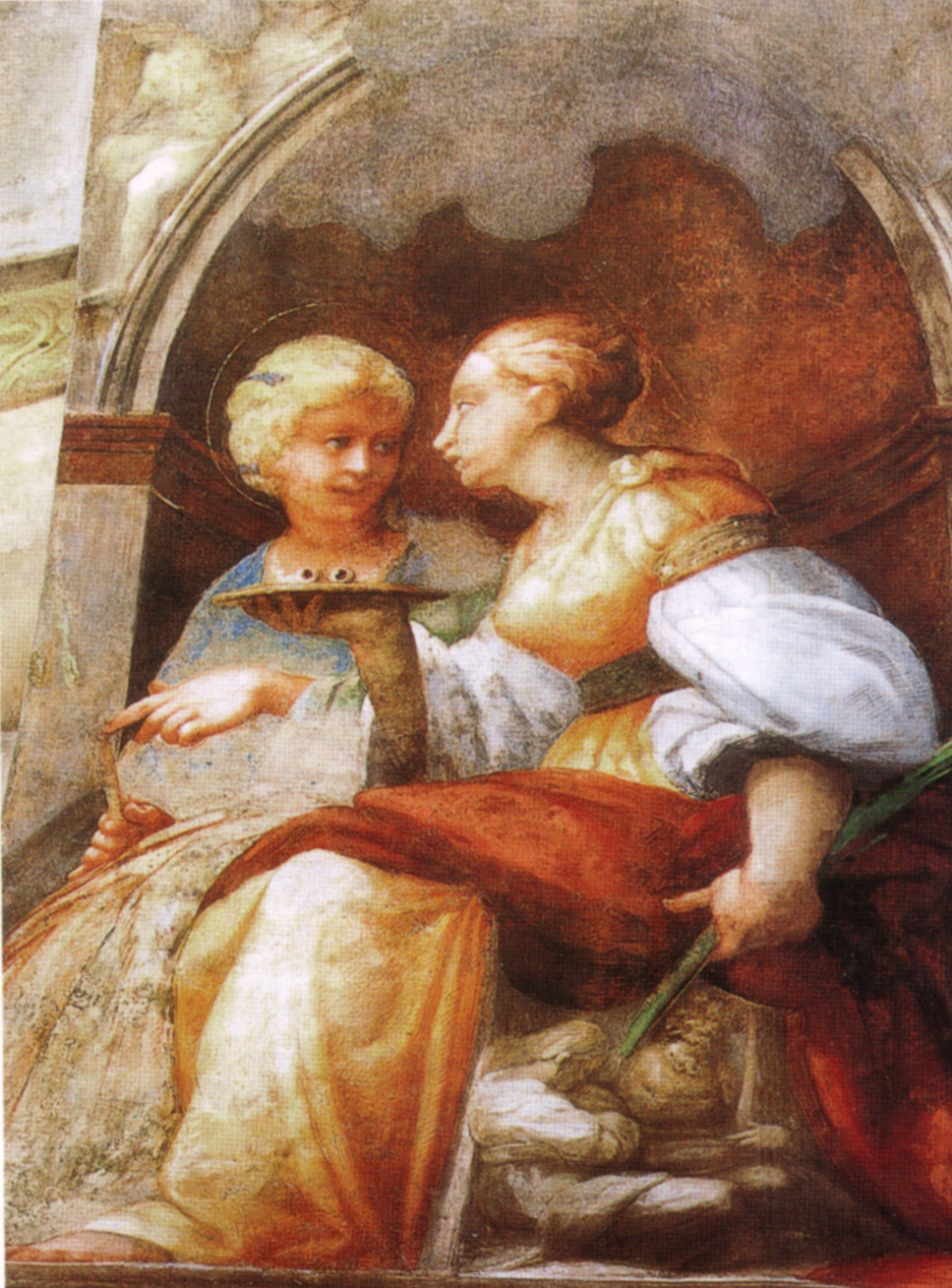
An early fresco by Parmigianino pairing Saint Lucy with Saint Apollonia, both martyrs linked to bodily healing.
This fresco depicts Saint Lucy holding a dish with eyes, a traditional symbol of her martyrdom and patronage of eyesight.
About this source
What it is
This fresco, painted by the artist Parmigianino in 1523, shows two women standing together in an arched niche. It is held at the church of San Giovanni Evangelista.
One woman holds a golden dish with two eyes on it and looks toward the other, who holds a palm frond, a symbol of martyrdom.
Why it matters
The painting pairs Saint Lucy with Saint Apollonia, another martyr connected to bodily healing. It shows how early Renaissance artists like Parmigianino grouped saints by shared themes, such as suffering and healing, to teach religious stories visually to people who could not read.
Look closer
- What do the objects each woman holds tell you about who she is?
- Why might an artist choose to paint two saints together instead of alone?
- What does the warm color palette add to the mood of the scene?
This painting is part of the curated material that grounds the AI version of Saint Lucy on Humy.ai — when students ask about related events, the AI can quote it and cite it.
More Saint Lucy sources
Browse all 93 →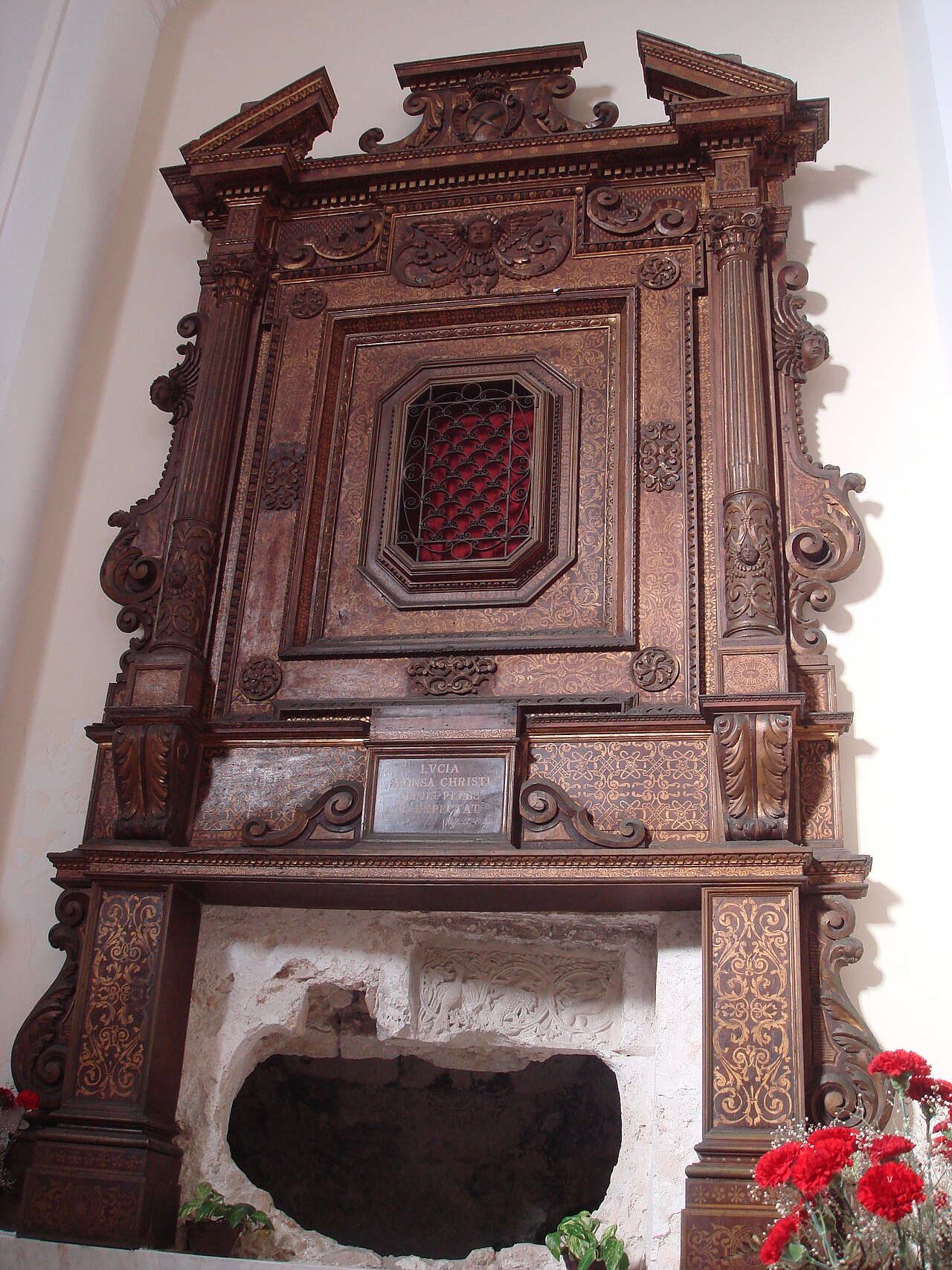 Artifact
Secondary source
First Grave of Santa Lucia
 Artifact
Secondary source
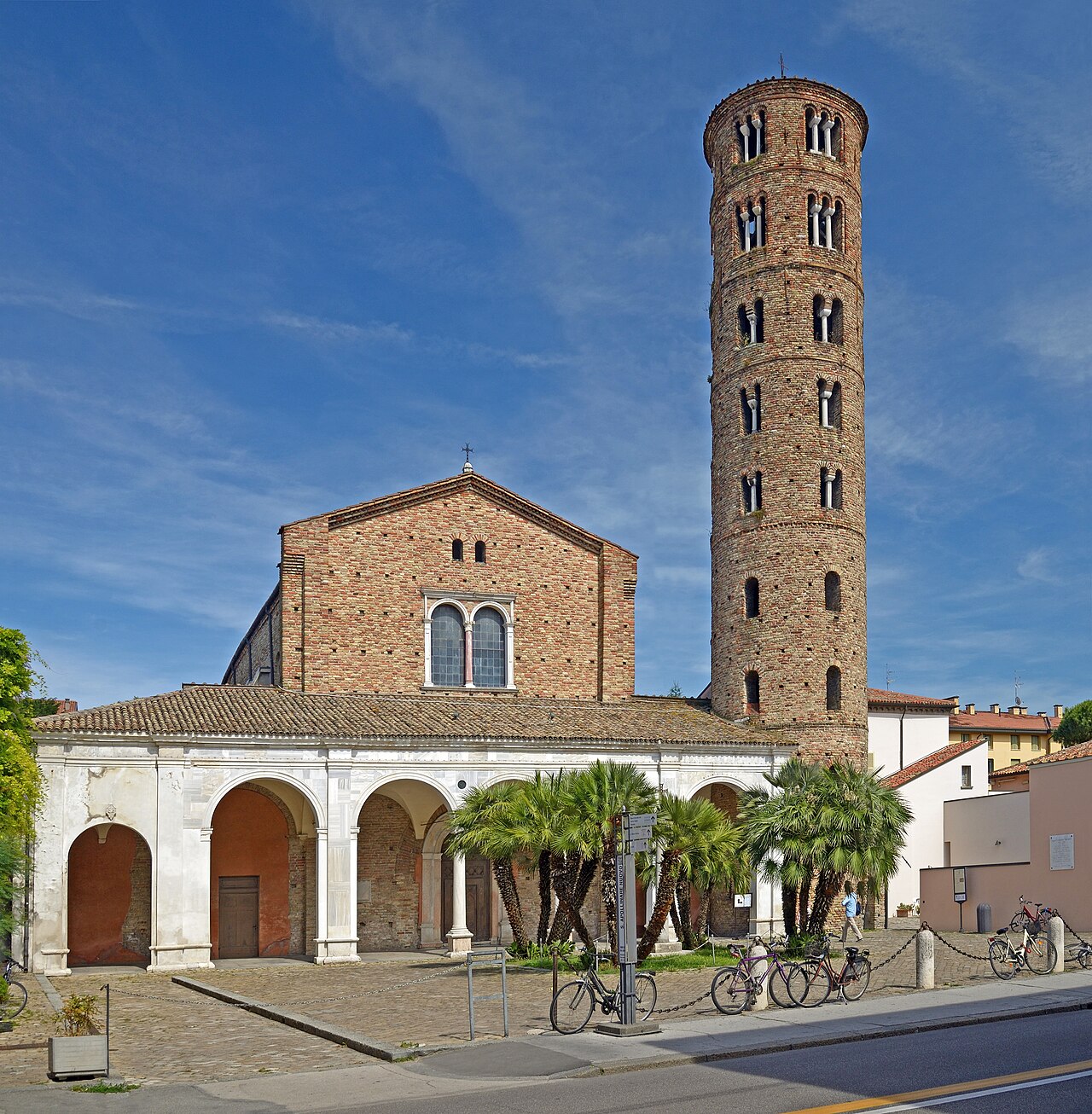
Basilica of Sant'Apollinare Nuovo
505
 Book
Secondary source
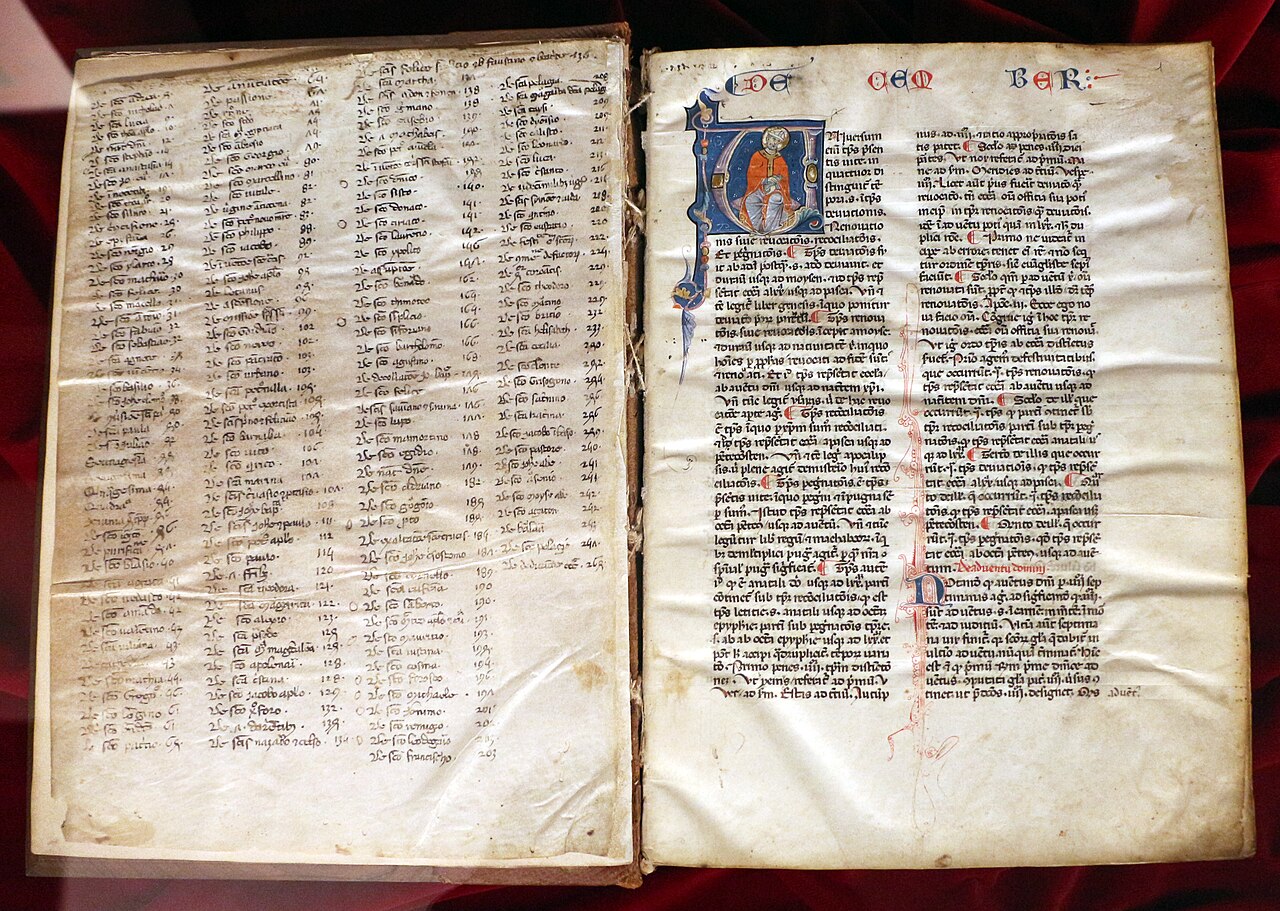
Golden Legend
Jacobus de Voragine · c. 1259–1266
 Painting
Primary source
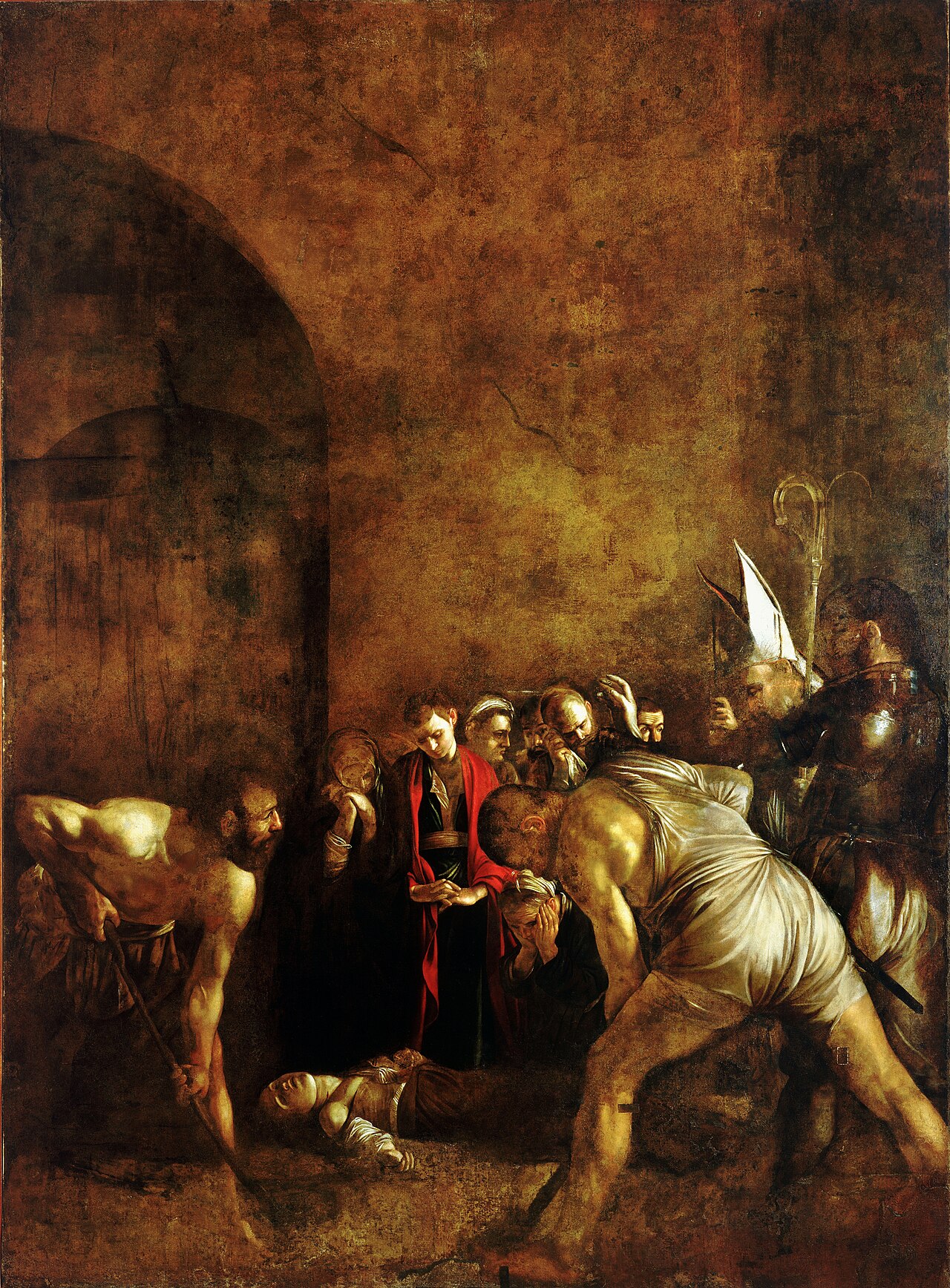
The Burial of Saint Lucy
Caravaggio · 1608
Free account
Read every Saint Lucy source
Sign up free →
Ready when you are
Start chatting with Saint Lucy now.
20 messages free · No credit card · Available in 50+ languages.