


Secondary sourcePainting1639
Saladin Proclaims He Will Take Only a Shirt to His Grave
John Payne · 1639
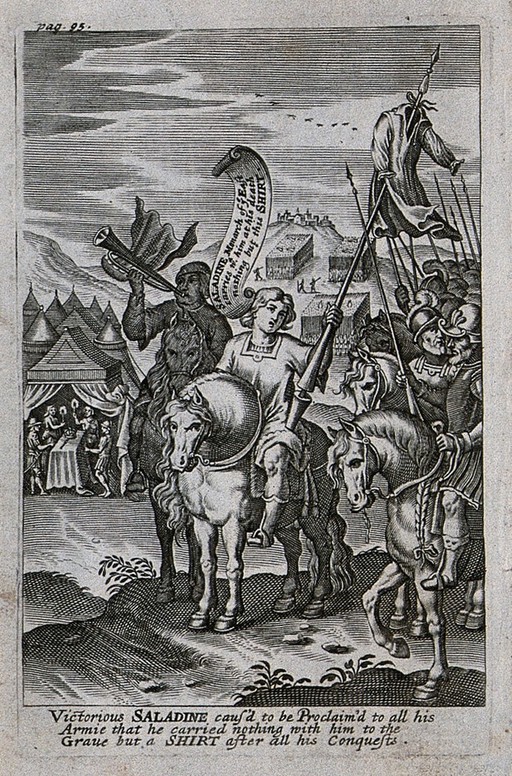
A 1639 engraving illustrating the famous legend that Saladin ordered it proclaimed he carried nothing to his grave but a shirt.
This 1639 engraving depicts the legendary deathbed humility of Saladin, shaping his later reputation in Europe.
About this source
What it is
This is an engraving made by John Payne in 1639. It shows a mounted figure identified as Saladin, with soldiers, a tent camp, and a walled town, and a scroll above announcing a proclamation. The printed caption below explains the scene. It is held by the Wellcome Collection.
Why it matters
The print illustrates a well-known anecdote about Saladin's death: that despite his great conquests, he wanted only a shirt buried with him. It was made centuries after Saladin's lifetime, so it tells us more about how Europeans remembered and moralised his legend than about actual events.
Look closer
- Why might an artist in 1639 choose to illustrate this particular story about Saladin?
- What does the scroll and proclamation suggest about how the artist wanted viewers to judge Saladin?
- What is left out of this image that a strictly accurate historical account might include?
This painting is part of the curated material that grounds the AI version of Saladin on Humy.ai — when students ask about related events, the AI can quote it and cite it.
More Saladin sources
Meet the AI Saladin →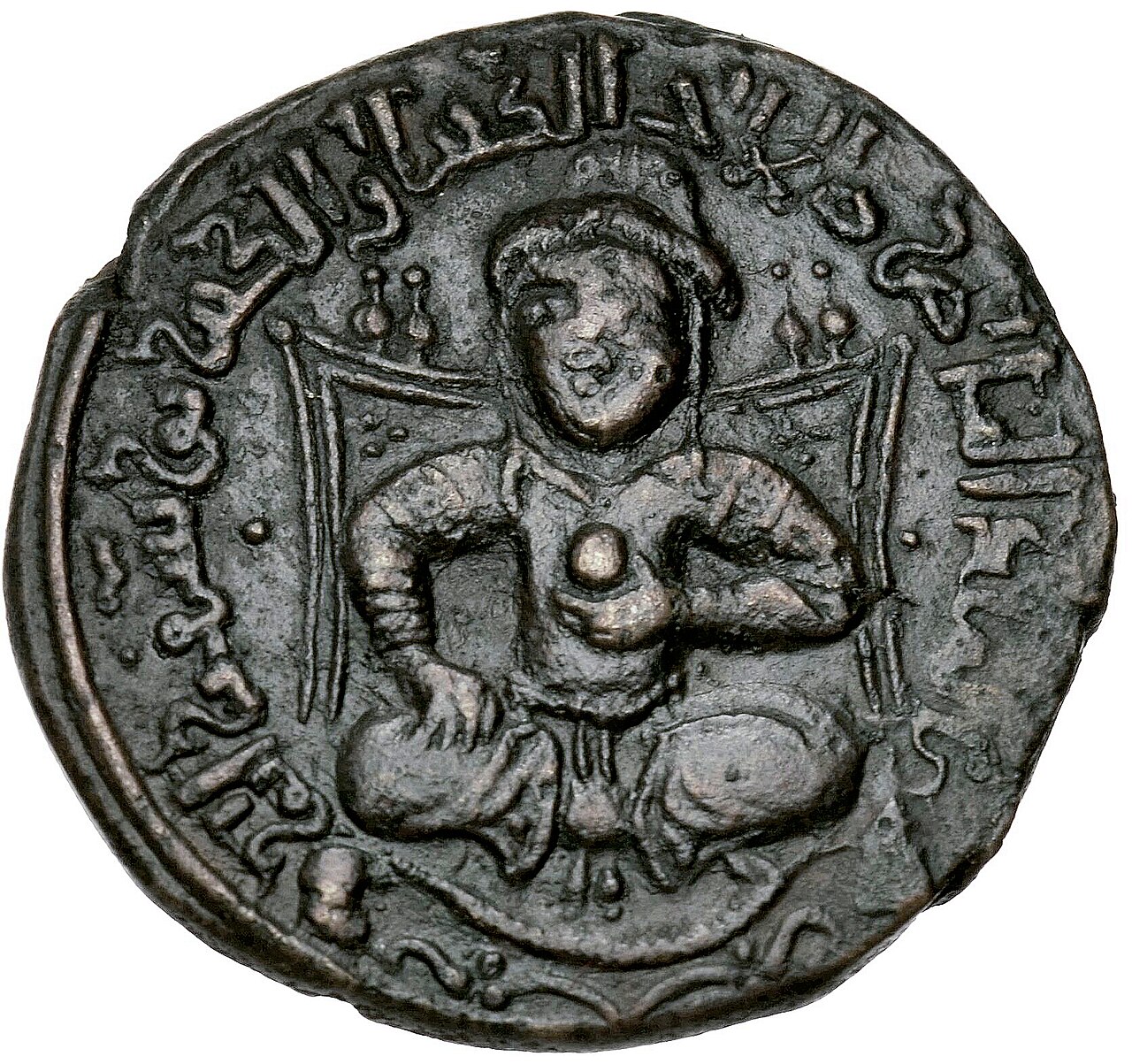 Artifact
Primary source
Dirham of Saladin
AH 586 (AD 1190-91)
 Artifact
Primary source
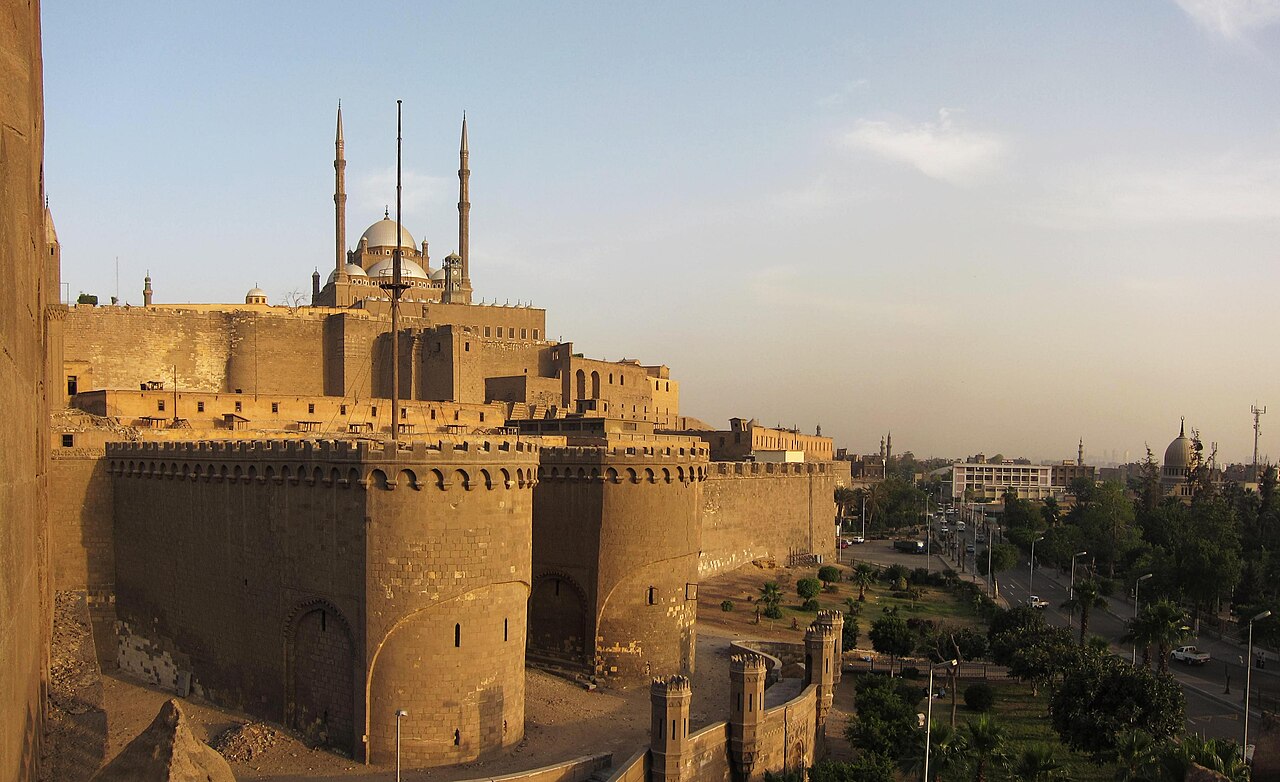
Cairo Citadel
Saladin · begun 1176
 Photograph
Secondary source
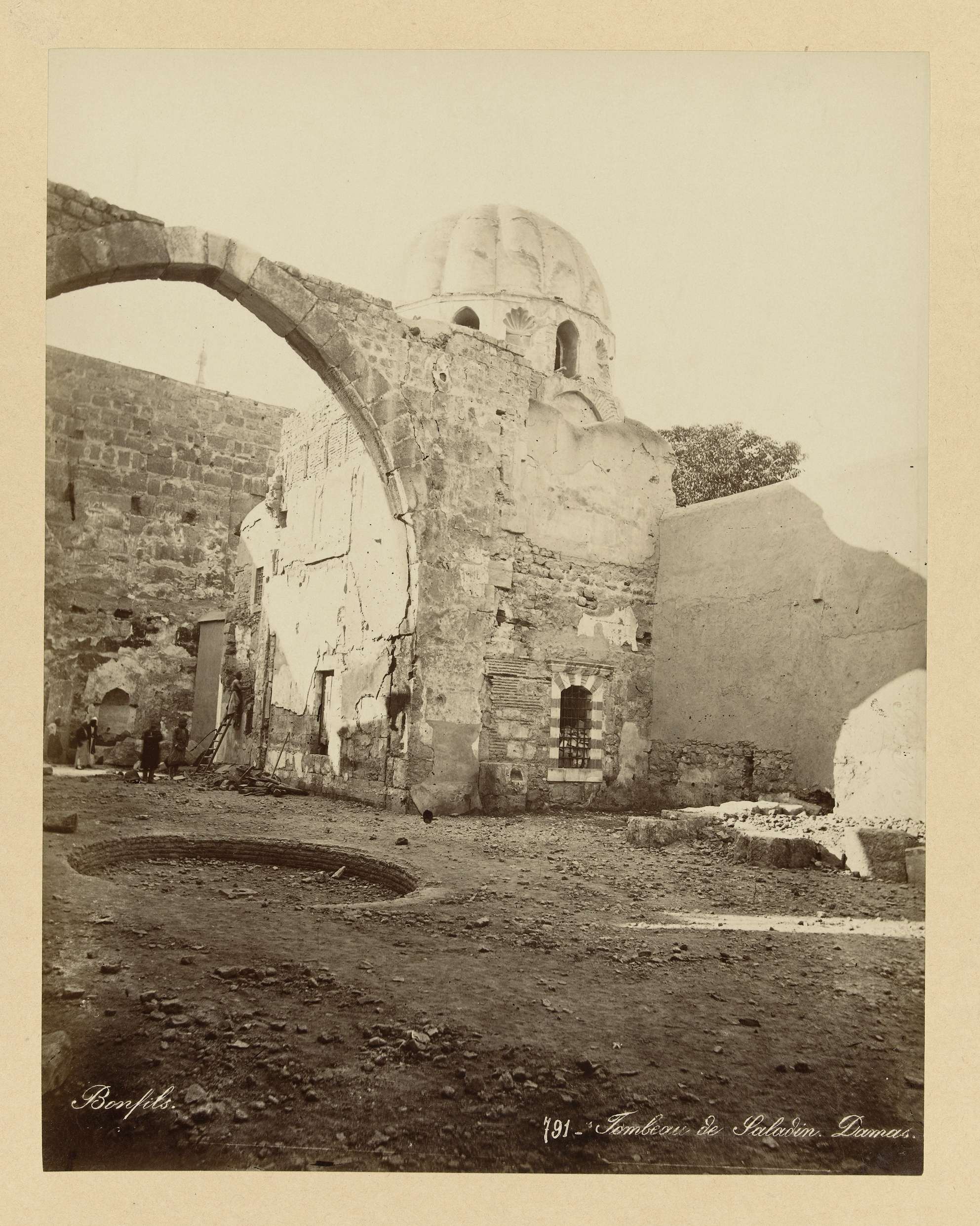
Tomb of Saladin, Damascus
 Painting
Secondary source
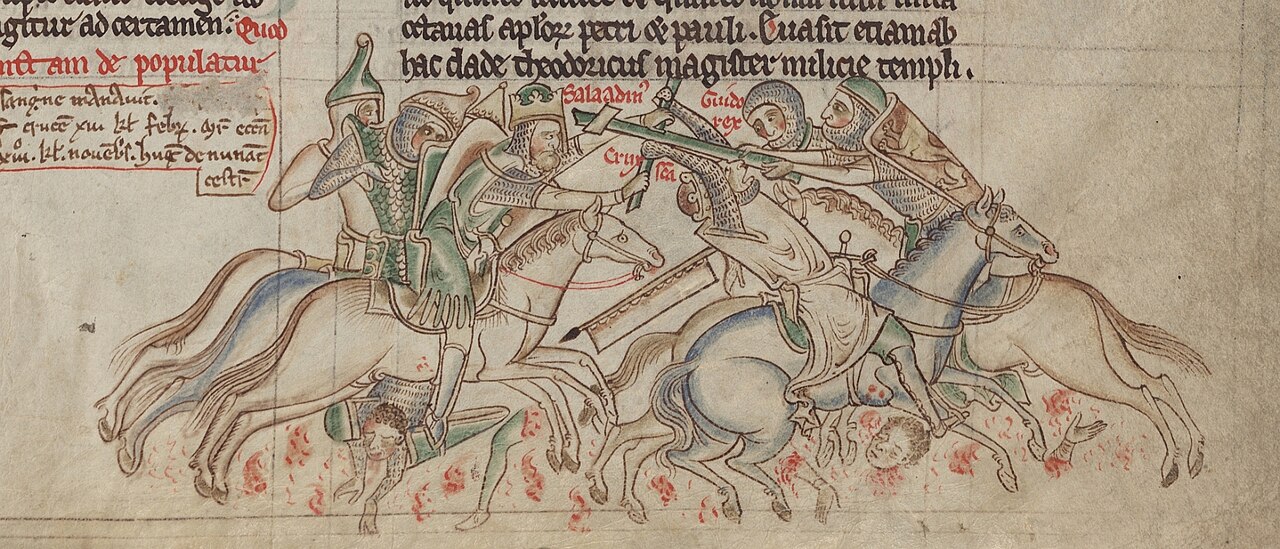
Saladin Seizing the True Cross from Guy of Lusignan
Matthew Paris
 Artifact
Secondary source
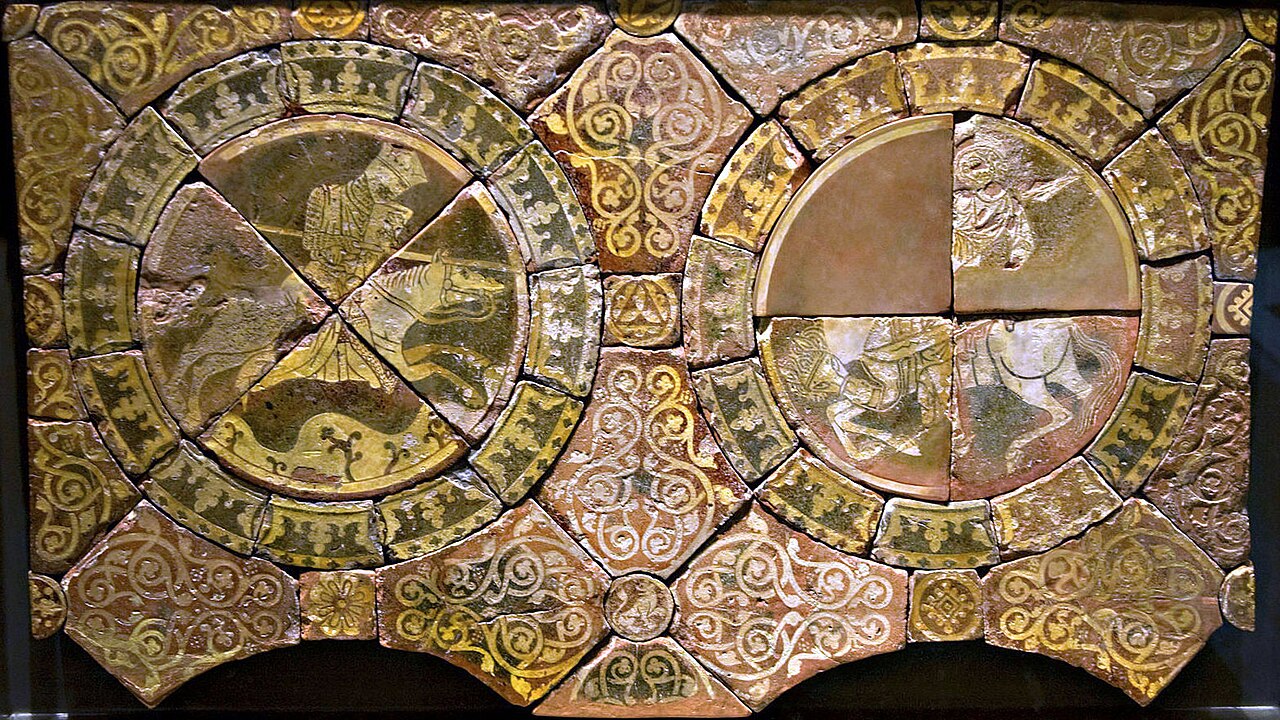
Chertsey Tiles of Richard and Saladin
c. 1250-1260
Ready when you are
Start chatting with Saladin now.
20 messages free · No credit card · Available in 50+ languages.