


Secondary sourceArtifactlater 15th century onward (main hall renovated 1724)
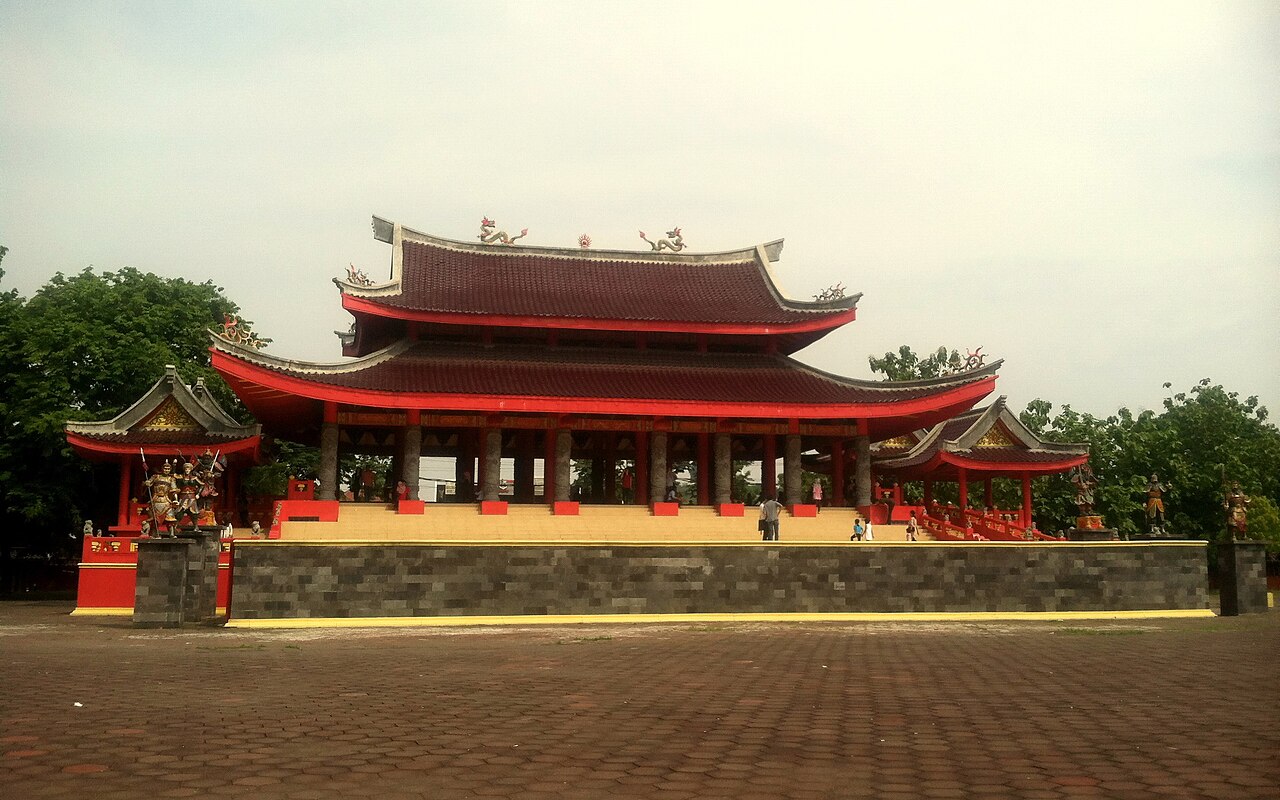
Sam Poo Kong Temple
later 15th century onward (main hall renovated 1724)
A Javanese temple built at a traditional landing site of Zheng He, showing his lasting veneration among Southeast Asian Chinese communities.
This Javanese temple at a traditional Zheng He landing site reflects his lasting veneration among Southeast Asian Chinese communities.
Free Humy account · No credit card · 120,288 sources to read
About this source
What it is
Sam Poo Kong is a Chinese-style temple complex in Semarang, Indonesia. Its main hall, a two-tiered red and gold building with curved dragon-ornamented eaves, was renovated in October 1724 but was originally part of a temple complex whose foundations are said to have been set by Admiral Zheng He.
Why it matters
The temple marks a place where local tradition says Zheng He's fleet landed. It shows how, long after his voyages, Chinese communities in Southeast Asia came to honor him almost as a deity, blending history with devotion and memory.
Look closer
- What architectural details tell you this is a place of worship rather than just a monument?
- Why might communities far from China build a temple to a Chinese admiral?
- How does a 1724 renovation affect what we can know about the original site?
This artifact is part of the curated material that grounds the AI version of Zheng He on Humy.ai — when students ask about related events, the AI can quote it and cite it.
More Zheng He sources
Browse all 76 →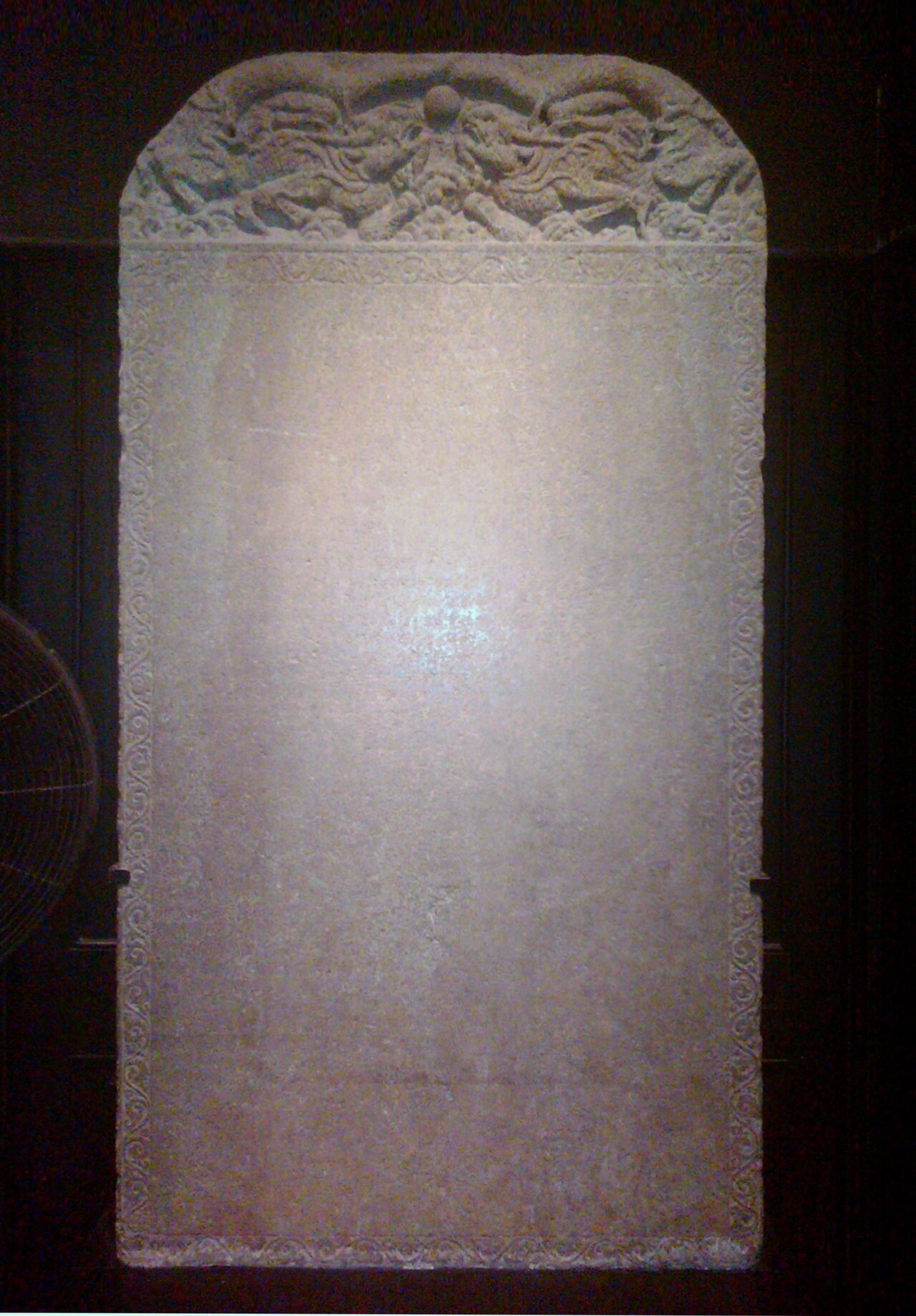 Artifact
Primary source
Galle Trilingual Stele
15 February 1409
 Book
Primary source
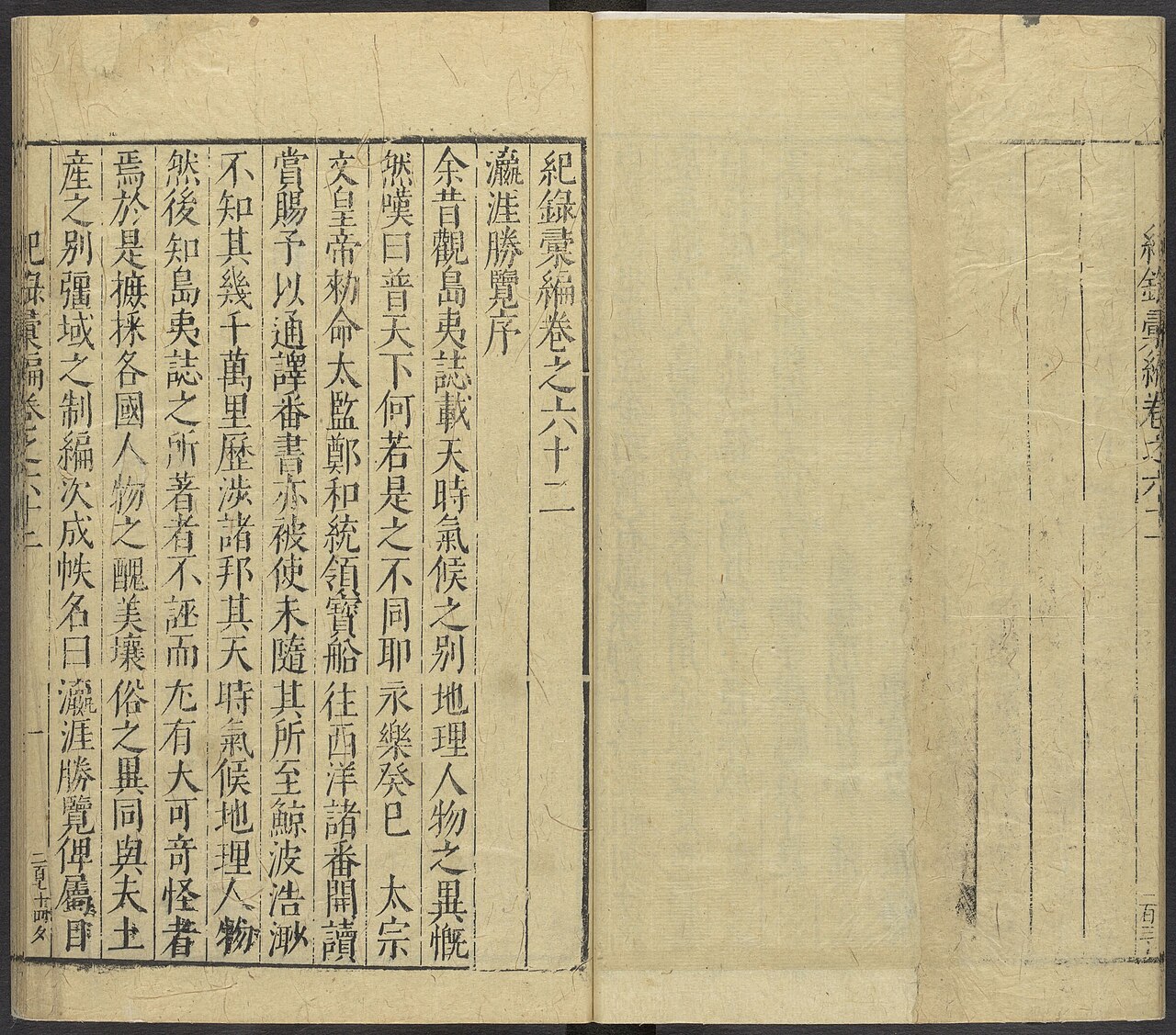
Ying Ya Sheng Lan
Ma Huan · written c. 1416, published 1451
 Document
Secondary source
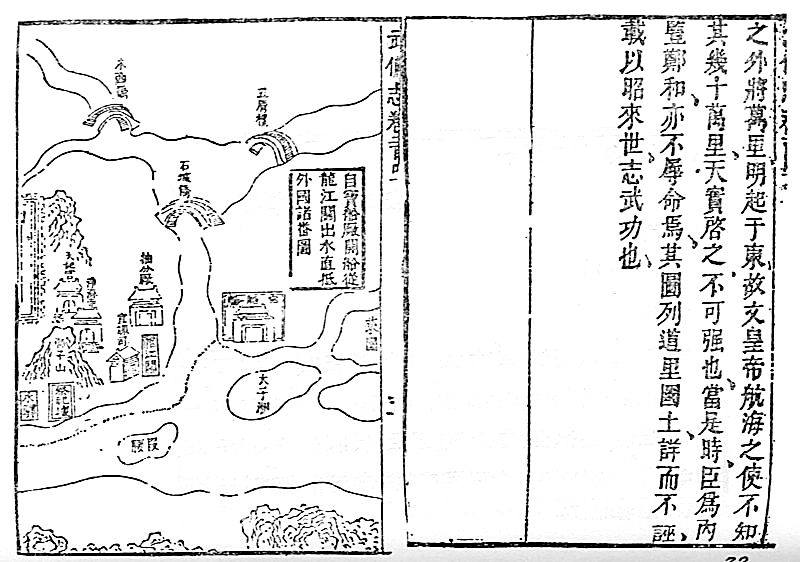
Mao Kun Map
Mao Yuanyi · 1621 (published 1628); believed based on earlier voyage charts
Primary source
Xingcha Shenglan
Fei Xin · 15th century
Free account
Read every Zheng He source
Sign up free →
Ready when you are
Start chatting with Zheng He now.
20 messages free · No credit card · Available in 50+ languages.