


Secondary sourceDocument1849
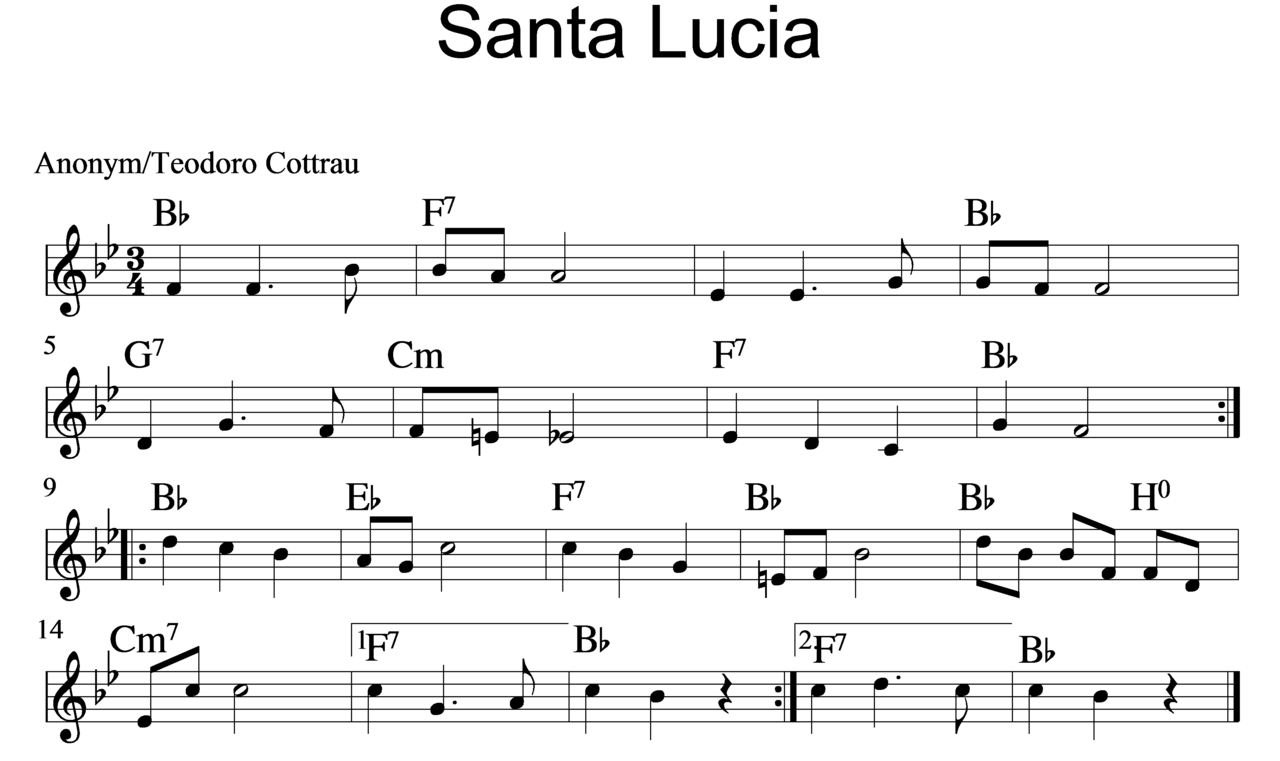
Santa Lucia
Teodoro Cottrau · 1849
A Neapolitan song named after Naples' Santa Lucia waterfront district, whose melody was later adapted into the Swedish Lucia song tradition.
This song, named for Naples' Santa Lucia district, shows how Lucy's name and feast day spread into folk and winter traditions across Europe.
About this source
What it is
"Santa Lucia" is a traditional Neapolitan song translated into Italian by Teodoro Cottrau and published in Naples in 1849. It was the first Neapolitan song translated into Italian.
The lyrics celebrate the Borgo Santa Lucia waterfront district, with a boatman inviting people to enjoy a ride in the cool evening.
Why it matters
Though named after the saint's feast and district, the song itself is really about a place in Naples, not her life. Its melody was later adapted to create Nordic songs for Saint Lucy's Day, celebrated at the darkest time of the year in Sweden, Norway, Denmark, and elsewhere, showing how a name and tune can travel across cultures and take on new meaning.
Look closer
- Why might a song about a boatman and a neighborhood end up connected to a saint's winter festival?
- What does the spread of this melody across different countries tell you about how traditions change over time?
- Who translated the song, and why does that detail matter?
This document is part of the curated material that grounds the AI version of Saint Lucy on Humy.ai — when students ask about related events, the AI can quote it and cite it.
More Saint Lucy sources
Browse all 93 →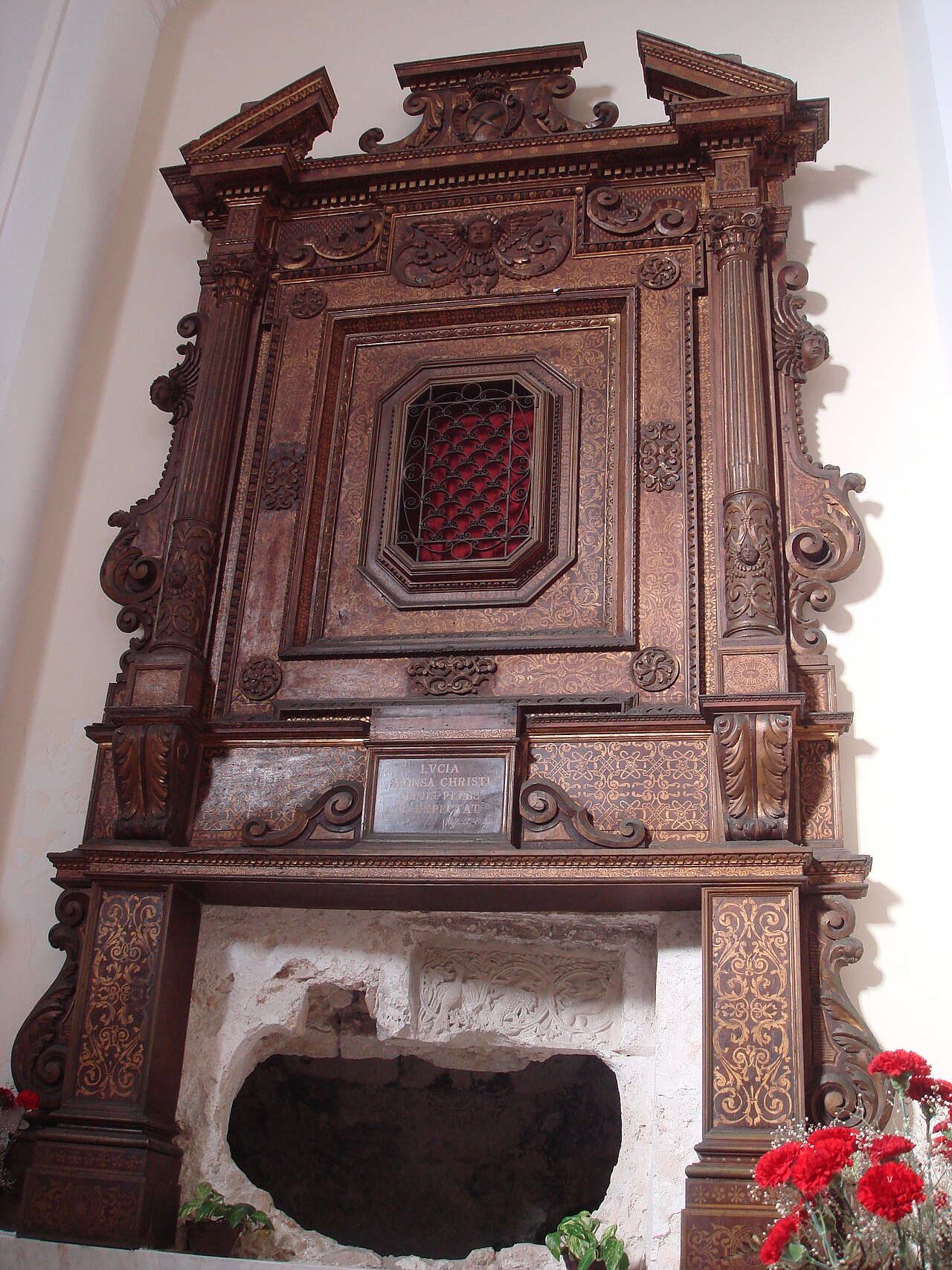 Artifact
Secondary source
First Grave of Santa Lucia
 Artifact
Secondary source
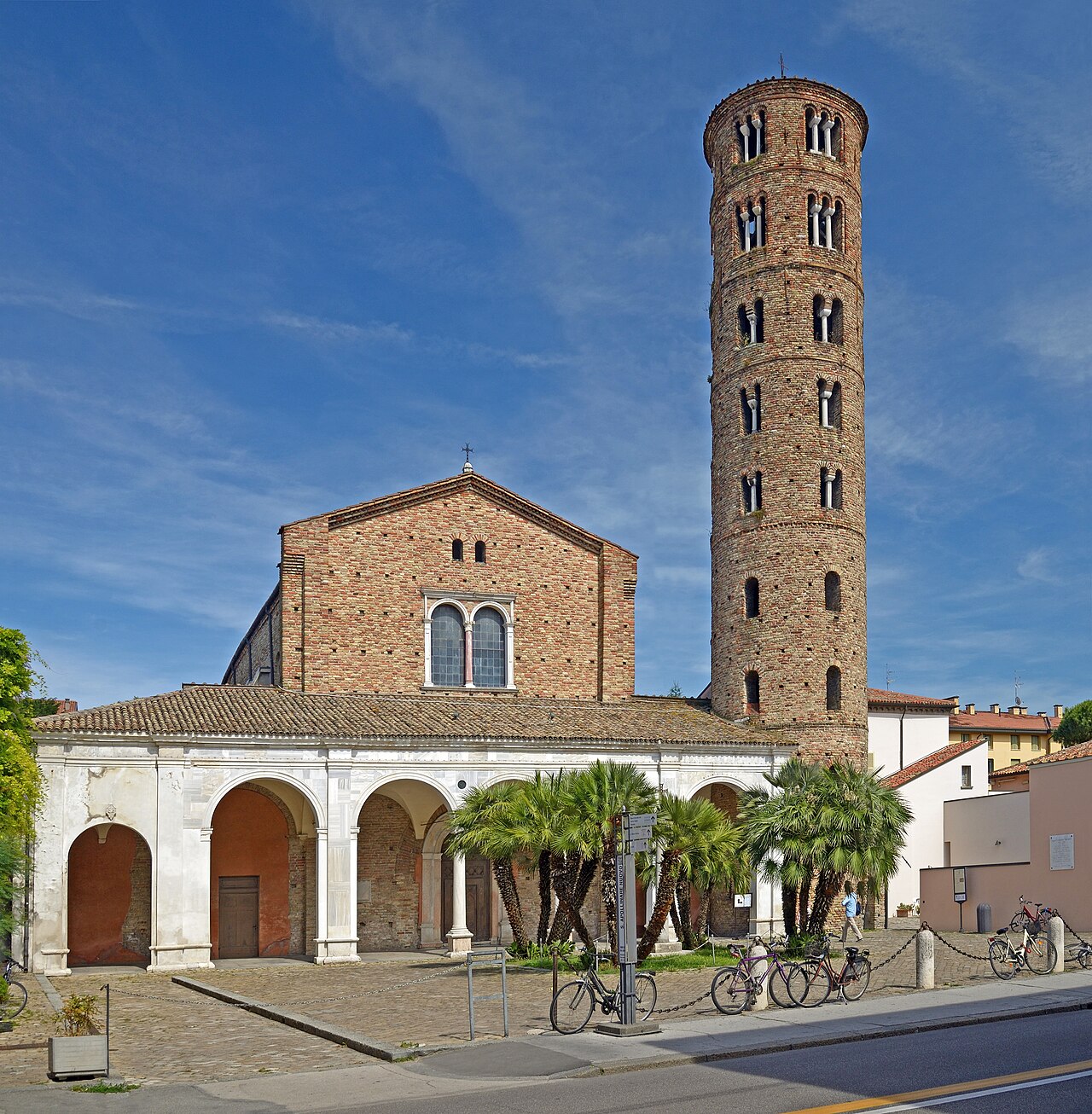
Basilica of Sant'Apollinare Nuovo
505
 Book
Secondary source
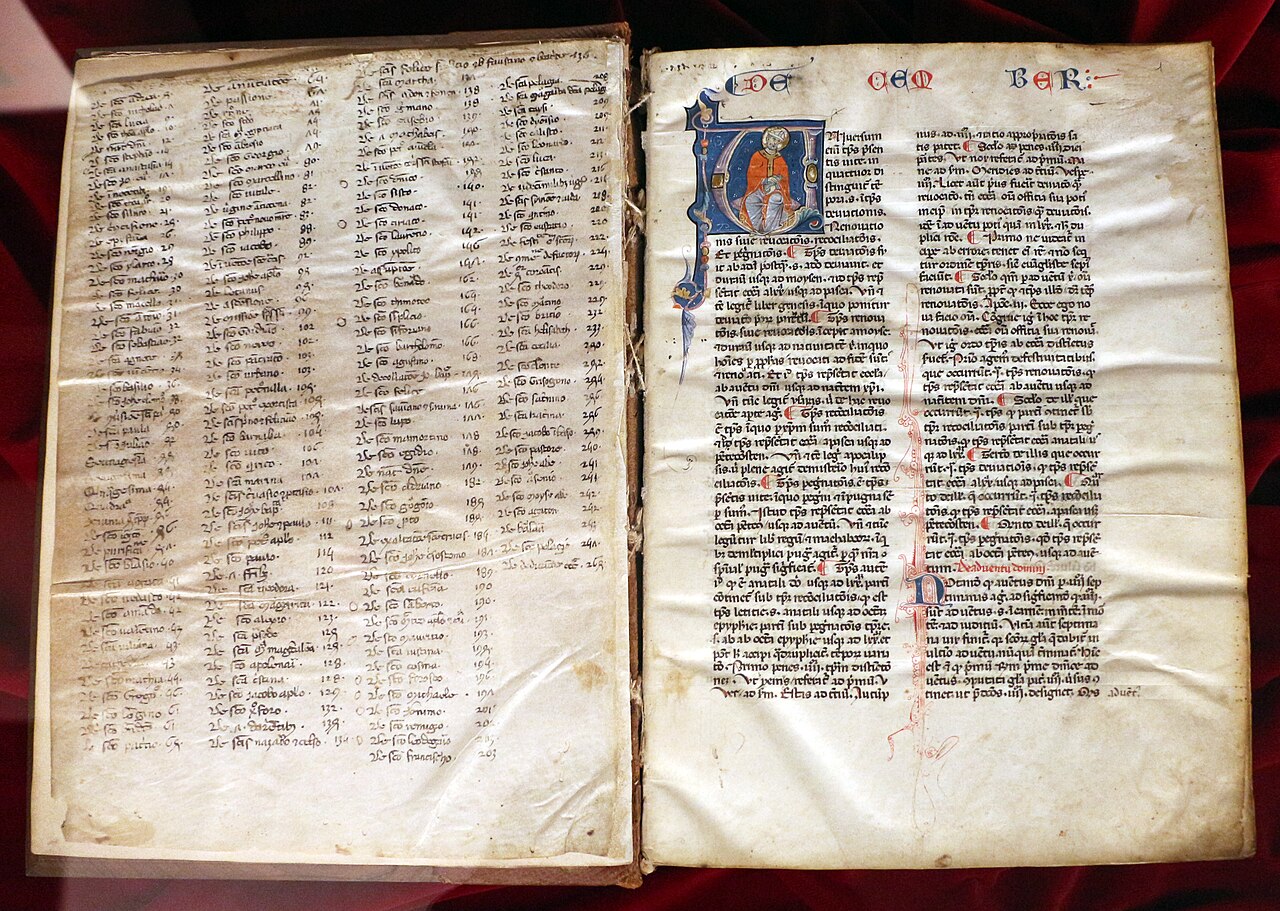
Golden Legend
Jacobus de Voragine · c. 1259–1266
 Painting
Primary source
The Burial of Saint Lucy
Caravaggio · 1608


Free account
Read every Saint Lucy source
Sign up free →
Ready when you are
Start chatting with Saint Lucy now.
20 messages free · No credit card · Available in 50+ languages.