


Primary sourceBook1st century AD
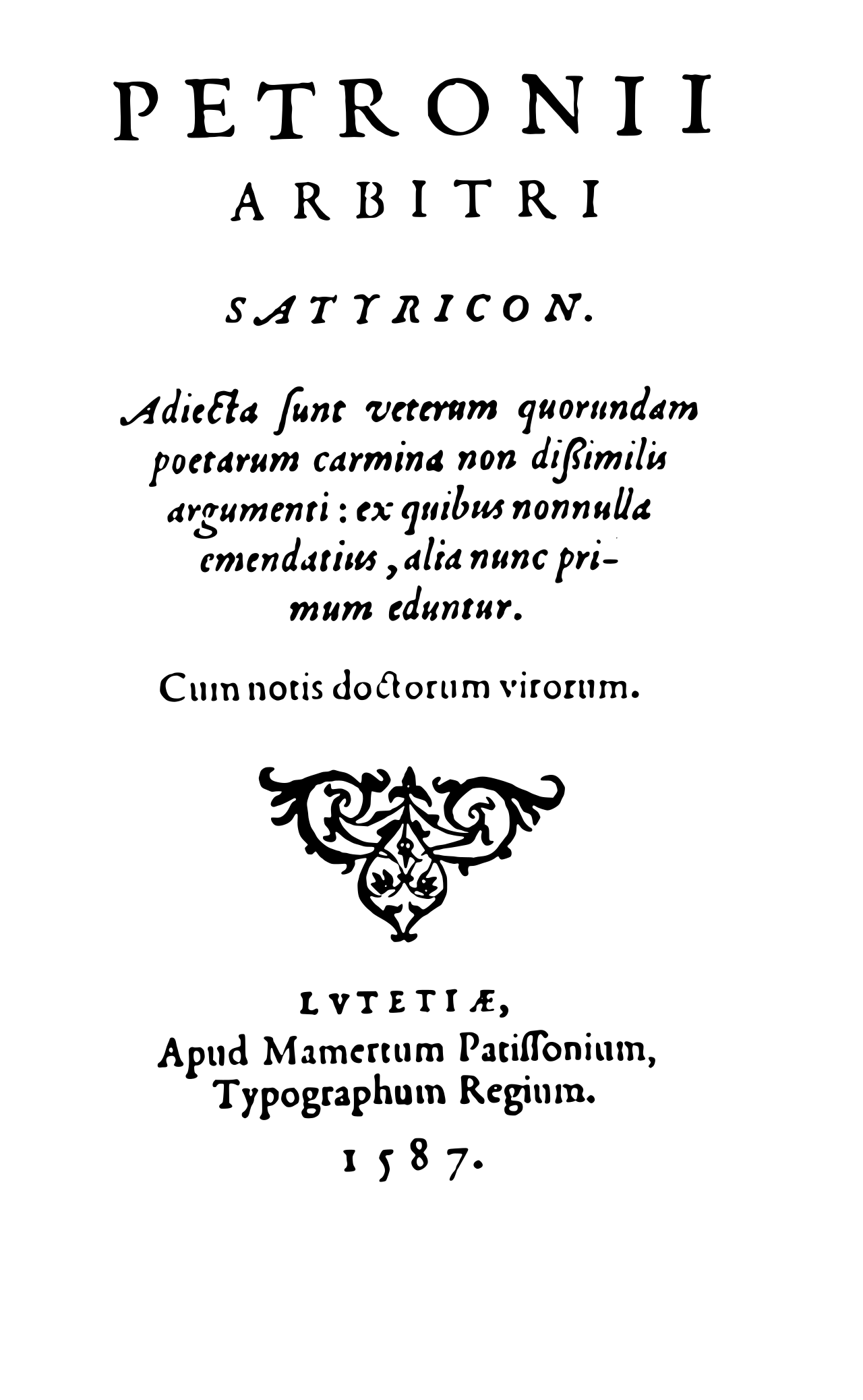
Satyricon
Petronius · 1st century AD
A Latin novel attributed to Petronius, Nero's 'arbiter of elegance,' depicting the excess and manners of Roman society in Nero's time.
Petronius, the attributed author, served at Nero's court as his 'arbiter of elegance,' and the novel reflects the excesses of his age.
Free Humy account · No credit card · 118,535 sources to read
About this source
What it is
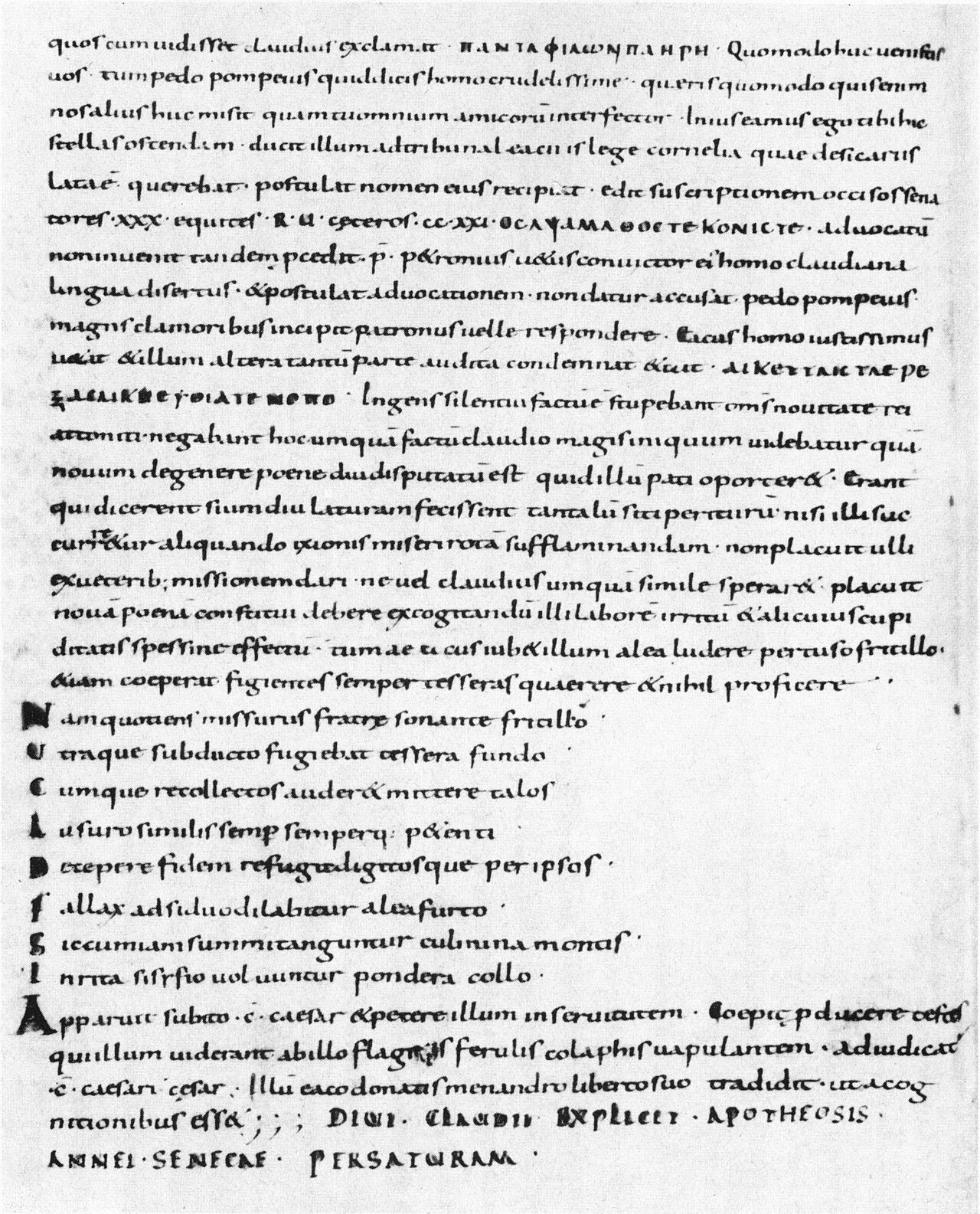
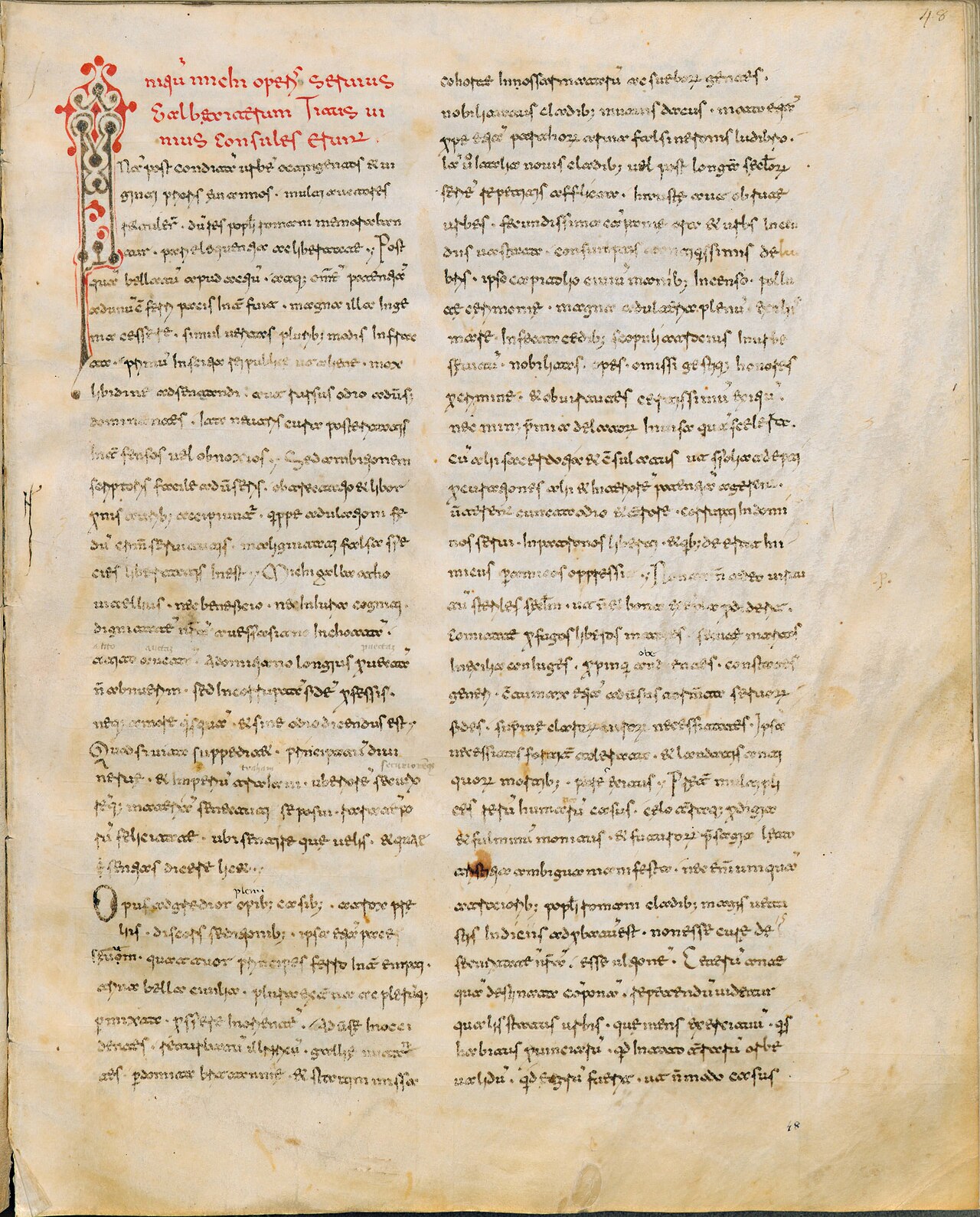
The Satyricon is a Latin work of fiction believed to have been written in the late 1st century AD by Gaius Petronius, though some manuscripts name the author as Titus Petronius. It mixes prose and verse, comedy and serious moments, and follows the narrator Encolpius and his companions through a series of bizarre adventures, including the famous dinner party of the wealthy freedman Trimalchio. Only part of the original, longer text survives.
Why it matters
According to Tacitus, its author Petronius served at Nero's court as an 'arbiter of elegance,' advising on taste and fashion. The novel's extravagant feasts and vulgar displays of wealth, especially in the Trimalchio dinner scene, are often read as reflecting the culture of excess associated with Nero's era. It is also valued by historians as evidence for how lower and freed classes lived in the early Roman Empire.
Look closer
- What does the exaggerated wealth and bad taste of characters like Trimalchio suggest about the society the author was satirising?
- Why might a courtier close to Nero have written a satire about excess?
- What is lost to us because only part of the original text survives?
This book is part of the curated material that grounds the AI version of Nero on Humy.ai — when students ask about related events, the AI can quote it and cite it.
More Nero sources
Browse all 91 →
Ready when you are
Start chatting with Nero now.
20 messages free · No credit card · Available in 50+ languages.