


Primary sourceArtifactcirca 1479–1458 BCE
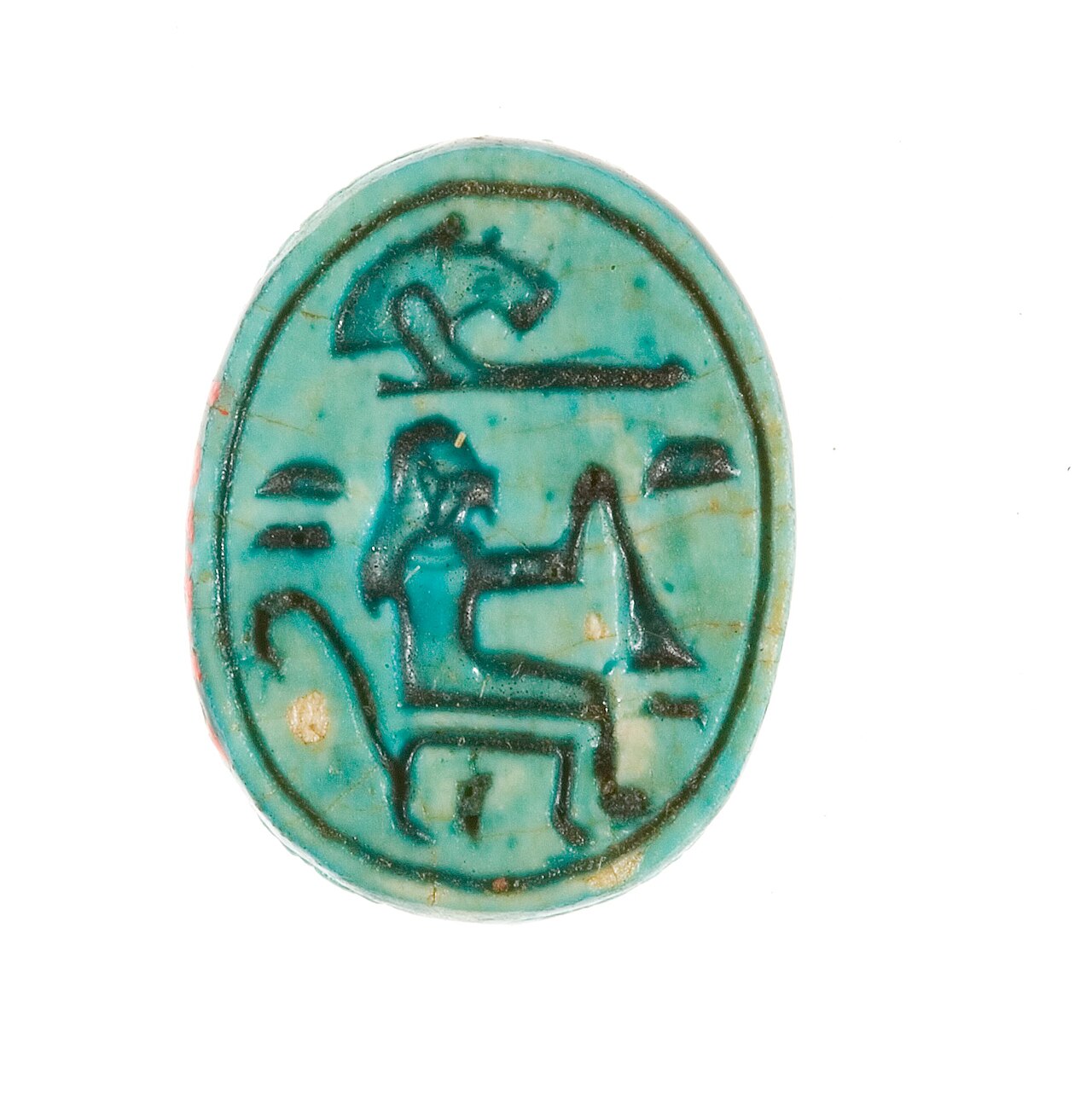
Scarab Inscribed for Hatshepsut
circa 1479–1458 BCE
A faience scarab carved with Hatshepsut's name, dating to the early years of Dynasty 18.
This scarab carries Hatshepsut's name, showing how her royal identity was marked on small personal objects.
About this source
What it is
This is a small glazed faience scarab with a notched back, inscribed on its flat base with hieroglyphic signs including Hatshepsut's name. It dates to the New Kingdom, early Dynasty 18, around her reign.
Why it matters
Scarabs bearing a ruler's name were common small objects in ancient Egypt, often used as seals or amulets. This example shows how Hatshepsut's royal name circulated on everyday objects, not only on grand monuments, spreading her identity as ruler widely.
- What does the small size of this object suggest about how it might have been used or carried?
- Why might rulers want their names on many different kinds of objects?
- What can the hieroglyphic signs tell us, and what do they leave unexplained?
This artifact is part of the curated material that grounds the AI version of Hatshepsut on Humy.ai — when students ask about related events, the AI can quote it and cite it.
More Hatshepsut sources
Meet the AI Hatshepsut →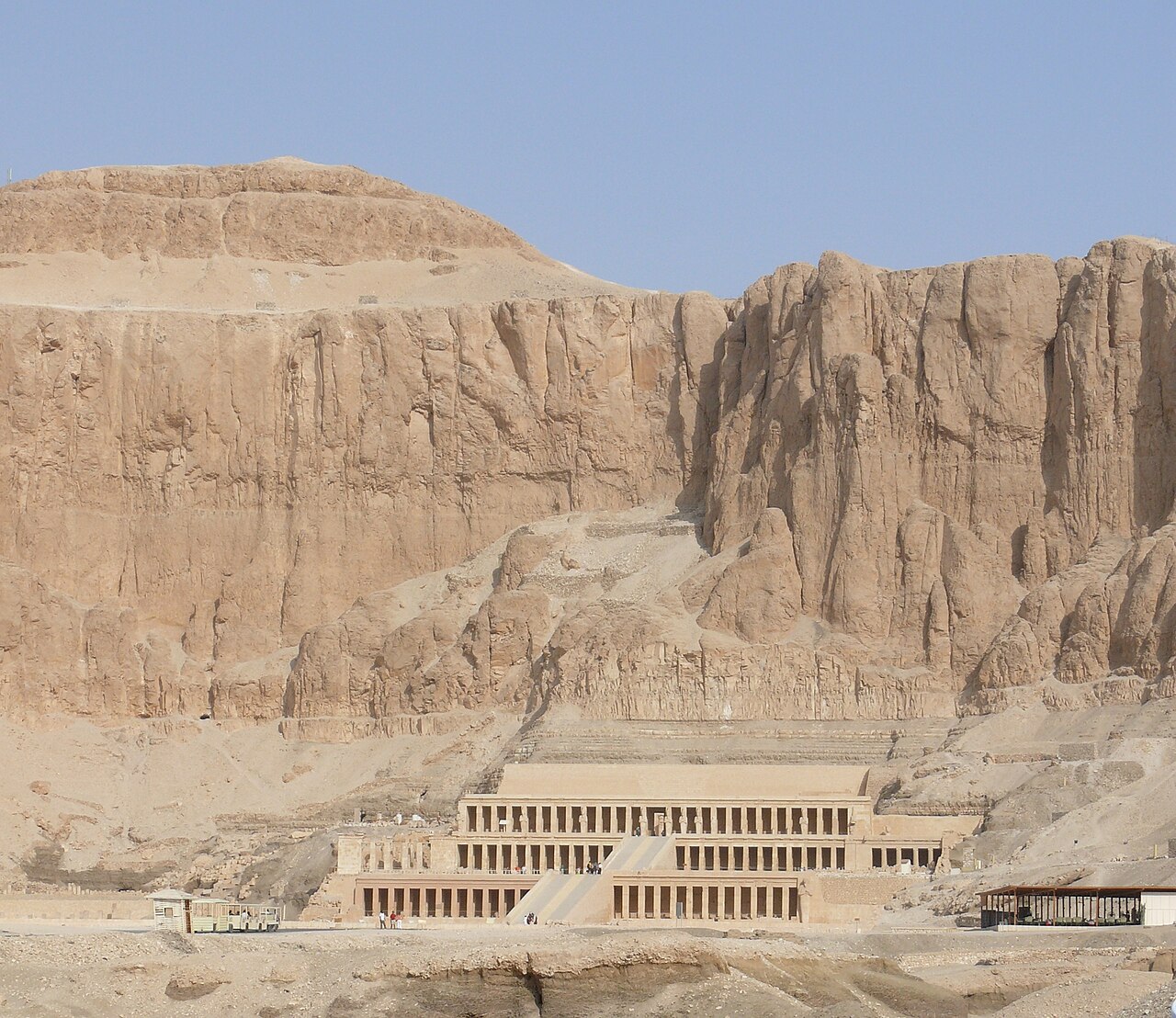 Artifact
Primary source
Mortuary Temple of Hatshepsut
Senenmut and/or Hapuseneb (attributed) · c. 1479–1458 BCE
 Photograph
Secondary source
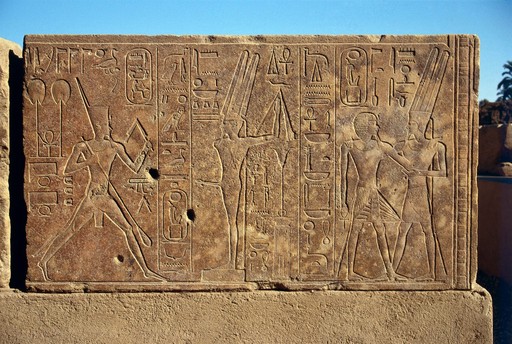
Hatshepsut Dancing Before Min, Karnak Relief
Carole Reeves · 1989
 Sculpture
Primary source
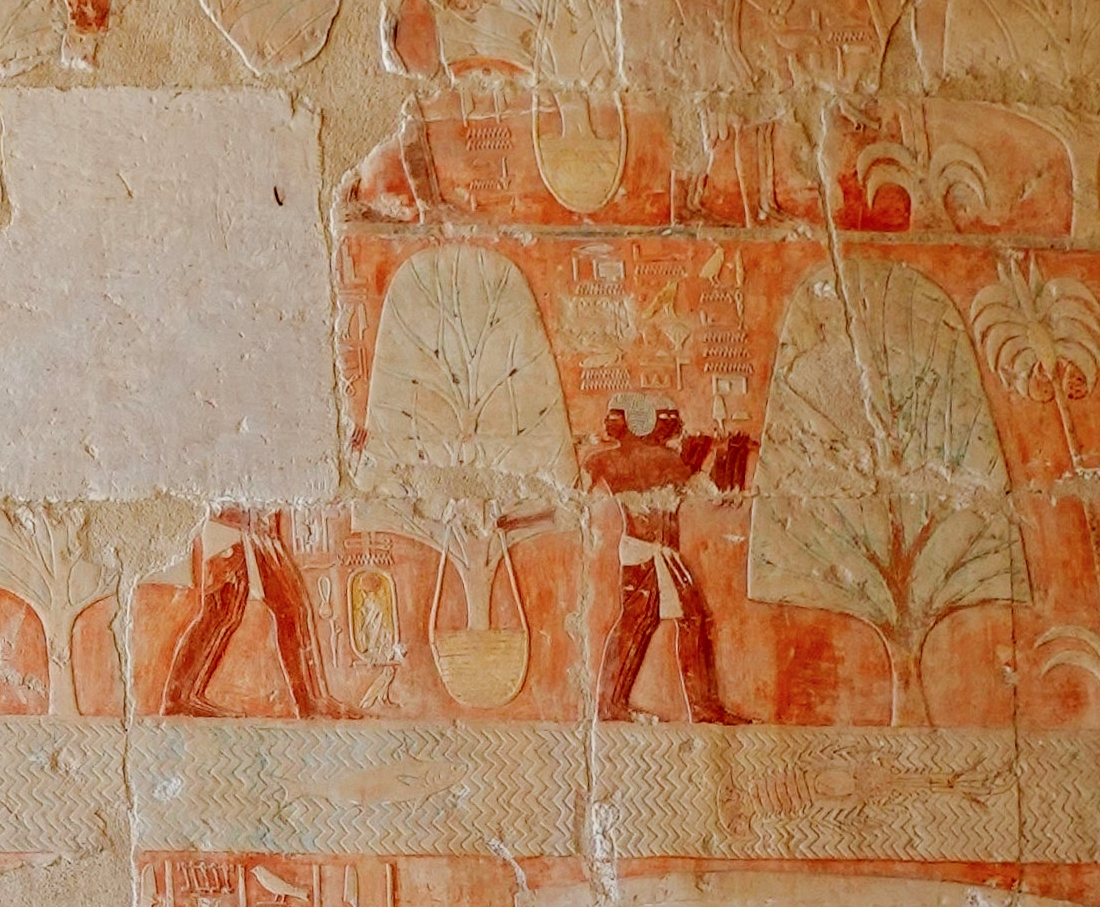
Punt Expedition Reliefs
Royal workshops of Hatshepsut · c. 1470 BCE
 Sculpture
Primary source
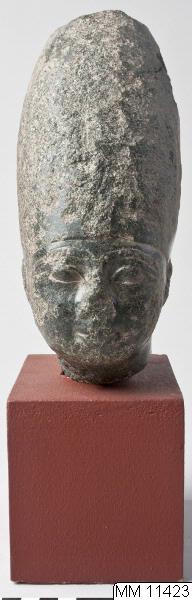
Sculpture Head Probably of Hatshepsut
 Sculpture
Primary source
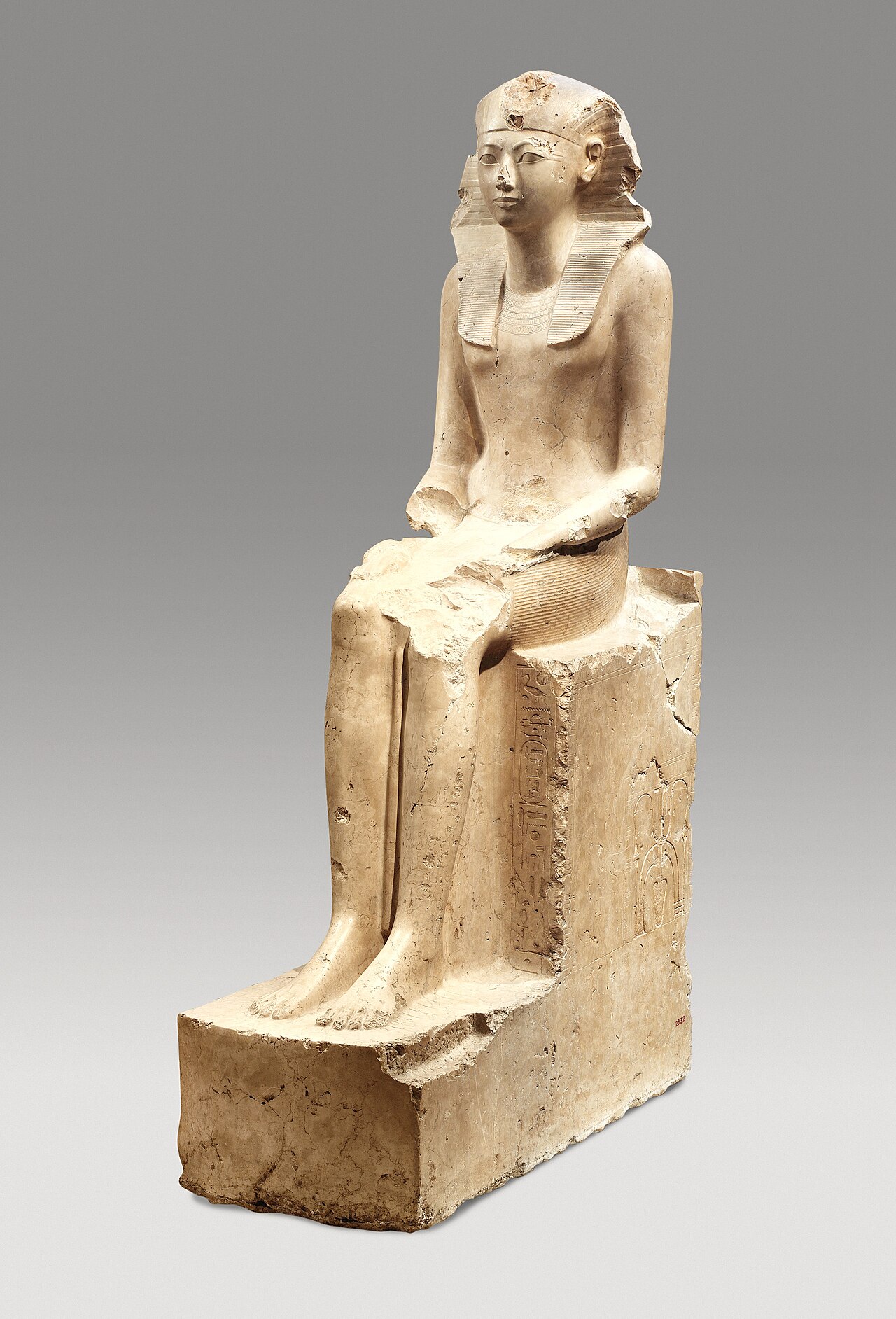
Seated Statue of Hatshepsut
c. 1466 BCE
Ready when you are
Start chatting with Hatshepsut now.
20 messages free · No credit card · Available in 50+ languages.