


Secondary sourceSculpturec. 1400
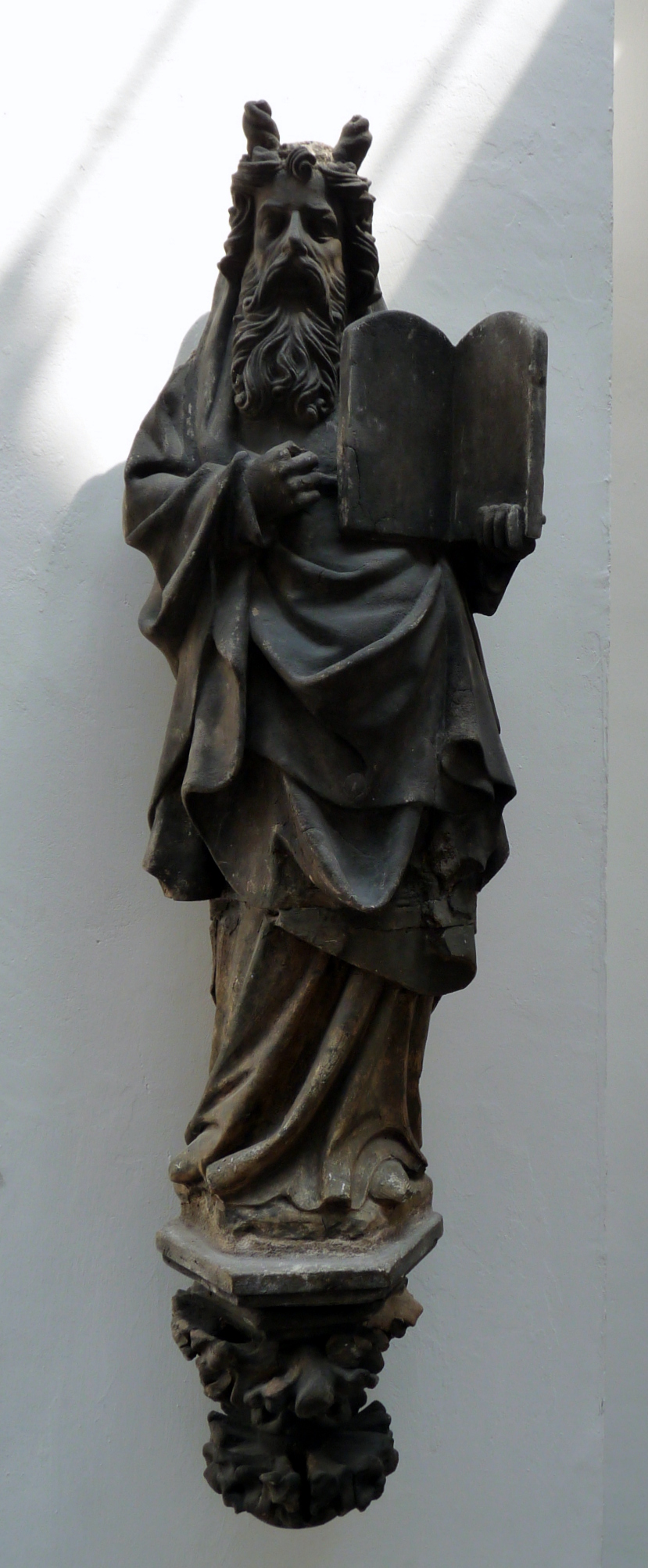
Schöner Brunnen: Moses
c. 1400
A medieval stone statue of Moses holding the tablets of the law, part of the Schöner Brunnen fountain in Nuremberg.
This statue depicts Moses as part of a civic fountain monument in medieval Nuremberg.
About this source
What it is
This is a stone statue made around 1400 by an unknown sculptor, part of the decoration of the Schöner Brunnen ('Beautiful Fountain') in Nuremberg's main market square. It shows Moses with horns, a long beard, and the tablets of the law, and is now kept at the Germanisches Nationalmuseum.
Why it matters
The statue placed Moses among a group of prophets and figures on a public fountain, showing how medieval cities used religious imagery in civic spaces to express shared values and history. The horned depiction reflects a long tradition in medieval and early modern Christian art stemming from a biblical translation issue.
Look closer
- Why might a city choose to display a statue of Moses in a public fountain rather than only in a church?
- What details—like the horns or the tablets—tell you this is meant to be Moses?
- What does the statue's placement on a civic monument suggest about religion's role in medieval city life?
This sculpture is part of the curated material that grounds the AI version of Moses on Humy.ai — when students ask about related events, the AI can quote it and cite it.
More Moses sources
Browse all 85 →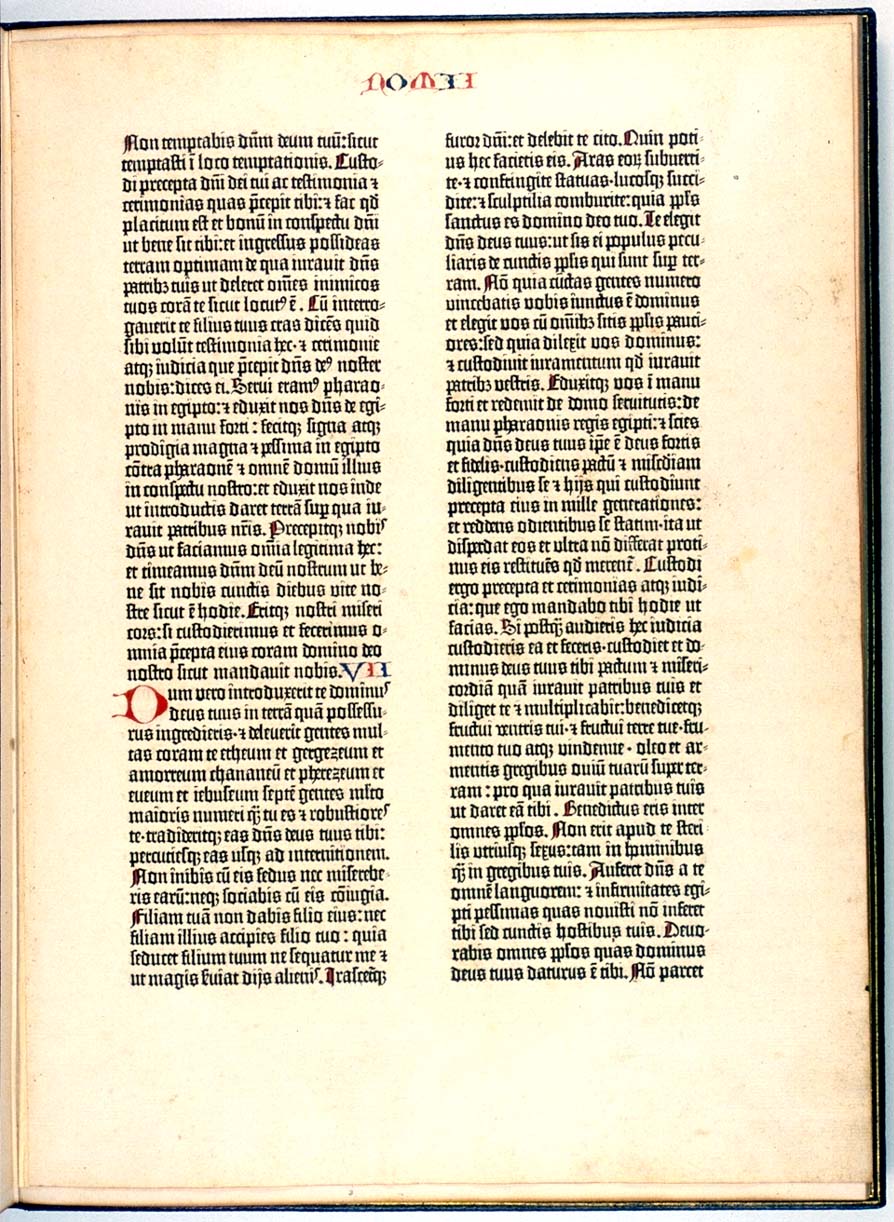 Book
Secondary source
Deuteronomy
Deuteronomist · 7th–5th century BCE
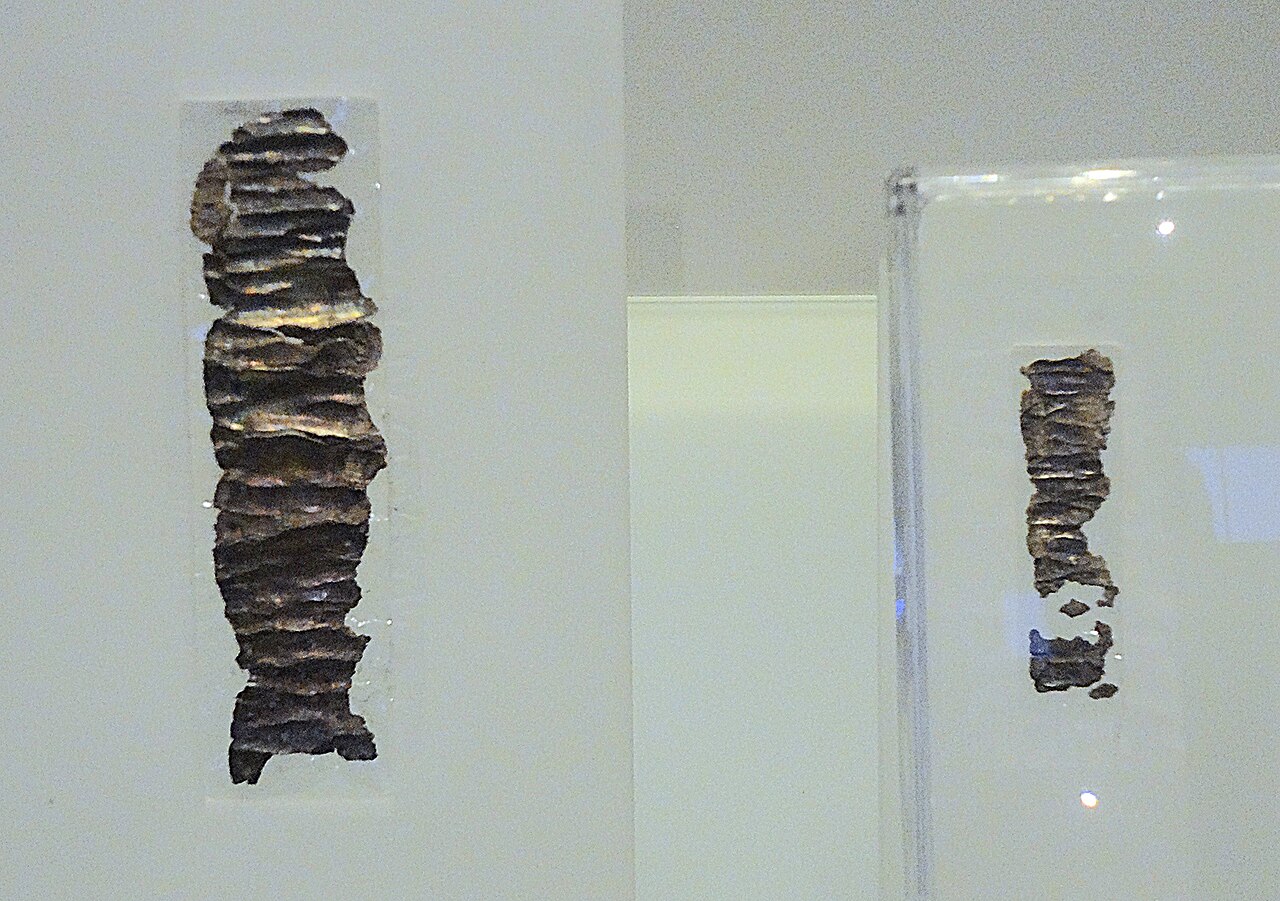 Artifact
Primary source
Ketef Hinnom scrolls
c. 600 BCE
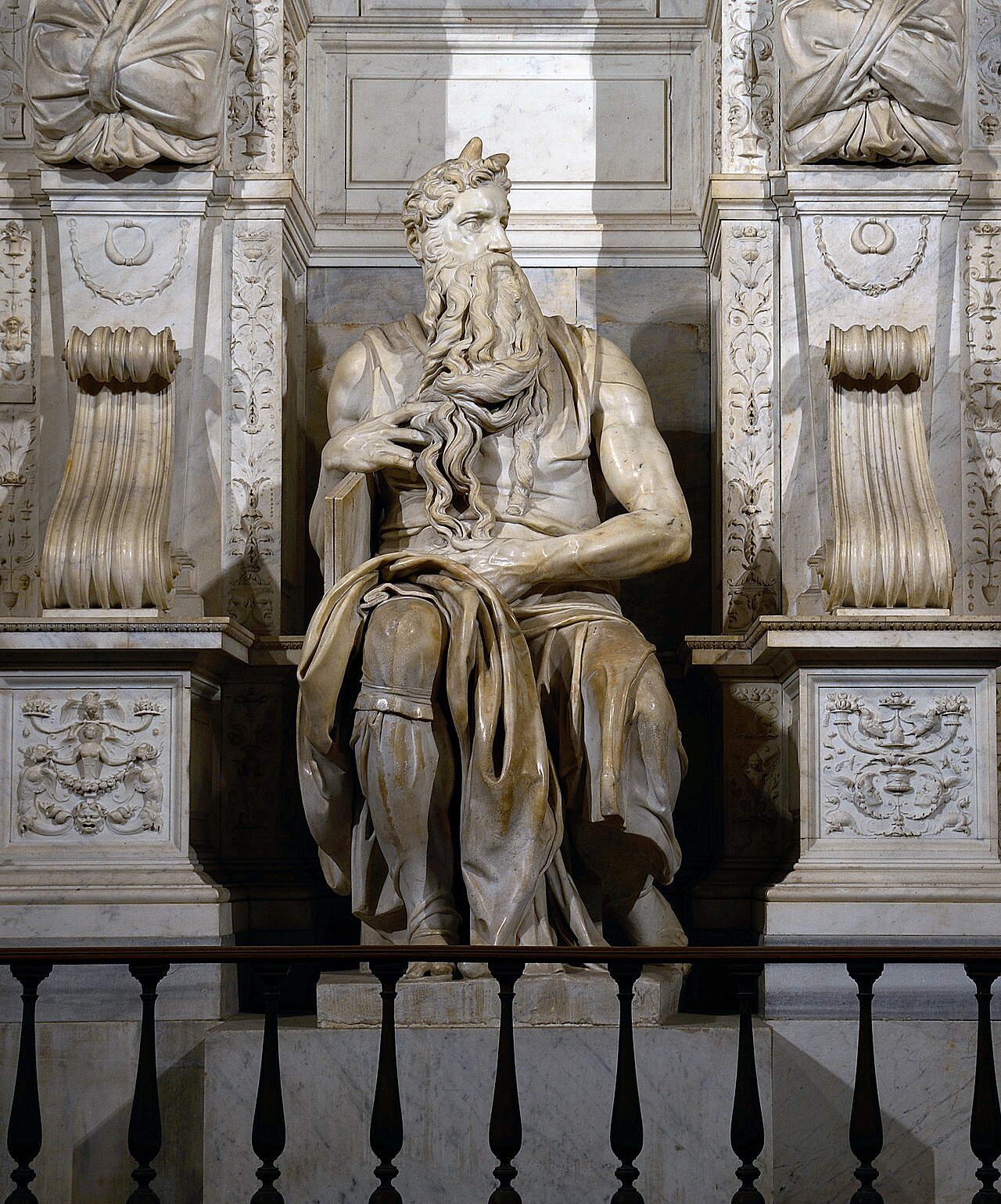 Sculpture
Primary source
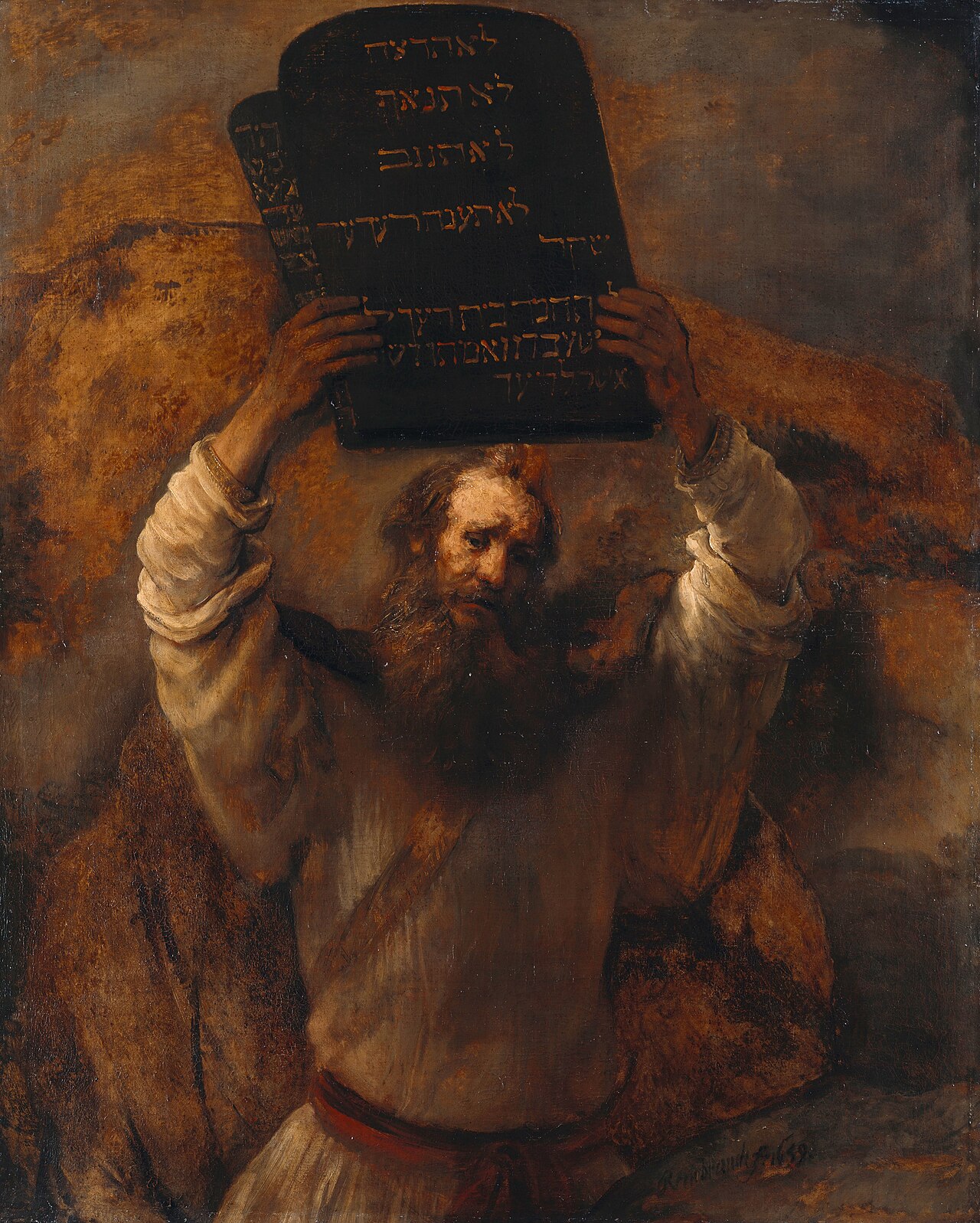
Moses
Michelangelo · c. 1513-1515
 Painting
Secondary source
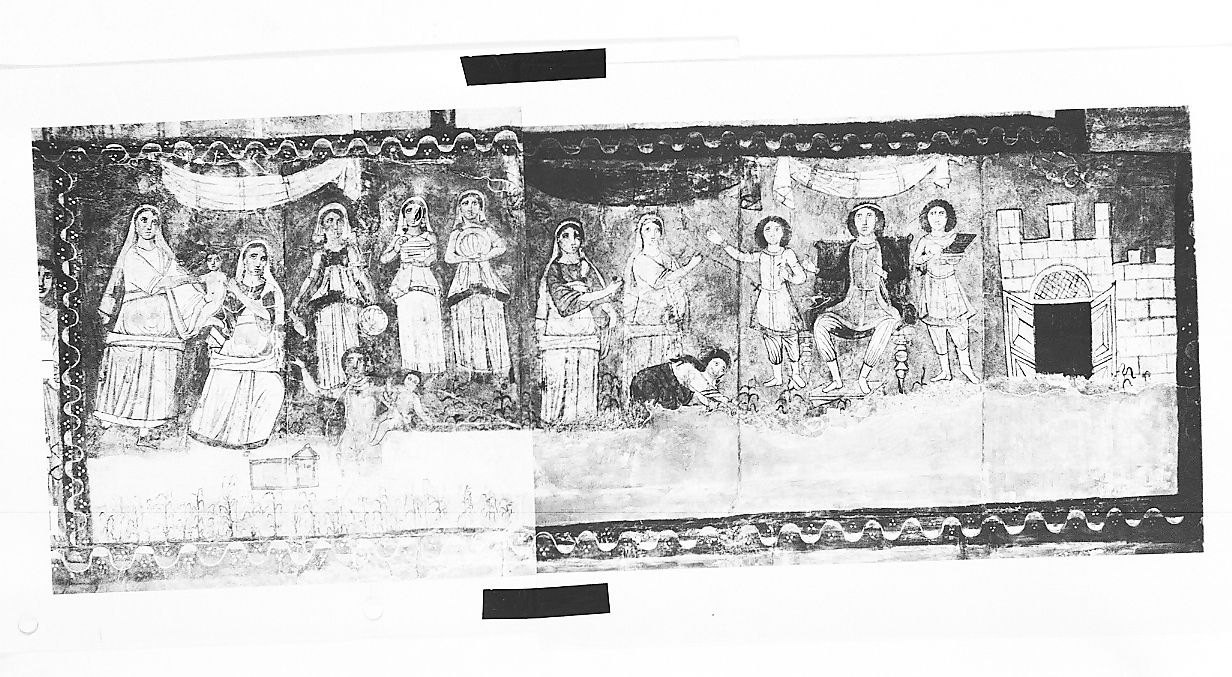
Iconographic Scene WC4, Dura-Europos Synagogue
240 CE
Free account
Read every Moses source
Sign up free →
Ready when you are
Start chatting with Moses now.
20 messages free · No credit card · Available in 50+ languages.