


Primary sourceDocument1046 A.H. (c. 1636 CE)
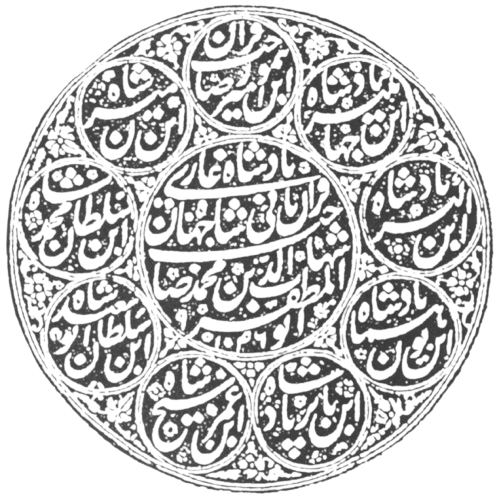
Seal of Shah Jahan
Shah Jahan · 1046 A.H. (c. 1636 CE)
A genealogical seal of Shah Jahan recording his descent from Timur, used to assert his dynastic legitimacy.
This seal, bearing Shah Jahan's own genealogy, was used by him to assert his descent from Timur and his legitimacy as emperor.
About this source
What it is
This is a genealogical seal belonging to Shah Jahan, dated 1046 A.H. (around 1636 CE). It is a circular seal with a central inscription panel surrounded by eight smaller medallions, all in Persian calligraphy.
Why it matters
Mughal emperors often used seals listing their royal ancestry to show their right to rule. By tracing his lineage, Shah Jahan connected himself to his dynasty's founder, Timur, reinforcing his authority as emperor. Seals like this were used on official documents and letters, making them tools of both administration and propaganda.
Look closer
- Why might an emperor want his ancestry written out on an official seal?
- What does the decorative border and layout suggest about how important this object was meant to look?
- What can a seal tell us about a ruler that other documents cannot?
This document is part of the curated material that grounds the AI version of Shah Jahan on Humy.ai — when students ask about related events, the AI can quote it and cite it.
More Shah Jahan sources
Browse all 99 → Artifact
Primary source
Taj Mahal
Ustad Ahmad Lahori · 1631-1653
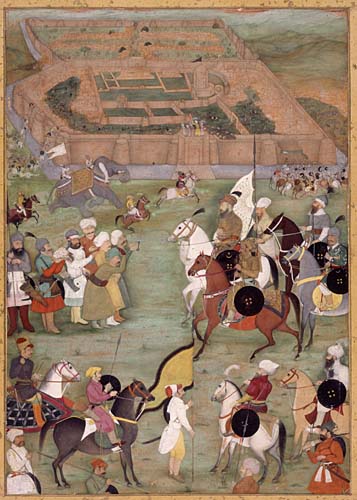 Book
Primary source
Padshahnama
Abdul Hamid Lahori · 1630-1657
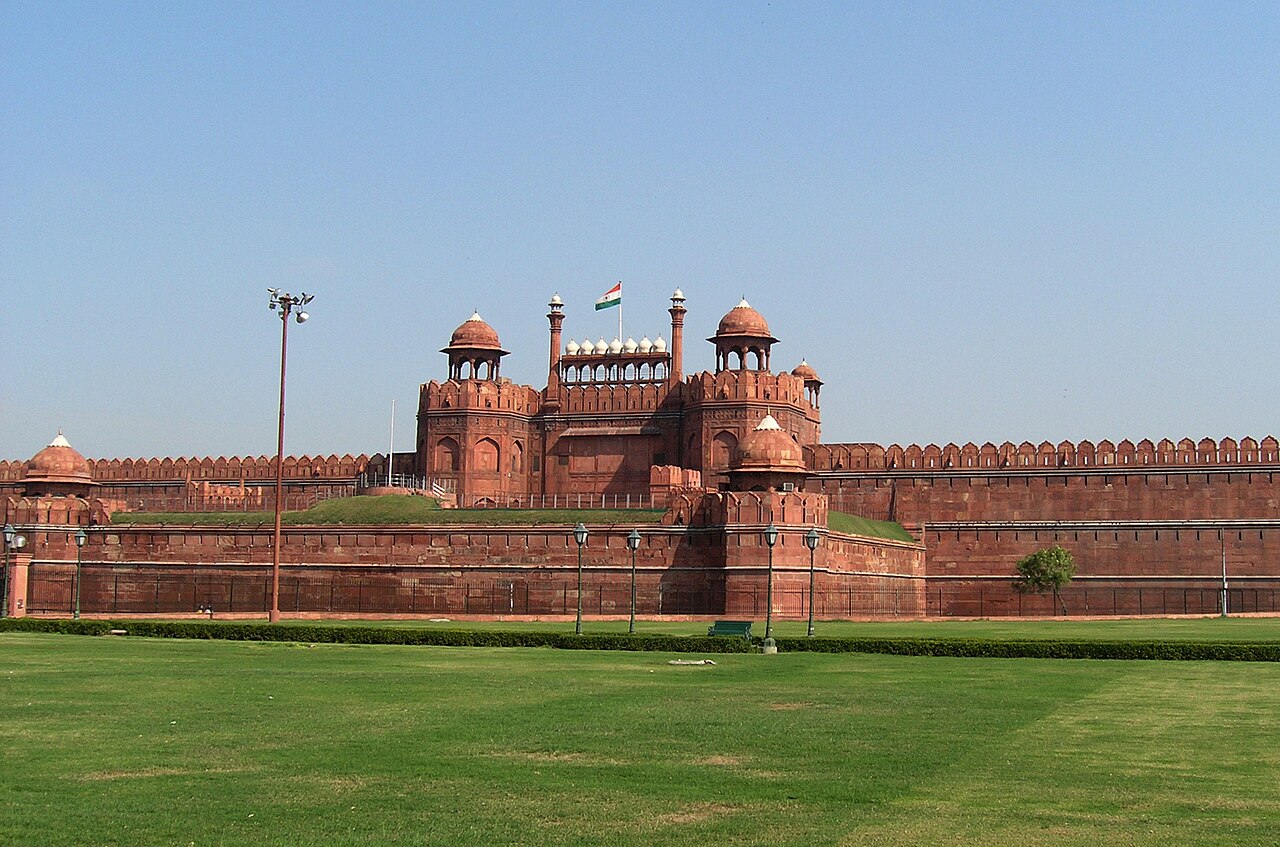 Artifact
Primary source
Red Fort
Ustad Ahmad Lahori · 1638-1648
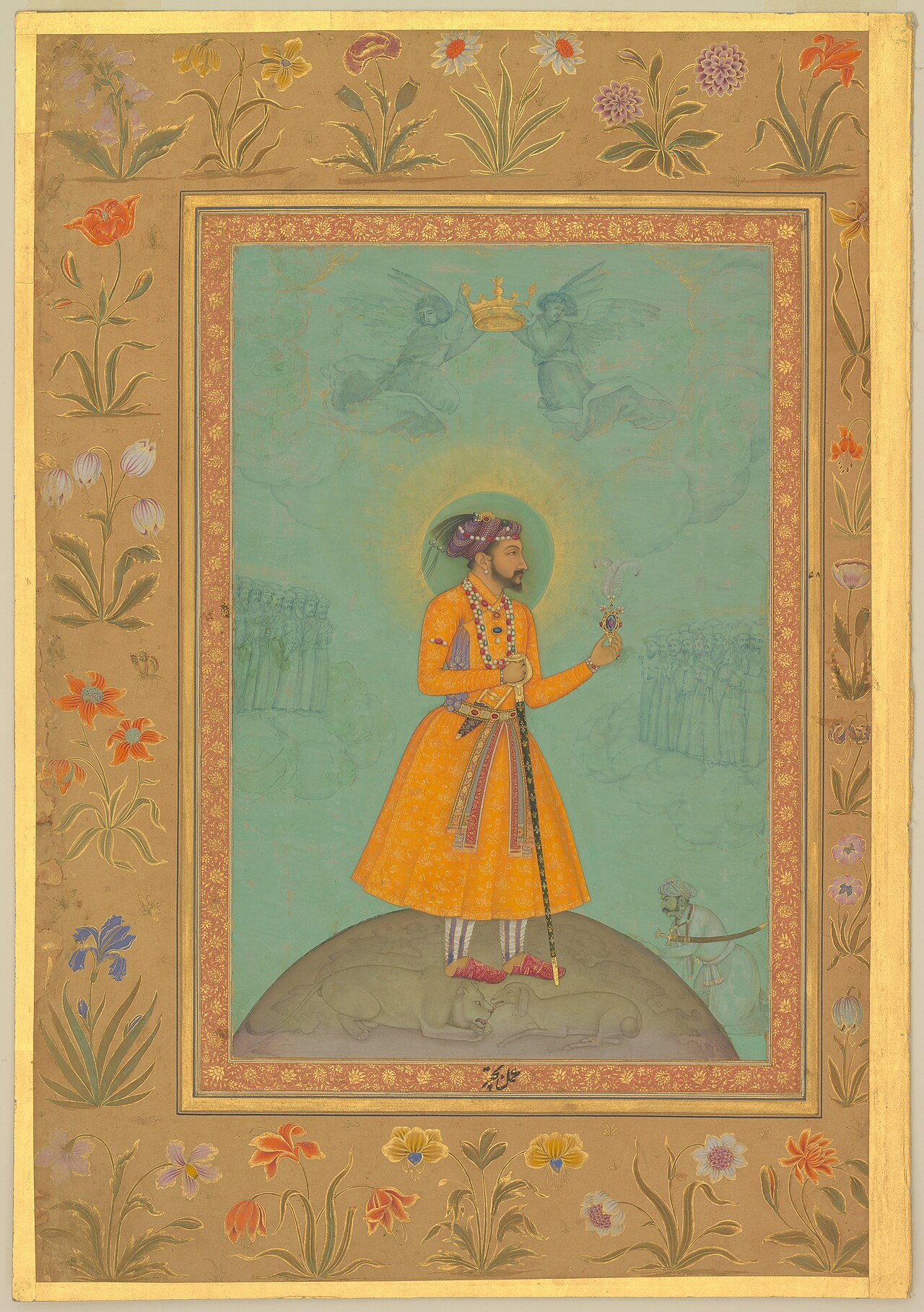 Painting
Primary source
Mughal Emperor Shah Jahan standing on a globe
Bichitr · c. 1630
Free account
Read every Shah Jahan source
Sign up free →
Ready when you are
Start chatting with Shah Jahan now.
20 messages free · No credit card · Available in 50+ languages.