


Primary sourceLetter1st century AD
Second Epistle of John
John the Presbyter · 1st century AD
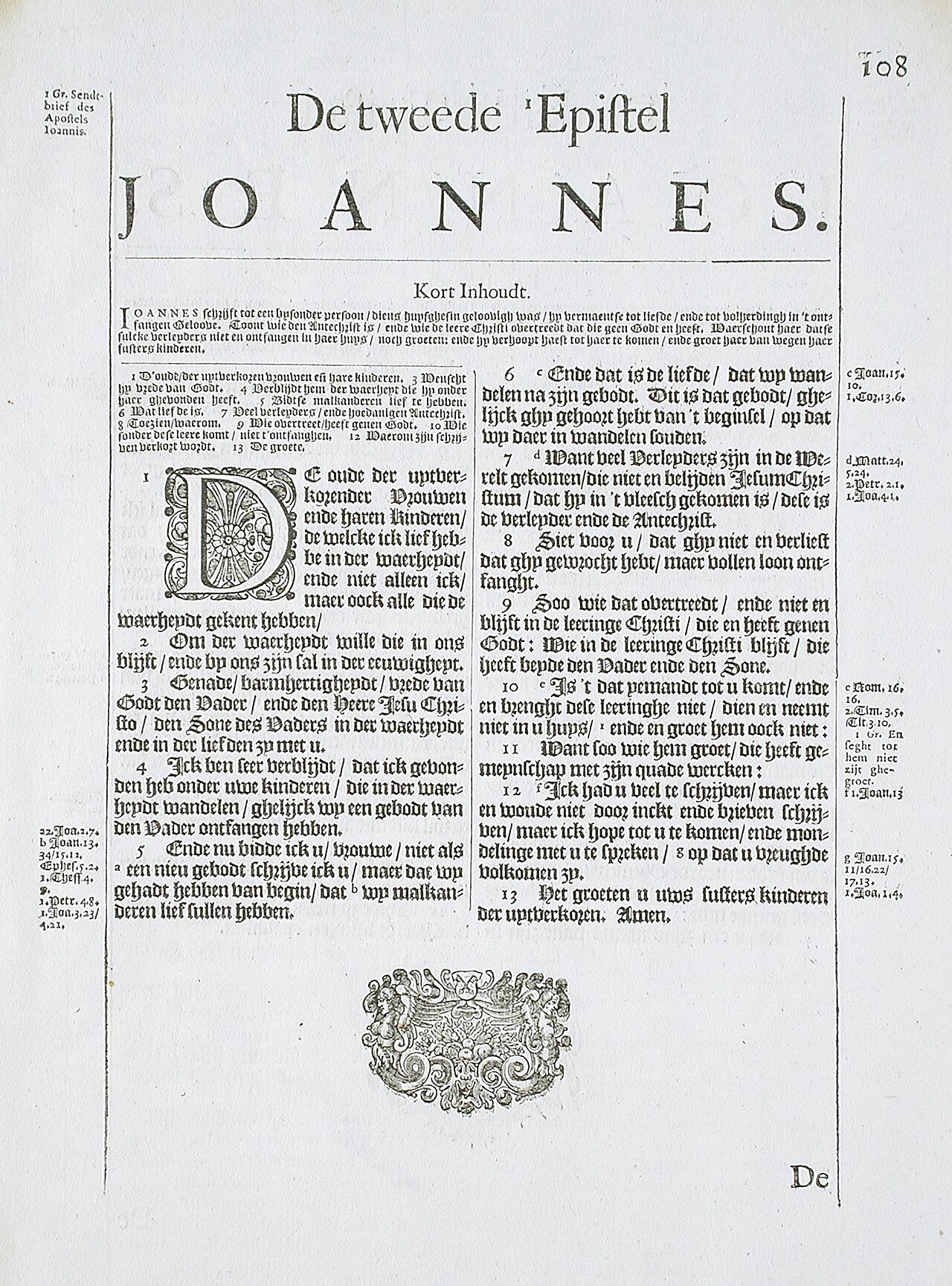
A short New Testament letter attributed to 'the Elder', traditionally linked to John the Apostle, warning a church community against false teachers.
Traditionally attributed to John the Apostle, this letter raises the scholarly debate over whether he is the same person as its author, 'the Elder'.
About this source
What it is
The Second Epistle of John is a short letter in the New Testament whose author calls himself only "the elder." It is addressed to "the elect lady" and her children, warning against false teachers who denied Jesus came in the flesh. Tradition links the author to John the Evangelist, though most modern scholars think this may be a different person known as John the Presbyter.
Why it matters
This letter matters because it raises a real historical puzzle: was the author the same John who was a companion of Jesus, or a separate early church leader with the same name? The letter's warning against docetic beliefs (that Jesus was not truly human) shows the kinds of debates circulating in the earliest Christian communities.
- Why might an author choose to identify himself only as "the elder" rather than by name?
- Who might "the elect lady" represent — a real person or a whole community?
- What does this letter's content tell us about disagreements among early Christians?
This letter is part of the curated material that grounds the AI version of John the Apostle on Humy.ai — when students ask about related events, the AI can quote it and cite it.
More John the Apostle sources
Browse all 87 →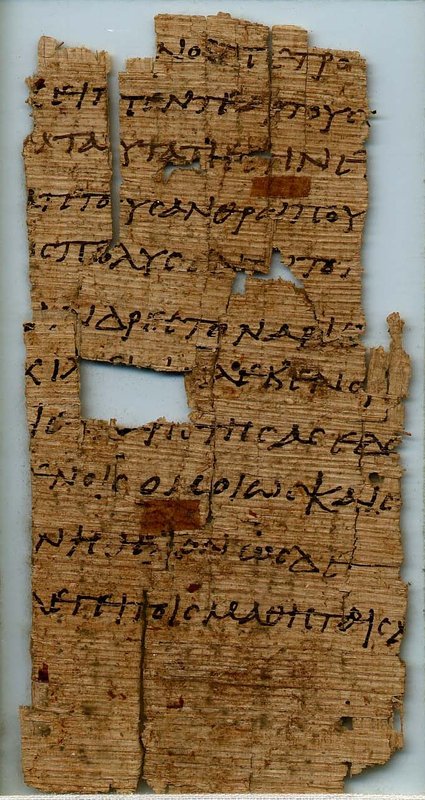 Book
Secondary source
Gospel of John
John the Evangelist · c. AD 90-100
 Book
Primary source
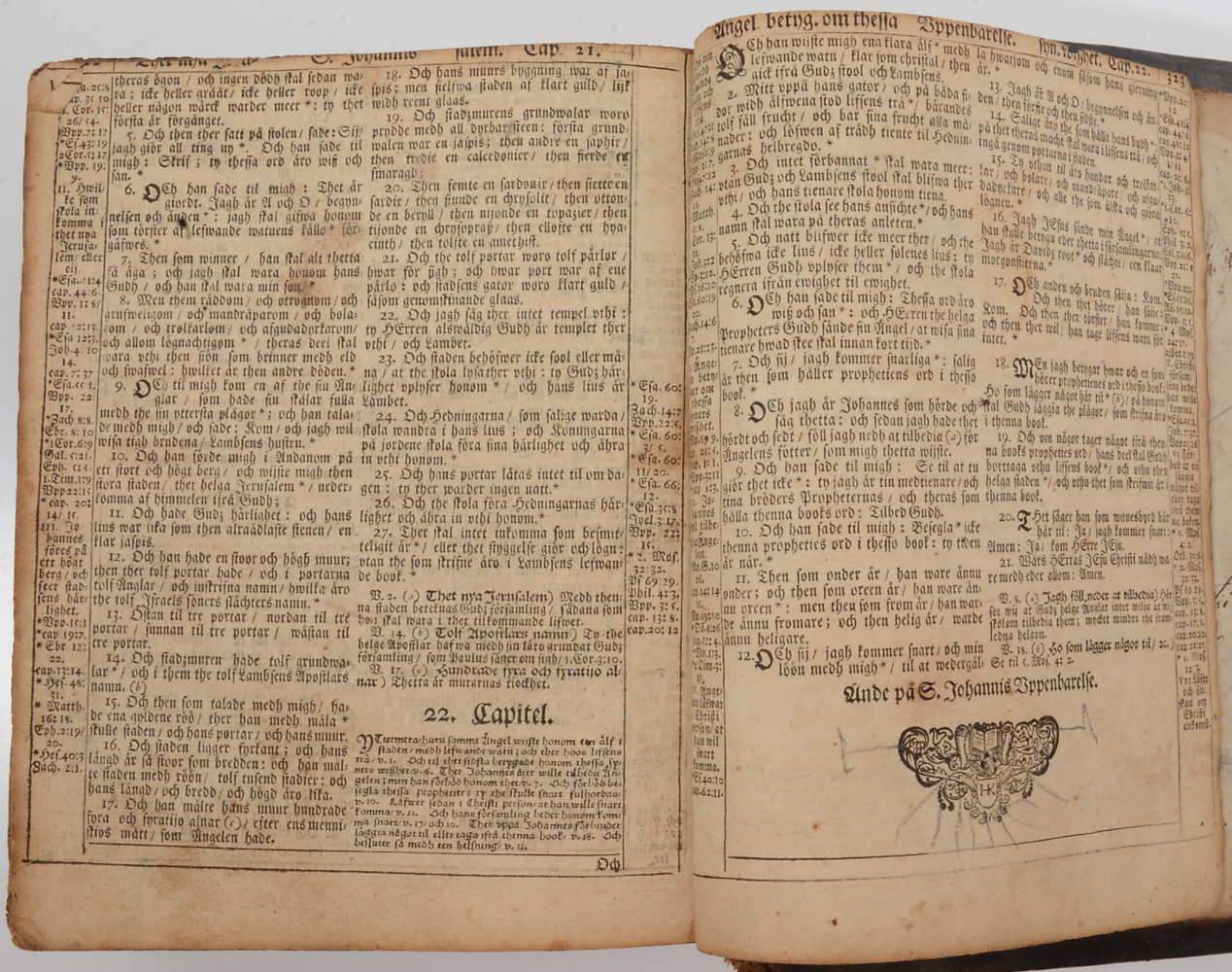
Book of Revelation
John of Patmos · c. 95 AD
 Letter
Secondary source
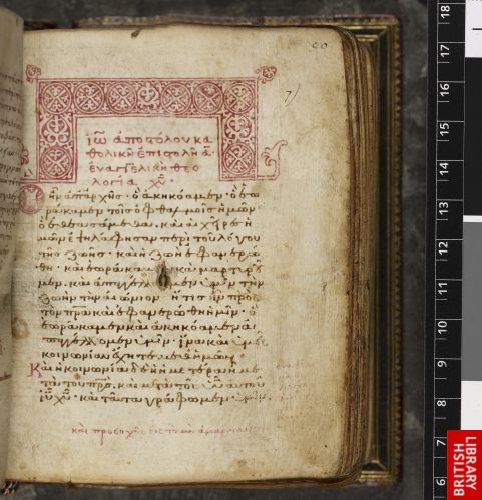
First Epistle of John
John the Presbyter · c. 95-110 AD
 Document
Secondary source
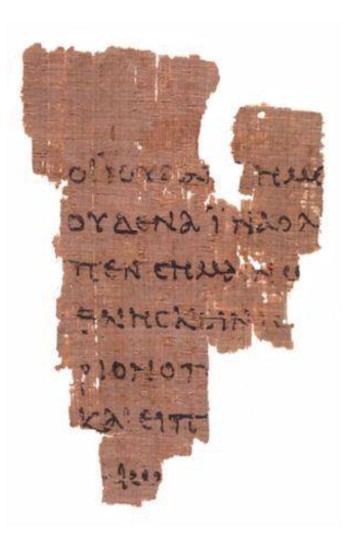
Rylands Library Papyrus P52
c. 125-175 AD
Free account
Read every John the Apostle source
Sign up free →
Ready when you are
Start chatting with John the Apostle now.
20 messages free · No credit card · Available in 50+ languages.