


Primary sourcePainting1623
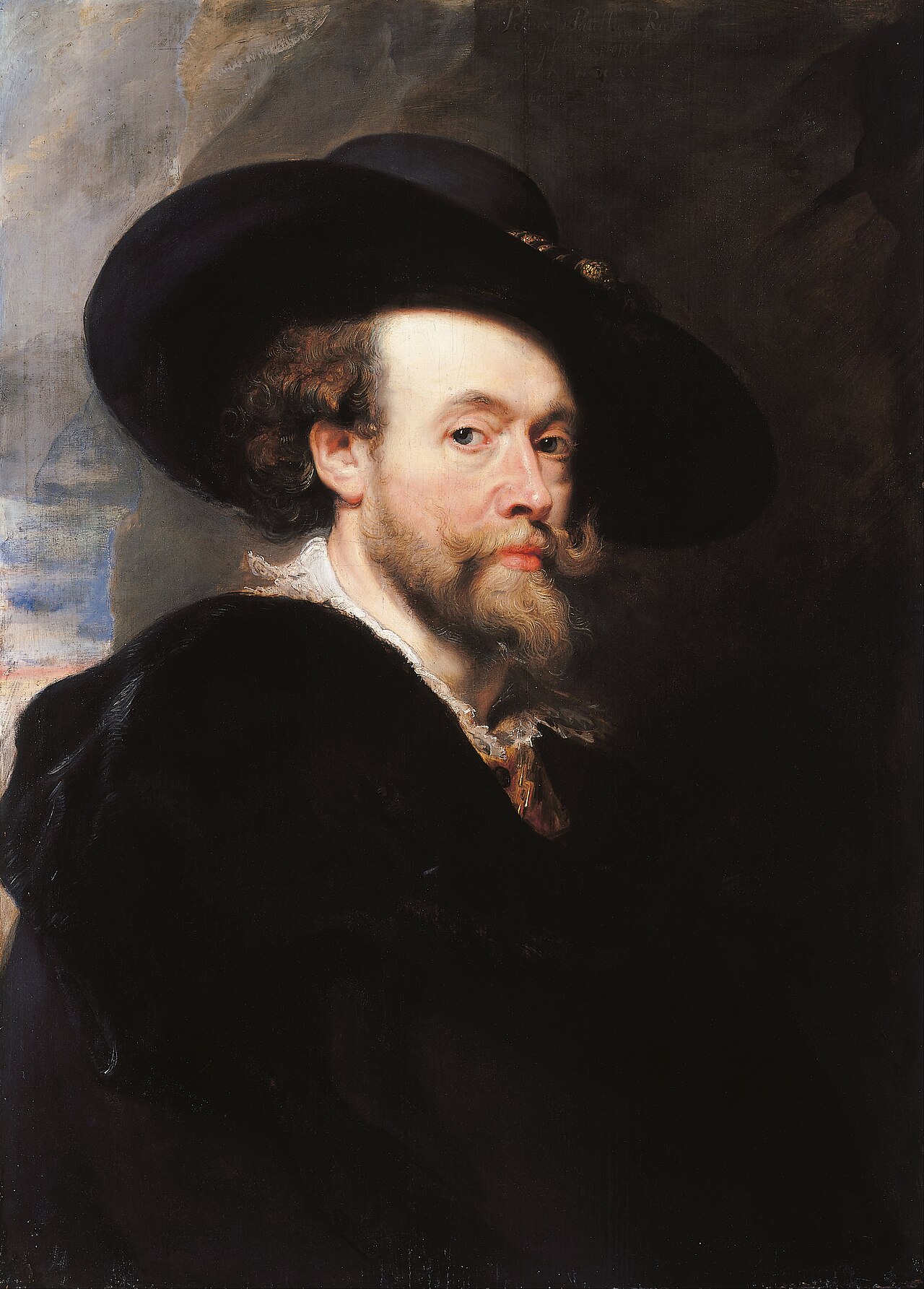
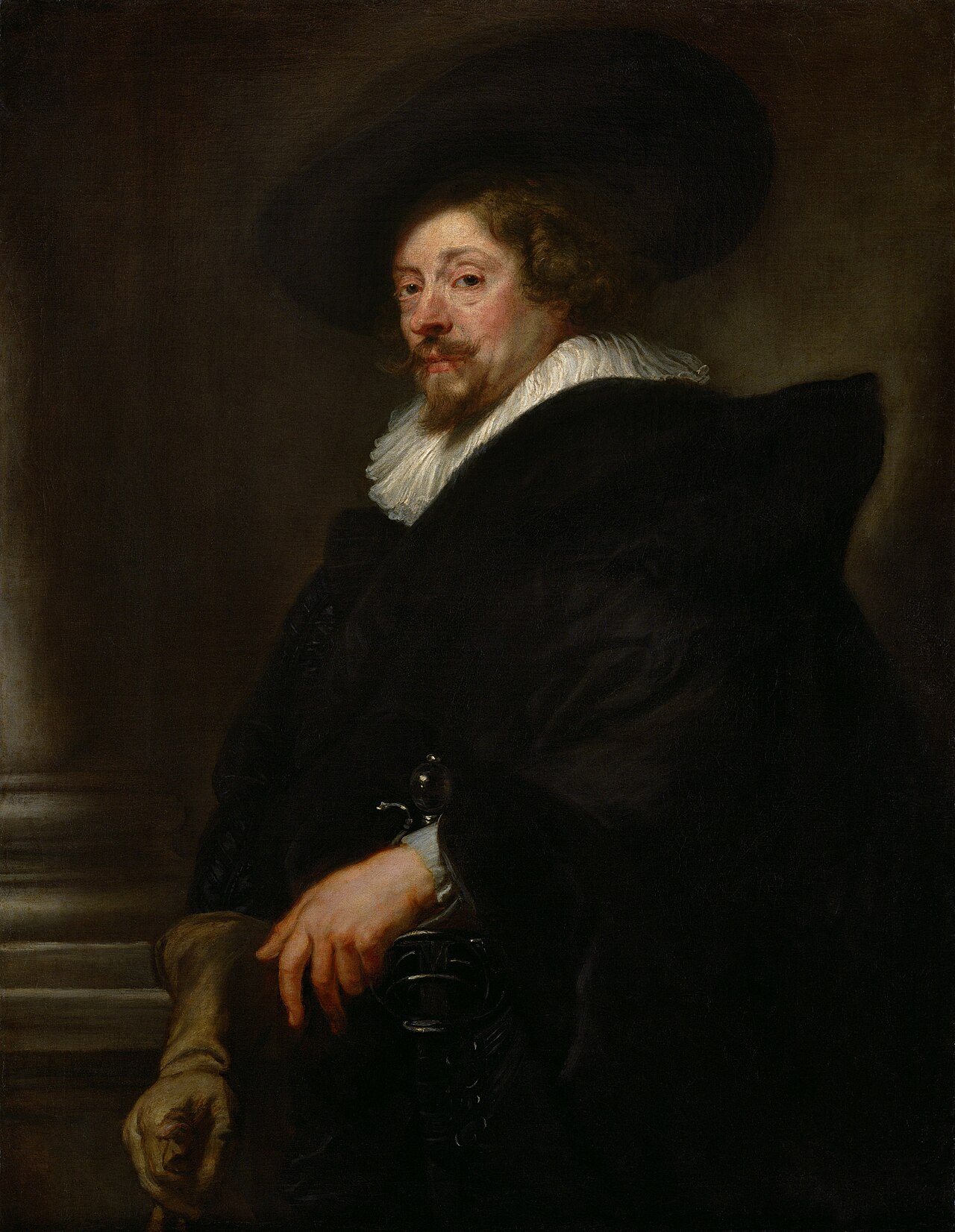
Self-Portrait (1623)
Peter Paul Rubens · 1623
A self-portrait Rubens sent to the future Charles I of England, showing his international fame as a painter.
Rubens's self-portrait, painted as a gift to the future Charles I, showing his fame and courtly self-image.
About this source
What it is
This oil-on-canvas self-portrait was painted by Peter Paul Rubens in 1623, signed and dated by the artist. He made it to send to the Prince of Wales, later King Charles I. It remains in the Royal Collection and shows Rubens wearing a wide-brimmed hat.
Why it matters
By 1623 Rubens was a famous and sought-after painter across Europe, and this portrait was a gift meant for a future king, showing his status and connections among royalty. The painting also reflects how Rubens presented himself—confident, fashionable, and courtly.
Look closer
- Why might Rubens choose to send a self-portrait, rather than another kind of painting, to a prince?
- What does his clothing and pose suggest about the image he wanted to project of himself?
- What does this gift tell us about the relationship between artists and powerful patrons at the time?
This painting is part of the curated material that grounds the AI version of Peter Paul Rubens on Humy.ai — when students ask about related events, the AI can quote it and cite it.
More Peter Paul Rubens sources
Browse all 97 →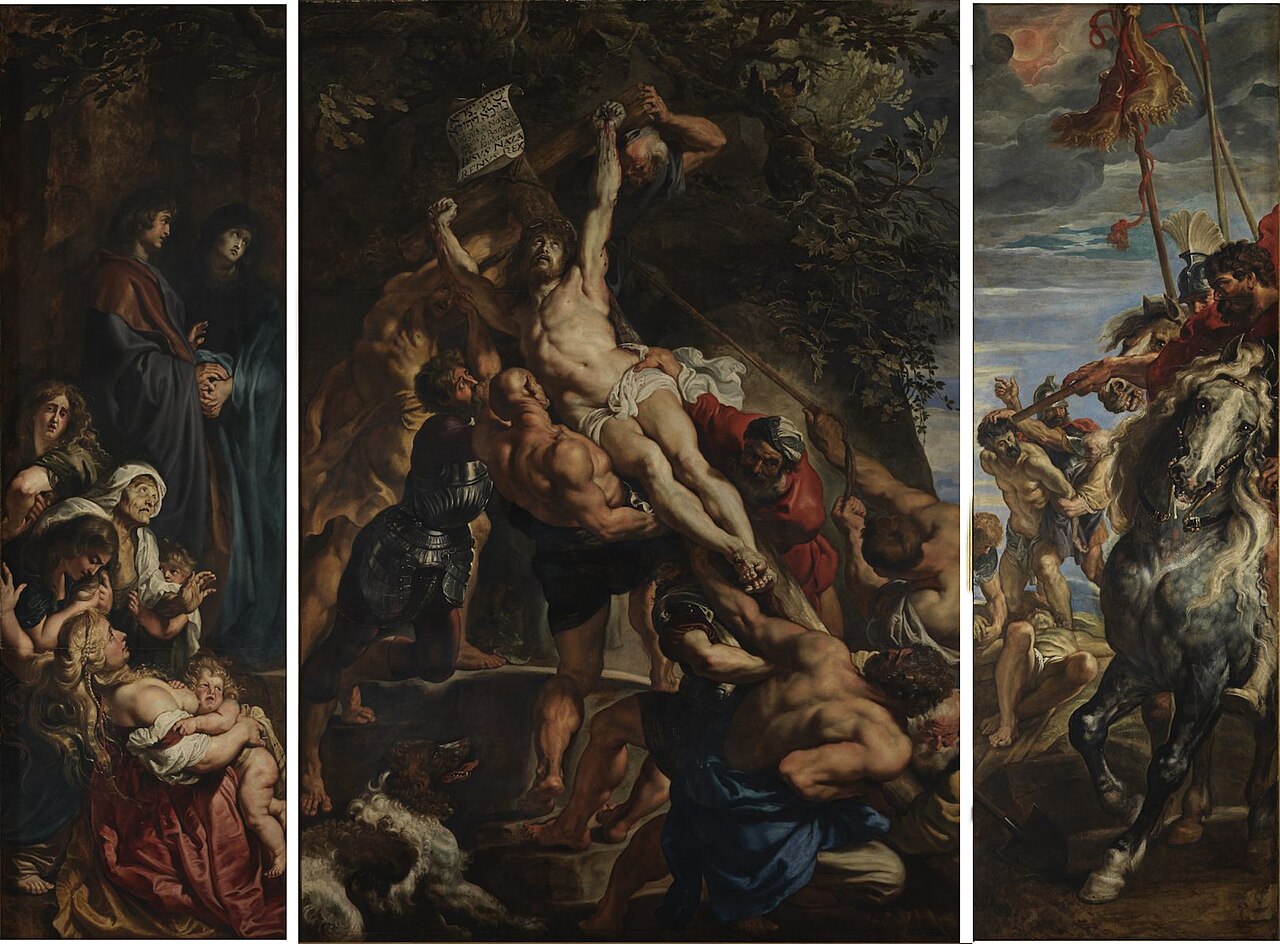 Painting
Primary source
The Elevation of the Cross
Peter Paul Rubens · 1610–1611
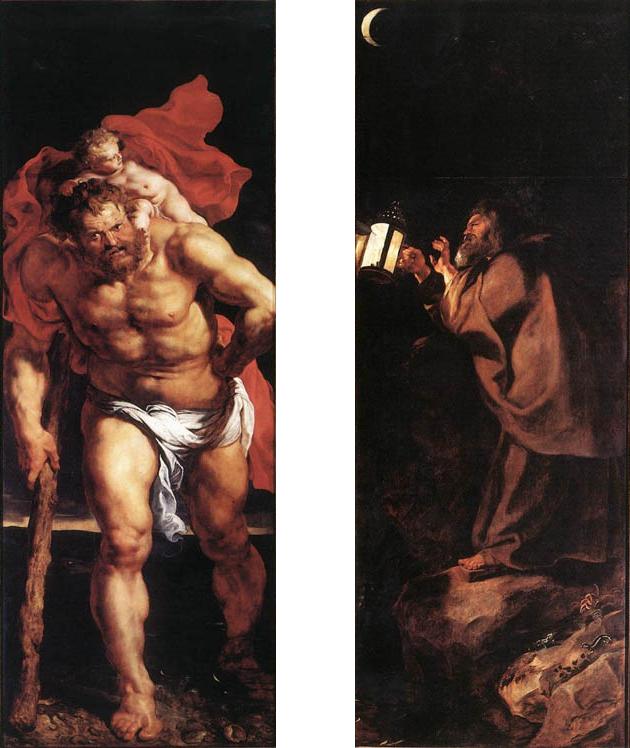 Painting
Primary source
The Descent from the Cross
Peter Paul Rubens · 1611–1614
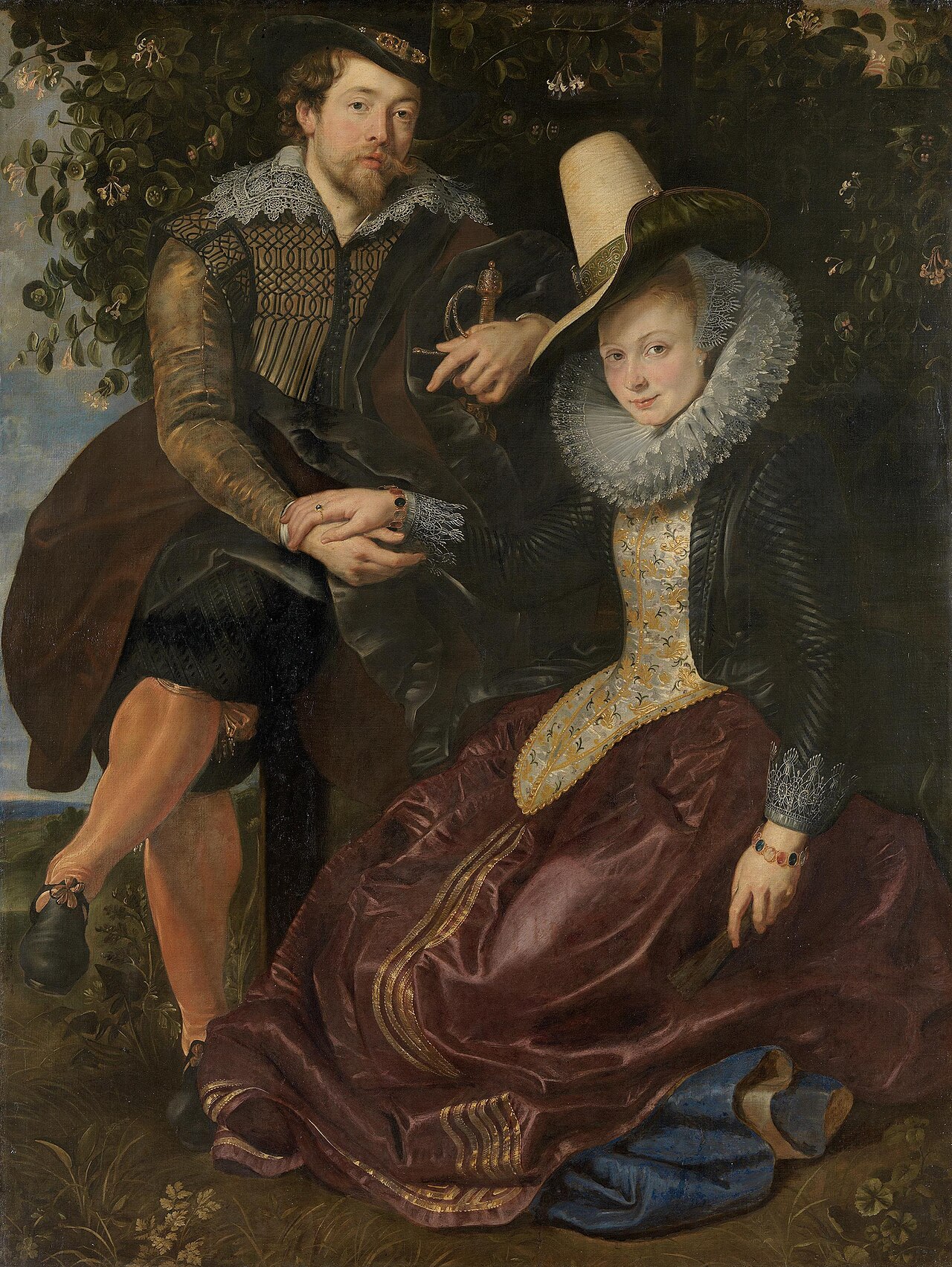 Painting
Primary source
The Honeysuckle Bower
Peter Paul Rubens · c. 1609
 Painting
Primary source
Self-Portrait
Peter Paul Rubens · 1638–1639
Free account
Read every Peter Paul Rubens source
Sign up free →
Ready when you are
Start chatting with Peter Paul Rubens now.
20 messages free · No credit card · Available in 50+ languages.