


Primary sourcePainting1819
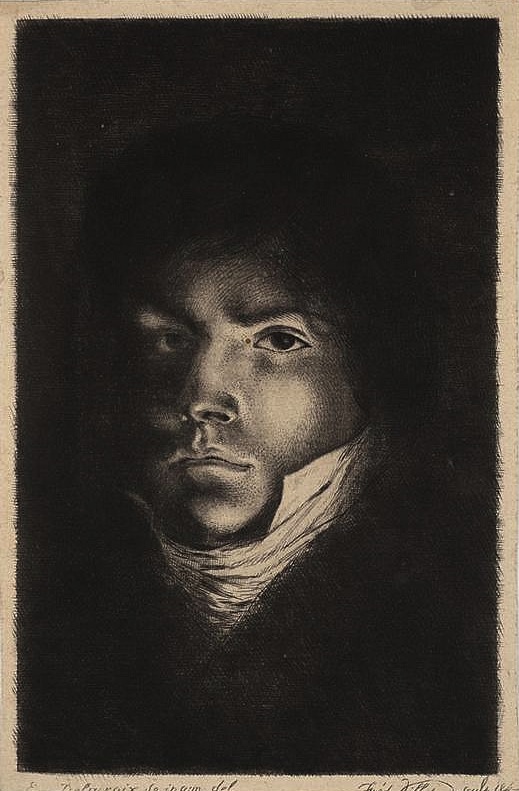
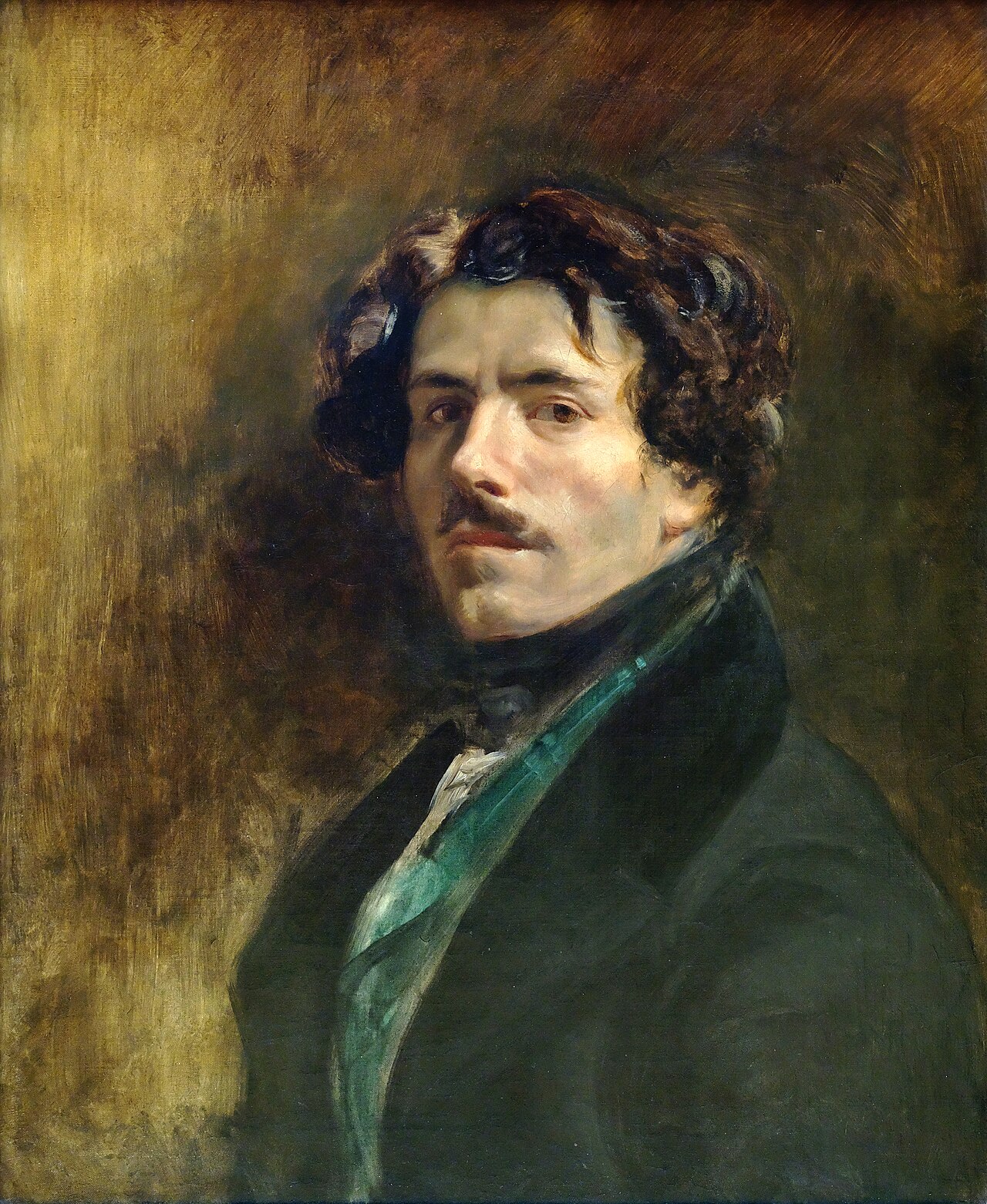
Self-Portrait of Delacroix for Villot
Eugène Delacroix · 1819
A self-portrait etching by Delacroix from around 1819, showing his own face emerging from shadow.
A self-portrait made by Delacroix himself, showing how he chose to depict his own image.
About this source
What it is
This etching, made by Eugène Delacroix himself around 1819, is a self-portrait showing his face in three-quarter view emerging from deep shadow. It was made for Villot, as recorded in its description.
Why it matters
Self-portraits let artists control exactly how they wished to be seen, unlike portraits made by others. This early self-portrait, done when Delacroix was still a young man, offers insight into how he viewed and presented himself before he became famous.
Look closer
- What effect does the use of shadow and light create in this self-portrait?
- Why might an artist choose etching rather than painting to depict himself?
- What might this image suggest about Delacroix's mood or self-image at this stage of his life?
This painting is part of the curated material that grounds the AI version of Eugène Delacroix on Humy.ai — when students ask about related events, the AI can quote it and cite it.
More Eugène Delacroix sources
Browse all 95 →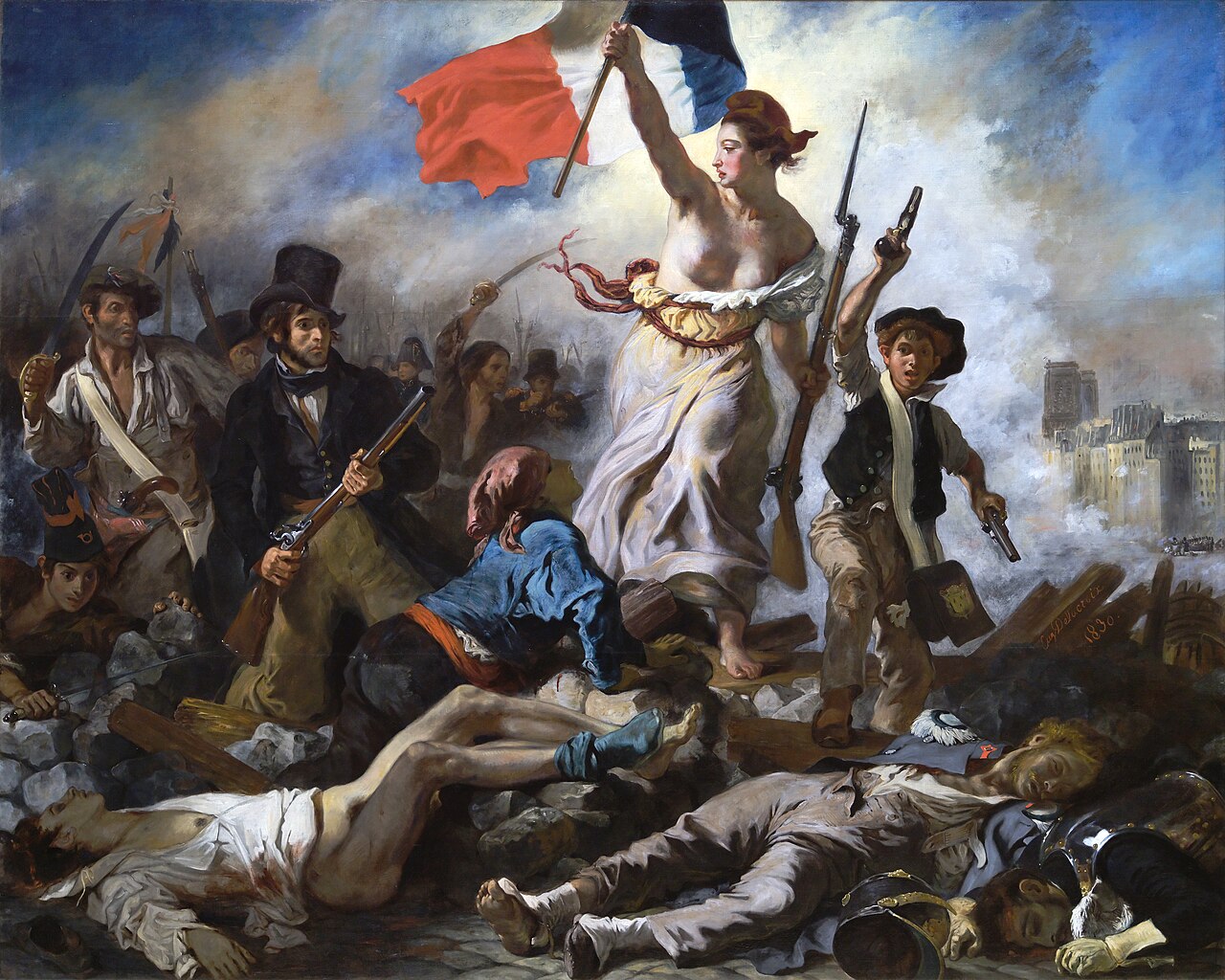 Painting
Primary source
Liberty Leading the People
Eugène Delacroix · 1830
 Painting
Secondary source
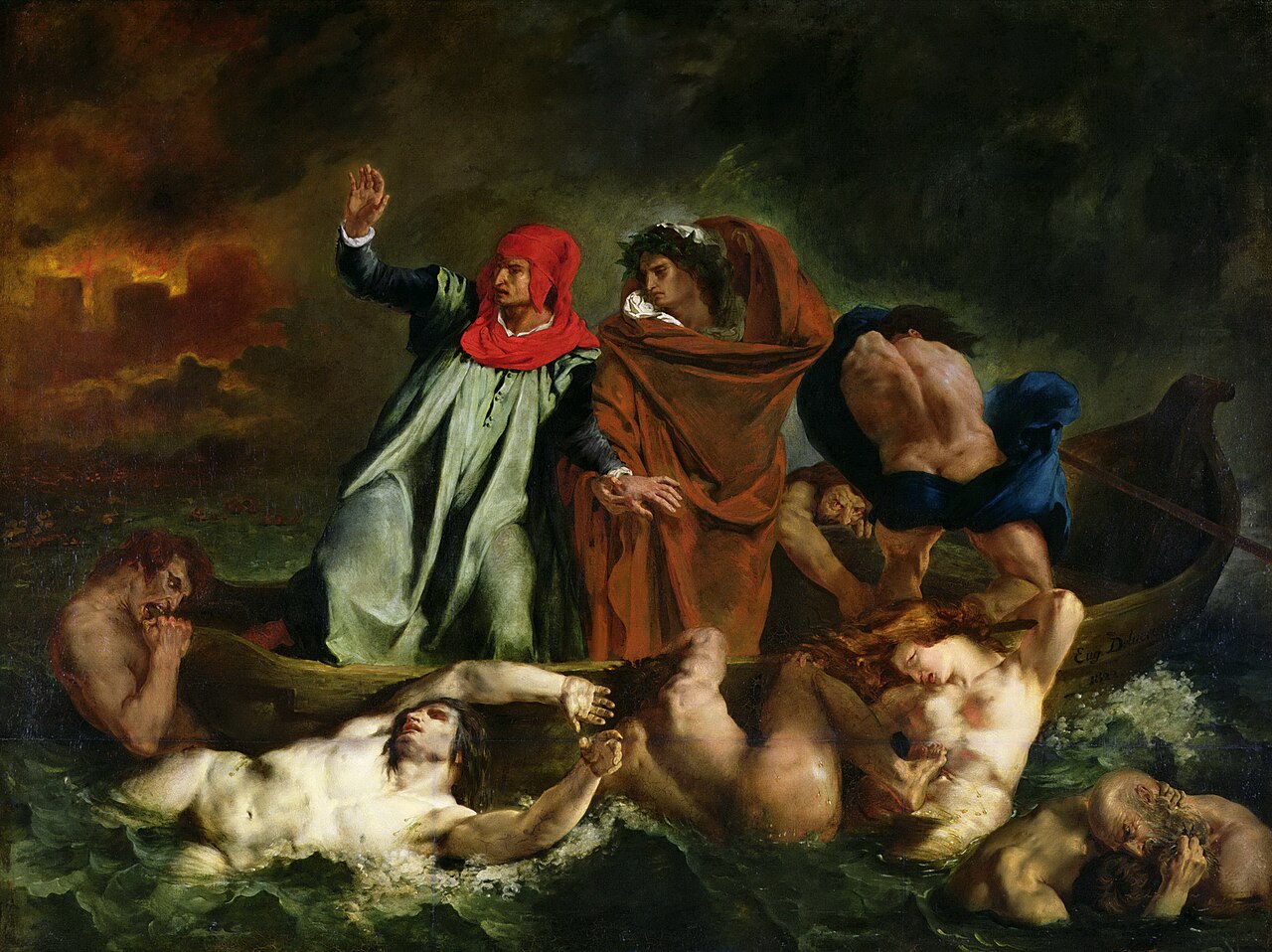
The Barque of Dante
Eugène Delacroix · 1822
 Painting
Primary source
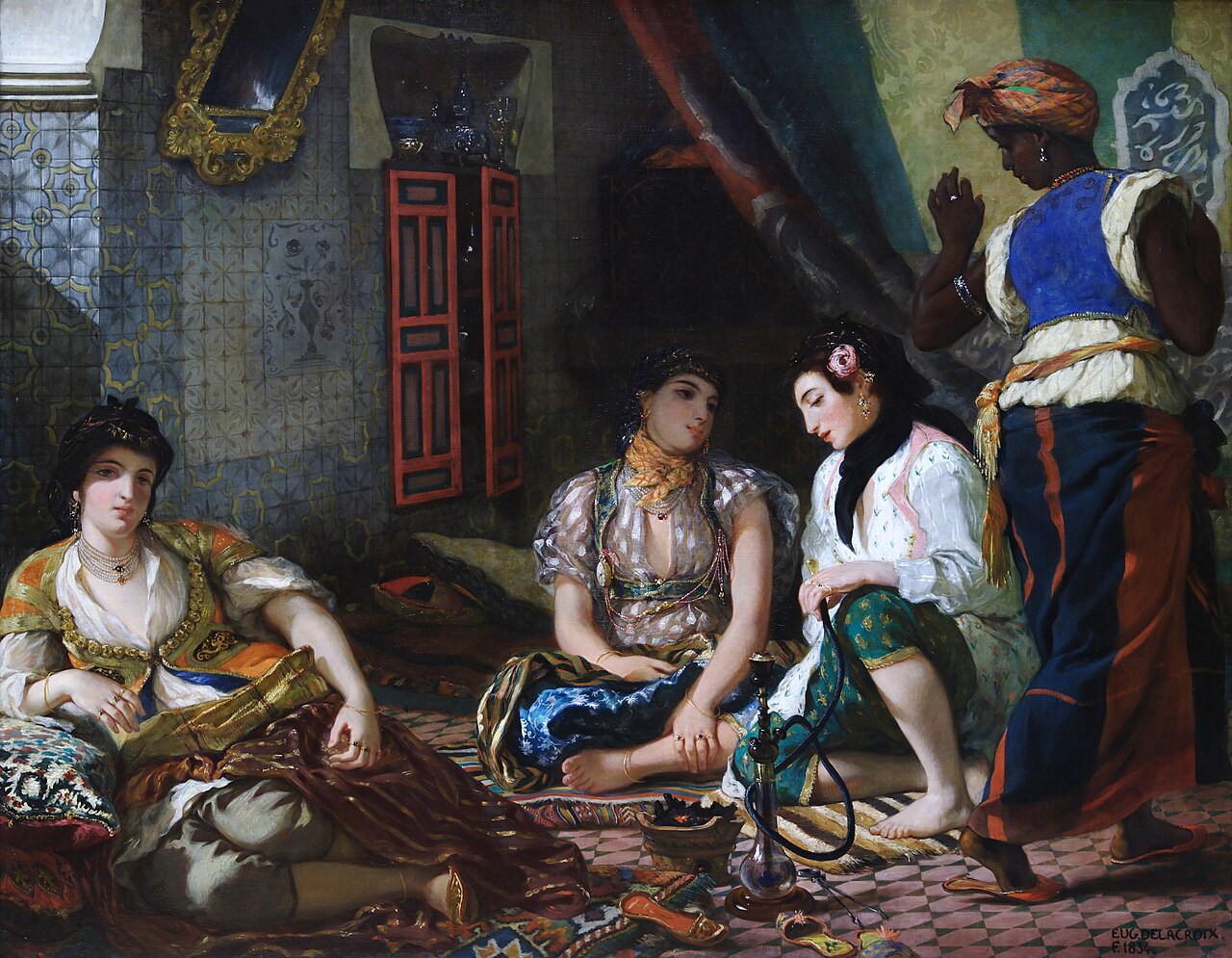
Women of Algiers
Eugène Delacroix · 1834
Primary source
Journal of Delacroix
Eugène Delacroix · 1822–1863
Free account
Read every Eugène Delacroix source
Sign up free →
Ready when you are
Start chatting with Eugène Delacroix now.
20 messages free · No credit card · Available in 50+ languages.