


Secondary sourcePainting1579
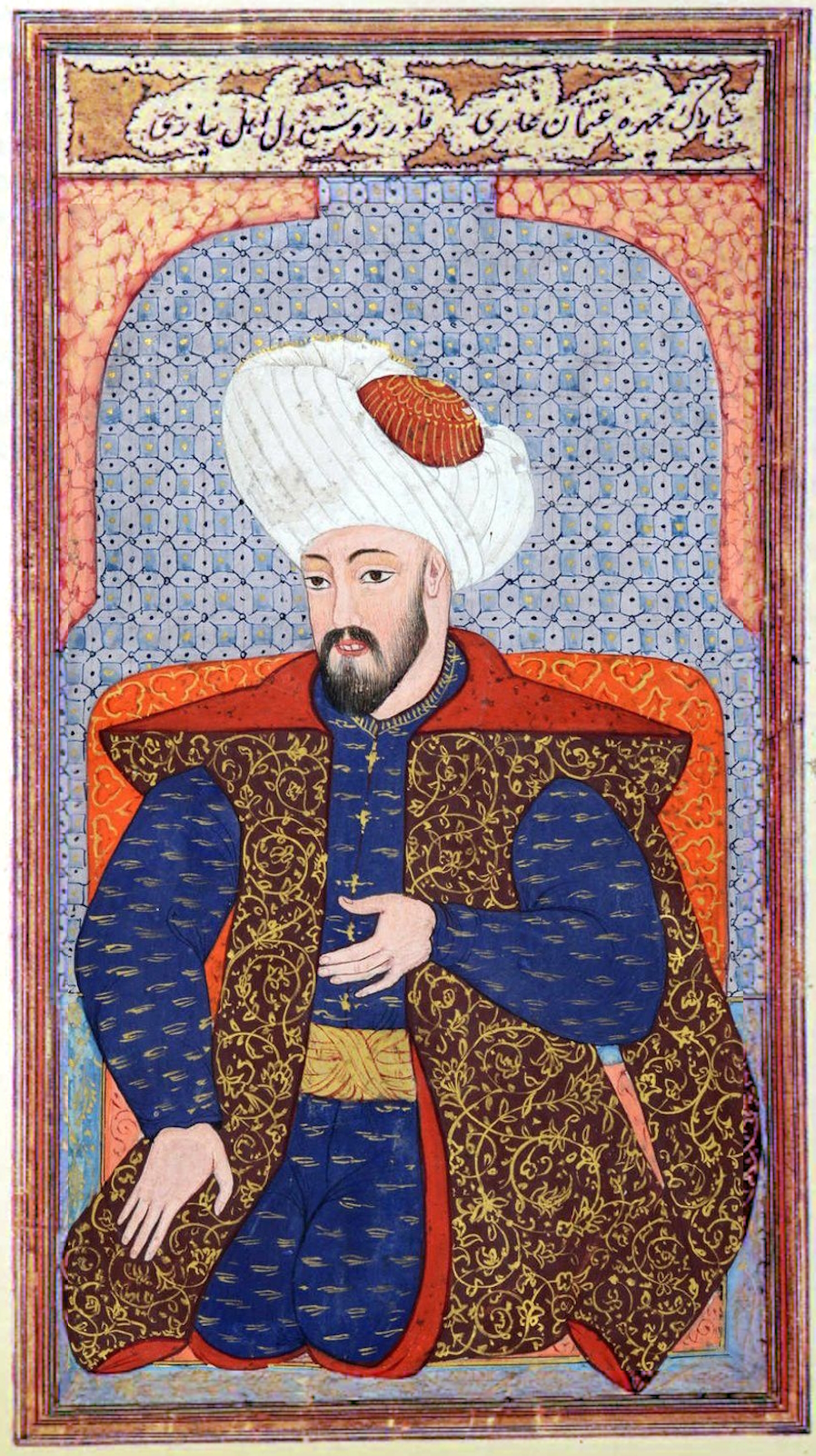
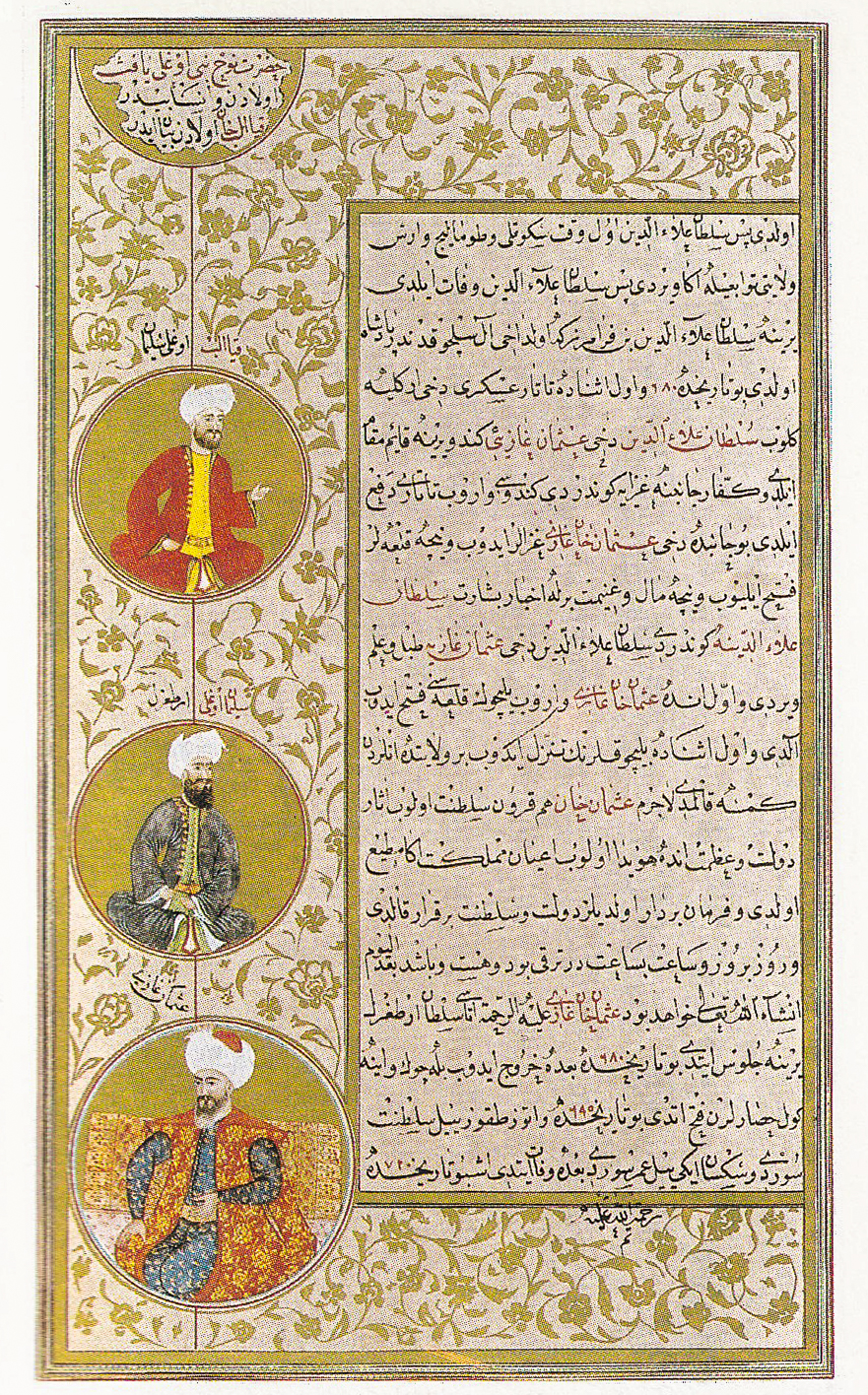
Semailname of Osman I
1579
A 16th-century manuscript portrait-description of Osman I, son of Ertuğrul and founder of the Ottoman dynasty.
This later portrait of Osman I, Ertuğrul's son, reflects how the Ottoman dynasty's founding family was remembered and idealized generations later.
About this source
What it is
This miniature portrait of Osman I comes from a semailname, a manuscript genre describing the physical appearance and character of rulers. It was painted around 1579, roughly a century before being catalogued in the Millet Library's Ali Emîrî Collection, and shows Osman seated in rich robes against a tiled backdrop.
Why it matters
Osman I was the son of Ertuğrul and founded the dynasty that bears his name. Because this portrait was made long after Osman lived, it tells us more about how later Ottomans wanted to remember their founder than about his actual appearance — and by extension, about how the family's origins, including Ertuğrul, were idealized in later memory.
Look closer
- What do the rich clothing and tiled setting suggest about the image the Ottomans wanted to project of their founder?
- Why might rulers want manuscripts describing their physical traits and character?
- How reliable can an image made a century after someone's death be as evidence of what they looked like?
This painting is part of the curated material that grounds the AI version of Ertuğrul and Osman I on Humy.ai — when students ask about related events, the AI can quote it and cite it.
More Ertuğrul sources
Browse all 35 →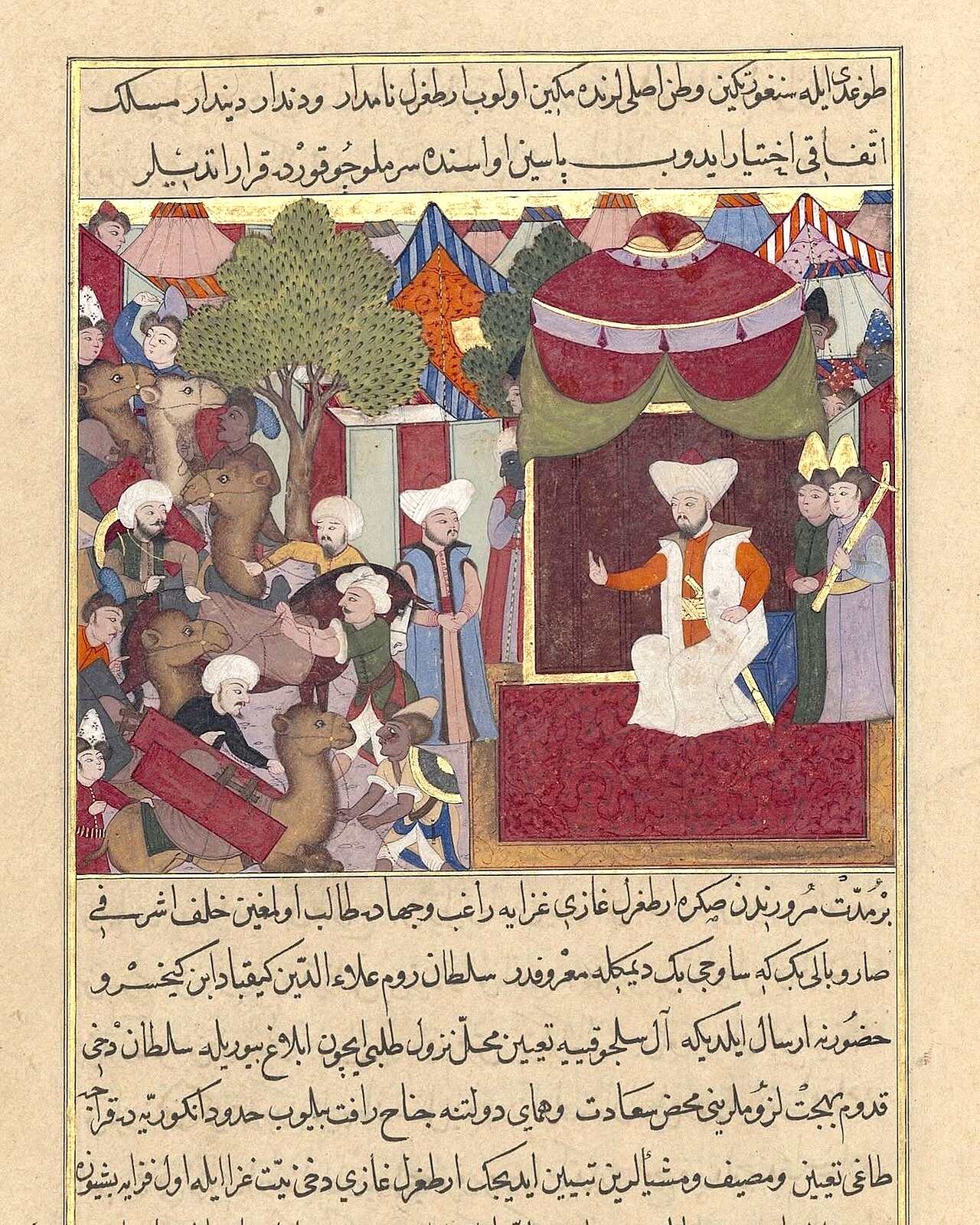 Painting
Primary source
Ertugrul Sends Savci Bey
1616
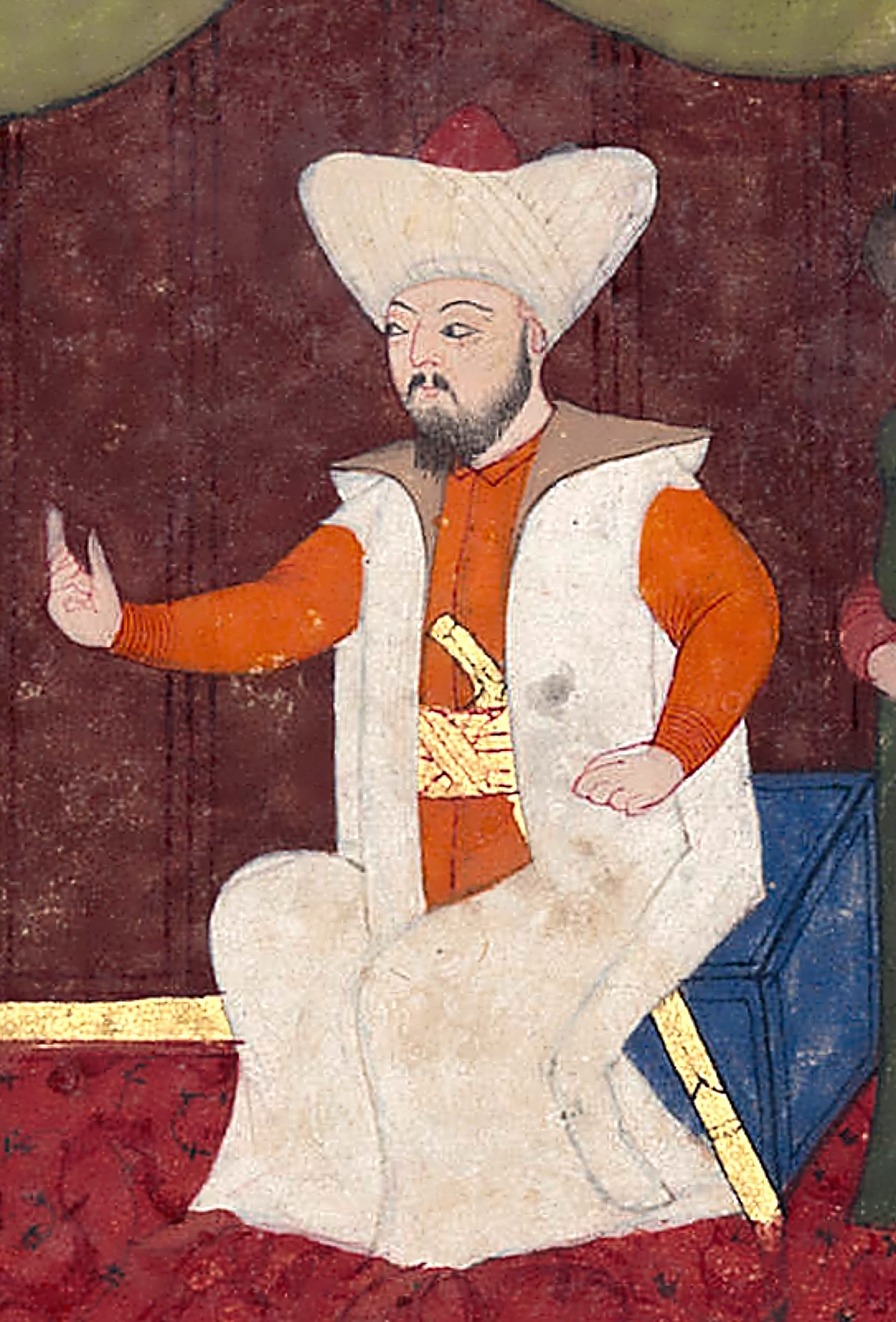 Painting
Secondary source
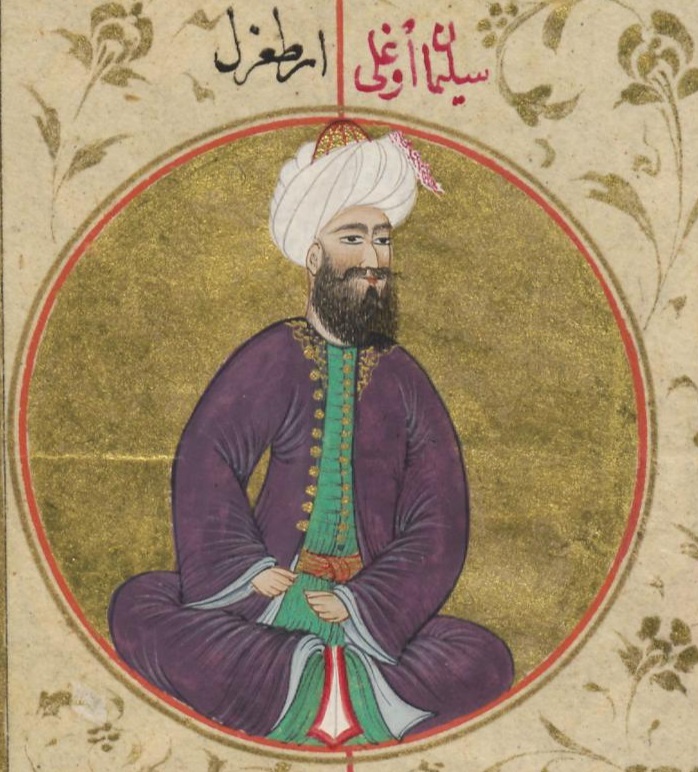
Portrait of Ertuğrul (Enthroned)
Unknown 1616 court artist · 1616
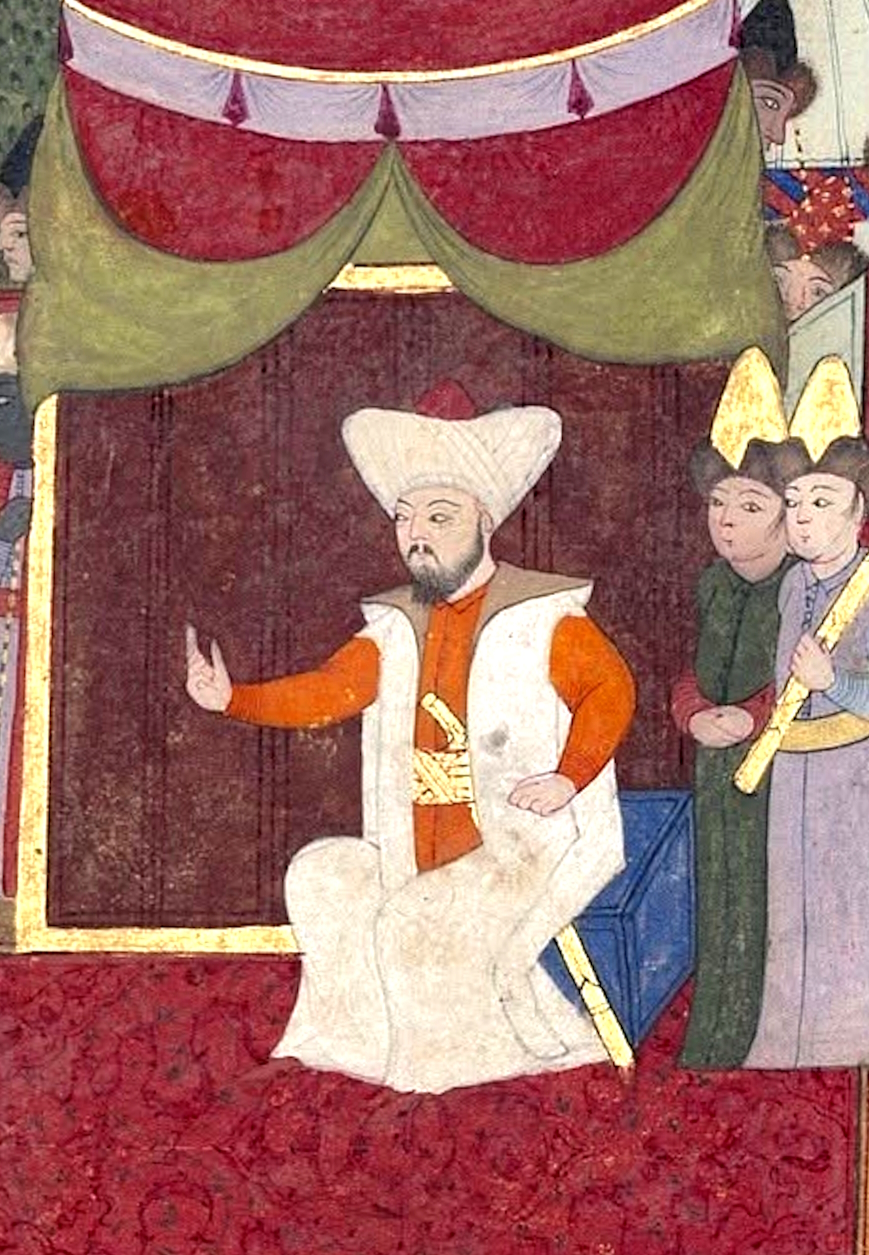 Painting
Secondary source
Ertuğrul (Enthroned), Taj al-Tawarikh Miniature
Unknown 1616 court artist · 1616
 Artifact
Secondary source
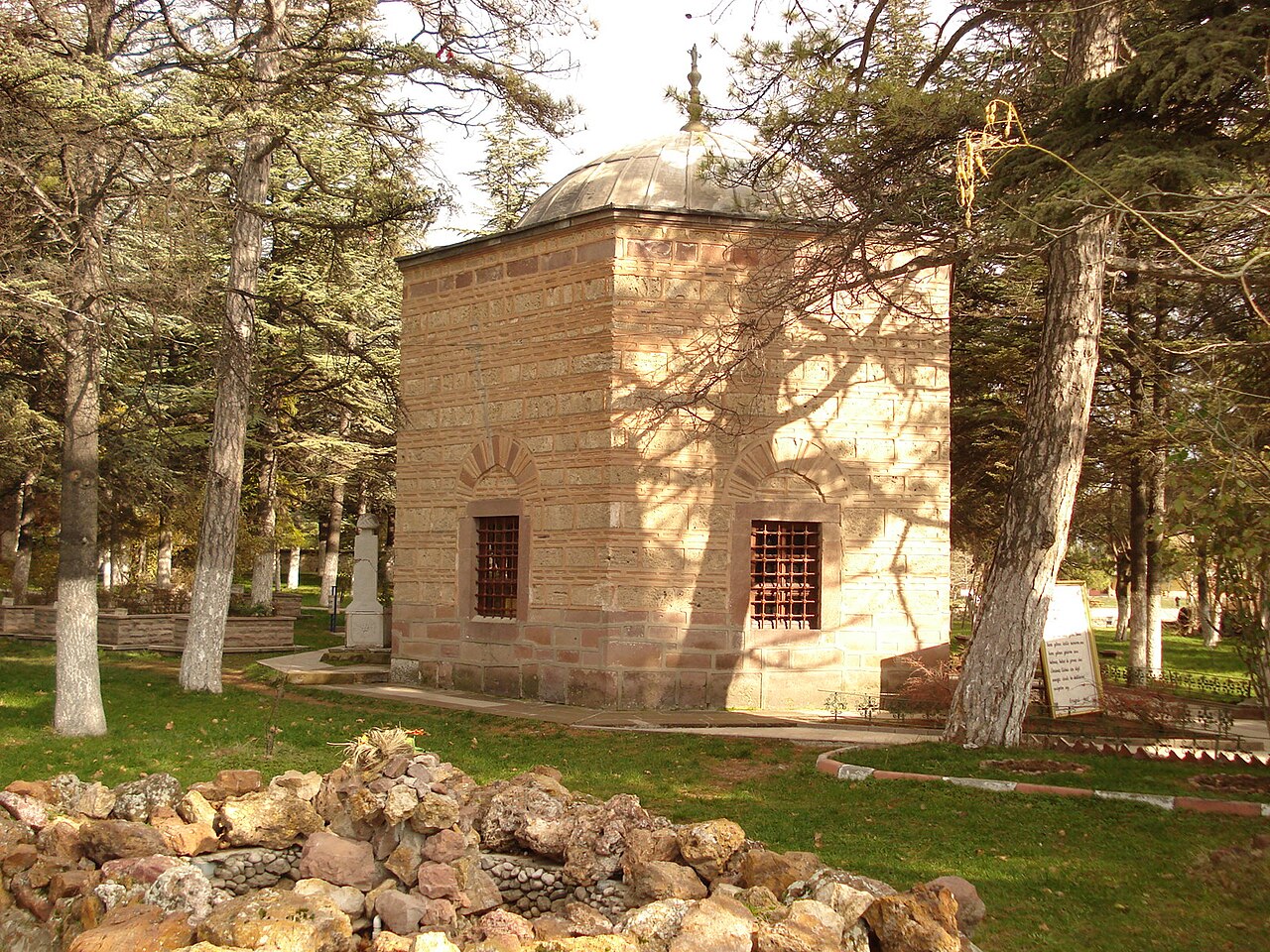
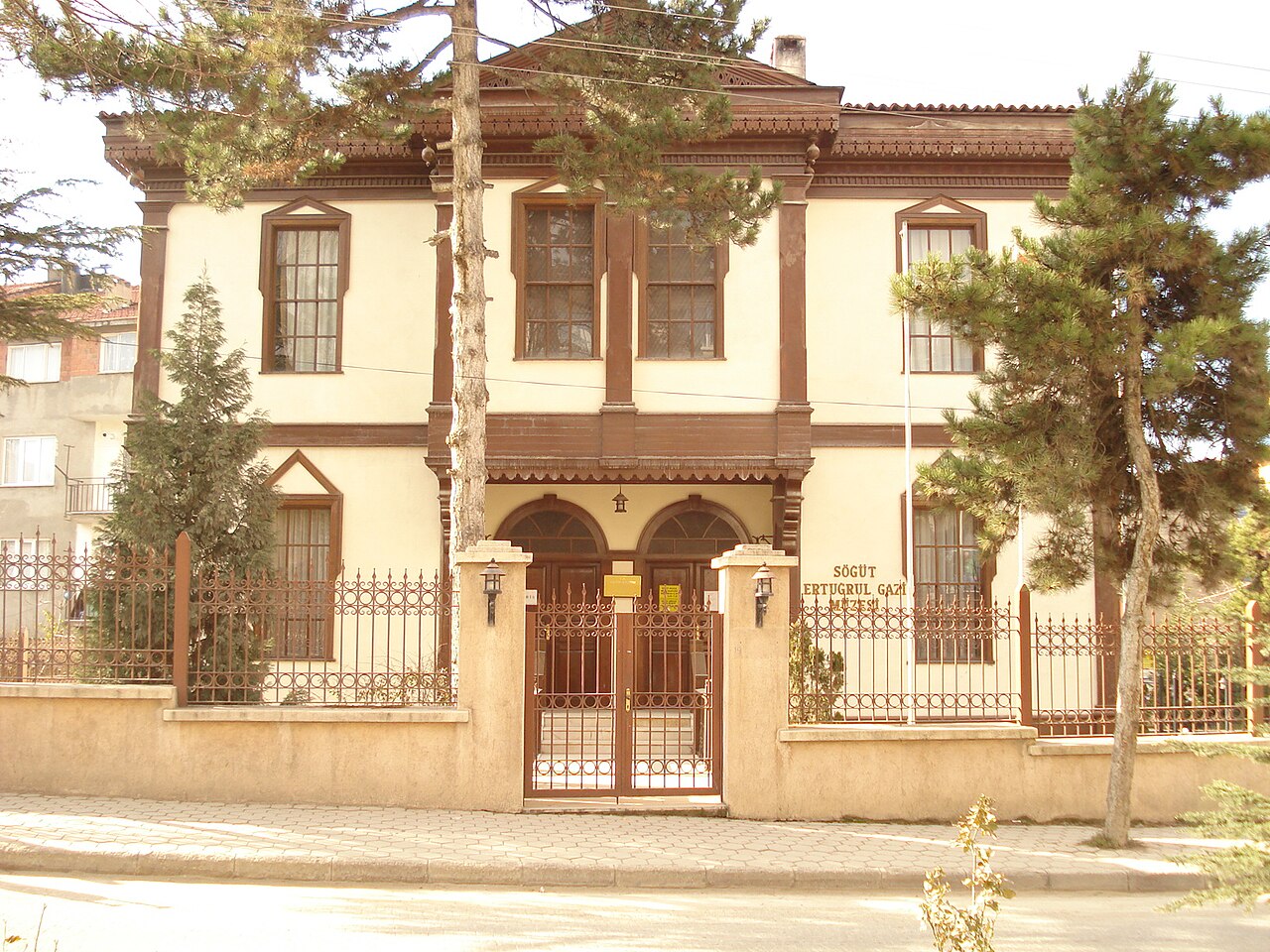
Tomb of Ertuğrul Gazi, Söğüt
Traditionally Osman I; rebuilt under Abdülhamid II · Late 13th century (tradition); rebuilt 1880s
Free account
Read every Ertuğrul source
Sign up free →
Ready when you are
Start chatting with Ertuğrul now.
20 messages free · No credit card · Available in 50+ languages.