


Secondary sourceArtifact1956
Seoul National Cemetery
1956
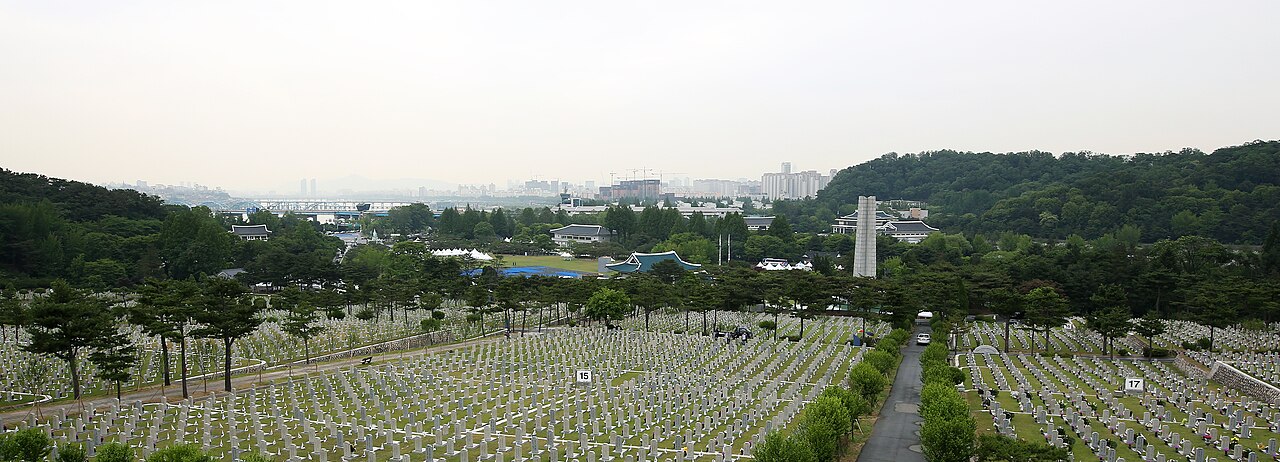
A national cemetery in Seoul established by Rhee's presidential decree in 1956, where he himself was later buried in 1965.
Established by Rhee's 1956 decree and later his burial site in 1965, symbolizing his contested legacy.
About this source
What it is
Seoul National Cemetery is a cemetery in Dongjak District, Seoul, reserved for Korean veterans and leaders, including those of the independence movement, Korean War and Vietnam War. It was established by presidential decree of Syngman Rhee in 1956.
Why it matters
The cemetery is tied to Rhee both as its founder and as one of the people buried there, after his death in exile in Honolulu in 1965. Several South Korean presidents, including Park Chung Hee and Kim Dae-jung, are also buried here, making it a site where the country's divided memory of its leaders is physically laid out. The cemetery has also been the target of North Korean attacks and the site of controversial diplomatic visits.
Why it matters
Look closer
- Why might a president want to create a national cemetery, and what does that decision say about how he saw his own legacy?
- What does it mean that the cemetery has been a site of both honor and political conflict?
- What does the scale of the cemetery (rows of headstones, large area) tell you about the human cost of Korea's modern history?
This artifact is part of the curated material that grounds the AI version of Syngman Rhee on Humy.ai — when students ask about related events, the AI can quote it and cite it.
More Syngman Rhee sources
Browse all 68 →Primary source
Constitution of the Republic of Korea
Constitutional National Assembly of Korea · 17 July 1948
 Document
Primary source
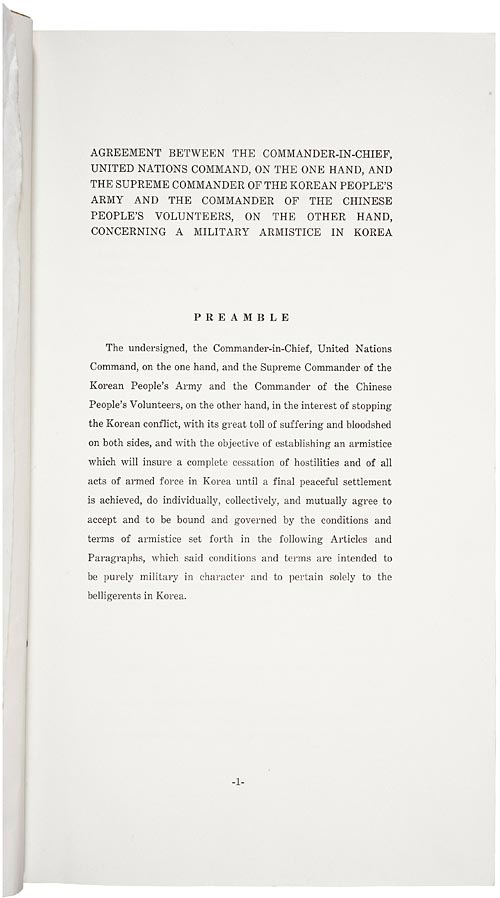
Korean War Armistice Agreement
27 July 1953
 Document
Primary source
Mutual Defense Treaty between the United States and the Republic of Korea
1 October 1953
 Photograph
Primary source
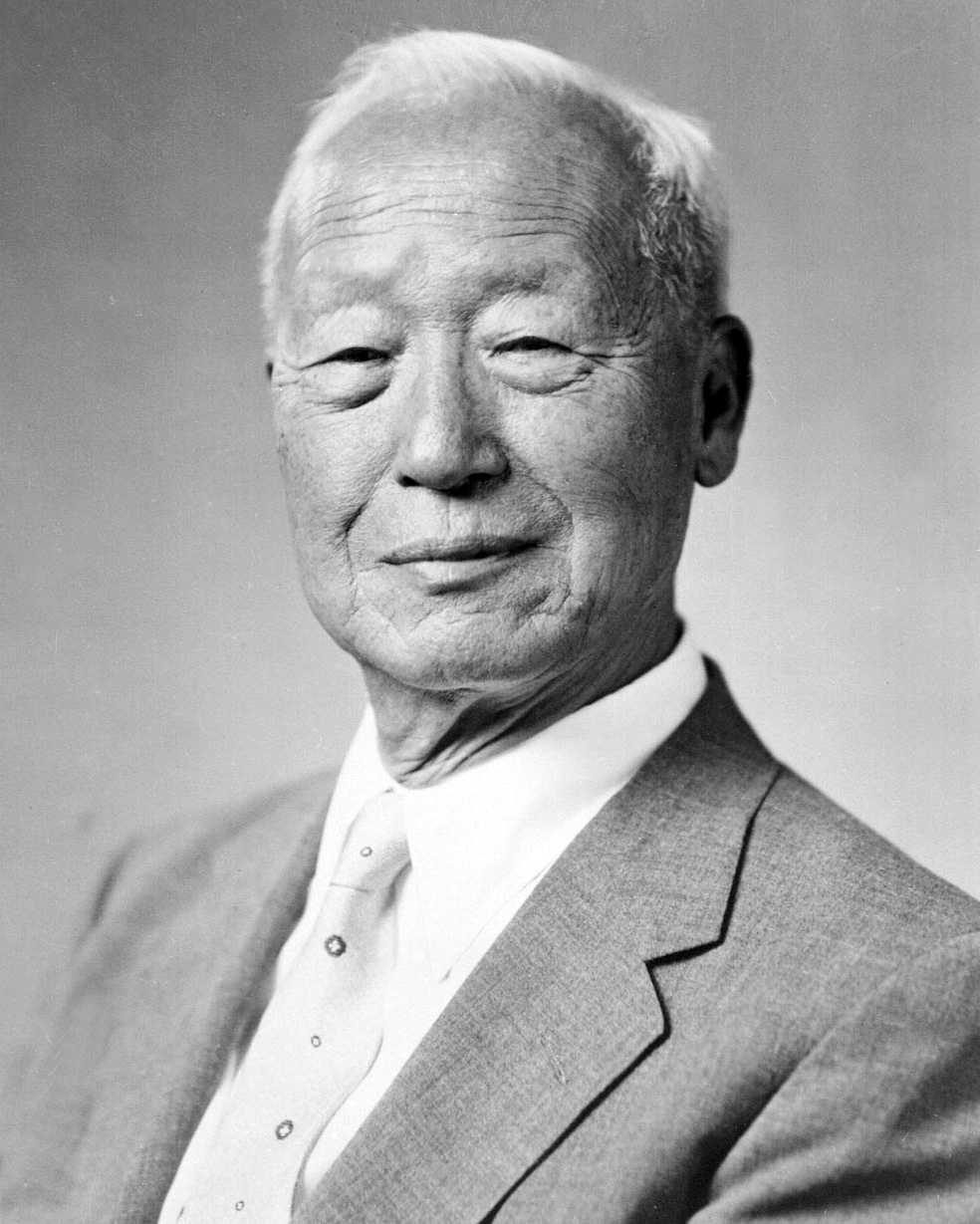
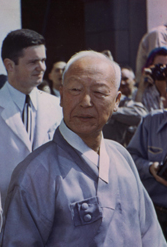
Portrait of Syngman Rhee
1948
Free account
Read every Syngman Rhee source
Sign up free →
Ready when you are
Start chatting with Syngman Rhee now.
20 messages free · No credit card · Available in 50+ languages.