


Secondary sourceBook3rd century BCE
Septuagint
Alexandrian Jewish translators · 3rd century BCE
The ancient Greek translation of the Torah made by Jewish translators in Alexandria, which spread the books of Moses to the Greek-speaking world.
This Greek translation carried the story and laws of Moses to readers who did not know Hebrew.
Free Humy account · No credit card · 120,912 sources to read
About this source
What it is
The Septuagint is a Greek translation of the Hebrew scriptures, including the five books of the Torah traditionally attributed to Moses, produced by Alexandrian Jewish translators in the 3rd century BCE. It became known as the Greek Old Testament and was widely used by Greek-speaking Jews and, later, early Christians.
Why it matters
By rendering the books of Moses into Greek, the translators made the Exodus story and the Mosaic law accessible to a vastly larger audience across the Hellenistic and later Roman worlds. The Septuagint became the main version of these scriptures used by early Christians, shaping how the story of Moses was read and quoted for centuries afterward.
Look closer
- What might change, even in a careful translation, when a sacred text moves from one language to another?
- Why would Jewish communities in Alexandria need a Greek version of their scriptures?
- How did this translation help spread the story of Moses beyond its original audience?
This book is part of the curated material that grounds the AI version of Moses on Humy.ai — when students ask about related events, the AI can quote it and cite it.
More Moses sources
Browse all 85 →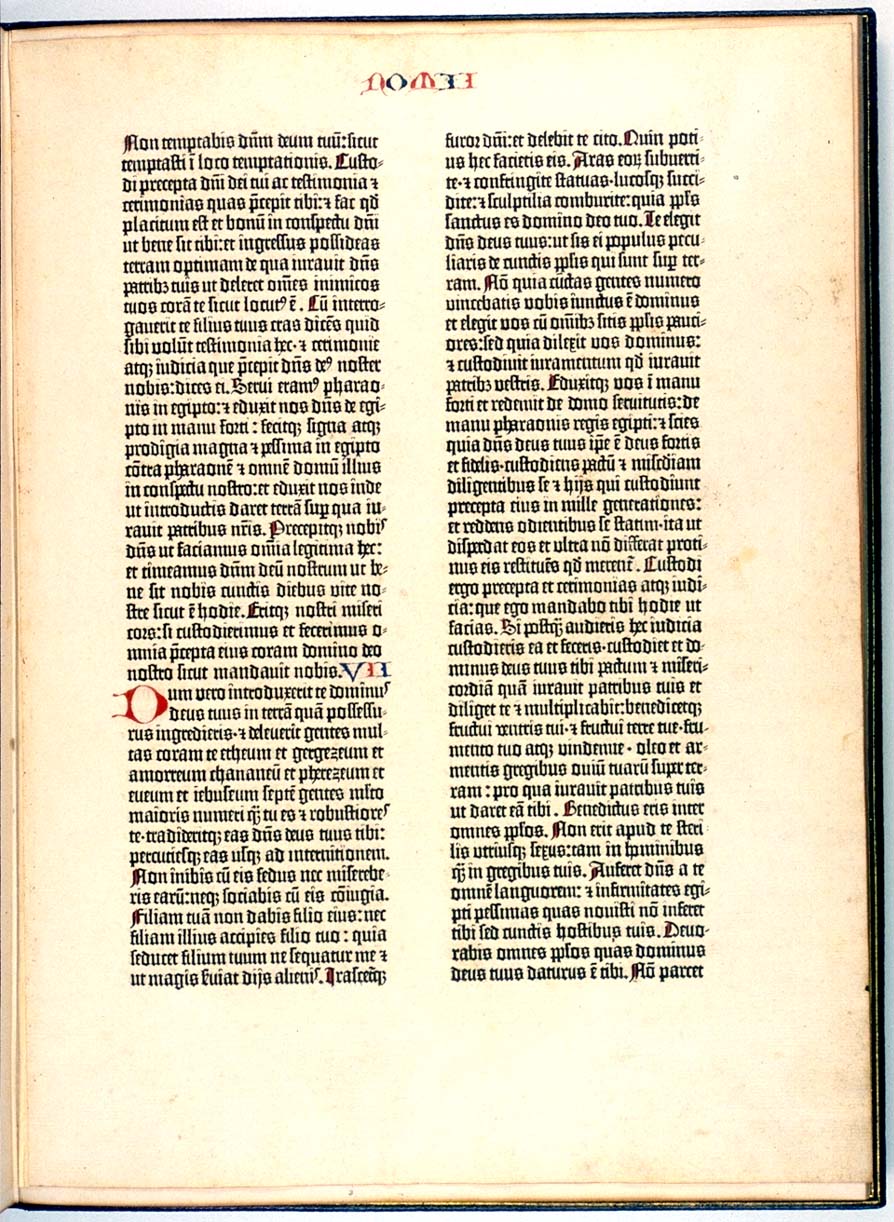 Book
Secondary source
Deuteronomy
Deuteronomist · 7th–5th century BCE
 Artifact
Primary source
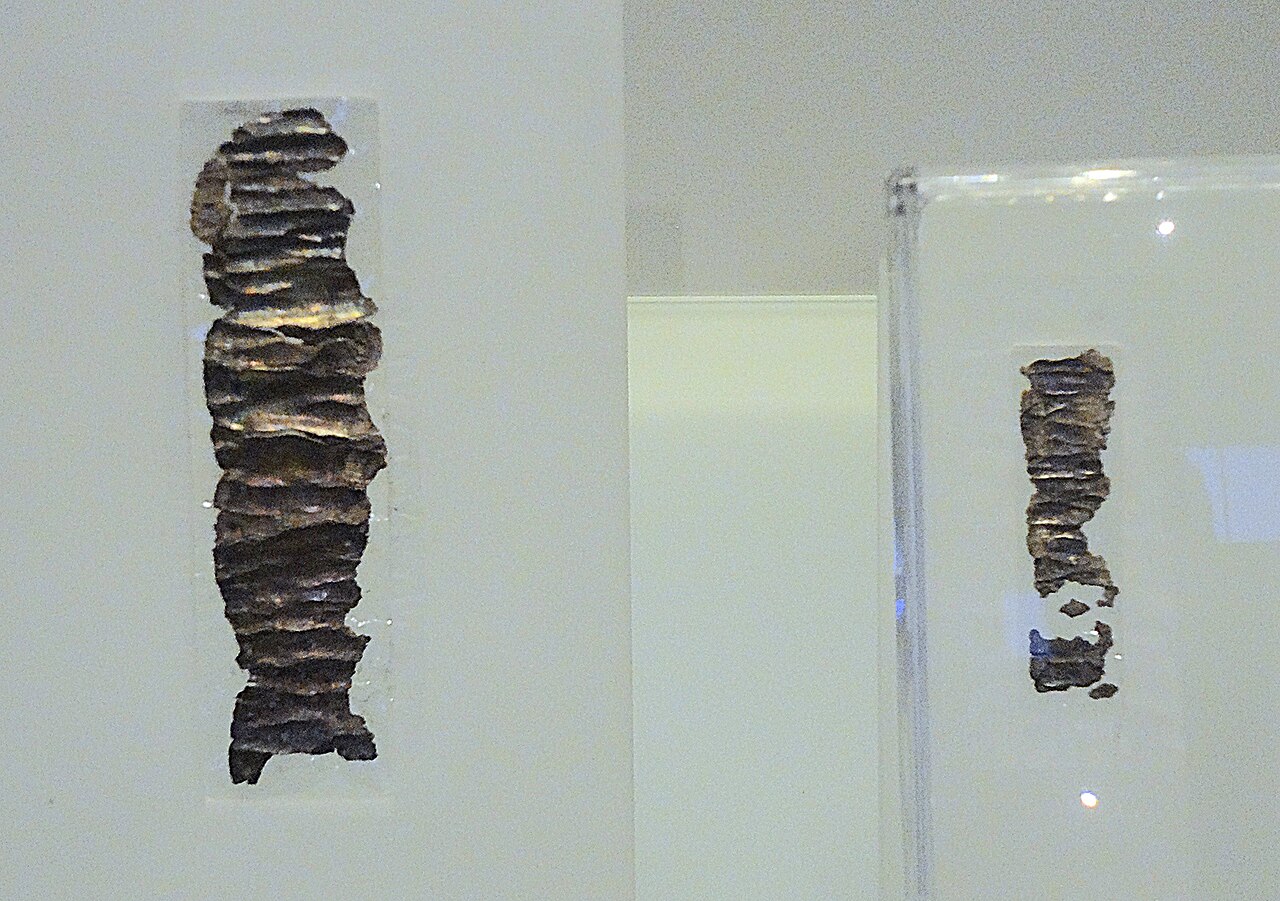
Ketef Hinnom scrolls
c. 600 BCE
 Sculpture
Primary source
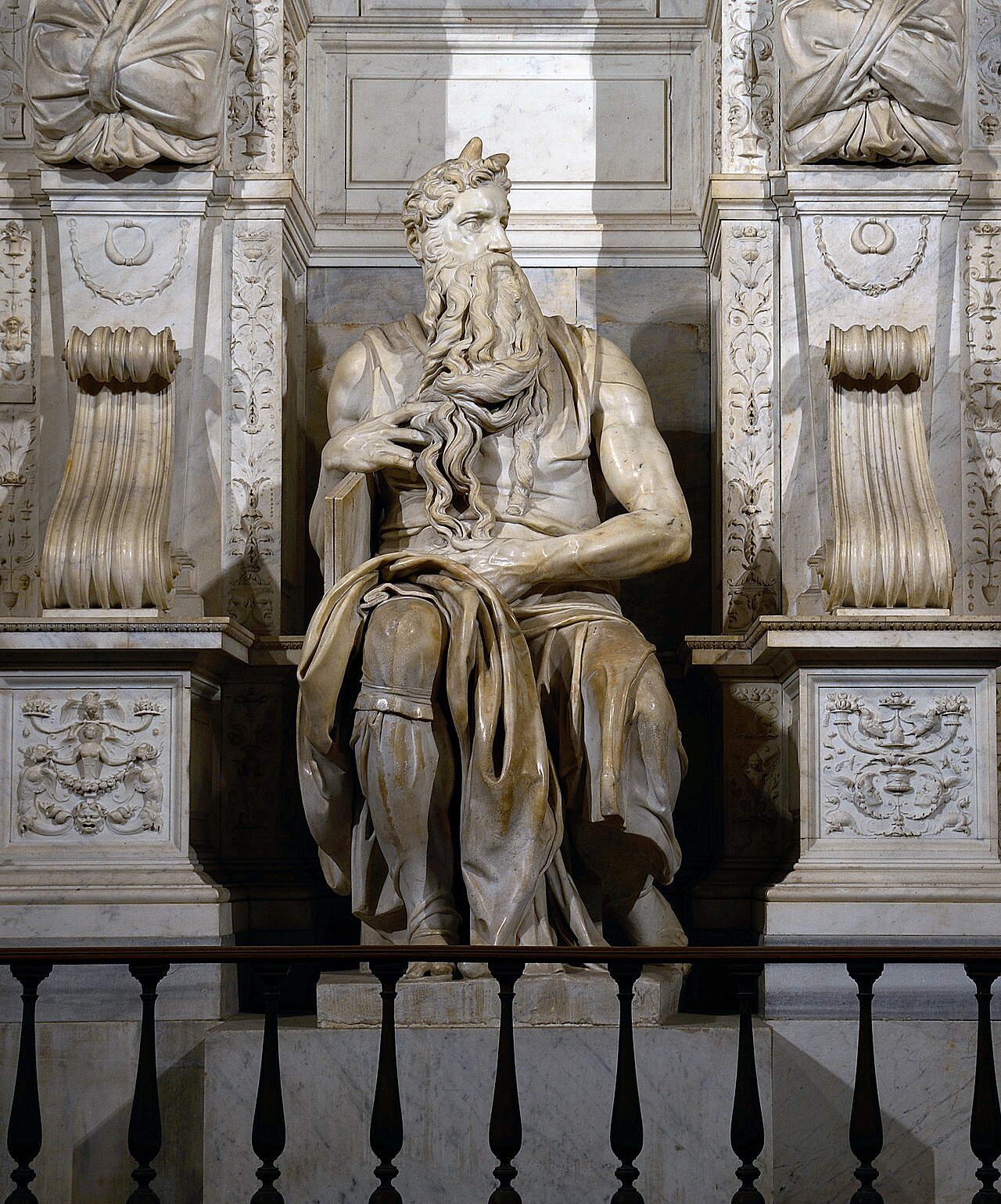
Moses
Michelangelo · c. 1513-1515
 Painting
Secondary source
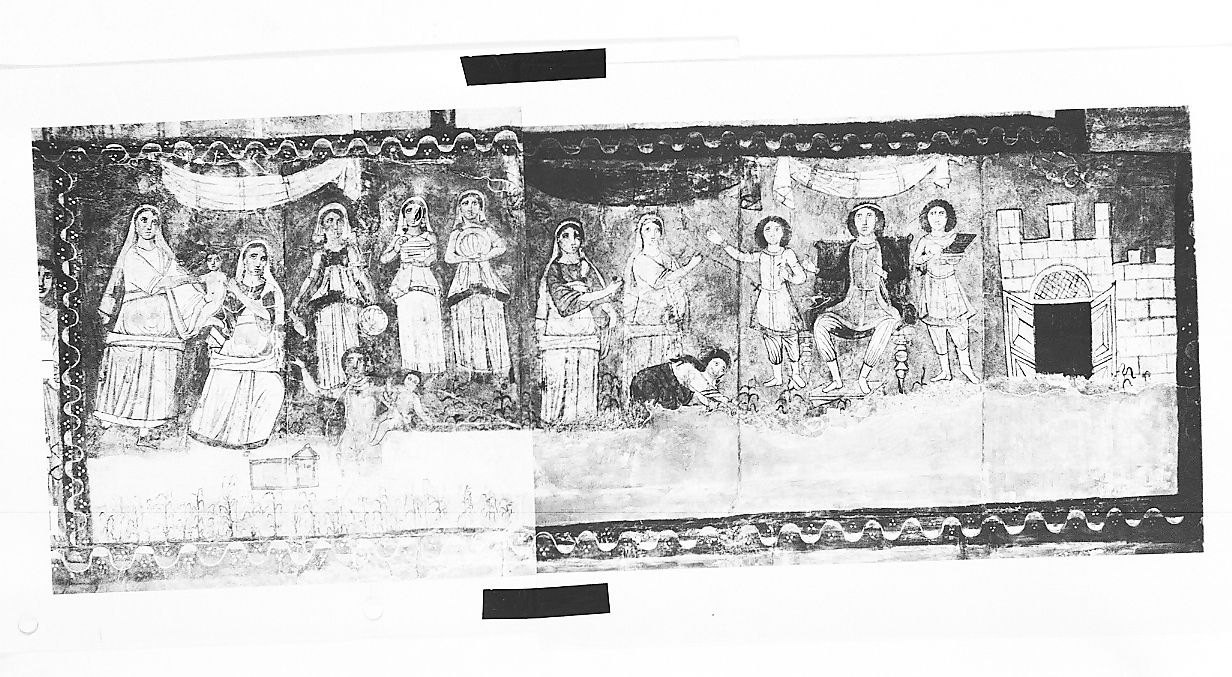
Iconographic Scene WC4, Dura-Europos Synagogue
240 CE

Free account
Read every Moses source
Sign up free →
Ready when you are
Start chatting with Moses now.
20 messages free · No credit card · Available in 50+ languages.