


Secondary sourceArtifact246-222 BCE; destroyed 391 CE
Serapeum of Alexandria
246-222 BCE; destroyed 391 CE
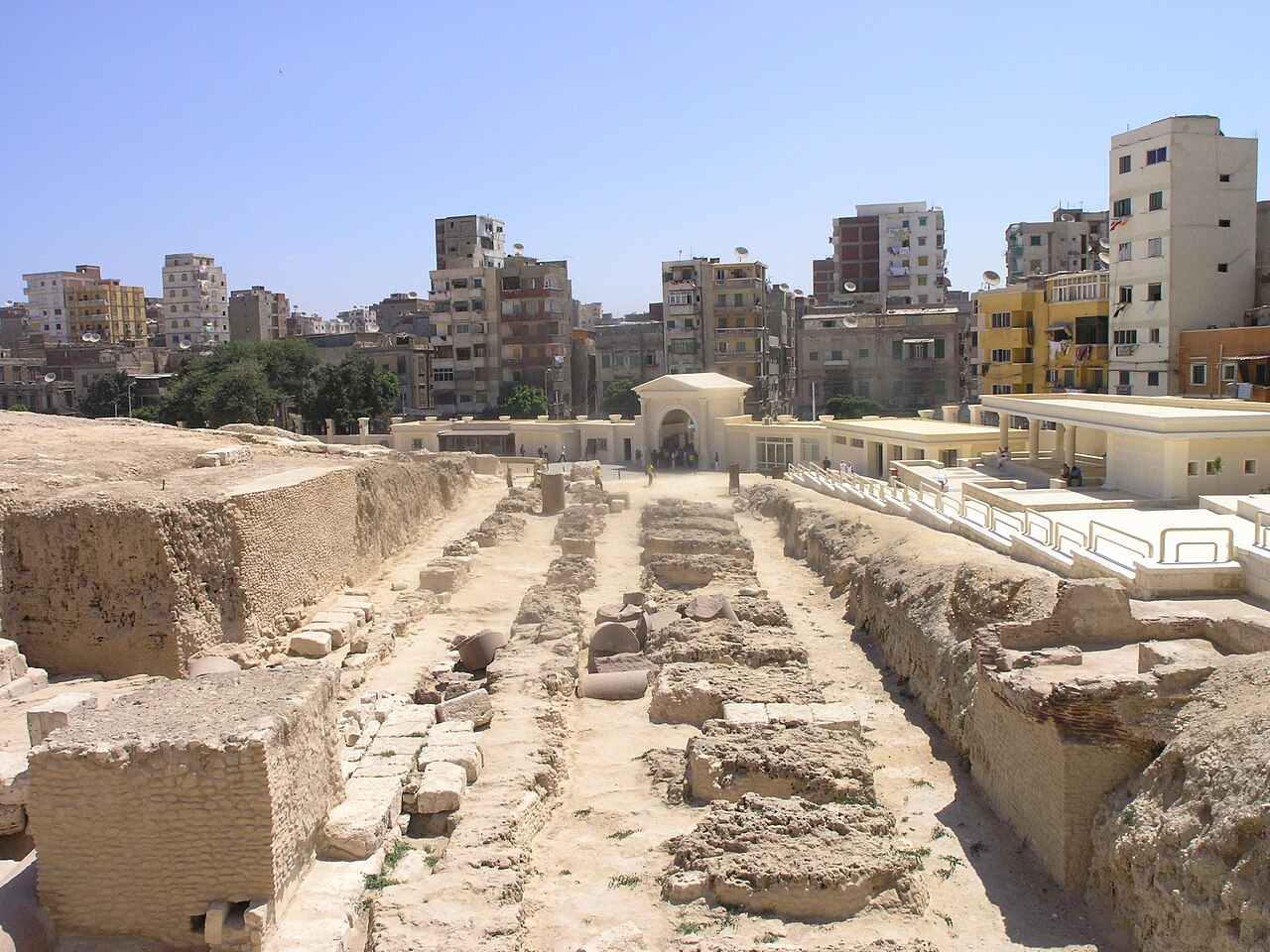
The ruins of the great pagan temple of Alexandria, destroyed in 391 during Hypatia's lifetime, showing the religious violence that shaped her city.
The Serapeum's violent destruction during Hypatia's lifetime shows the climate of religious conflict in Alexandria that led to her murder.
About this source
What it is
The Serapeum was an ancient Greek temple built by Ptolemy III Euergetes in Alexandria, dedicated to the god Serapis. It once held a daughter collection of the Library of Alexandria. The temple was destroyed in 391 CE following an imperial decree against pagan sanctuaries, and its ruins, including the Roman column known as Pompey's Pillar, still stand in Alexandria today.
Why it matters
The Serapeum's destruction marked a turning point in Alexandria's religious life, as Christian authority replaced older pagan institutions by force. Hypatia, a Neoplatonist philosopher, was not part of the Serapeum's rival pagan school, but she lived through this same climate of religious conflict and mob violence in Alexandria, which eventually contributed to her own death.
- What does the destruction of such a large temple tell us about the power struggles of the time?
- Why might rulers want to destroy religious buildings belonging to other faiths?
- What do the surviving ruins leave out about the people who worshipped there?
This artifact is part of the curated material that grounds the AI version of Hypatia and Theodosius I on Humy.ai — when students ask about related events, the AI can quote it and cite it.
More Hypatia sources
Browse all 45 →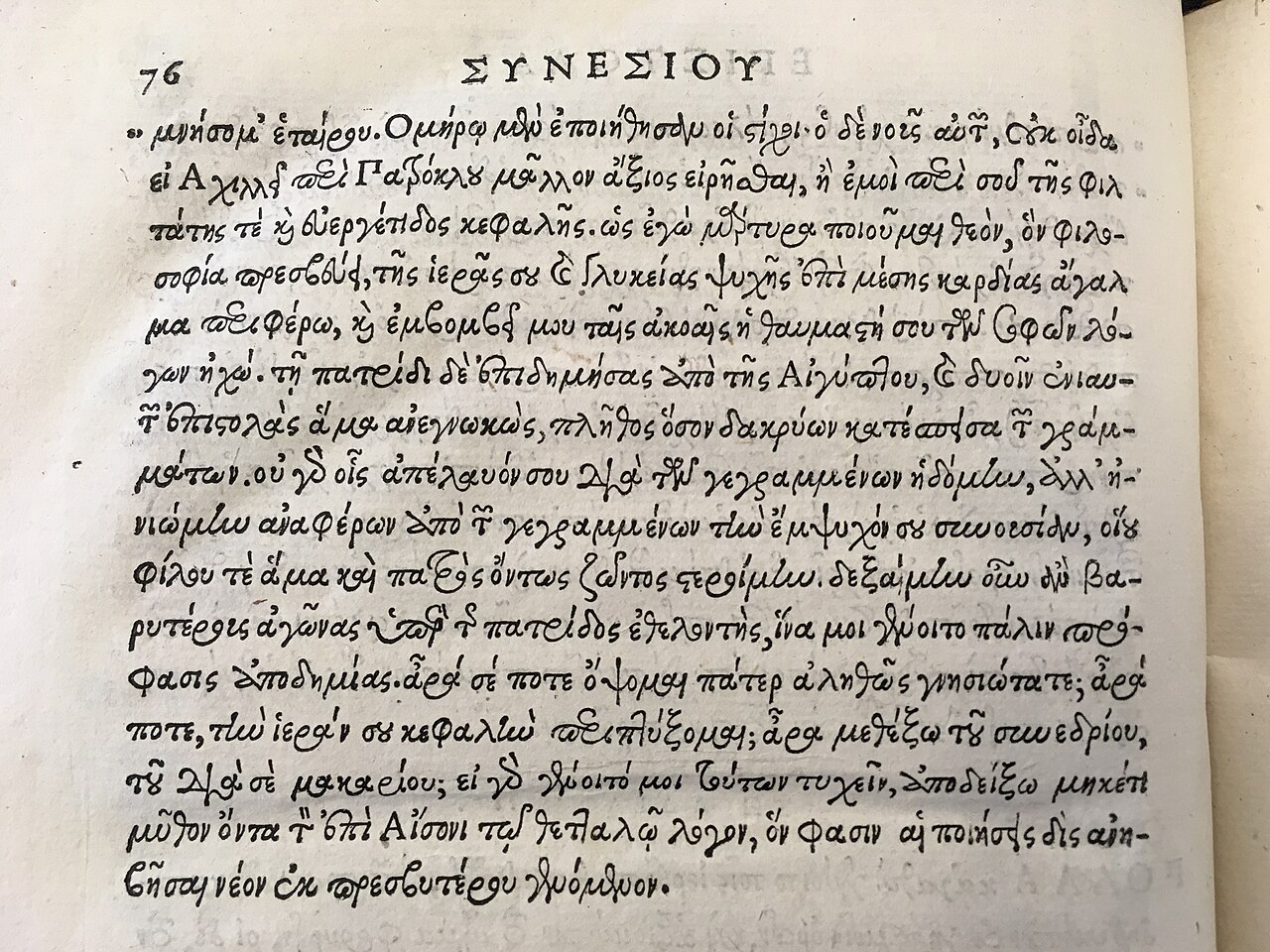 Letter
Secondary source
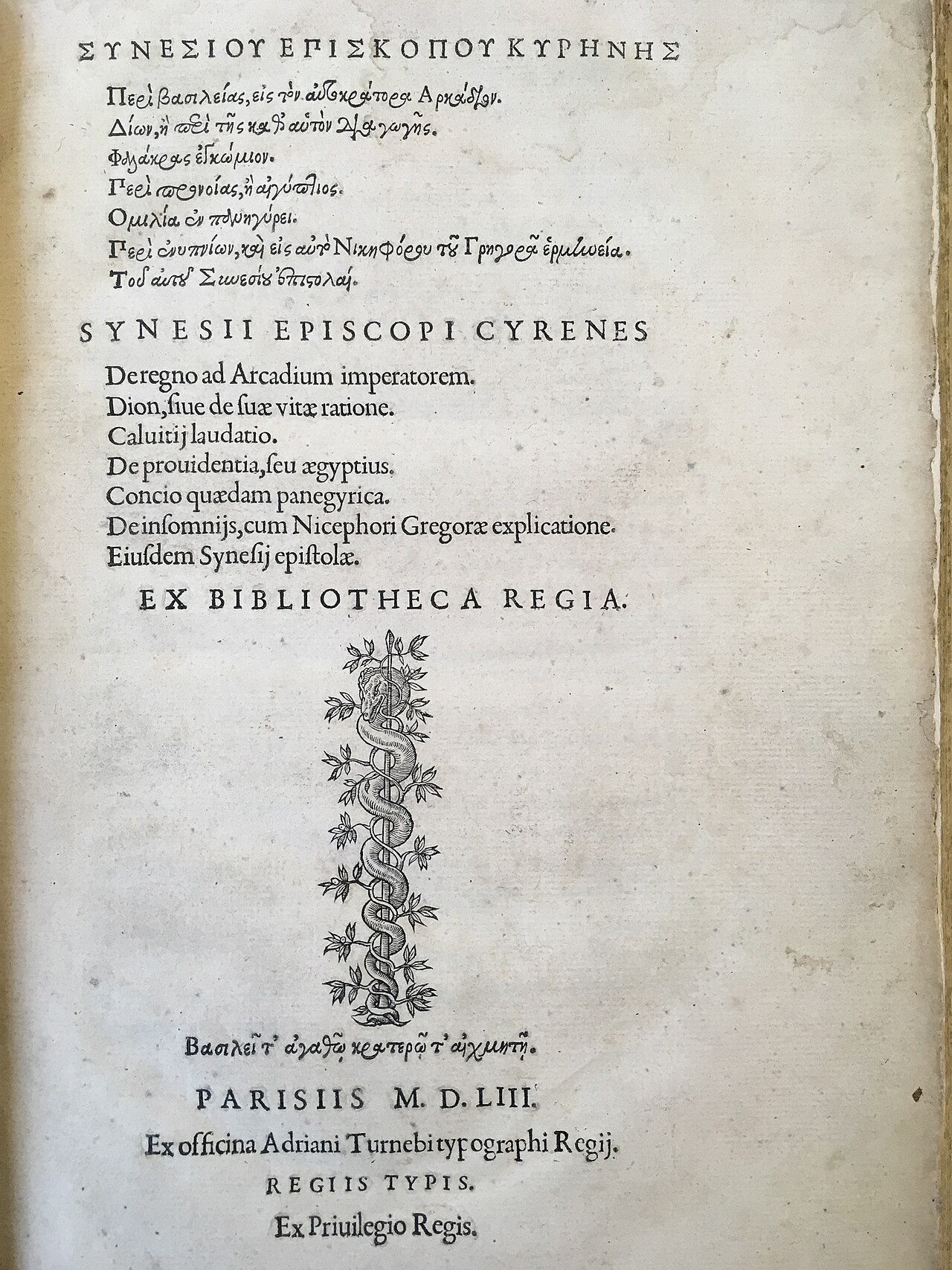
Letter of Synesius to Hypatia (page 76)
Synesius of Cyrene · 1553 (printed edition of a 5th-century letter)
 Letter
Secondary source
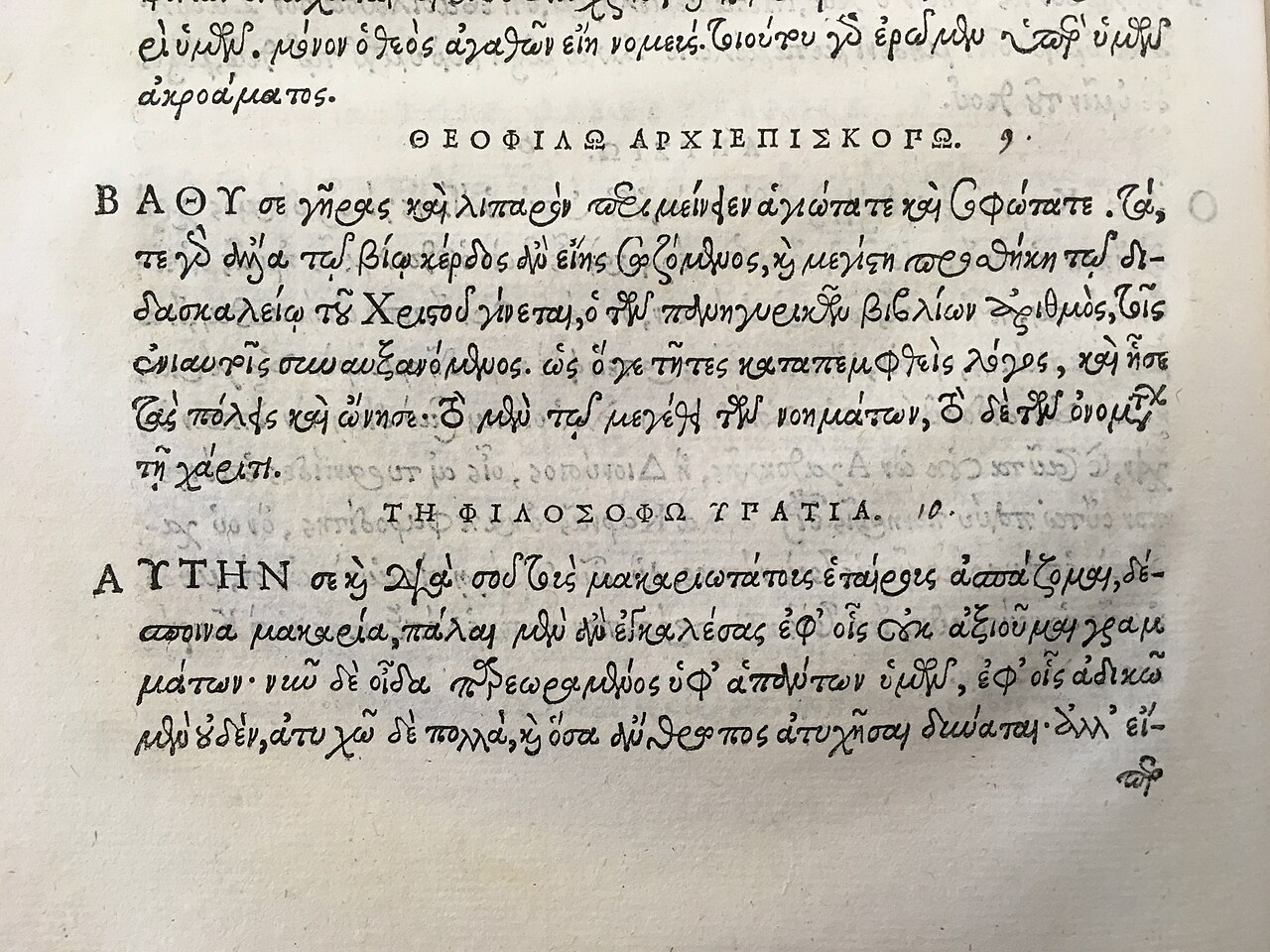
Letter of Synesius to Hypatia (page with address to Theophilus and Hypatia)
Synesius of Cyrene · 1553 (printed edition of a 5th-century letter)
 Book
Secondary source
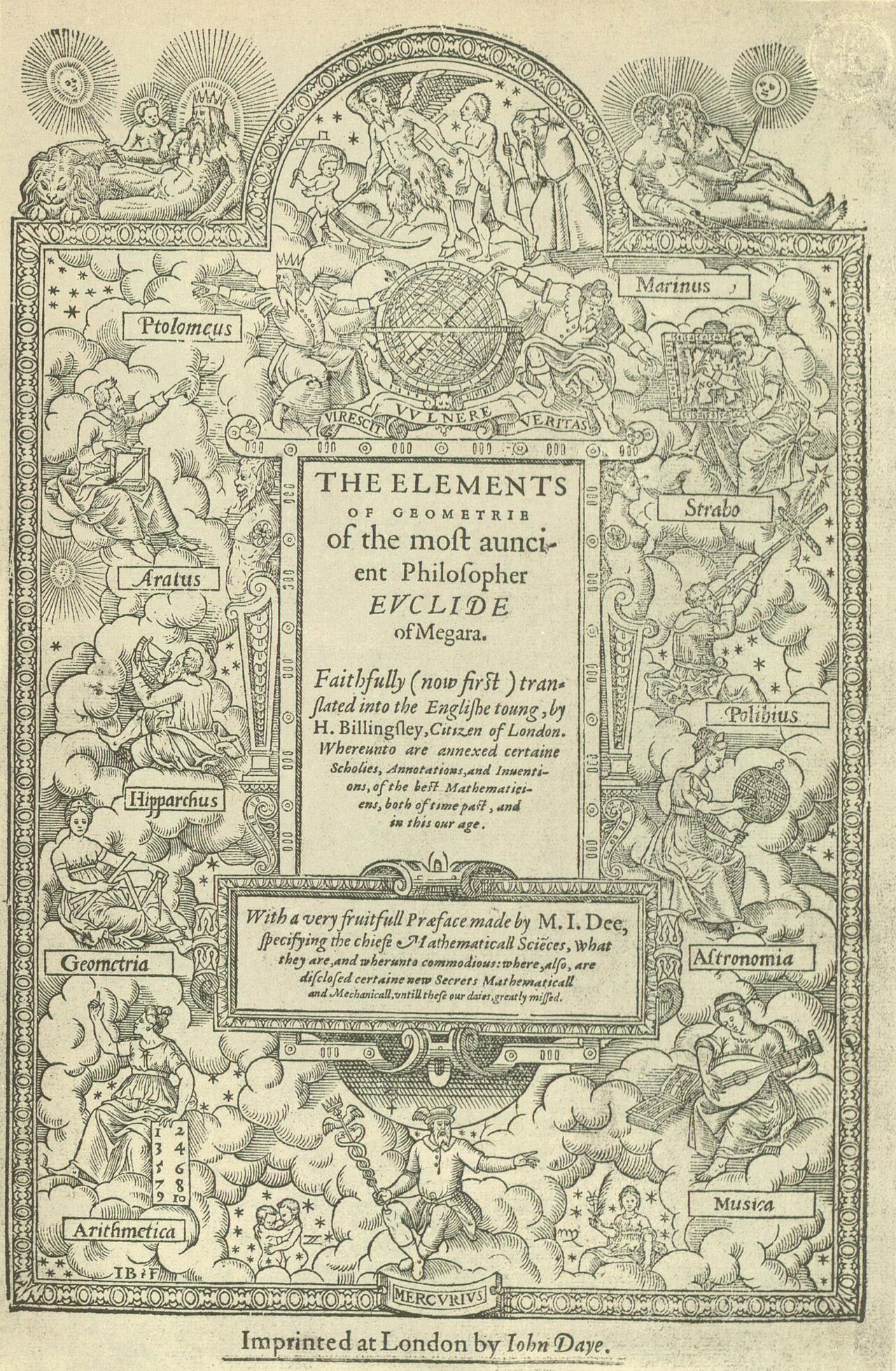
Elements
Euclid · c. 300 BC
 Document
Secondary source
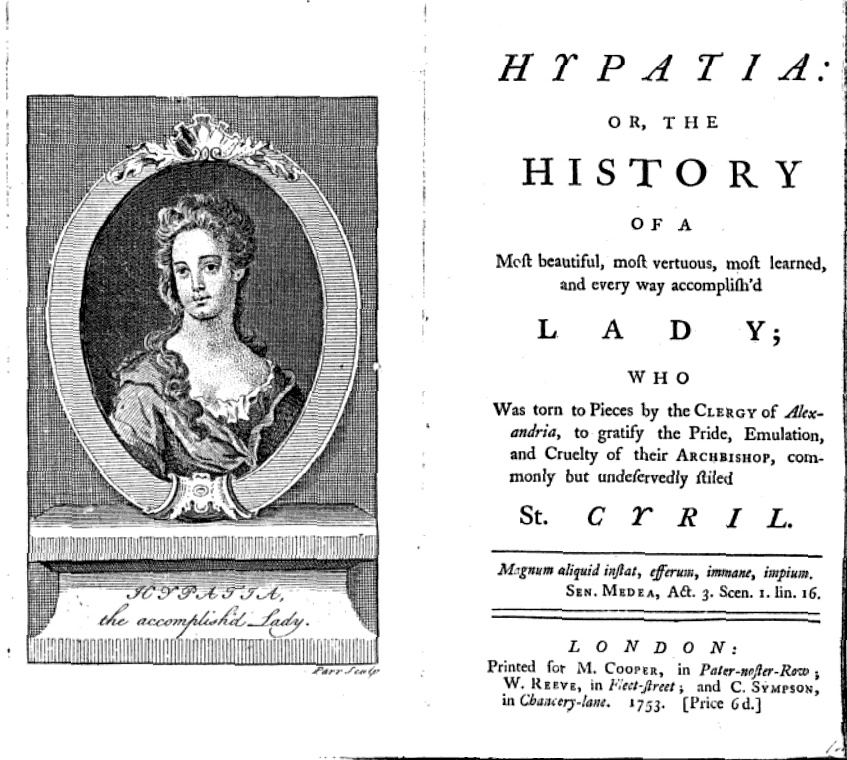
Hypatia: Or the History of a most beautiful, most vertuous, most learned, and every way accomplish'd Lady
John Toland · 1720 (republished 1753)
Free account
Read every Hypatia source
Sign up free →
Ready when you are
Start chatting with Hypatia now.
20 messages free · No credit card · Available in 50+ languages.