


Primary sourceDocument1610
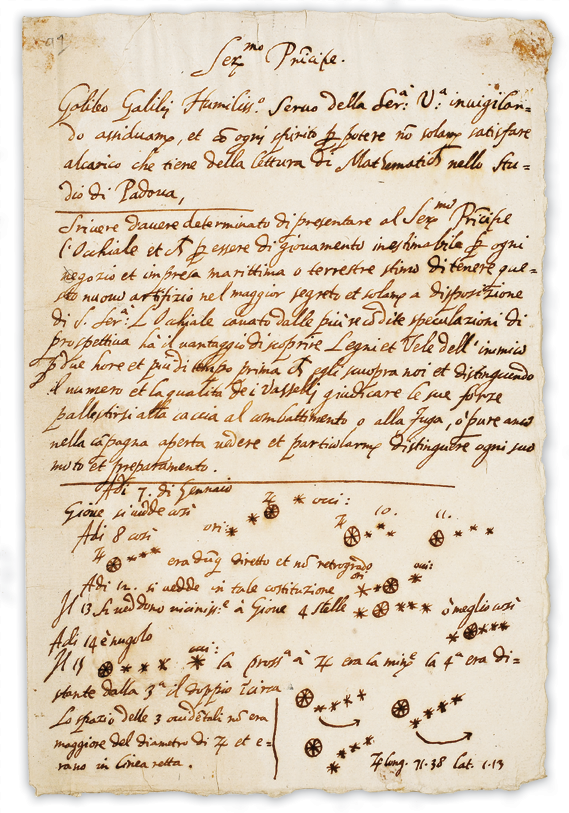
Serenissimo Principe manuscript with observations of Jupiter's moons
Galileo Galilei · 1610
Galileo's 1610 draft letter to the Doge offering his telescope, together with his notes recording the discovery of Jupiter's moons.
Galileo's own working manuscript recording, in real time, his discovery of Jupiter's four moons.
About this source
What it is
This is a handwritten manuscript by Galileo Galilei from 1610, beginning 'Serenissimo Principe' (Most Serene Prince). It combines a draft letter offering his telescope for military use with dated notes and small diagrams recording his observations of Jupiter and the four 'stars' moving around it.
Why it matters
The page captures Galileo's discovery as it actually happened, day by day, rather than in the polished form later printed in Sidereus Nuncius. It also shows that Galileo saw practical, even military, value in his telescope — spotting ships and troops — alongside its scientific use, revealing how new science and political patronage were closely linked in his time.
Look closer
- What differences do you notice between this working draft and a finished, printed scientific publication?
- Why would Galileo mention the telescope's military uses when writing to a political leader?
- What do the small star diagrams suggest about how Galileo tracked and recorded changes night by night?
This document is part of the curated material that grounds the AI version of Galileo Galilei on Humy.ai — when students ask about related events, the AI can quote it and cite it.
More Galileo Galilei sources
Meet the AI Galileo Galilei →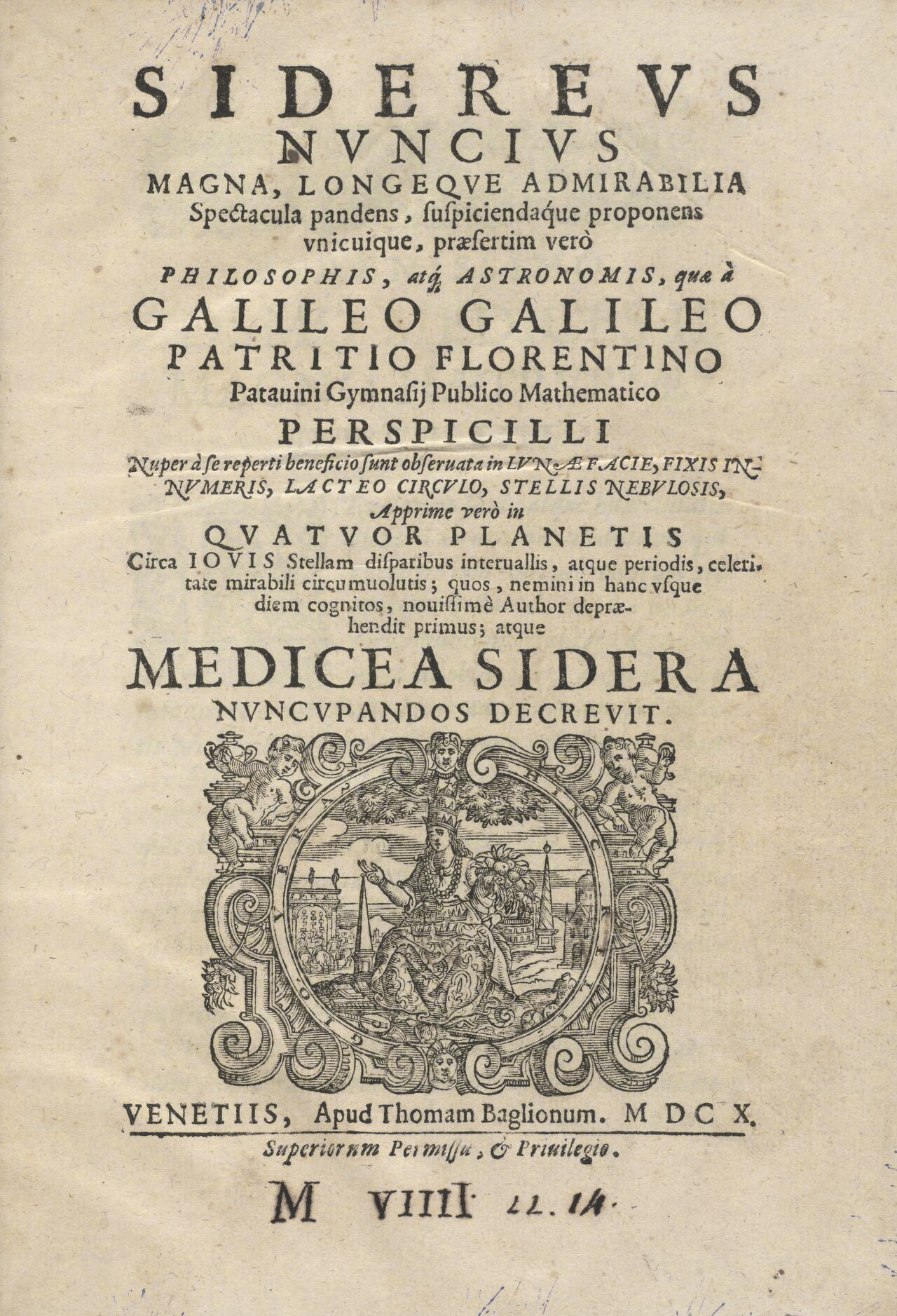 Book
Primary source
Sidereus Nuncius
Galileo Galilei · 1610
 Painting
Primary source
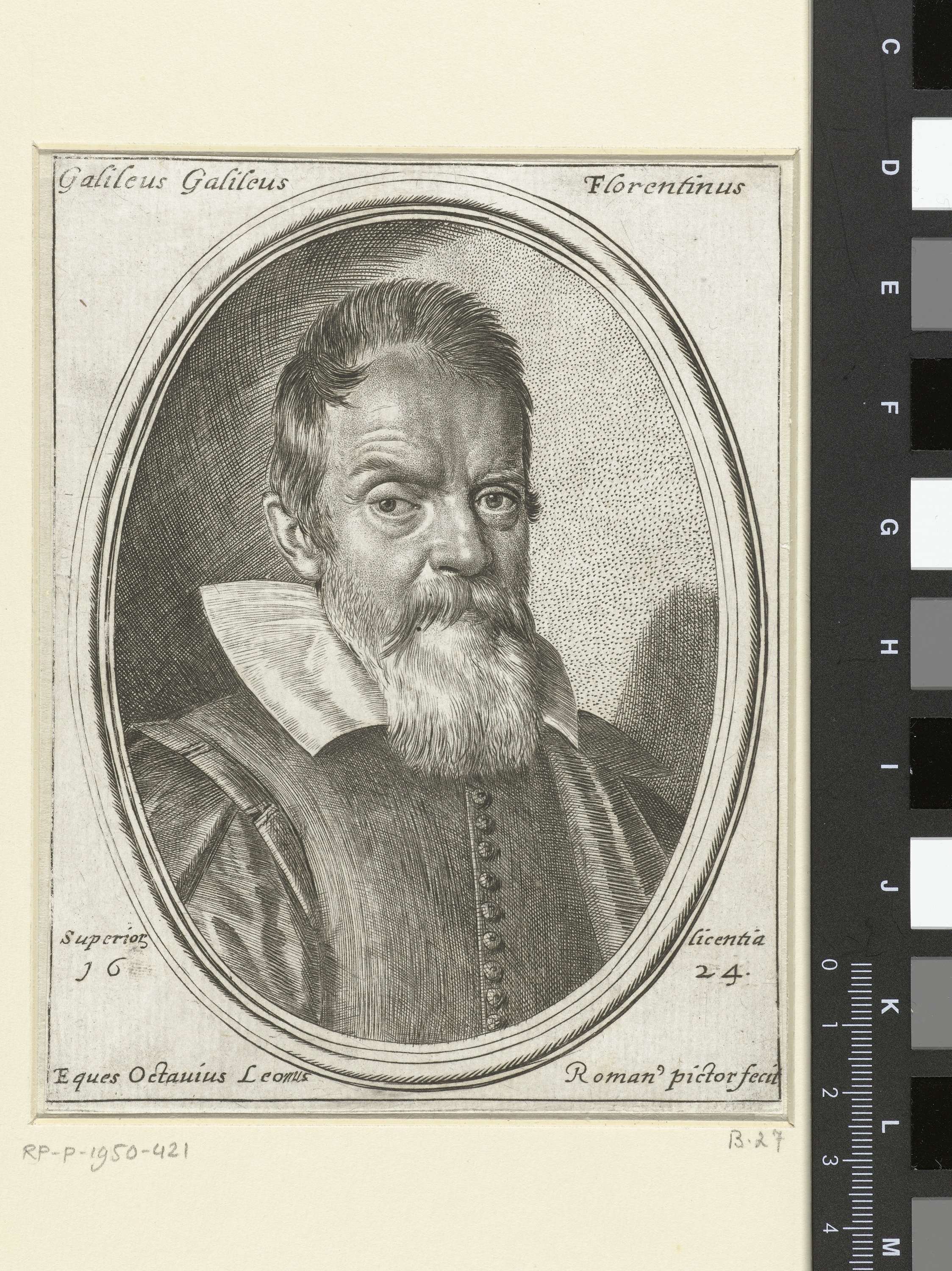
Portrait of Galileo Galilei (1624 print)
1624
 Painting
Primary source
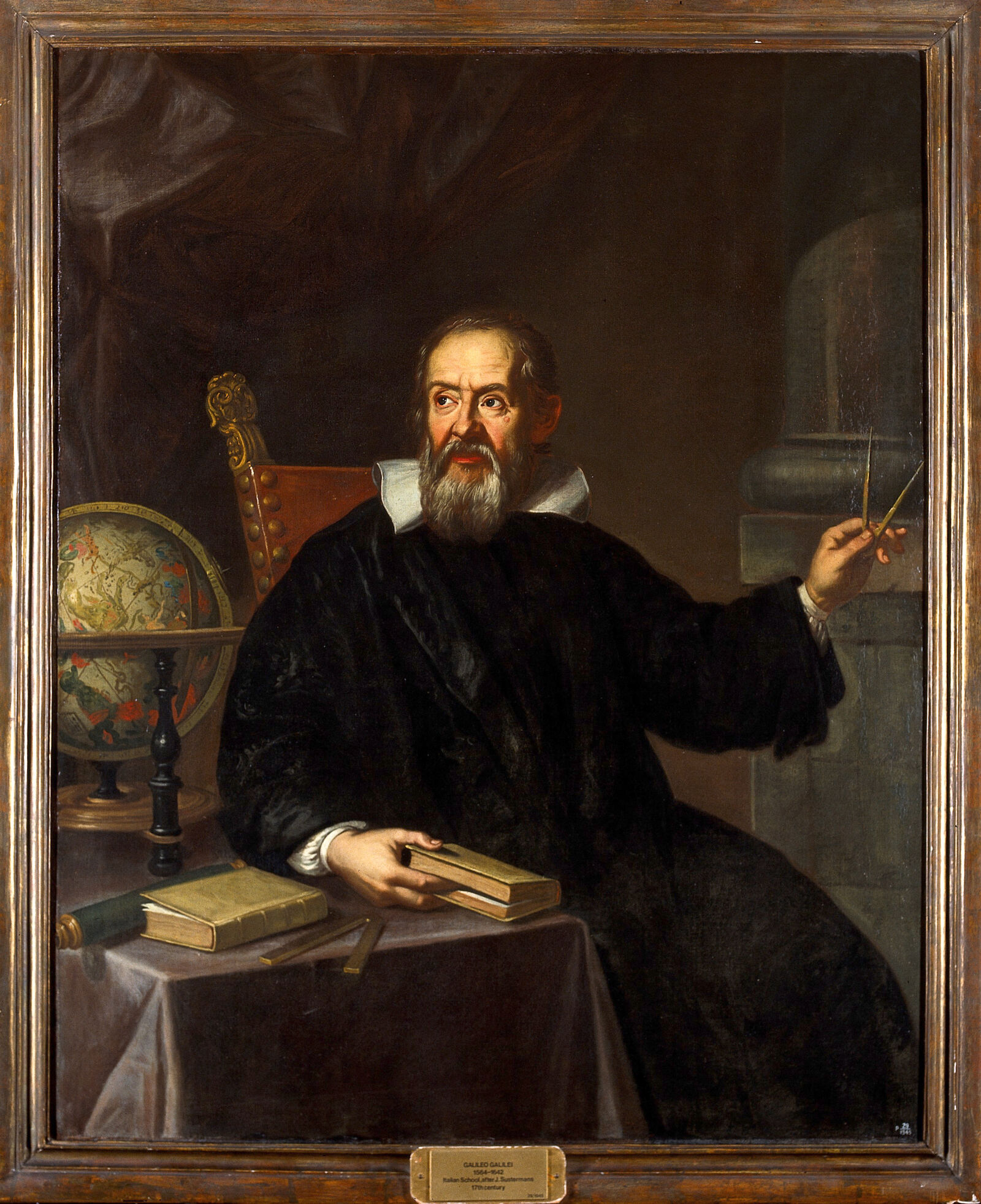
Oil Portrait of Galileo in His Study
Unknown Italian painter · 18th century (?)
 Painting
Primary source
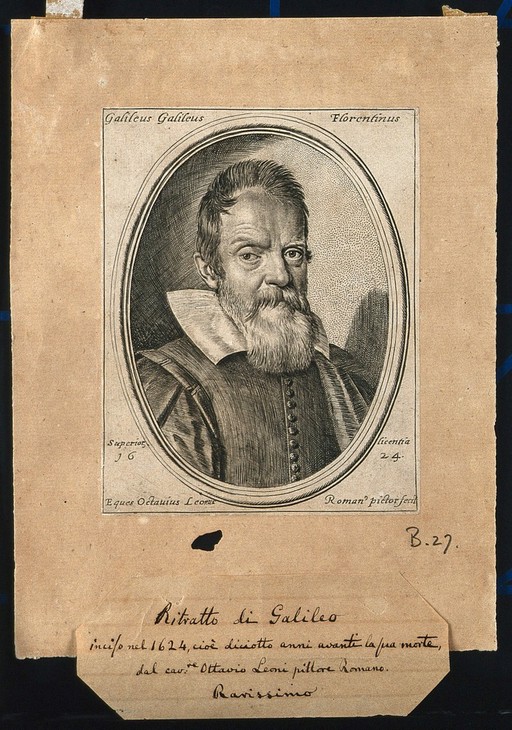
Galileo Galilei, line engraving by Ottavio Leoni
Ottavio Leoni · 1624
 Book
Primary source
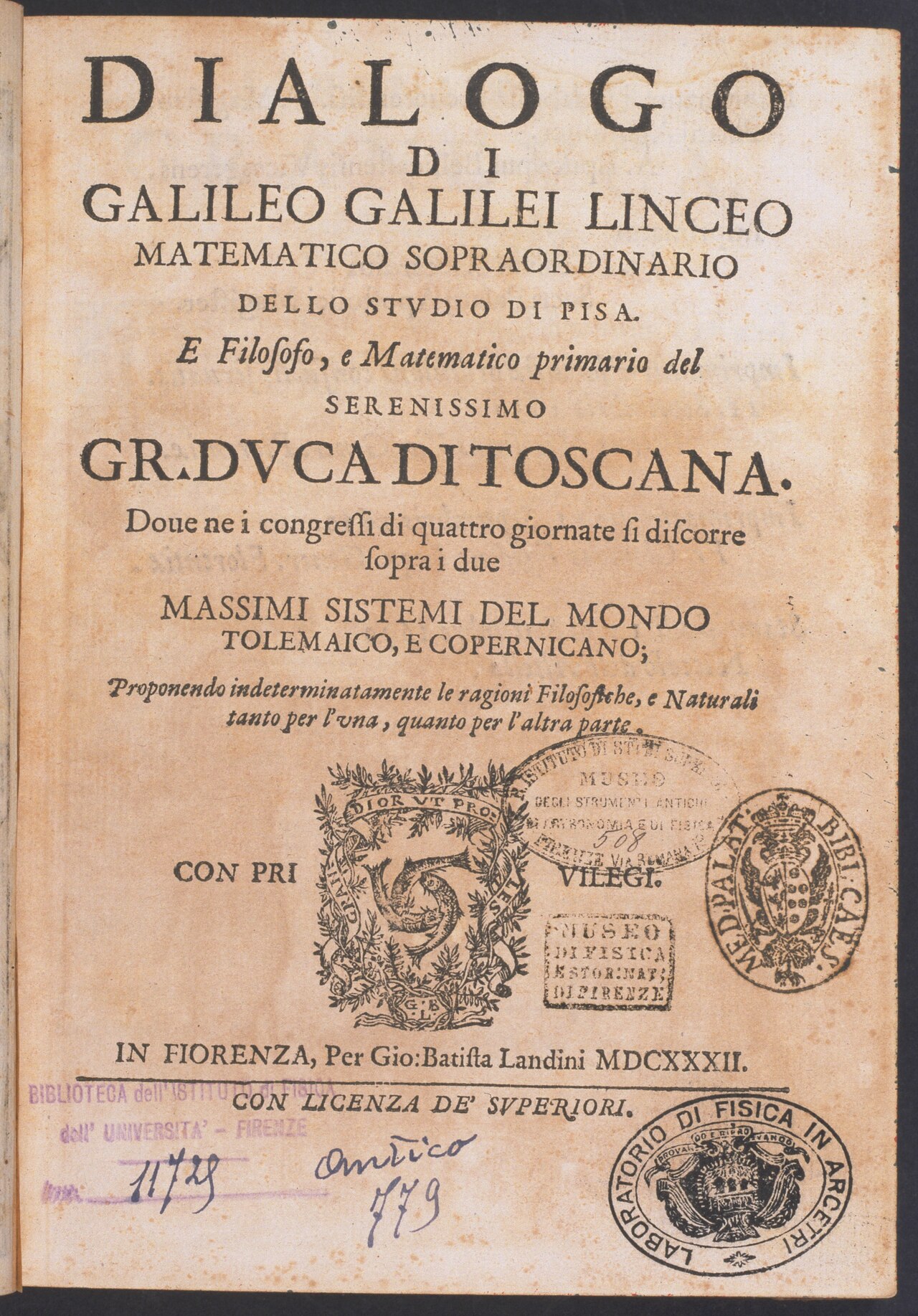
Dialogue Concerning the Two Chief World Systems
Galileo Galilei · 1632
Ready when you are
Start chatting with Galileo Galilei now.
20 messages free · No credit card · Available in 50+ languages.