


Primary sourceArtifact1641 (Shah Jahan inscription)
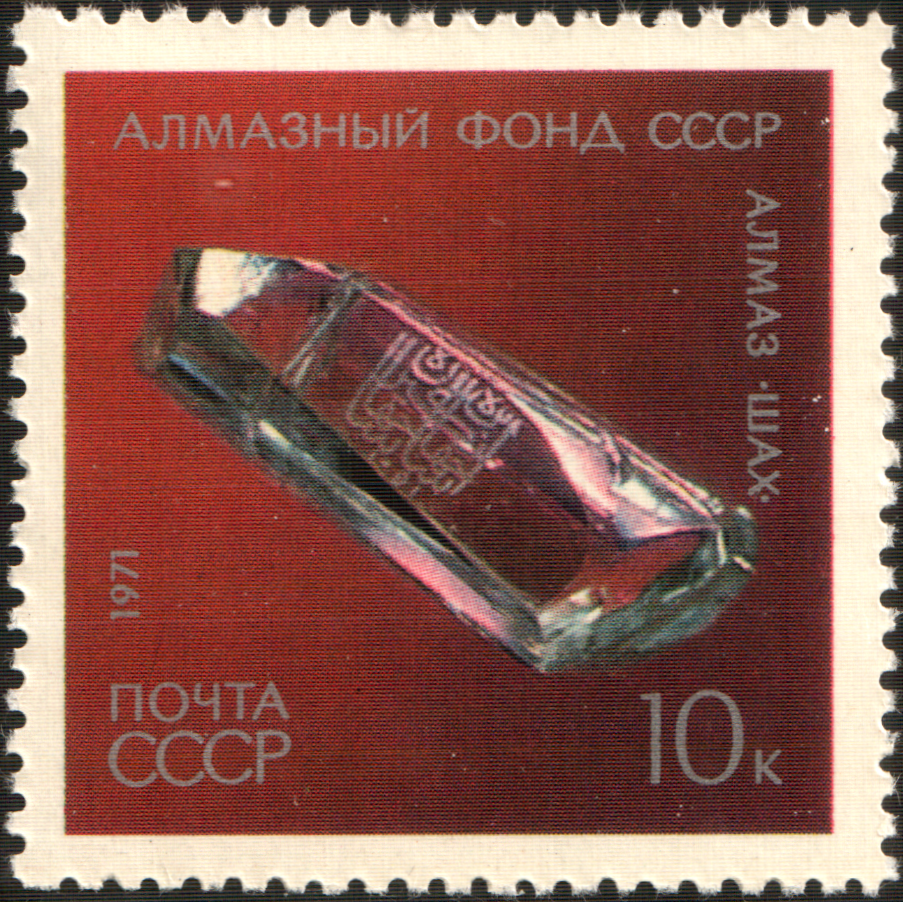
Shah Diamond
1641 (Shah Jahan inscription)
A large diamond engraved with the names of three rulers, including Shah Jahan, who had his name and the year added in 1641 to assert his legitimacy.
Shah Jahan had his name and the year 1641 engraved on this diamond, asserting his place among its royal owners.
About this source
What it is
The Shah Diamond is a lasque-cut diamond, likely found at the Golconda mines in South India around 1450. It is engraved in Persian with the names and dates of three rulers who owned it: Nizam Shah (1591), Shah Jahan (1641), and Fath 'Ali Shah (1826). It is now kept in the Diamond Fund of Moscow's Kremlin Armoury.
Why it matters
The diamond passed through many hands — from the Nizam Shahi court, to Akbar the Great, to his grandson Shah Jahan, and later to Aurangzeb, Nader Shah, and Persian and Russian rulers. Shah Jahan's inscription shows how Mughal emperors used precious gems to record and display their dynastic claims. The stone's long journey across empires reflects shifting power in South and West Asia.
Look closer
- Why might a ruler choose to engrave his name on a valuable gem rather than just owning it quietly?
- What does the diamond's journey through different empires tell us about conquest and inheritance?
- What is missing from the stone itself that a written history can tell us?
This artifact is part of the curated material that grounds the AI version of Shah Jahan on Humy.ai — when students ask about related events, the AI can quote it and cite it.
More Shah Jahan sources
Browse all 99 →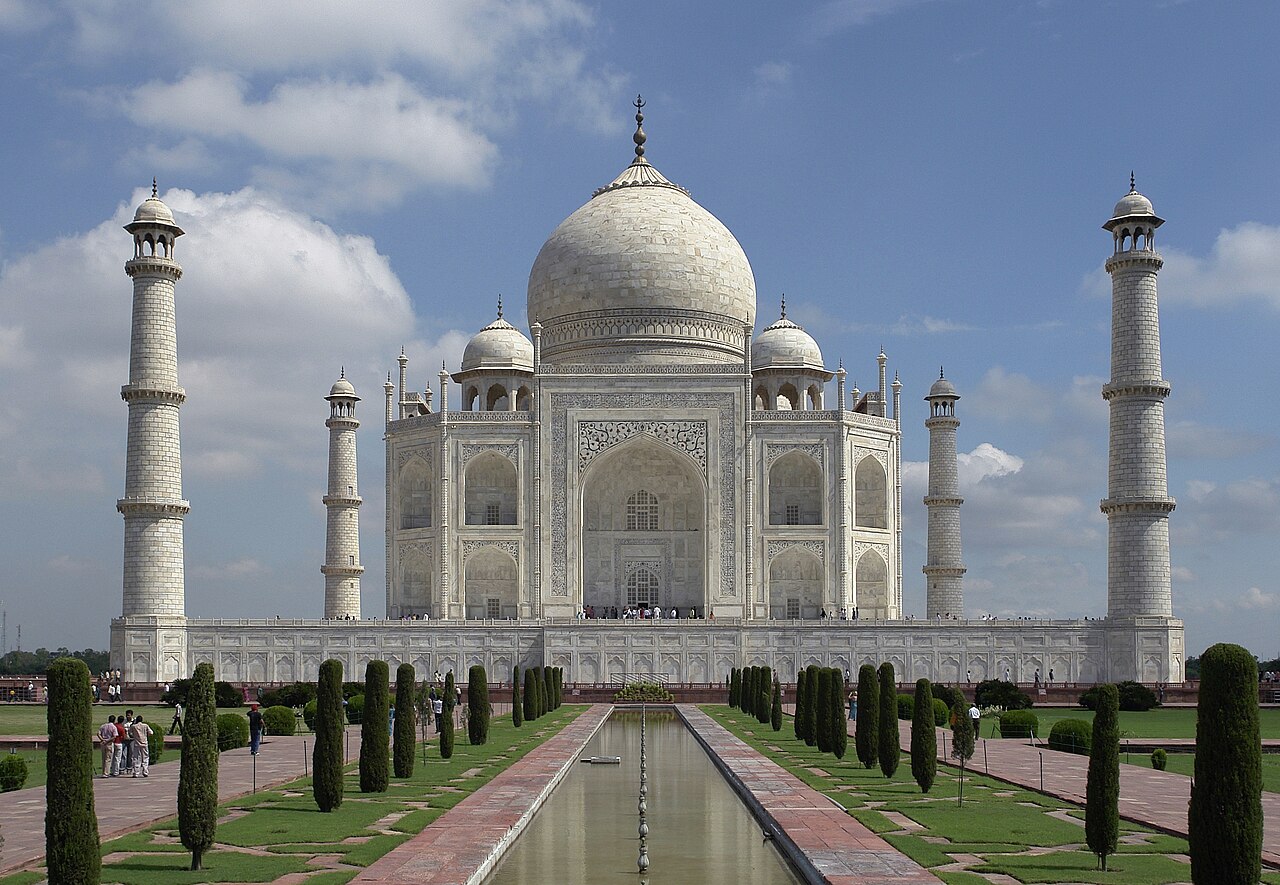 Artifact
Primary source
Taj Mahal
Ustad Ahmad Lahori · 1631-1653
 Book
Primary source
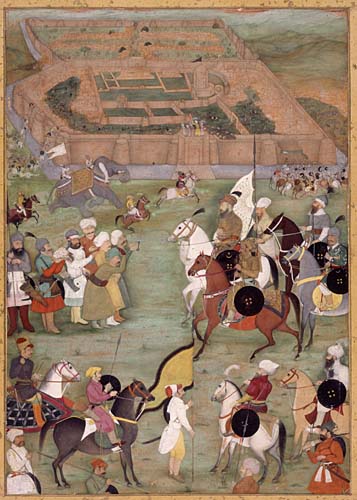
Padshahnama
Abdul Hamid Lahori · 1630-1657
 Artifact
Primary source
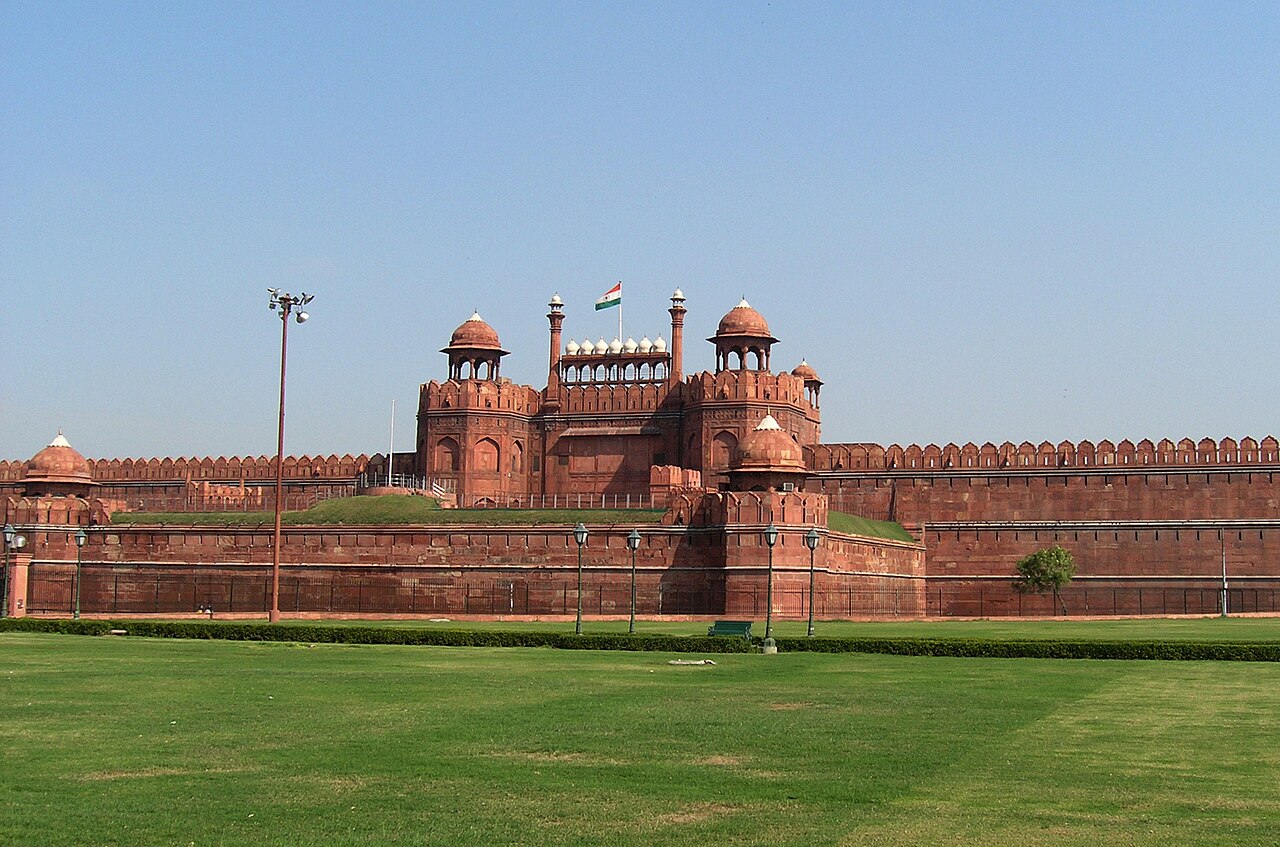
Red Fort
Ustad Ahmad Lahori · 1638-1648
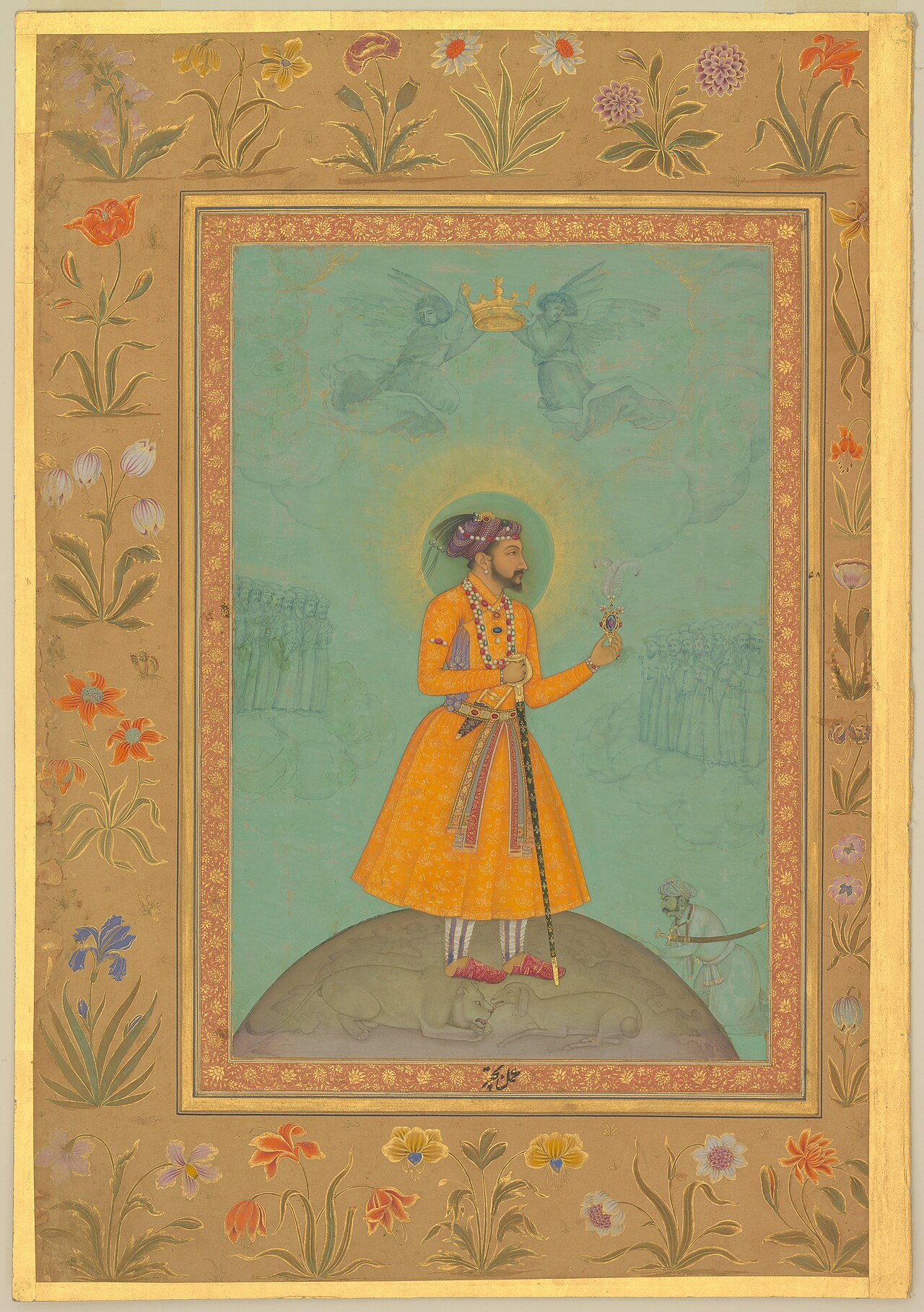 Painting
Primary source
Mughal Emperor Shah Jahan standing on a globe
Bichitr · c. 1630
Free account
Read every Shah Jahan source
Sign up free →
Ready when you are
Start chatting with Shah Jahan now.
20 messages free · No credit card · Available in 50+ languages.