


Primary sourcePaintingc. 1638
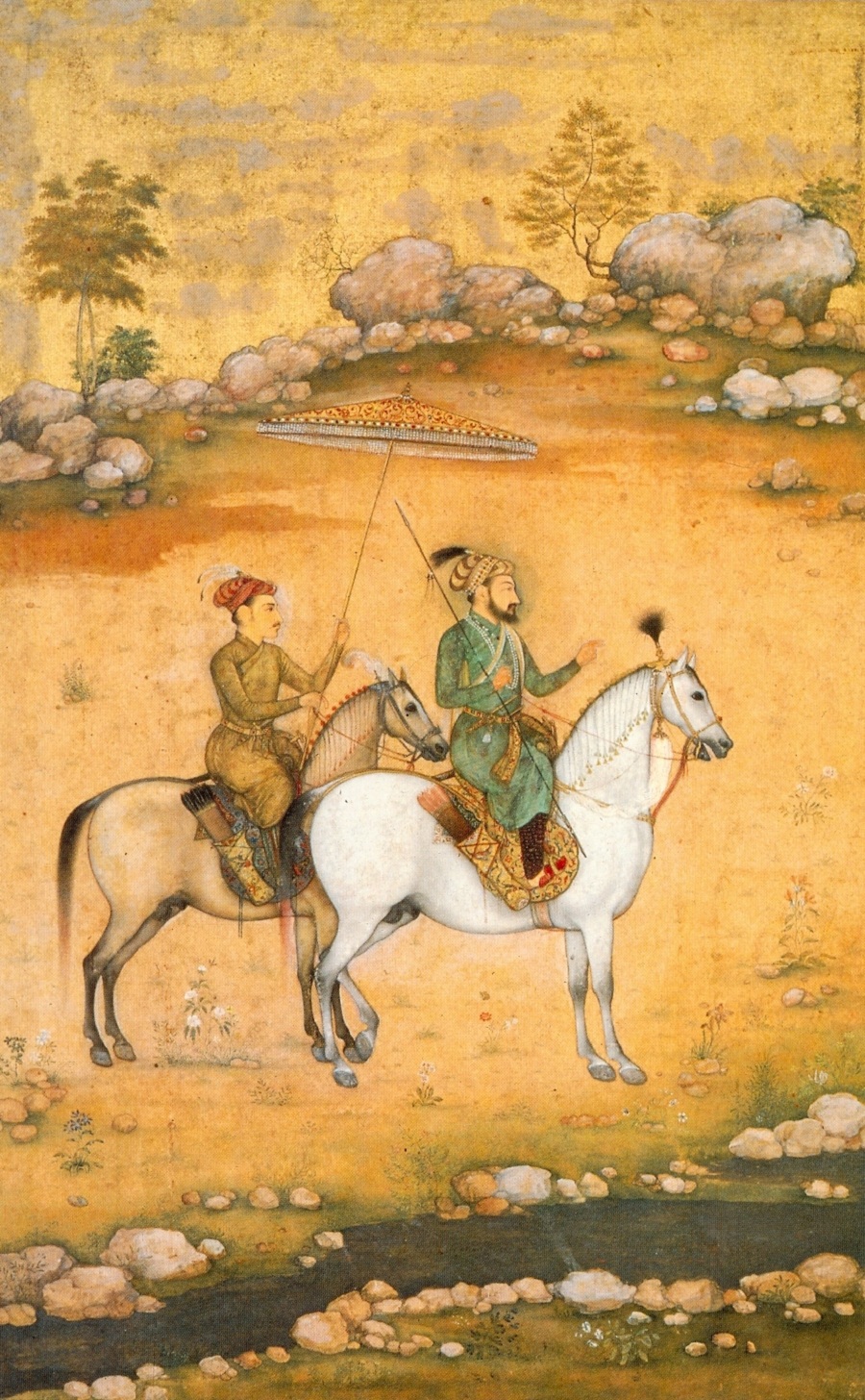
Shah Jahan and Dara Shikoh
Govardhan · c. 1638
A court painting by Govardhan showing Emperor Shah Jahan on horseback with his eldest son and heir, Dara Shikoh.
This painting depicts Shah Jahan with his favored heir Dara Shikoh, made during his reign.
About this source
What it is
This painting by the Mughal artist Govardhan, made around 1638, shows two riders in a golden landscape: a bearded man in a jeweled turban, identified as Shah Jahan, and a younger man riding beneath a decorated parasol, understood to be his son Dara Shikoh. It is now held at the Victoria and Albert Museum.
Why it matters
The painting shows the close bond between Shah Jahan and the son he favored as his successor. Dara Shikoh was later involved in a struggle for the throne among Shah Jahan's sons. Images like this, made during the emperor's reign, show how royal relationships were displayed and recorded visually at court.
Look closer
- What details suggest the relative status of the two riders?
- Why might an artist show father and son together in this setting?
- What might this image not tell us about the real relationship between them?
This painting is part of the curated material that grounds the AI version of Shah Jahan on Humy.ai — when students ask about related events, the AI can quote it and cite it.
More Shah Jahan sources
Browse all 99 →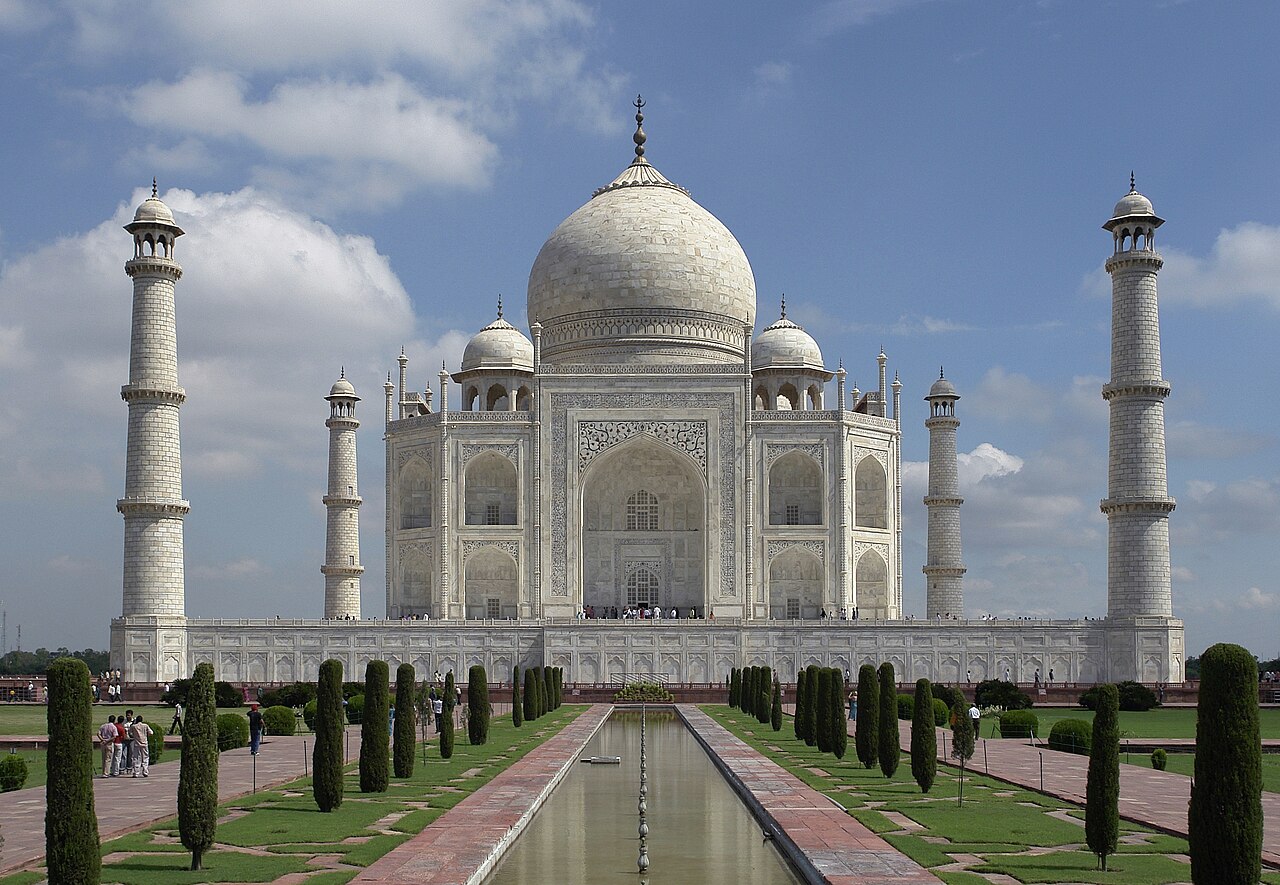 Artifact
Primary source
Taj Mahal
Ustad Ahmad Lahori · 1631-1653
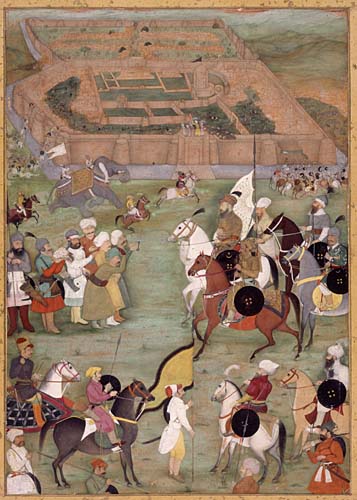 Book
Primary source
Padshahnama
Abdul Hamid Lahori · 1630-1657
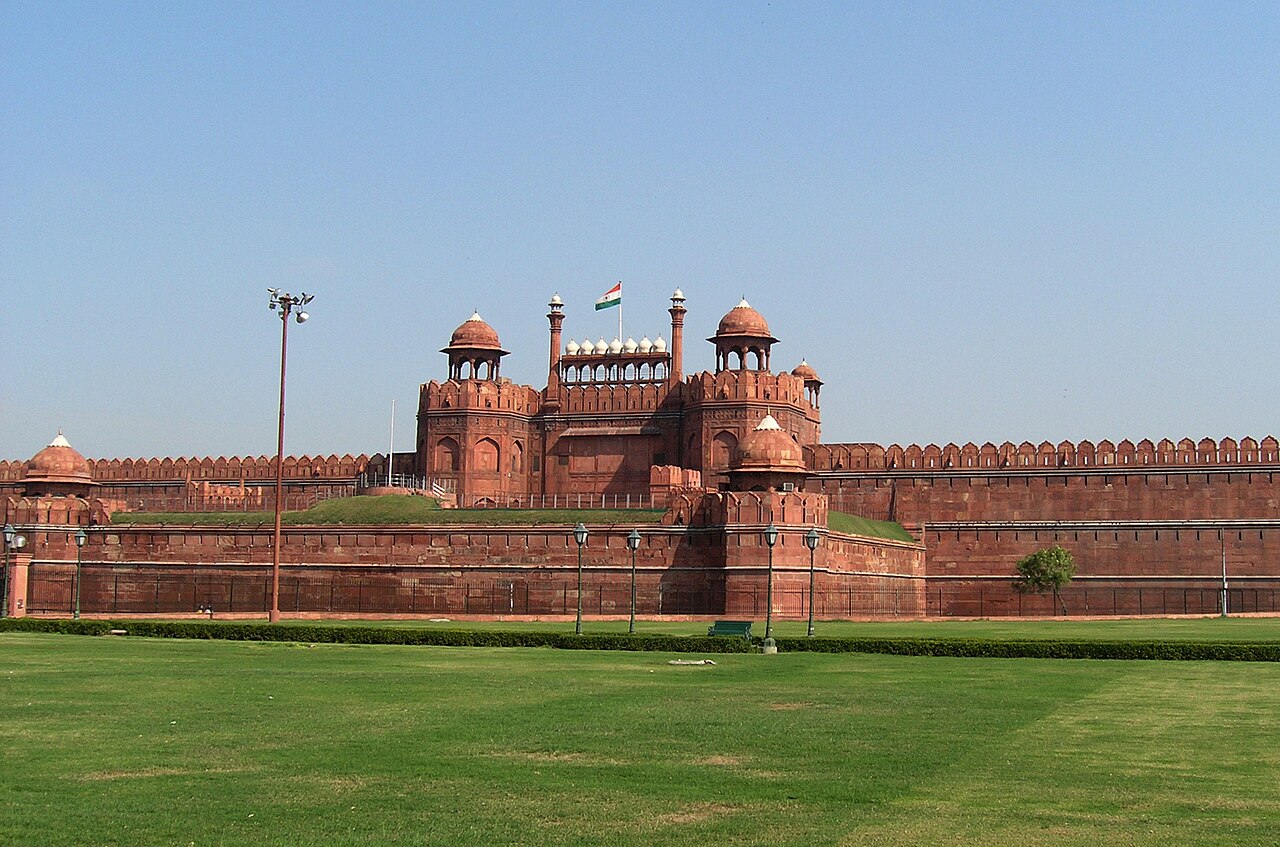 Artifact
Primary source
Red Fort
Ustad Ahmad Lahori · 1638-1648
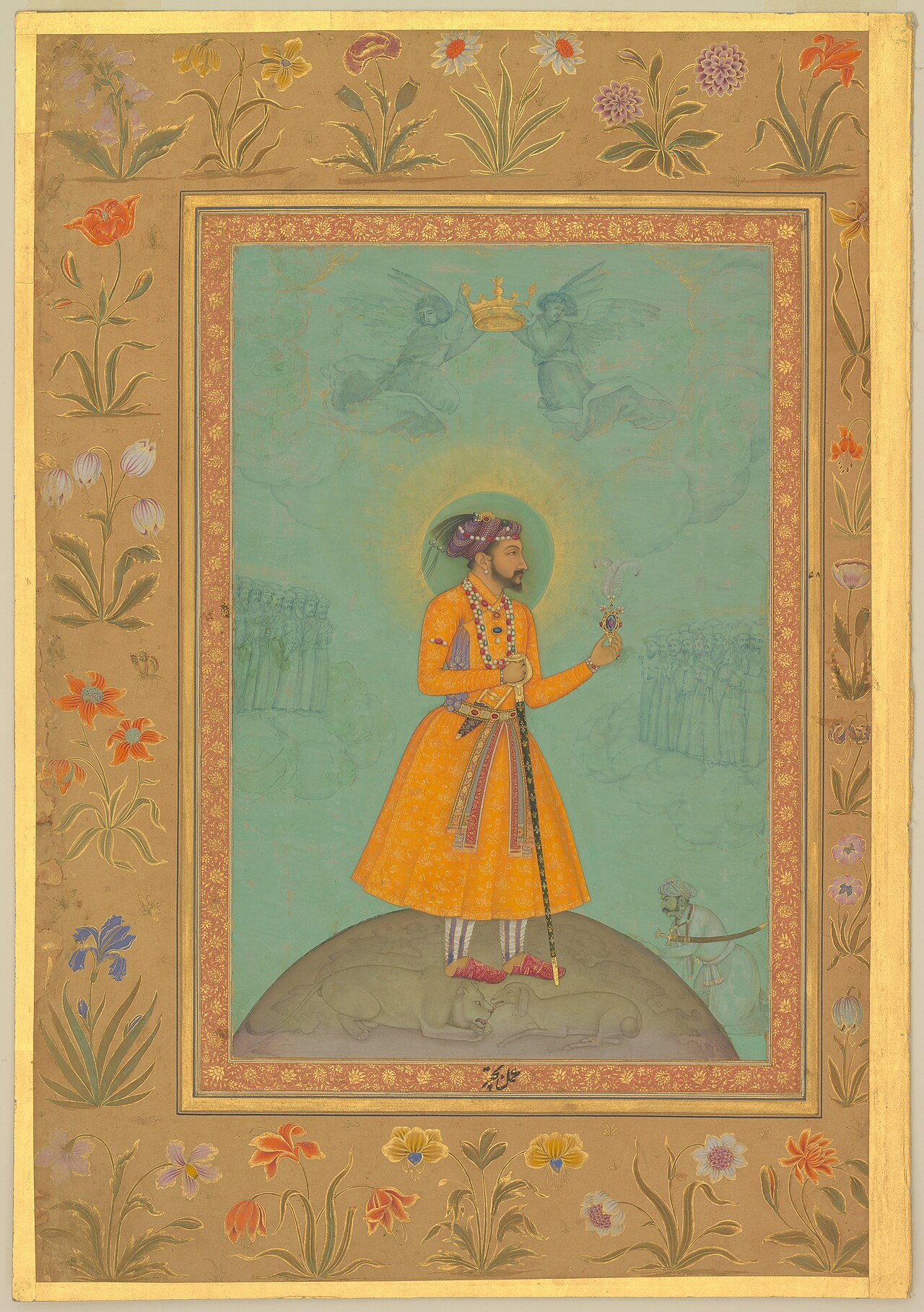 Painting
Primary source
Mughal Emperor Shah Jahan standing on a globe
Bichitr · c. 1630
Free account
Read every Shah Jahan source
Sign up free →
Ready when you are
Start chatting with Shah Jahan now.
20 messages free · No credit card · Available in 50+ languages.