


Secondary sourcePaintingc. 1656-58
Shah Jahan and his Son
Rembrandt · c. 1656-58
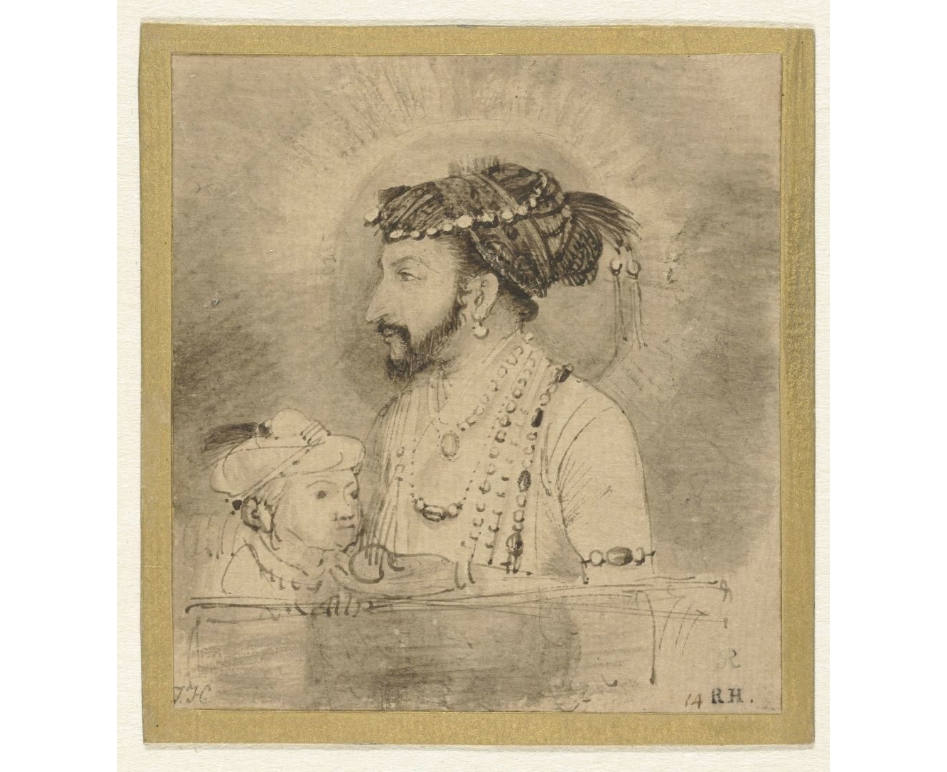
A pen-and-ink drawing by the Dutch artist Rembrandt, made in Europe using Mughal pictures as his source, showing Shah Jahan with a son.
A European artist's secondhand drawing of Shah Jahan, copied from Mughal miniature paintings rather than from life.
About this source
What it is
This is a pen and brown ink drawing with wash by the Dutch artist Rembrandt, made around 1656-58. It shows a bearded man in profile wearing a jeweled turban with a feather and a radiant halo, beside a small child. Rembrandt made this drawing in Europe, working from Mughal miniature paintings he had seen rather than from life.
Why it matters
This drawing shows how images of Shah Jahan and the Mughal court traveled to Europe and inspired artists far from India. Rembrandt copied the pose, turban and halo style he saw in Mughal art, showing European fascination with the Mughal empire's wealth and imagery. It is not a firsthand record of Shah Jahan but a European artist's secondhand interpretation.
Look closer
- What details did Rembrandt copy from Mughal painting style, such as the halo and turban?
- Why might a European artist in the 1650s be interested in drawing a Mughal emperor he never saw?
- How does this image differ from portraits made at the Mughal court itself?
This painting is part of the curated material that grounds the AI version of Shah Jahan on Humy.ai — when students ask about related events, the AI can quote it and cite it.
More Shah Jahan sources
Browse all 99 →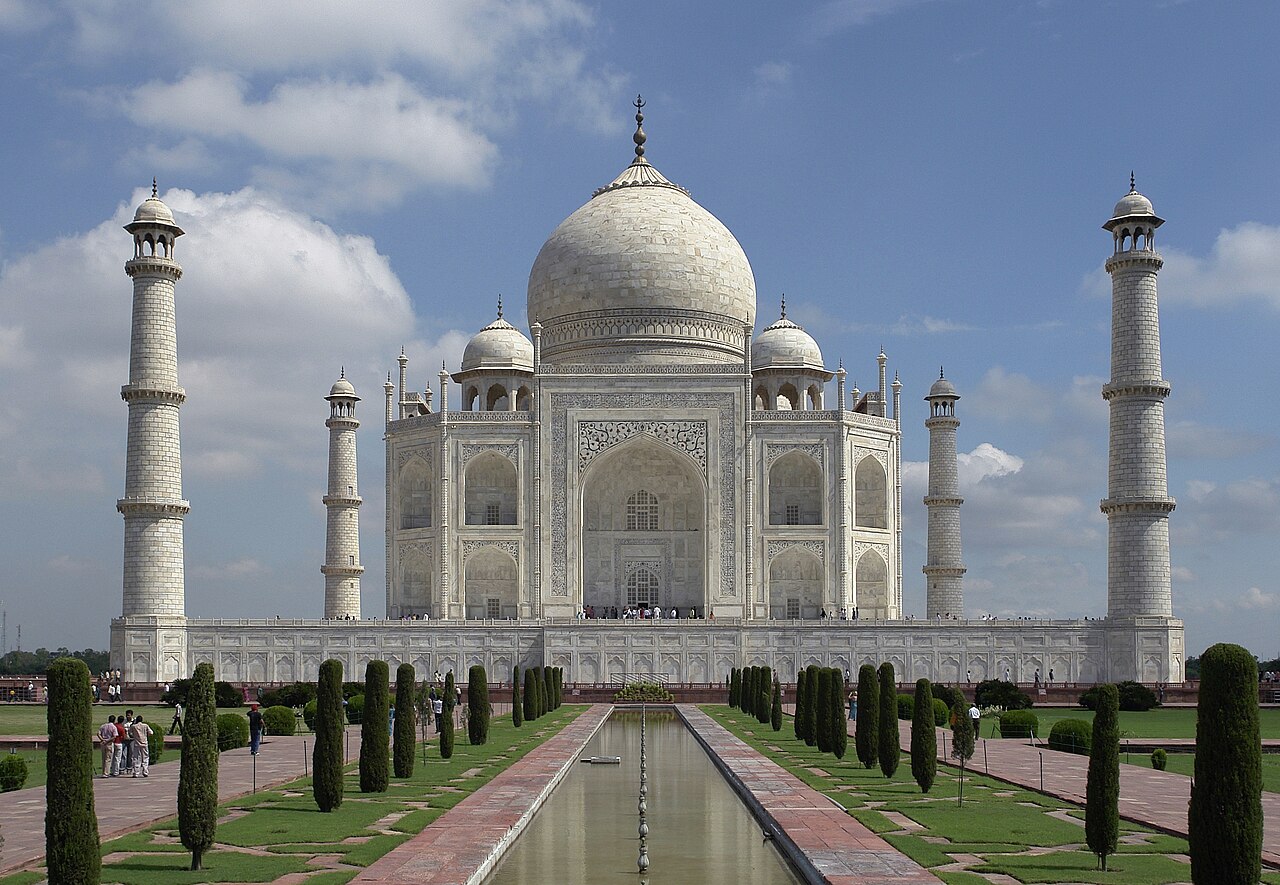 Artifact
Primary source
Taj Mahal
Ustad Ahmad Lahori · 1631-1653
 Book
Primary source
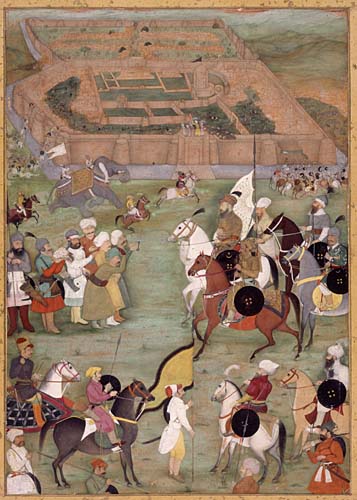
Padshahnama
Abdul Hamid Lahori · 1630-1657
 Artifact
Primary source
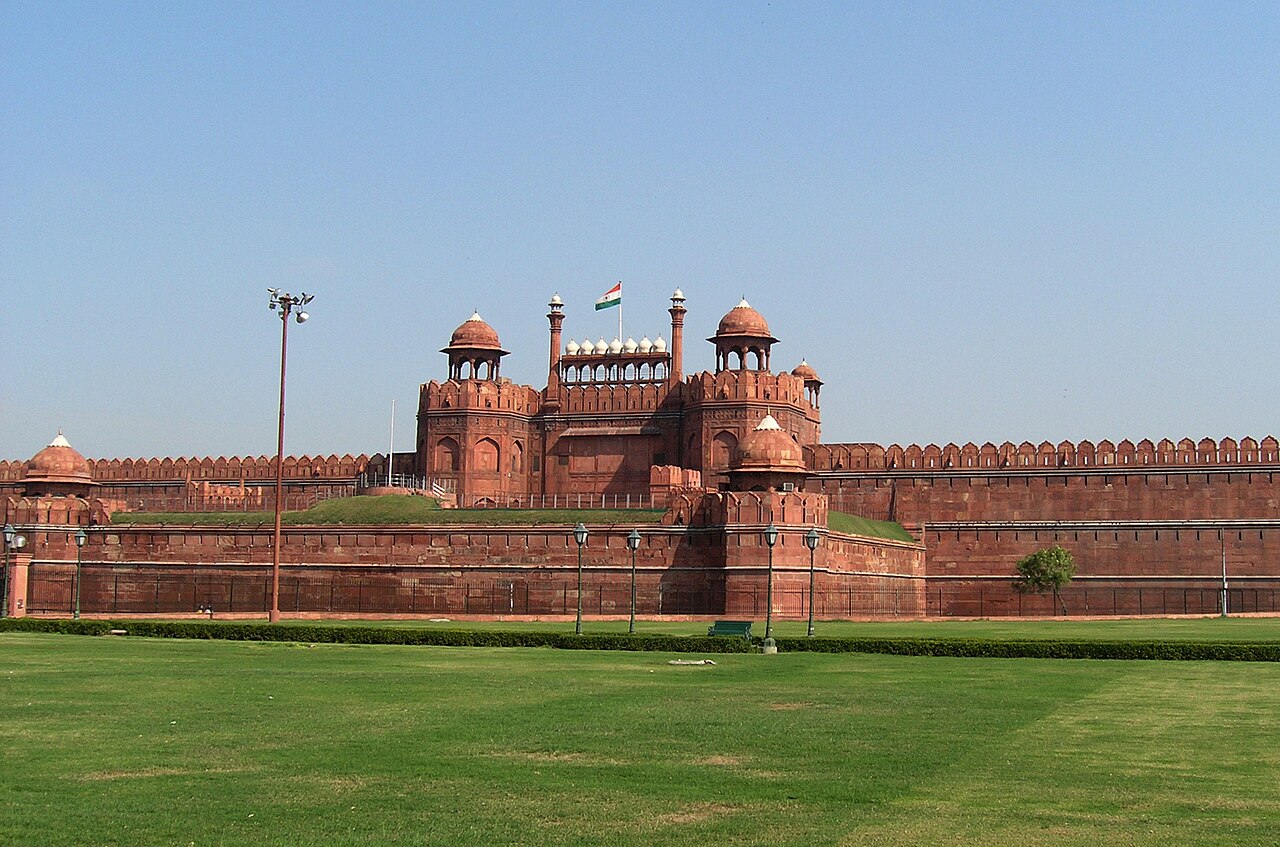
Red Fort
Ustad Ahmad Lahori · 1638-1648
 Painting
Primary source
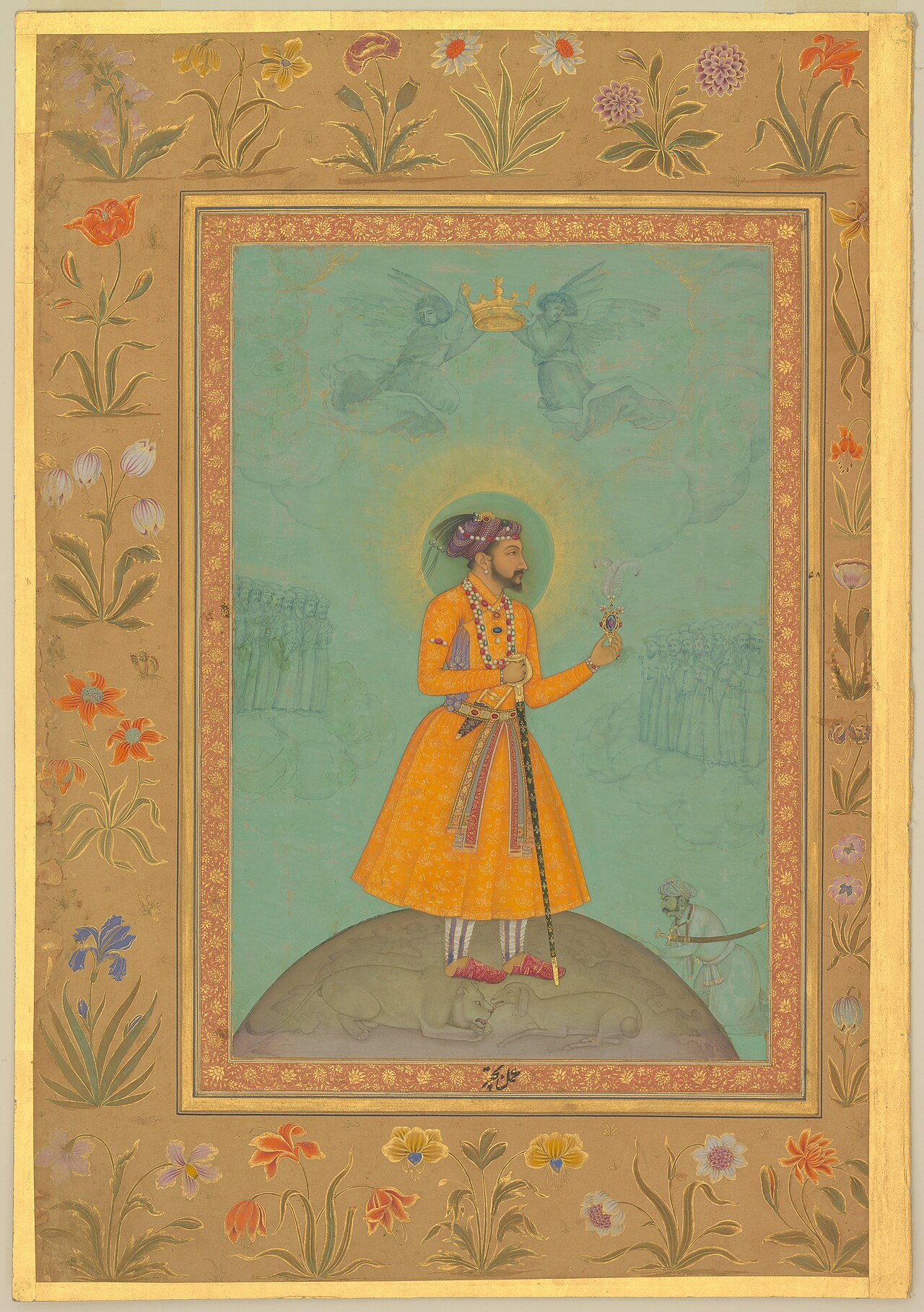
Mughal Emperor Shah Jahan standing on a globe
Bichitr · c. 1630
Free account
Read every Shah Jahan source
Sign up free →
Ready when you are
Start chatting with Shah Jahan now.
20 messages free · No credit card · Available in 50+ languages.