


Primary sourceArtifactc. 1630-1640
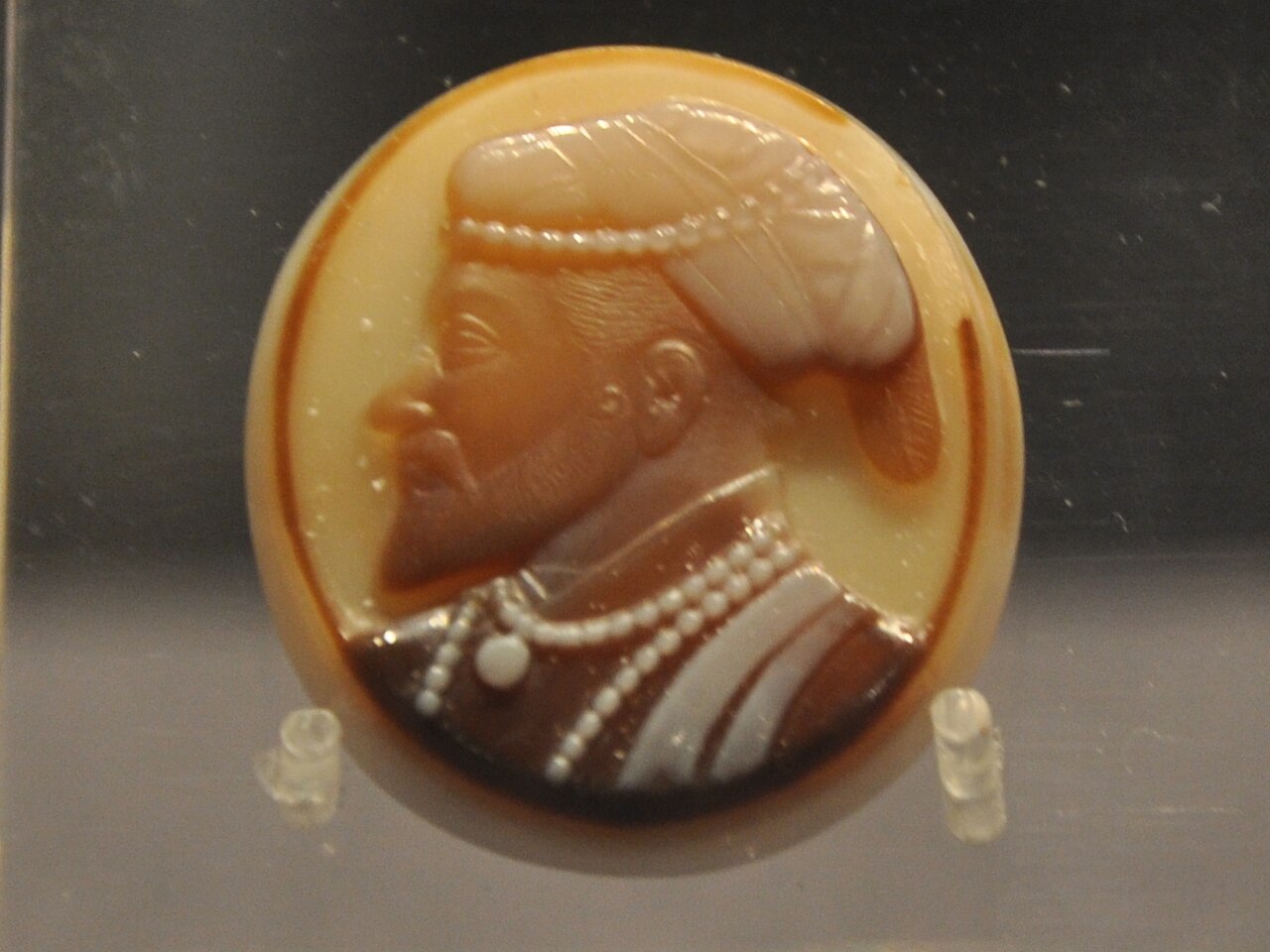
Shah Jahan cameo
Aiwok · c. 1630-1640
An oval shell cameo carved in profile with a bearded man in a turban and pearls. It is probably the work of European craftsmen at the Mughal court.
The cameo shows Shah Jahan in profile, and it reflects the cross-cultural portraits made for or about him at his court.
About this source
What it is
This is an oval shell cameo carved in relief with a profile portrait of a bearded man. He wears a turban with a pearl band and a pearl necklace. The piece is shown behind glass against a pale background. It is held by the Victoria and Albert Museum and is recorded as a portrait of Shah Jahan, made around 1630 to 1640.
The record says the cameo was probably made by European craftsmen working at the Mughal court. The catalogue lists Aiwok as its creator.
Why it matters
The cameo shows how Mughal patrons and European craftsmen worked together. It combines a European technique of carving in shell with a portrait of an Indian emperor. Portraits like this show how rulers were presented to their courts and to outsiders.
Look closer
- What details of the turban and pearls show the emperor's wealth and status?
- Why might a craftsman from Europe have been asked to carve a Mughal ruler?
- What does a small carved portrait leave out about the emperor's daily life and power?
This artifact is part of the curated material that grounds the AI version of Shah Jahan on Humy.ai — when students ask about related events, the AI can quote it and cite it.
More Shah Jahan sources
Browse all 99 →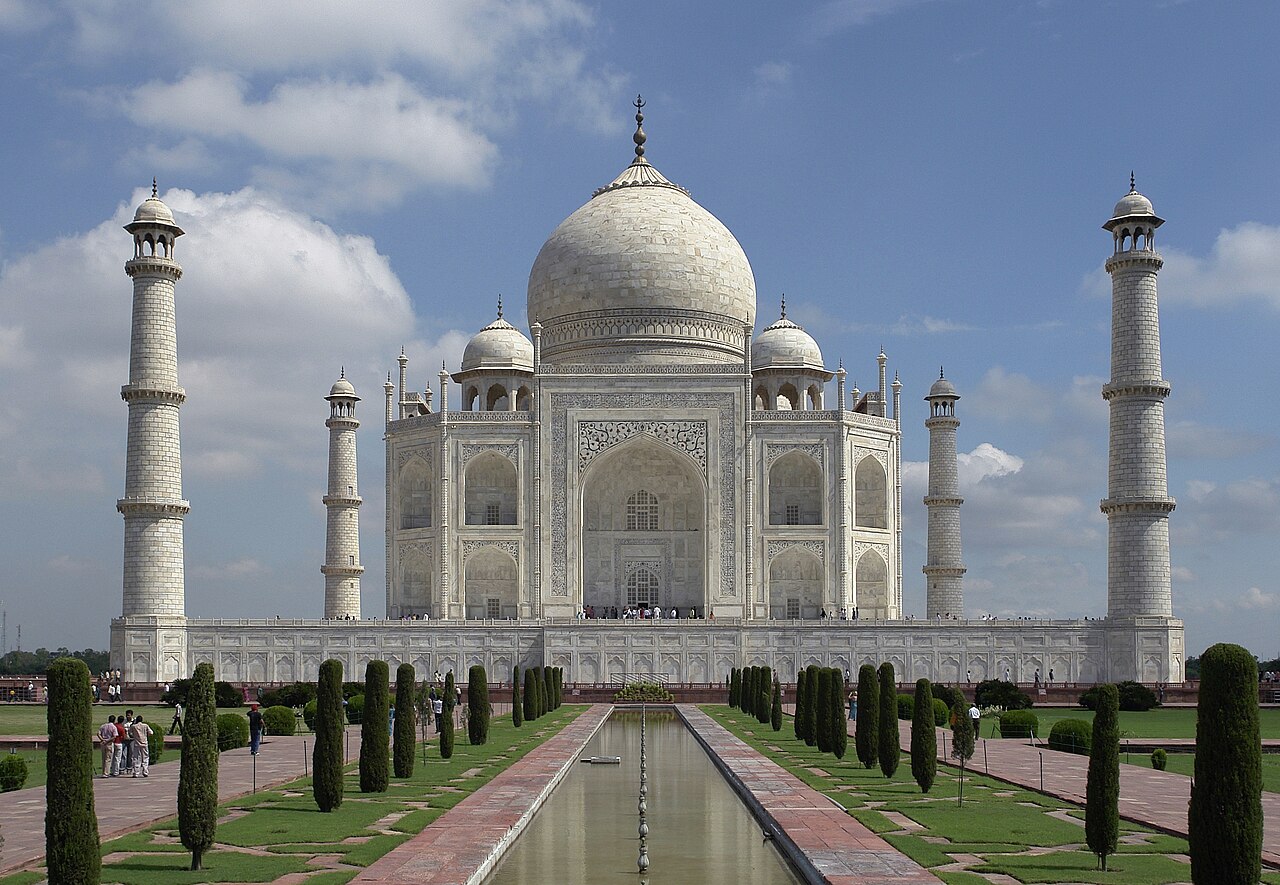 Artifact
Primary source
Taj Mahal
Ustad Ahmad Lahori · 1631-1653
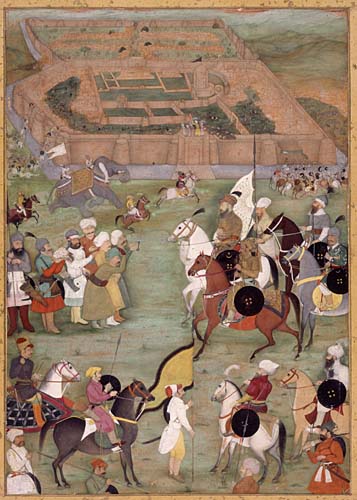 Book
Primary source
Padshahnama
Abdul Hamid Lahori · 1630-1657
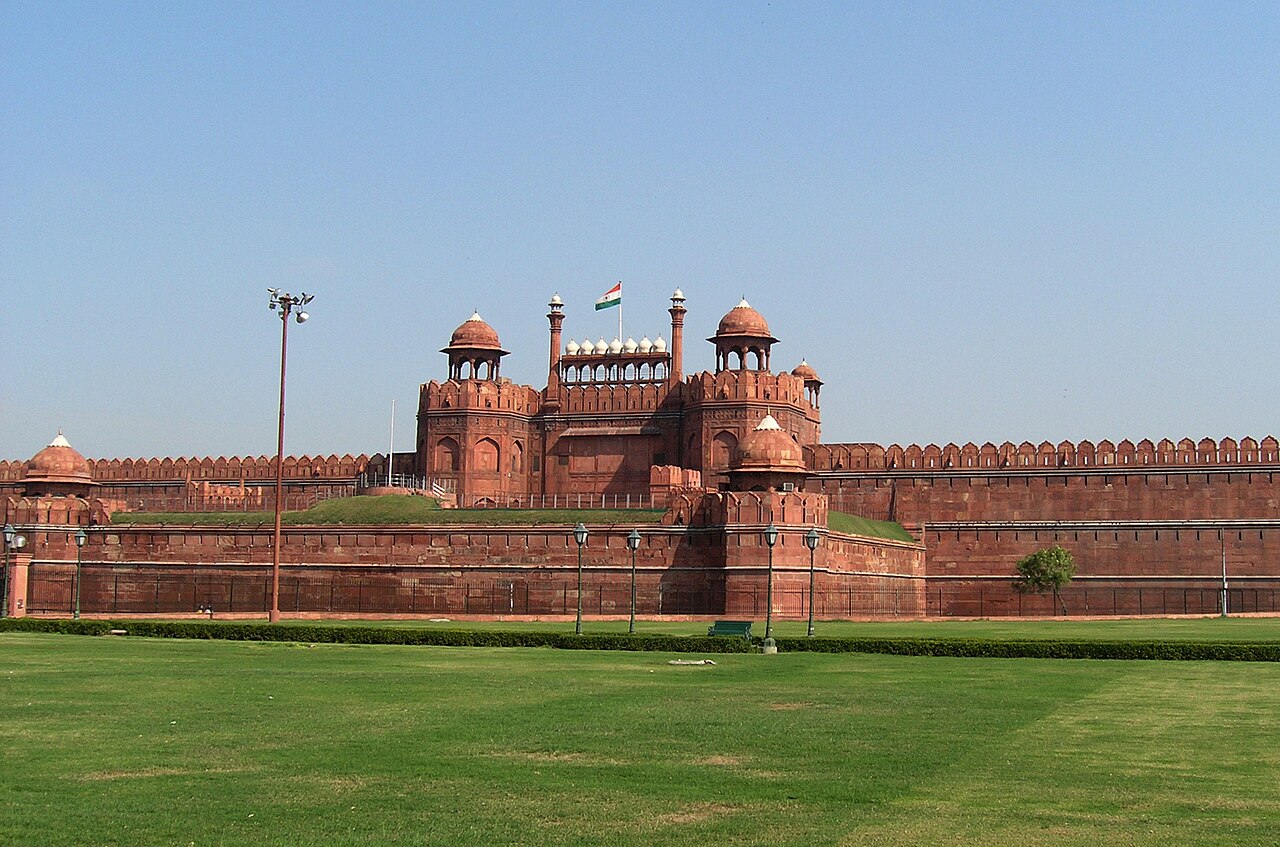 Artifact
Primary source
Red Fort
Ustad Ahmad Lahori · 1638-1648
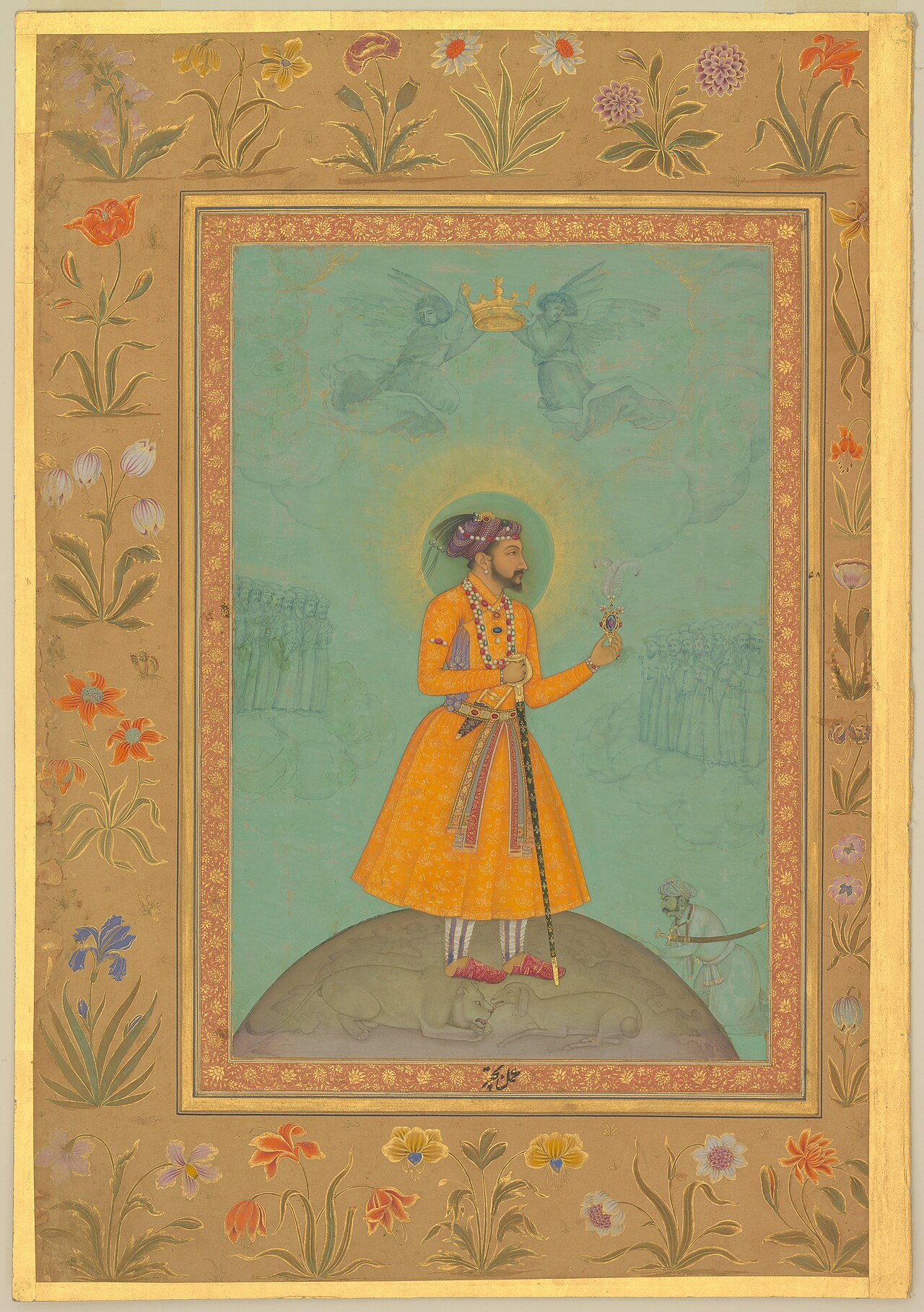 Painting
Primary source
Mughal Emperor Shah Jahan standing on a globe
Bichitr · c. 1630
Free account
Read every Shah Jahan source
Sign up free →
Ready when you are
Start chatting with Shah Jahan now.
20 messages free · No credit card · Available in 50+ languages.