


Primary sourcePaintingc. 1630
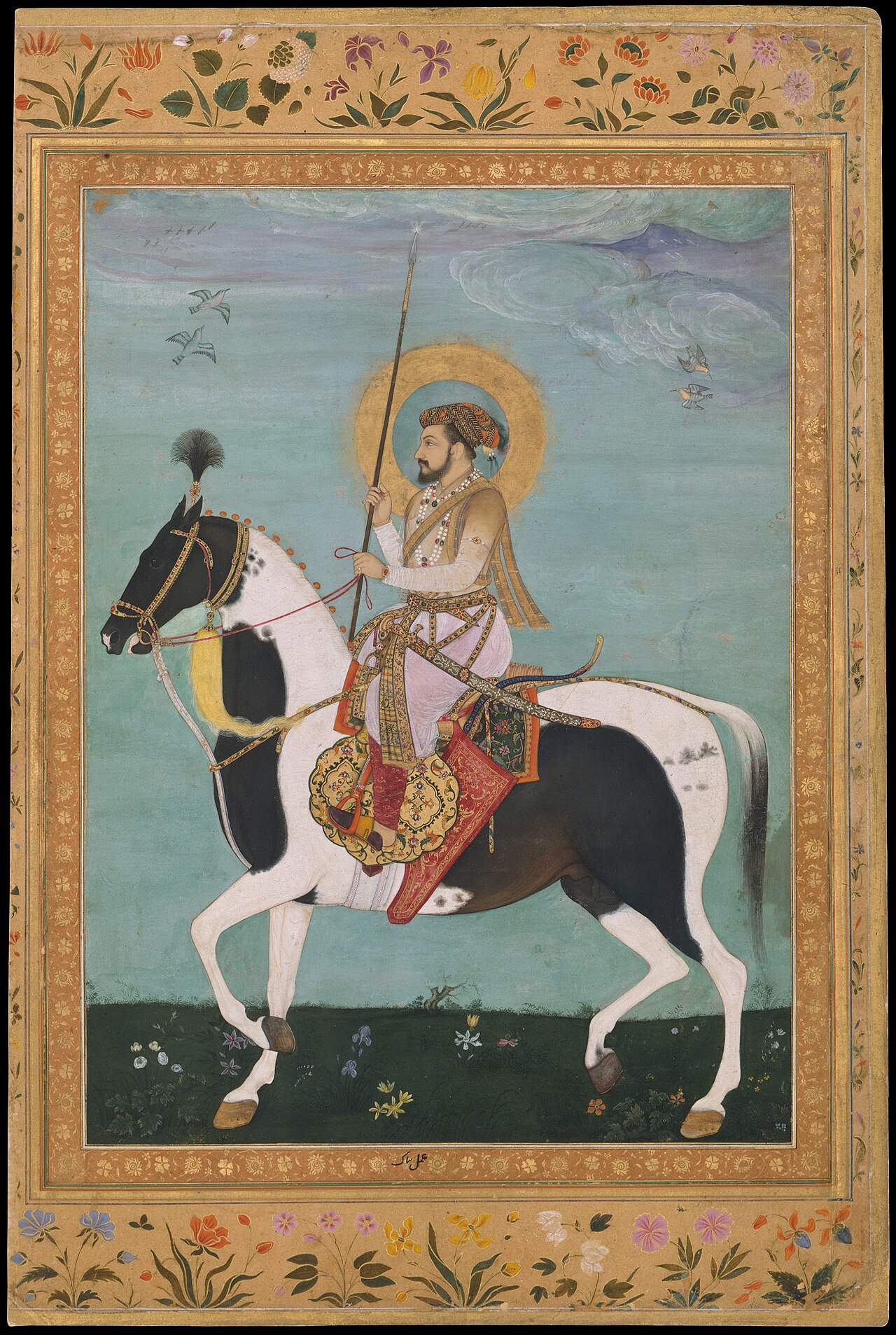
Shah Jahan on Horseback
Payag · c. 1630
An equestrian portrait of Shah Jahan by the Mughal painter Payag, showing the emperor as a warrior-ruler.
A court portrait presenting Shah Jahan as a martial ruler on horseback.
Free Humy account · No credit card · 120,912 sources to read
About this source
What it is
A painting by the court artist Payag, made around 1630, from the Shah Jahan Album. It shows the emperor mounted on a horse, wearing a jeweled turban and pearl necklaces, carrying a long spear, with a golden halo behind his head. It is now held at the Metropolitan Museum of Art.
Why it matters
Equestrian portraits like this presented the emperor as a strong, martial figure capable of leading his empire in war as well as peace. The golden halo was a common device in Mughal painting to show divinely sanctioned royal authority.
Look closer
- What does the pose and equipment of the horse and rider suggest about how Shah Jahan wanted to be seen?
- Why might the artist have given the emperor a glowing halo, as if a saint or holy figure?
- What is left out of this heroic image of rule?
This painting is part of the curated material that grounds the AI version of Shah Jahan on Humy.ai — when students ask about related events, the AI can quote it and cite it.
More Shah Jahan sources
Browse all 99 →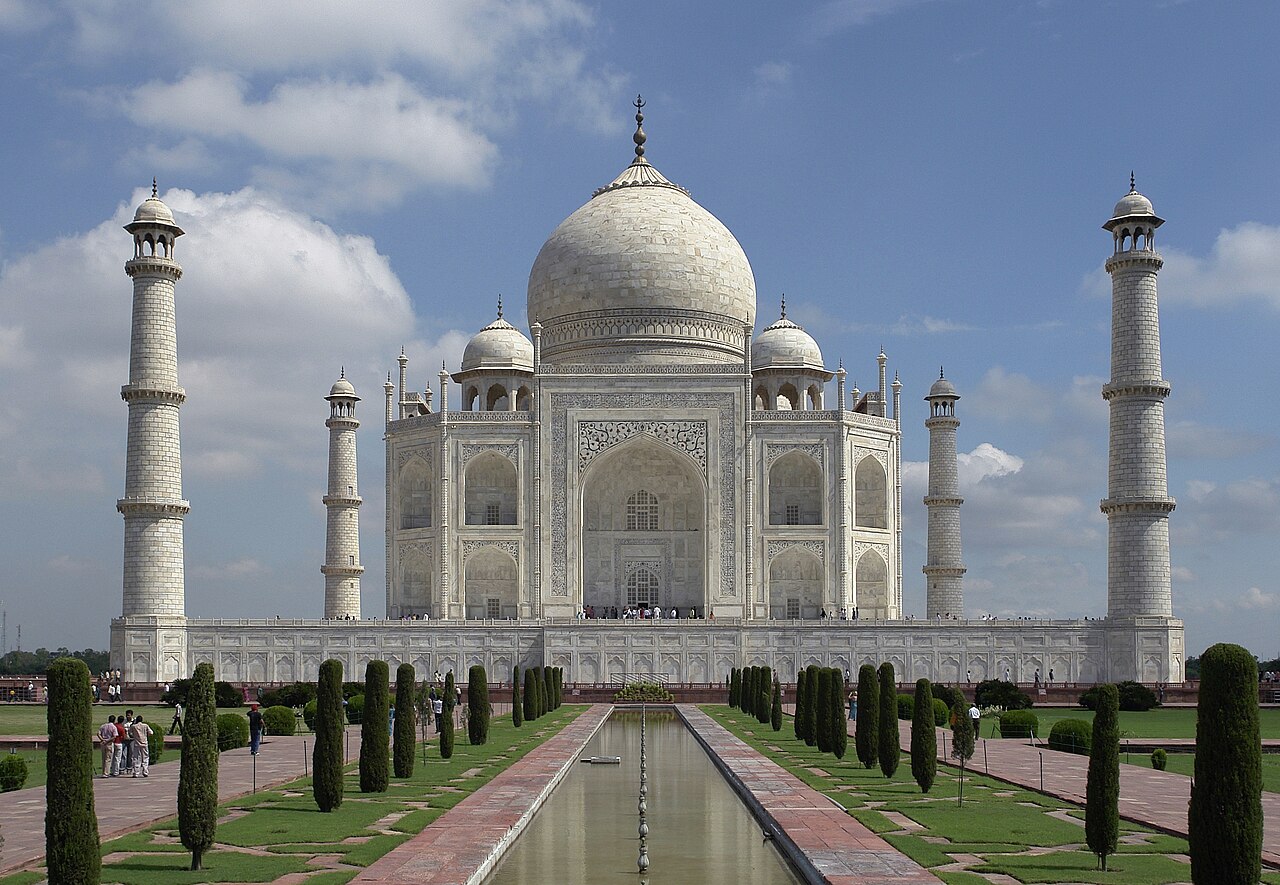 Artifact
Primary source
Taj Mahal
Ustad Ahmad Lahori · 1631-1653
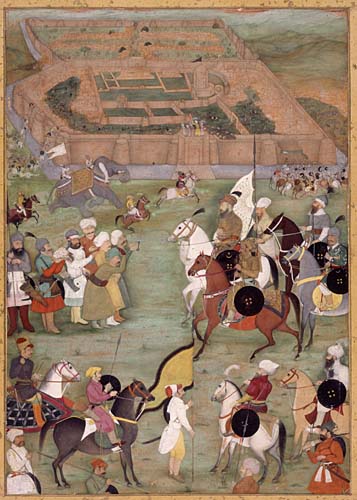 Book
Primary source
Padshahnama
Abdul Hamid Lahori · 1630-1657
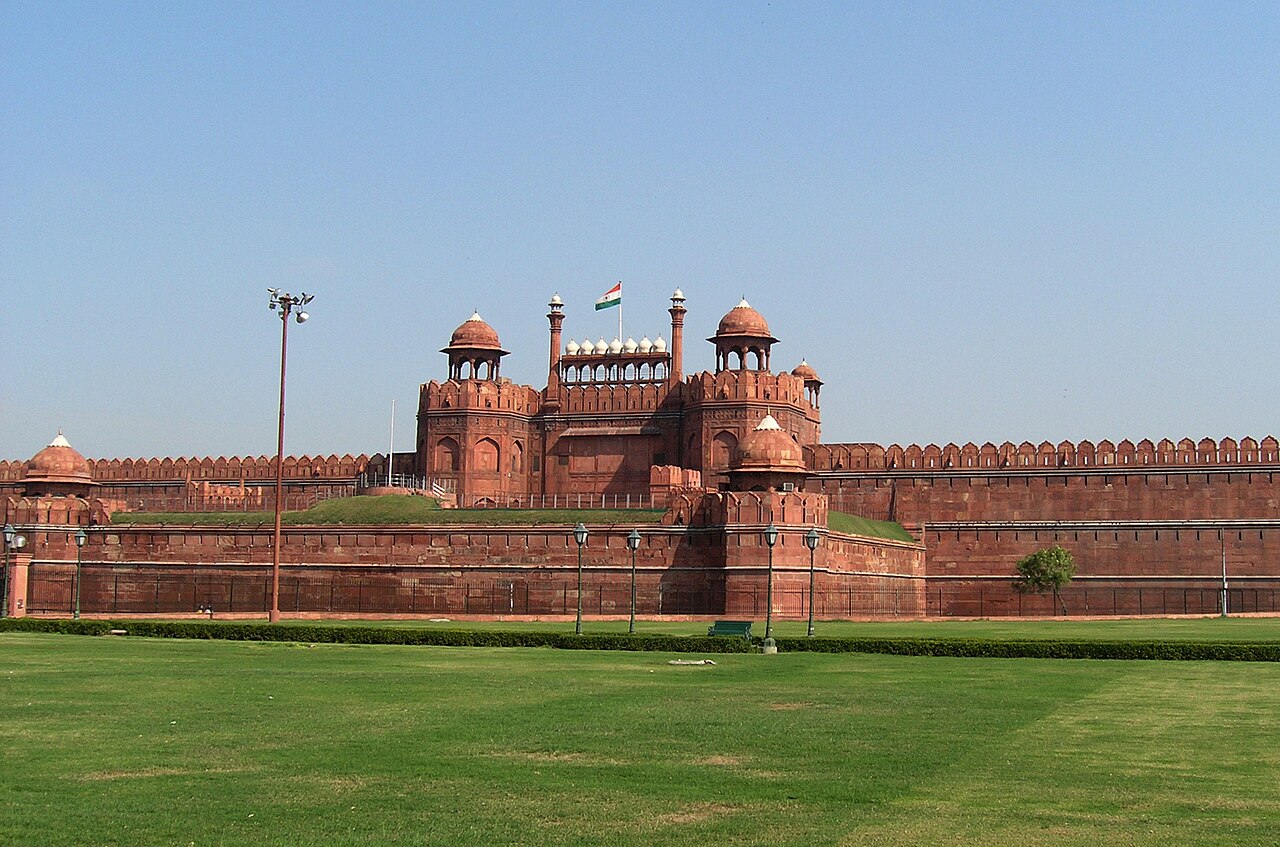 Artifact
Primary source
Red Fort
Ustad Ahmad Lahori · 1638-1648
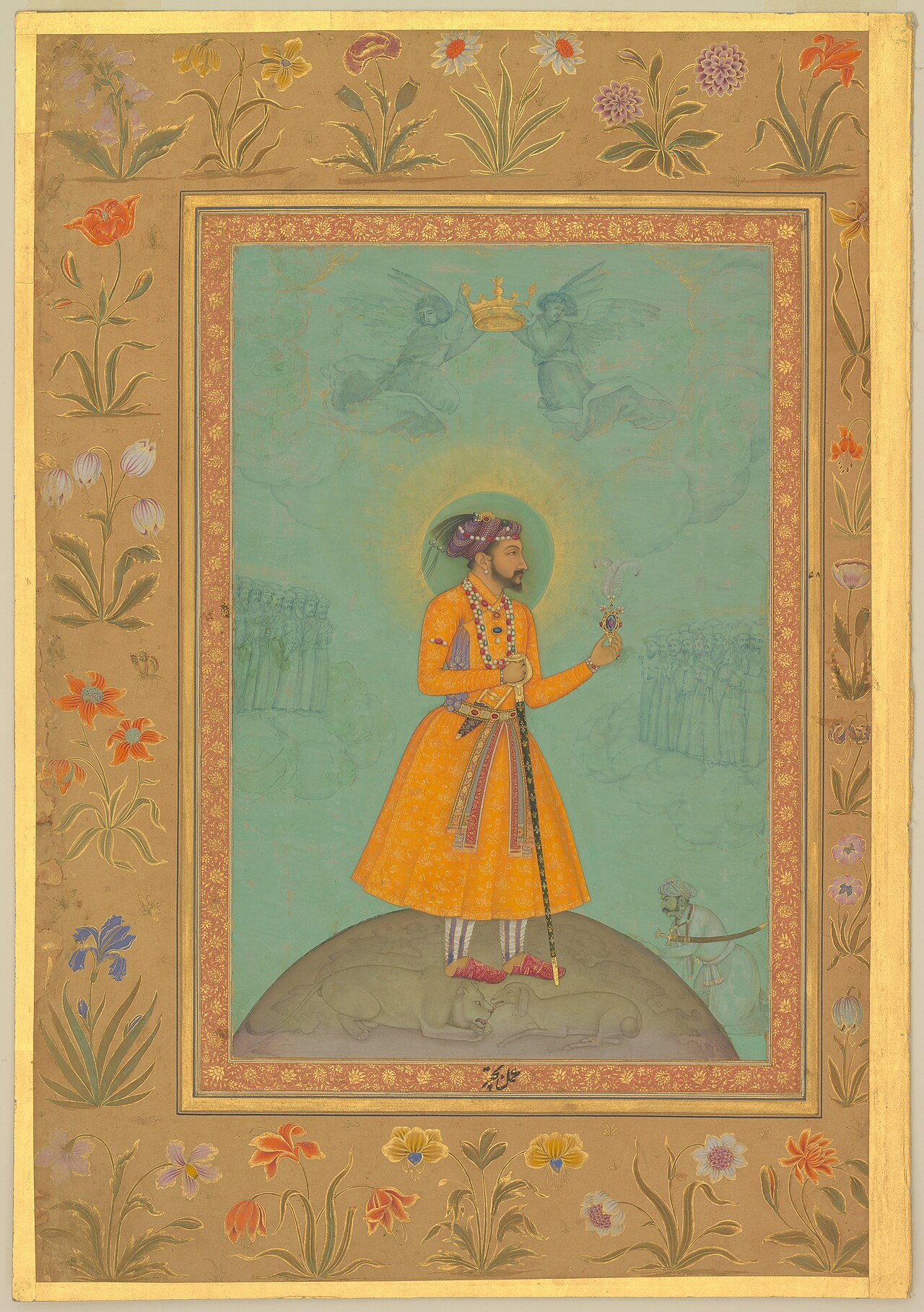 Painting
Primary source
Mughal Emperor Shah Jahan standing on a globe
Bichitr · c. 1630
Free account
Read every Shah Jahan source
Sign up free →
Ready when you are
Start chatting with Shah Jahan now.
20 messages free · No credit card · Available in 50+ languages.