


Secondary sourceArtifactDecember 1526 (built); drawing 1789
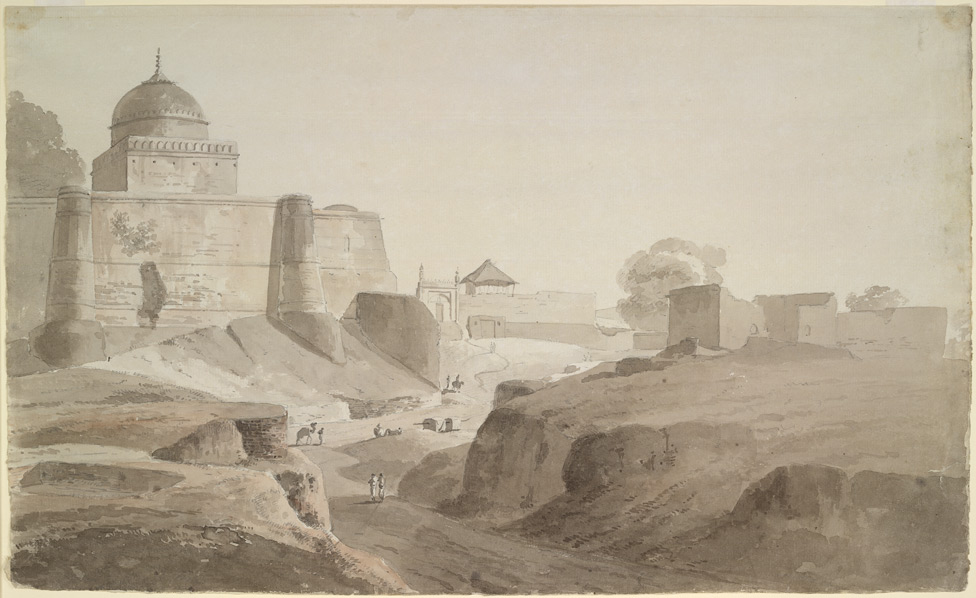
Shahi Jama Masjid, Sambhal
December 1526 (built); drawing 1789
The oldest surviving Mughal-era mosque in South Asia, built in 1526 on the orders of Babur in the town of Sambhal.
This mosque's inscription credits its construction to Babur's orders, early evidence of his building activity in conquered India.
About this source
What it is
The Shahi Jama Masjid is a Friday mosque in Sambhal, Uttar Pradesh, India. An inscription on its mihrab states it was built on the orders of Babur by his general Mir Hindu Beg, completed by December 1526. It is a protected monument today.
Why it matters
Finished only months after Babur's victory at the Battle of Panipat, it is the oldest surviving Mughal-era mosque in South Asia, showing how quickly the new Mughal rulers began building in their conquered territory. Some scholars, however, doubt Babur was personally involved and think the inscription may only mean he gave permission for local governors to build. There are also long-standing claims, recorded by later writers, that the mosque was built over an earlier Hindu temple.
Why it matters
Look closer
- Why might rulers build new mosques quickly after a military victory?
- What does the disagreement among historians tell you about how reliable inscriptions can be?
- Why might later writers' claims about the site's earlier history be disputed or debated?
This artifact is part of the curated material that grounds the AI version of Babur on Humy.ai — when students ask about related events, the AI can quote it and cite it.
More Babur sources
Browse all 95 →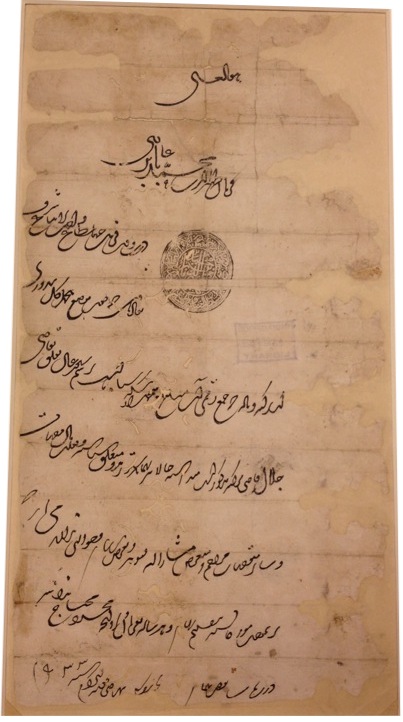 Document
Primary source
Mughal Land Grant of August 1527
Mughal emperor Babur's administration · August 1527
 Artifact
Primary source
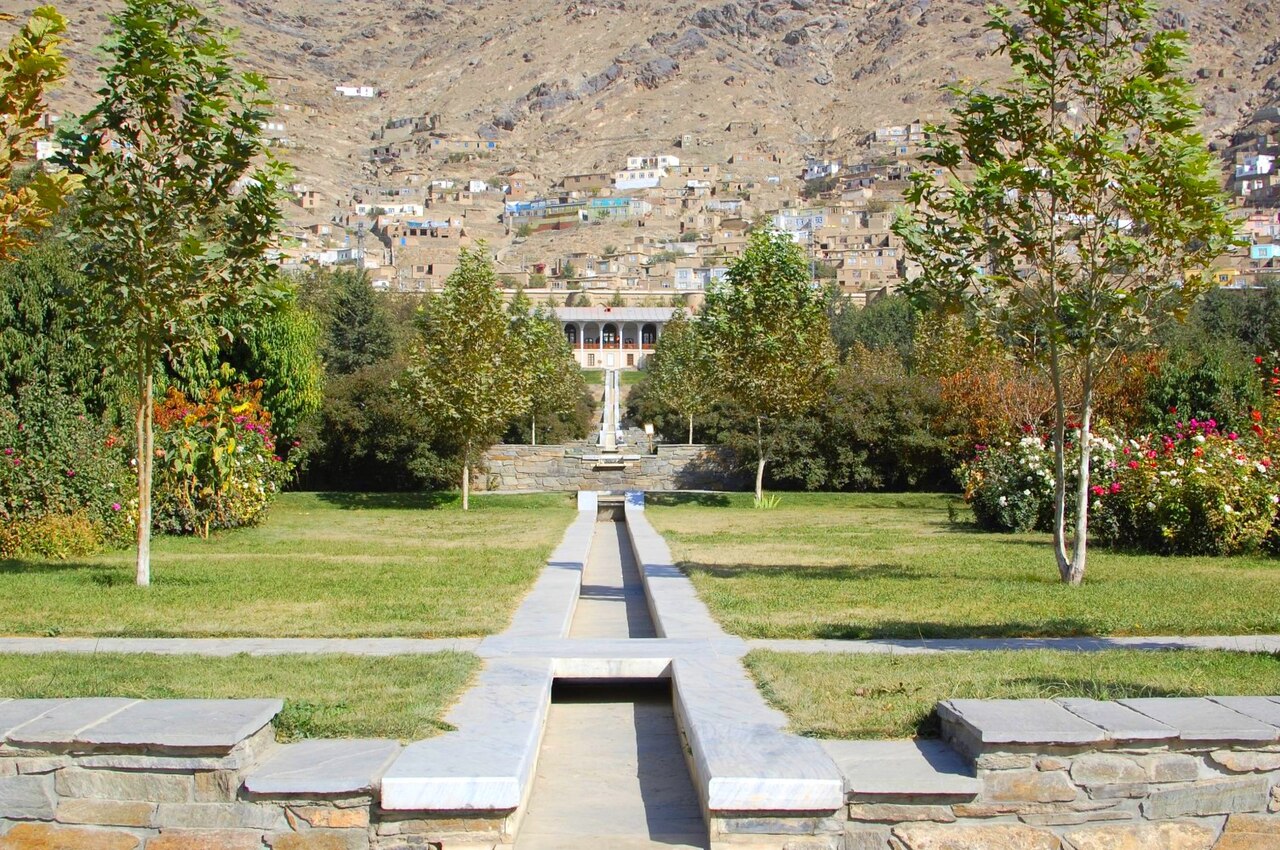
Gardens of Babur
Babur · c. 1504
 Artifact
Secondary source
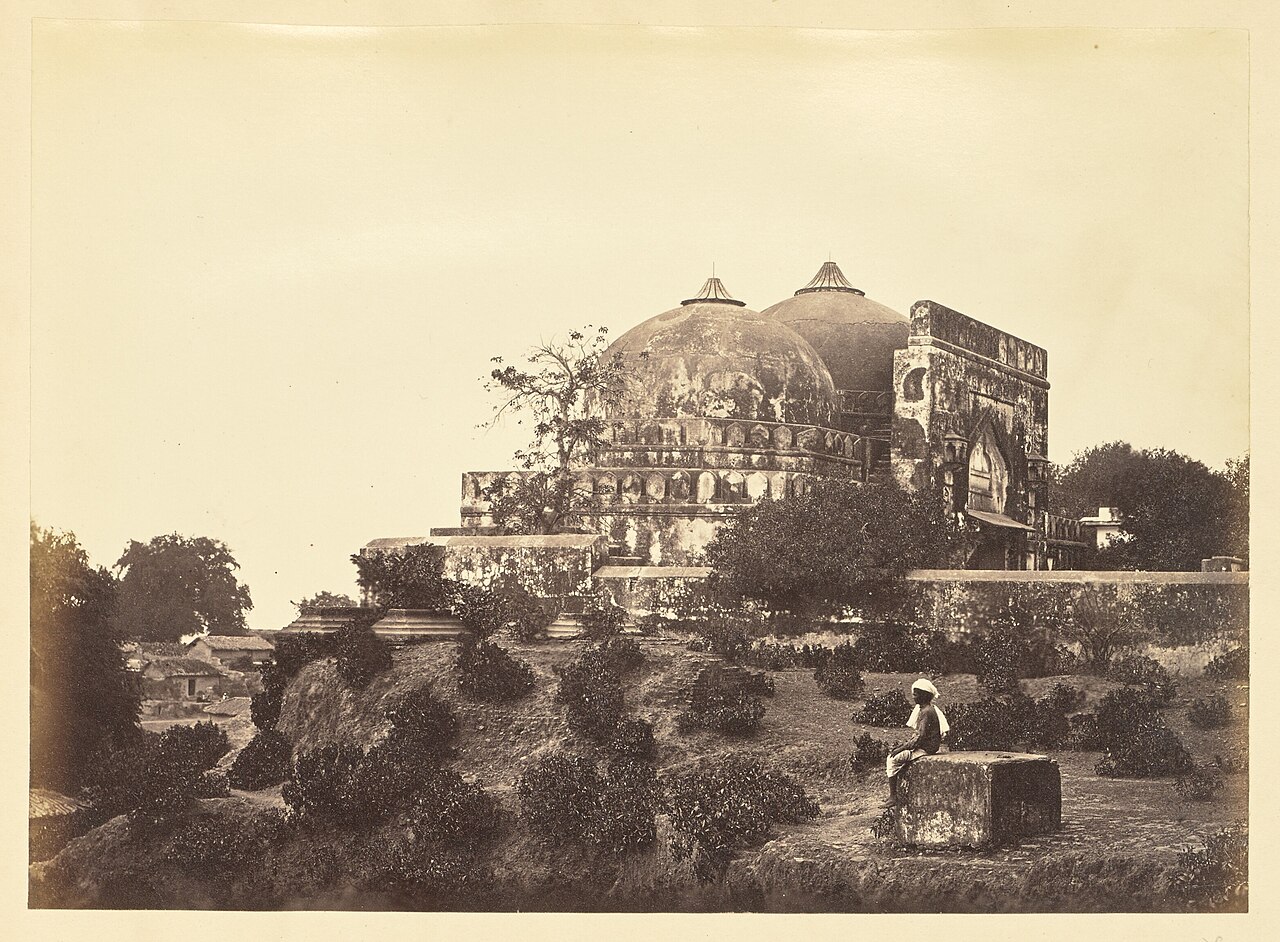
Babri Masjid
Mir Baqi · 1528/1529
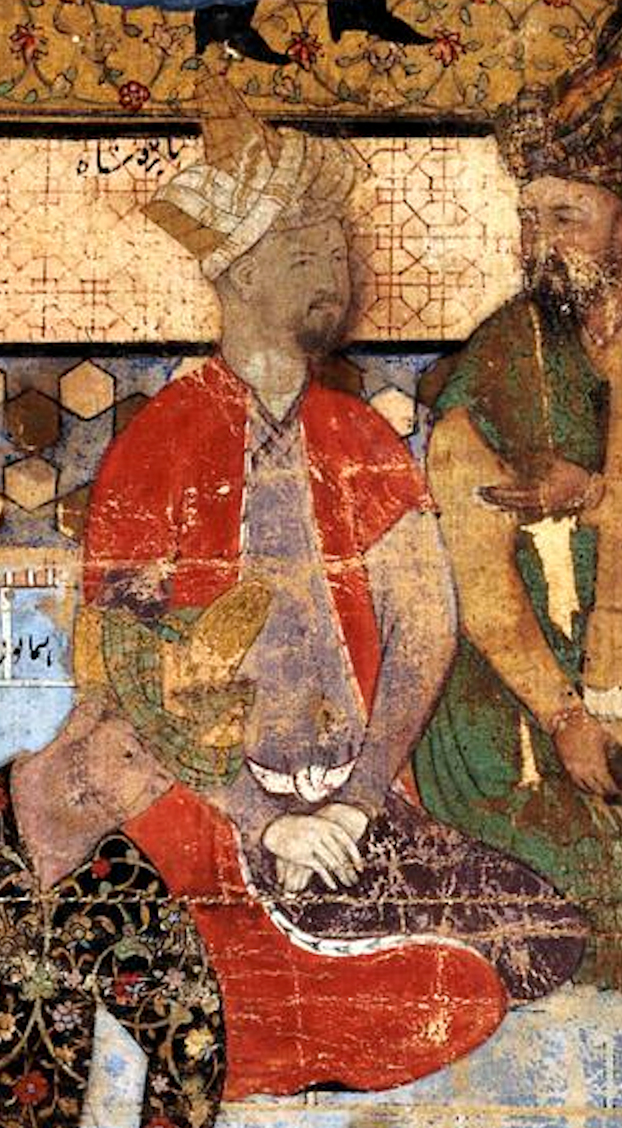 Painting
Primary source
Princes of the House of Timur
mid-16th century, later altered
Free account
Read every Babur source
Sign up free →
Ready when you are
Start chatting with Babur now.
20 messages free · No credit card · Available in 50+ languages.