


Primary sourceArtifact52 BC
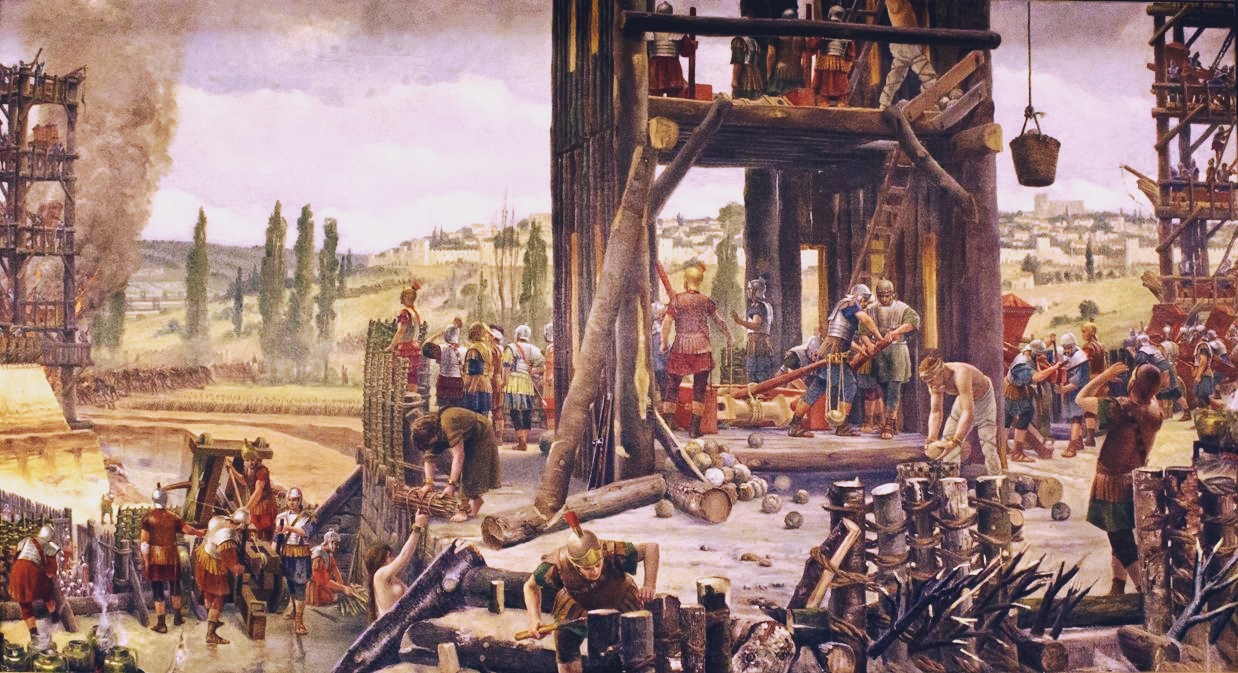
Siege works of Alesia
Caesar's legions · 52 BC
The earthwork fortifications Caesar's legions built to besiege the Gallic stronghold of Alesia in 52 BC, a decisive moment in the Gallic Wars.
Caesar commissioned these fortifications to besiege Vercingetorix, securing his greatest victory in the Gallic Wars.
About this source
What it is
These are the excavated remains of double lines of ditches and ramparts at Alise-Sainte-Reine, built by the Roman army under Julius Caesar in 52 BC. An inner wall kept the besieged Gauls inside, while an outer wall kept out a Gallic relief force. The site is preserved and studied at the MuséoParc Alésia.
Why it matters
The siege of Alesia was the climactic battle of the Gallic Wars, pitting Caesar's army against a confederation of Gallic tribes led by Vercingetorix. It is considered one of Caesar's greatest military achievements and a textbook example of siege warfare. The surviving earthworks give physical proof for Caesar's own written account of the campaign.
Look closer
- What does building two complete lines of fortifications at once tell you about Roman military planning?
- Why might archaeological evidence matter even when we already have Caesar's written account?
- What questions can't the earthworks answer about the battle?
This artifact is part of the curated material that grounds the AI version of Julius Caesar on Humy.ai — when students ask about related events, the AI can quote it and cite it.
More Julius Caesar sources
Meet the AI Julius Caesar →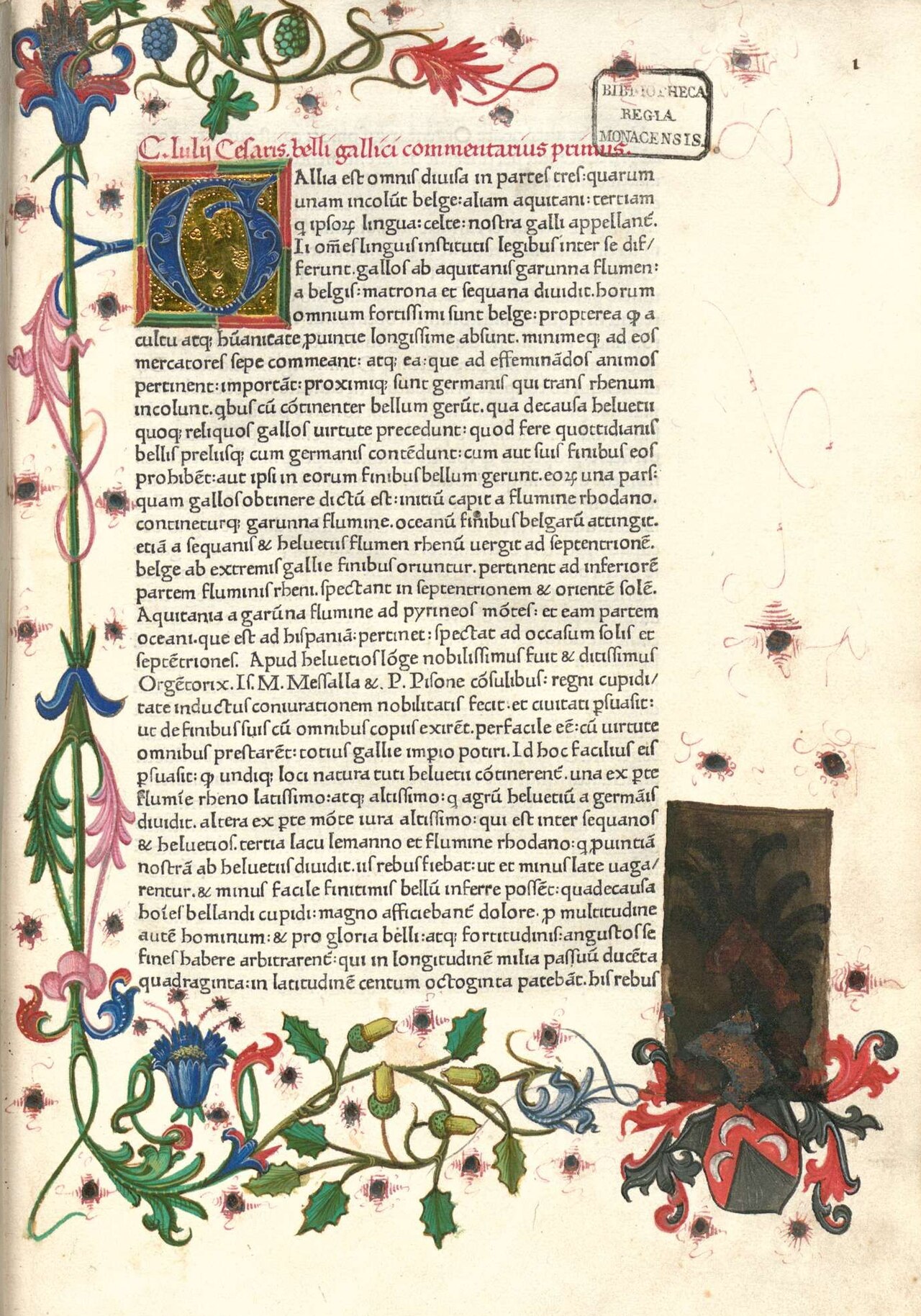 Book
Primary source
Commentarii de Bello Gallico
Julius Caesar · c. 58-50 BCE (this copy 1469)
 Painting
Secondary source
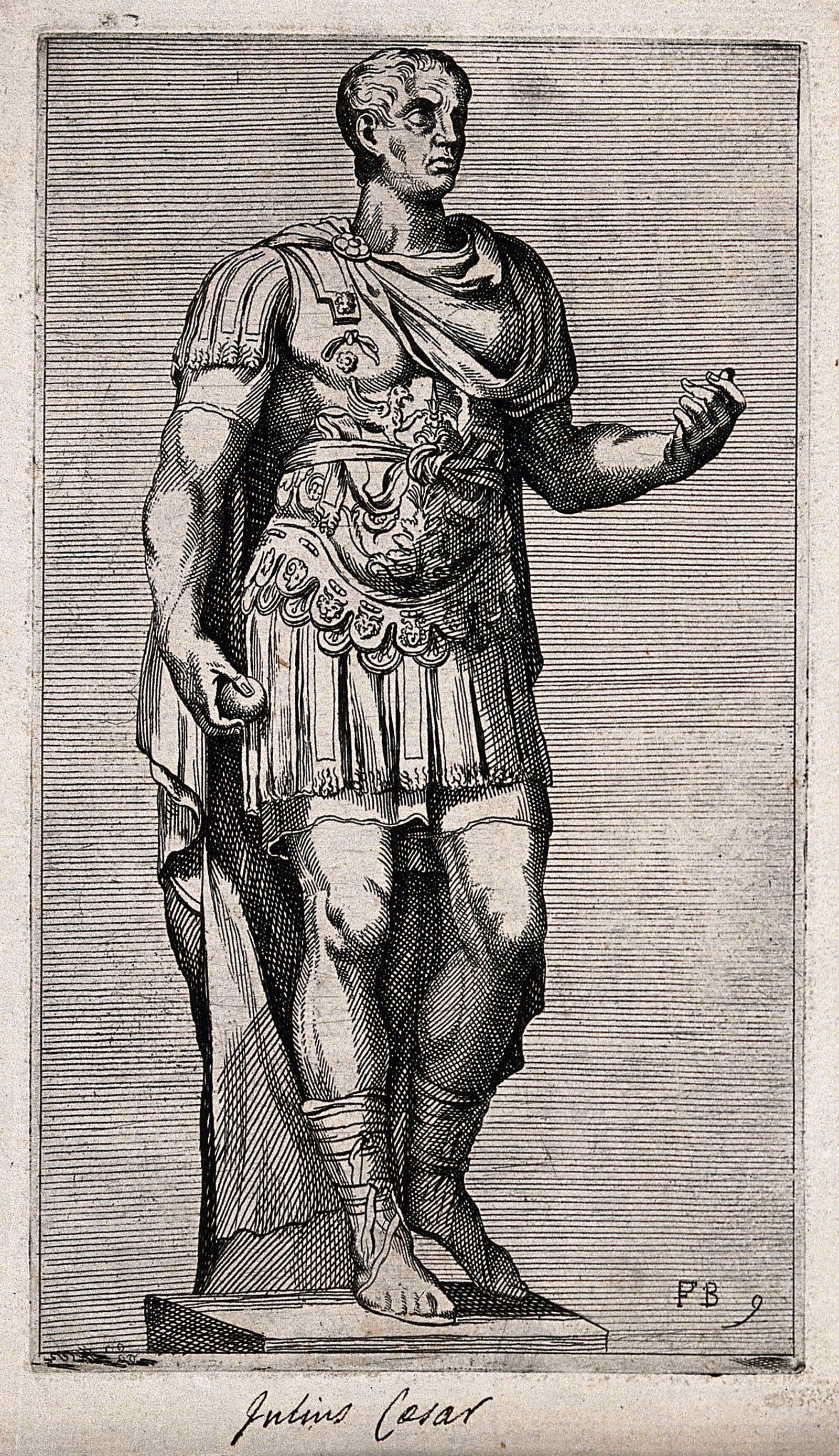
Etched Portrait of Julius Caesar
F. Perrier
 Painting
Secondary source
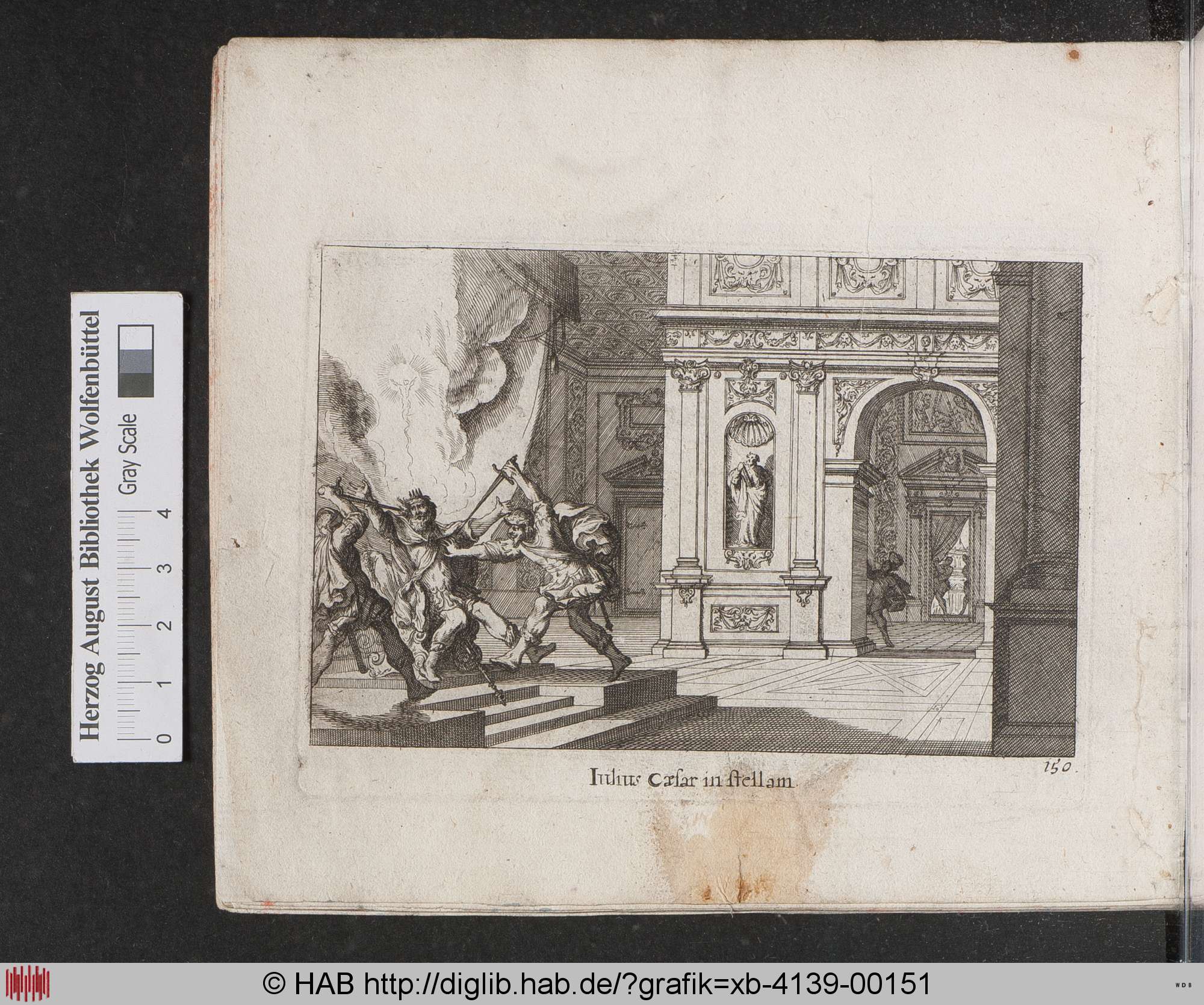
Murder of Julius Caesar in the Senate
 Book
Primary source
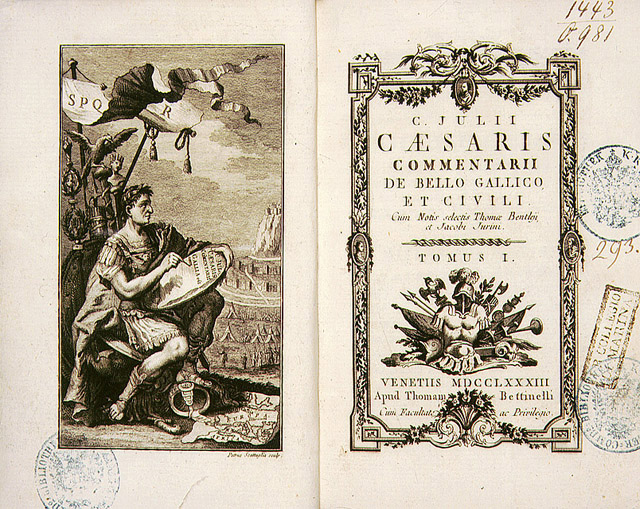
Commentarii de Bello Civili
Julius Caesar · 49-48 BCE
 Painting
Secondary source
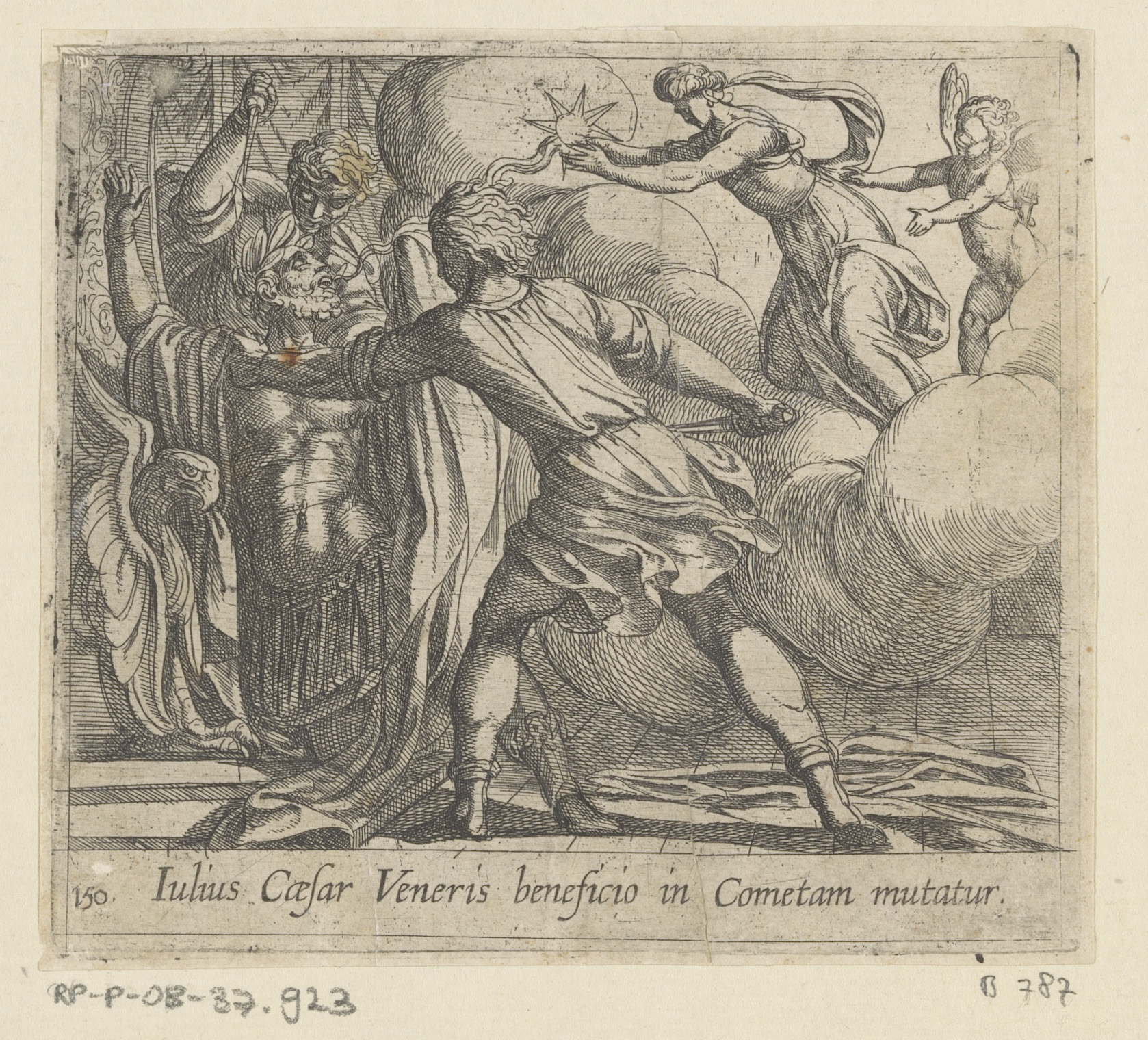
The Murder of Julius Caesar
1606
Ready when you are
Start chatting with Julius Caesar now.
20 messages free · No credit card · Available in 50+ languages.