


Primary sourceDocument
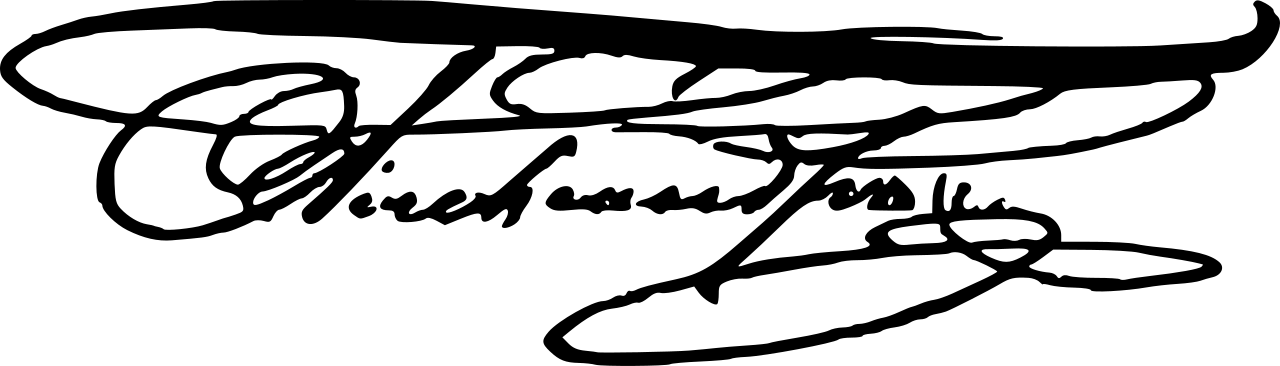
Signature of Alexander II of Russia
Alexander II of Russia
The handwritten signature of Alexander II, drawn in flowing black ink. It is the mark he placed on the acts of his reign.
This is the autograph mark Alexander II used to sign the acts of his reign, shown here as his own signature.
About this source
What it is
This is an image of the autograph signature of Alexander II of Russia (1818-1881). It is a handwritten name in black ink, in cursive script with large looping flourishes above and below the letters and a long underline swoop to the right. The image is a Wikimedia Commons file, and the figure's Wikidata entry links to it as his signature. The record does not say which document it comes from.
Why it matters
Signatures were how rulers authorised laws, decrees and manifestos. Alexander II's name appears on acts of his reign, including the Emancipation Manifesto of 1861, which ended serfdom in Russia. A signature is a small trace, but it shows that a single person's authority stood behind each official act.
Look closer
- What do the large flourishes suggest about how the signer wanted to be seen?
- Without the document around it, what can this signature tell us, and what can it not tell us?
- Why might a ruler sign many documents in the same style?
This document is part of the curated material that grounds the AI version of Alexander II of Russia on Humy.ai — when students ask about related events, the AI can quote it and cite it.
More Alexander II of Russia sources
Meet the AI Alexander II of Russia → Document
Primary source
Emancipation Reform of 1861
Alexander II of Russia · 1861
 Document
Primary source
Alaska Purchase Treaty
30 March 1867
 Document
Primary source
Treaty of Paris (1856)
30 March 1856
 Document
Secondary source
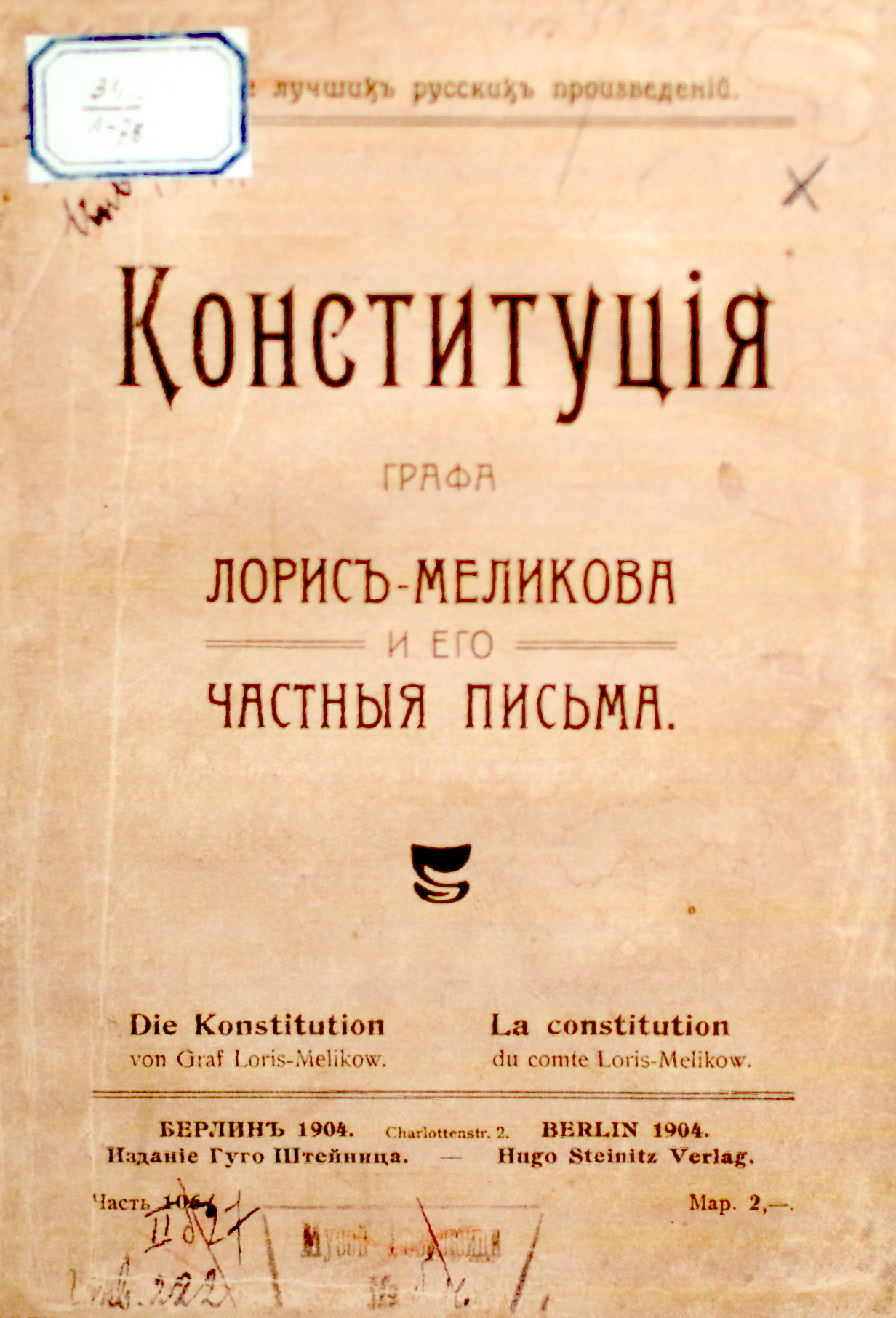
Loris-Melikov Constitution
Mikhail Loris-Melikov · 13 March 1881
 Photograph
Primary source
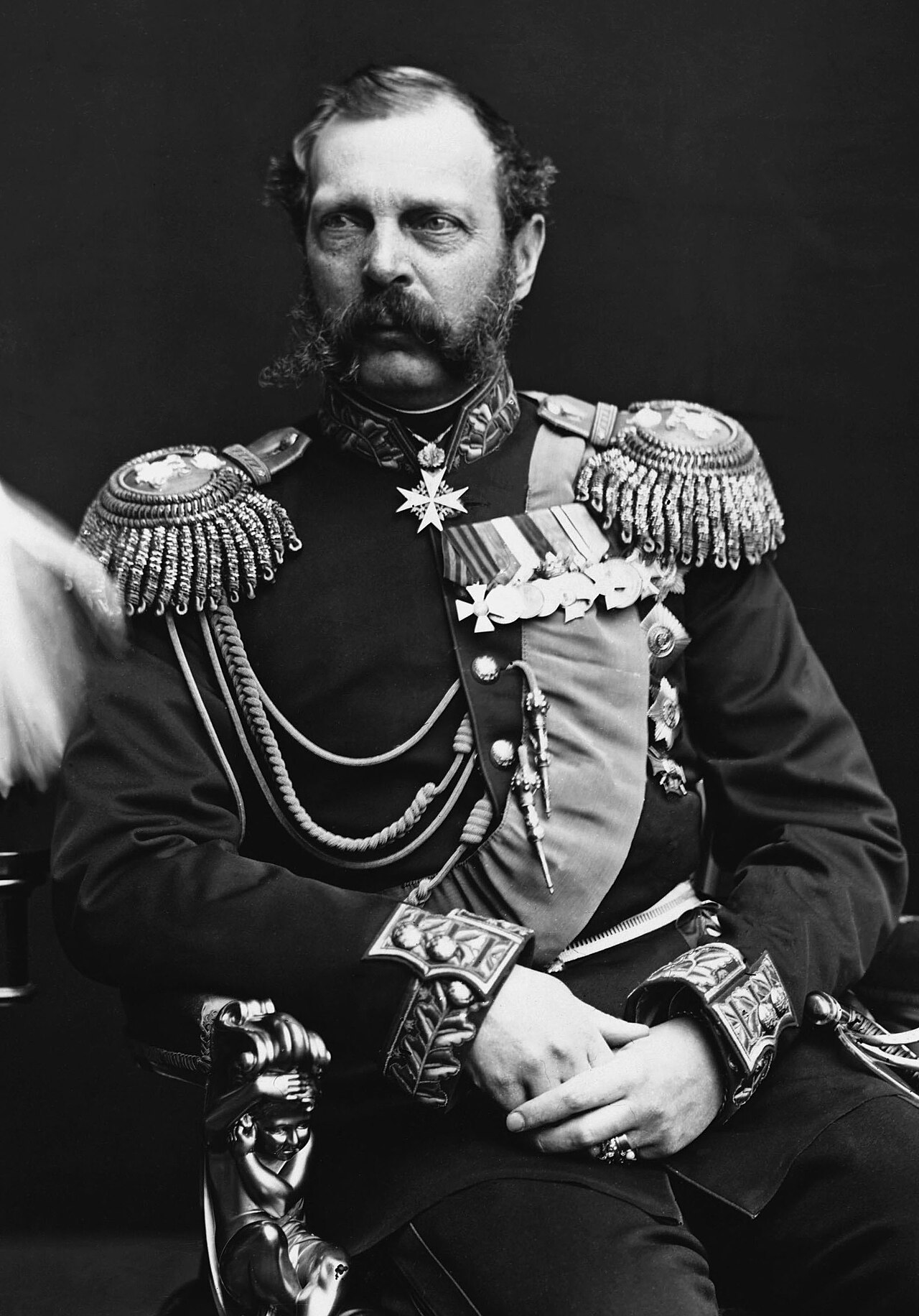
Portrait of Alexander II of Russia
Ready when you are
Start chatting with Alexander II of Russia now.
20 messages free · No credit card · Available in 50+ languages.