


Primary sourceDocument
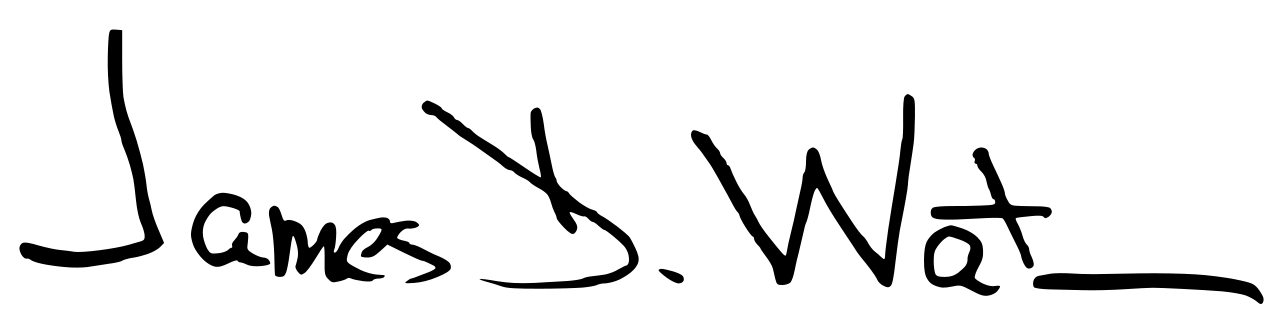
Signature of James Watson
James D. Watson
The autograph signature of molecular biologist James D. Watson, used to authenticate documents bearing his name.
This is Watson's own handwritten signature, a direct personal trace of the scientist.
About this source
What it is
This is a digital image of James D. Watson's handwritten signature, a cursive autograph used by him to sign documents and letters.
Why it matters
A signature is a simple but personal trace of a historical figure. It shows how Watson, one of the scientists credited with discovering the structure of DNA, physically marked his own name on paper during his lifetime.
Look closer
- What does the style of handwriting suggest about the person who wrote it?
- Why might archives and museums collect signatures as historical evidence?
- What can a signature tell us, and what can it not tell us, about a person?
This document is part of the curated material that grounds the AI version of James Watson on Humy.ai — when students ask about related events, the AI can quote it and cite it.
More James Watson sources
Meet the AI James Watson →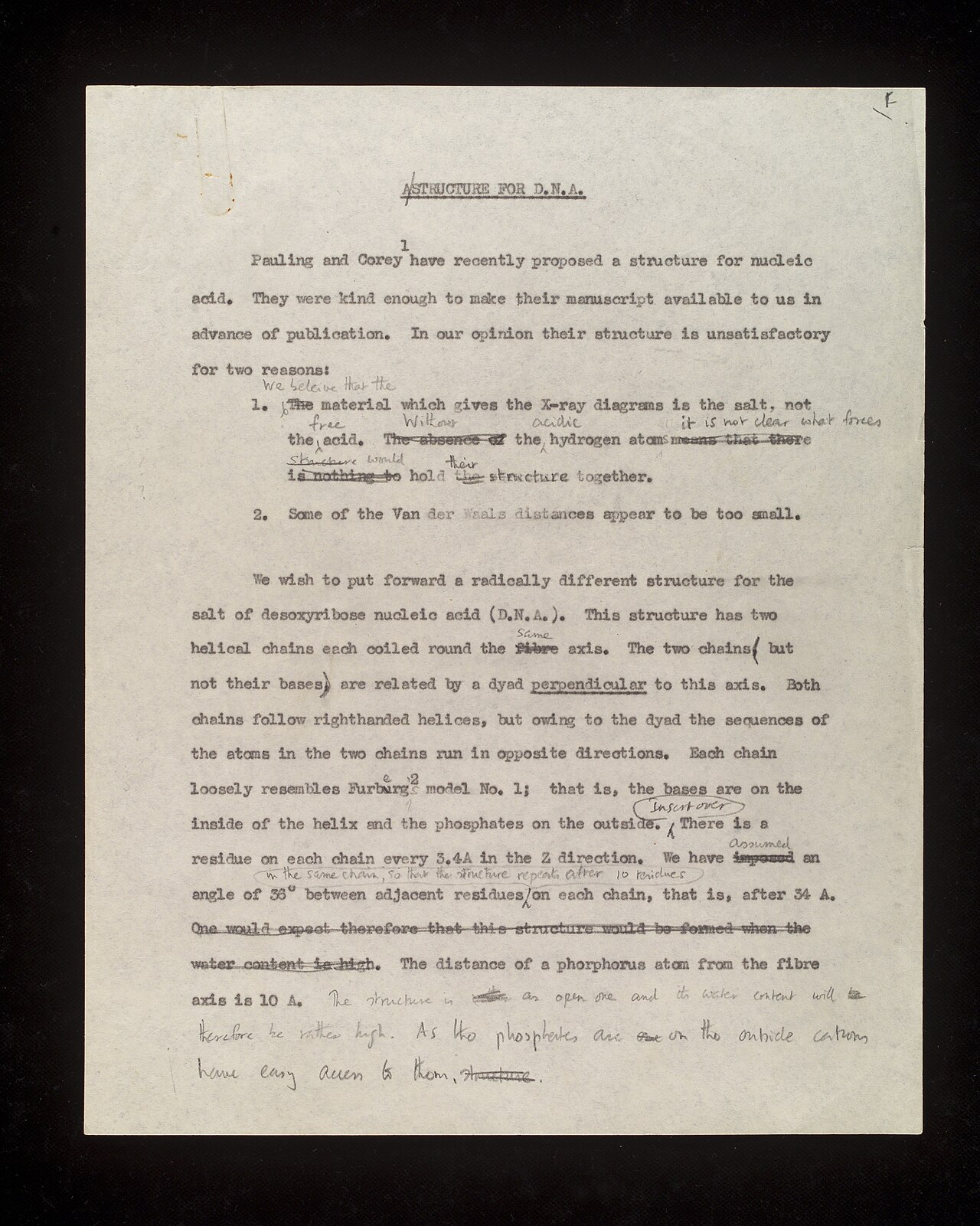 Document
Primary source
A Structure for Deoxyribonucleic Acid
James D. Watson and Francis Crick · 25 April 1953
 Photograph
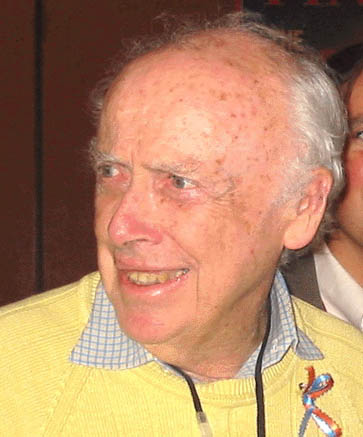
Primary source
James Watson
Steve Jurvetson · 2003
 Document
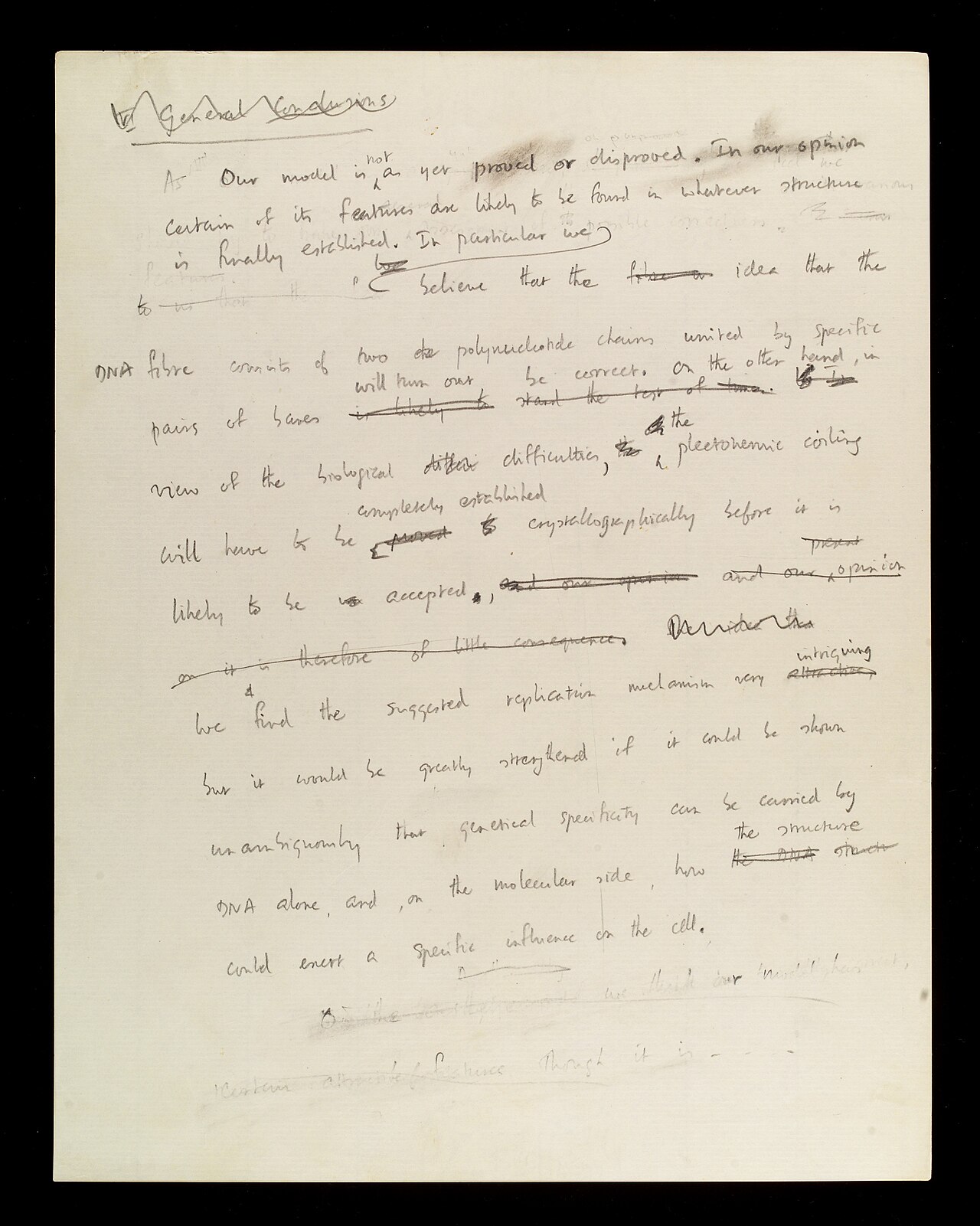
Primary source
Genetical Implications of the Structure of Deoxyribonucleic Acid
James D. Watson and Francis Crick · 30 May 1953
 Photograph
Primary source
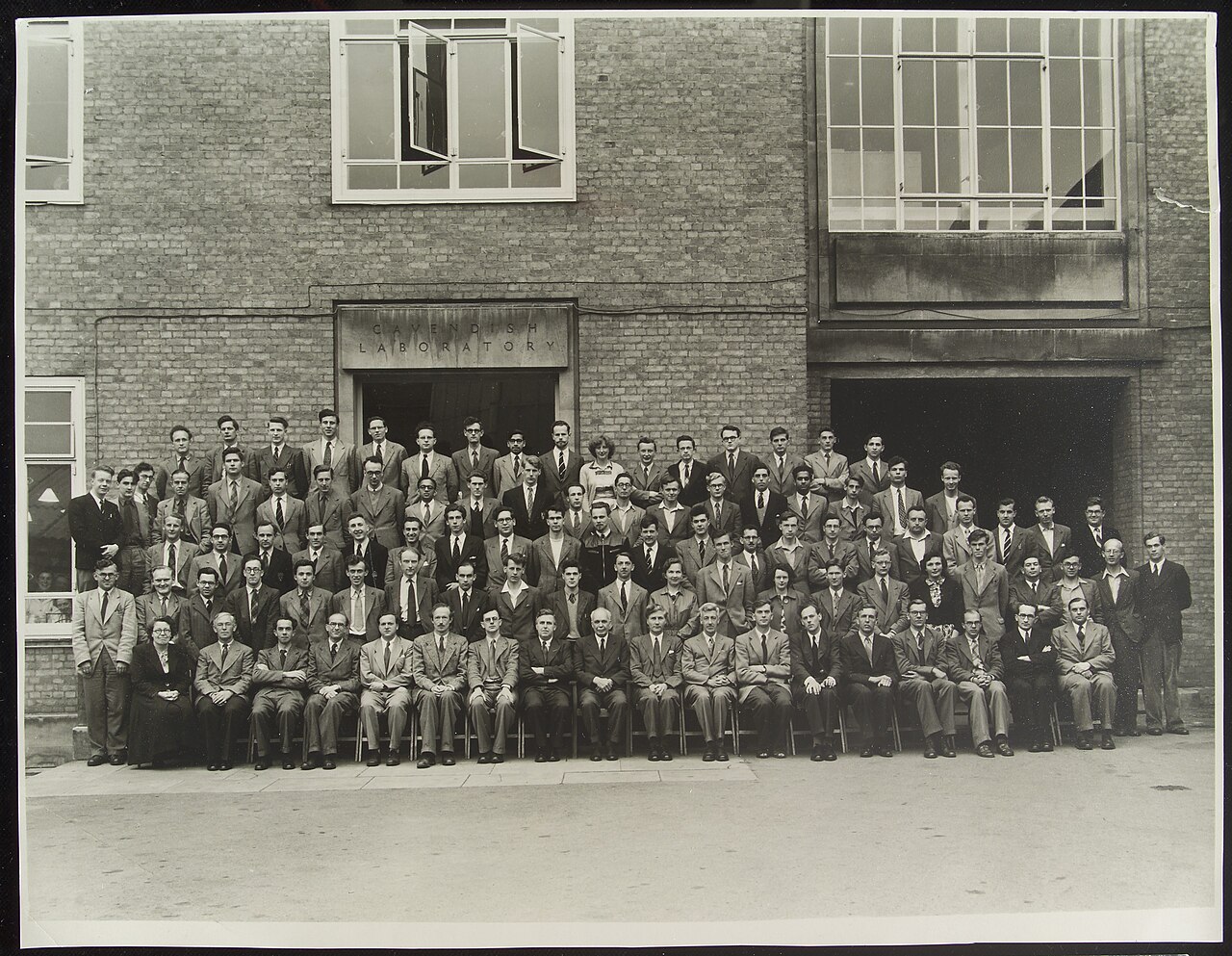
Physics Research Students, Cavendish Laboratory, 1952
June 1952
 Artifact
Primary source
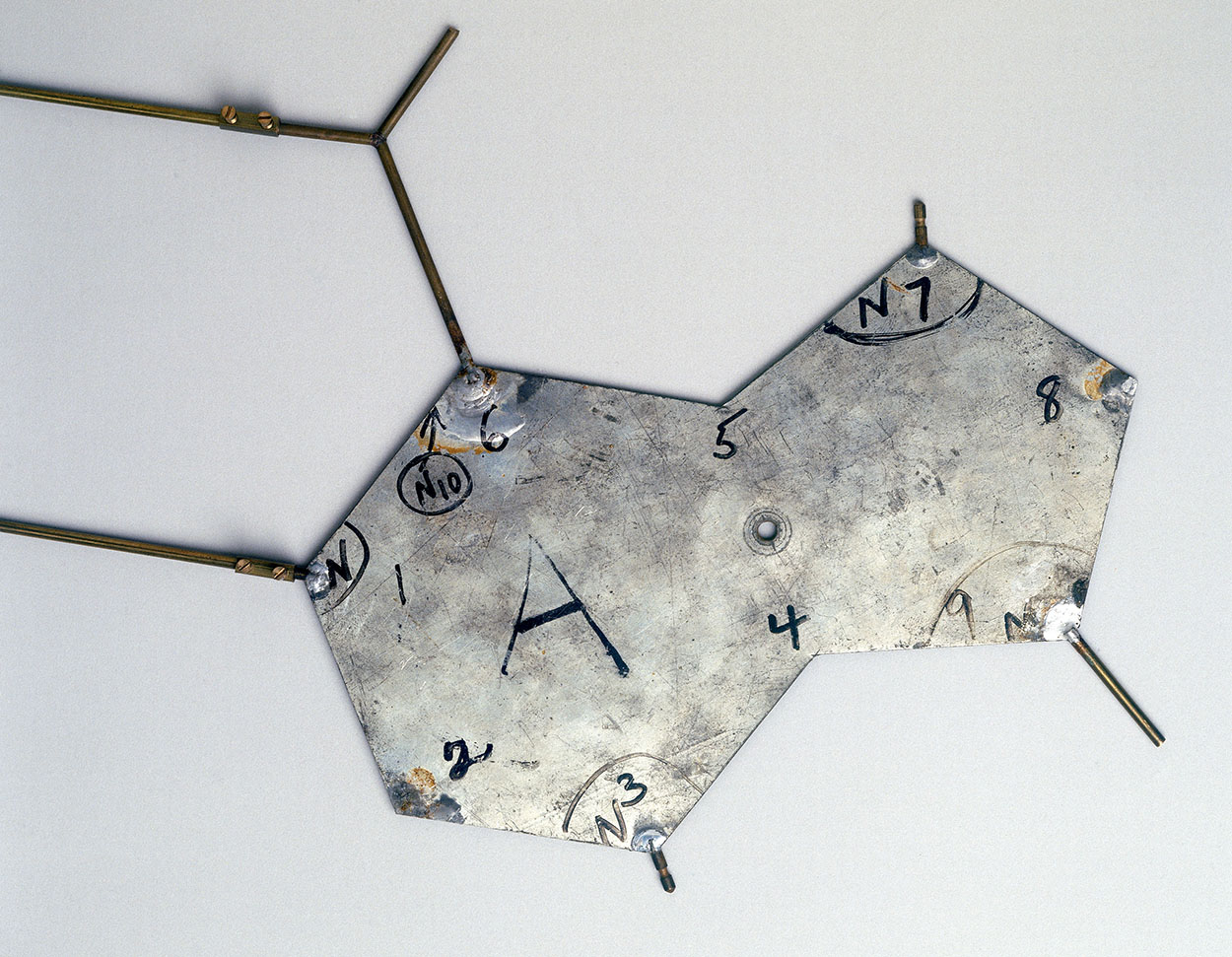
Thymine Template from the DNA Molecular Model
James Watson and Francis Crick · 1953
Ready when you are
Start chatting with James Watson now.
20 messages free · No credit card · Available in 50+ languages.