


Primary sourceDocument
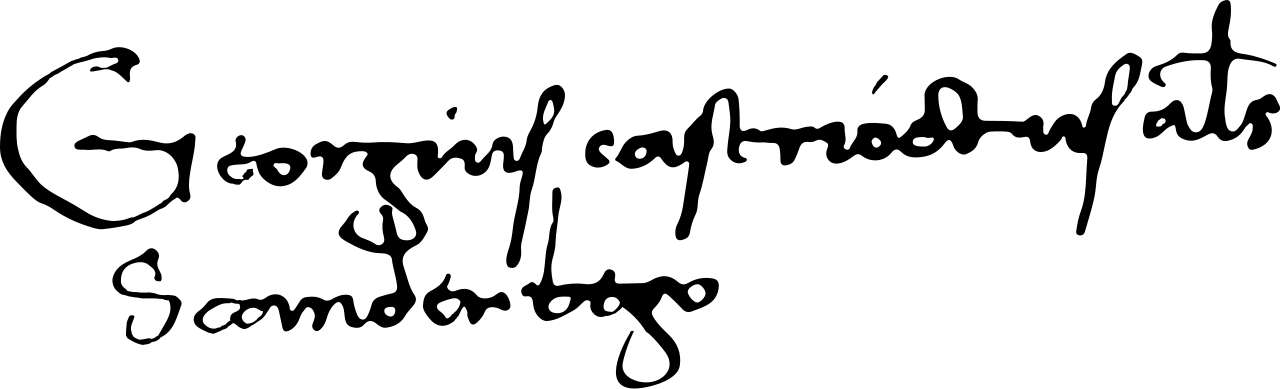
Signature of Skanderbeg
Skanderbeg
Skanderbeg's Latin signature, 'Georgius Castriotus', used by historians to identify his authentic autograph on letters.
This is Skanderbeg's own signature, used to authenticate his surviving correspondence with Italian rulers.
About this source
What it is
This image shows a handwritten signature in cursive script reading 'Georgius Castriotus Scanderbeg', found in a letter addressed to the Duke of Milan, Francesco I Sforza. About a dozen authentic letters bearing signatures attributed to Skanderbeg survive, stored in the Vatican Archives.
Why it matters
A signature is direct physical evidence connecting a document to the person who wrote or approved it. Skanderbeg used the Latin form of his name, Georgius Castriotus, in his correspondence with Italian rulers like Francesco I Sforza, showing his diplomatic ties to Western Europe during his struggle against Ottoman power.
Look closer
- Why might Skanderbeg have used a Latin version of his name when writing to an Italian duke?
- What does the existence of only about a dozen authentic signed letters tell you about the survival of historical records?
- How do historians decide whether a signature is genuine?
This document is part of the curated material that grounds the AI version of Skanderbeg on Humy.ai — when students ask about related events, the AI can quote it and cite it.
More Skanderbeg sources
Browse all 89 →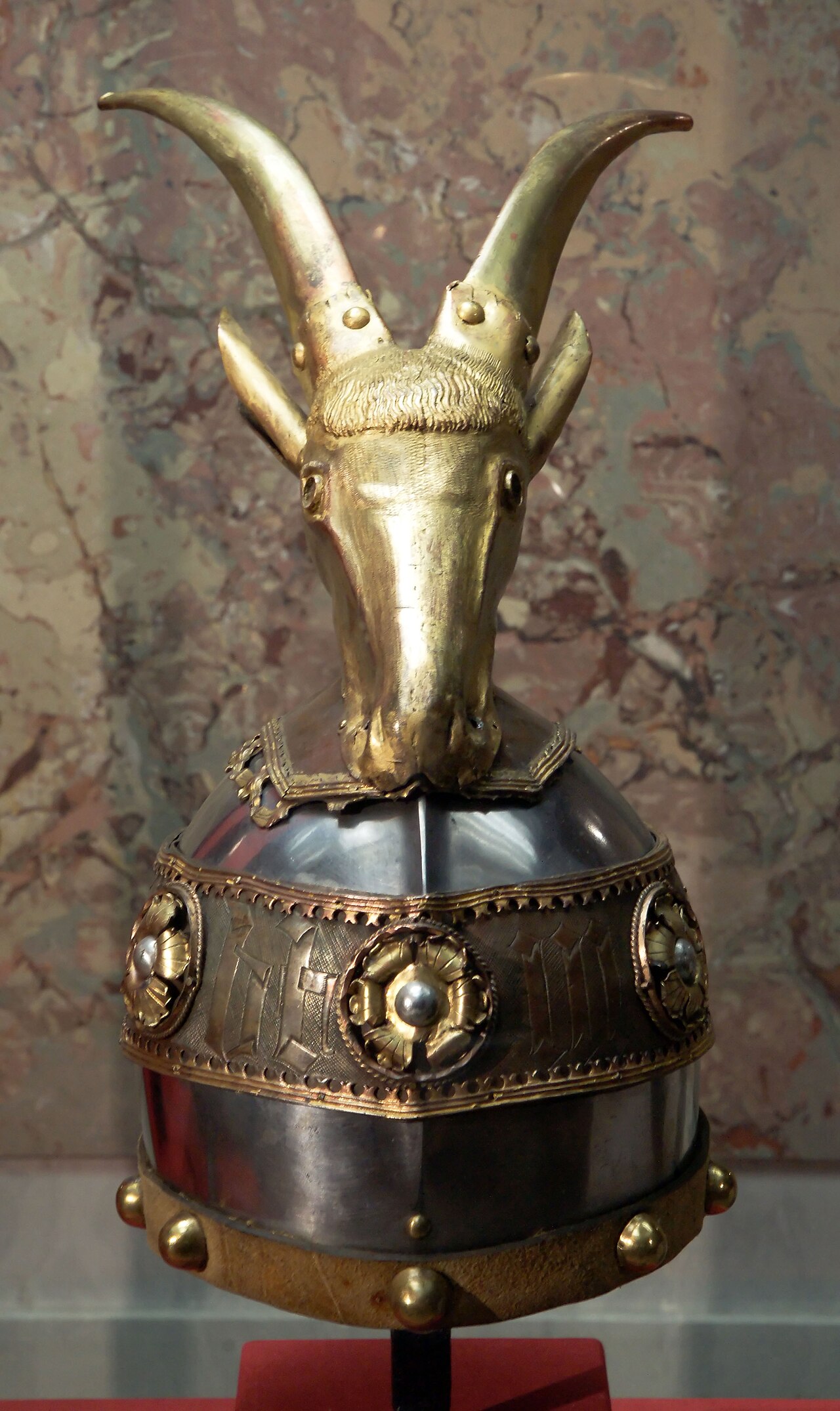 Artifact
Primary source
Helmet of Skanderbeg
c. 1460
 Document
Primary source
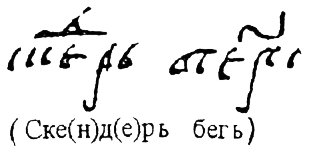
Signature of Skanderbeg
Skanderbeg · 15th century
 Artifact
Primary source
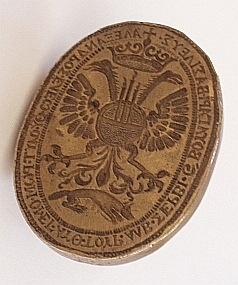
Seal of Skanderbeg
15th century
 Artifact
Primary source
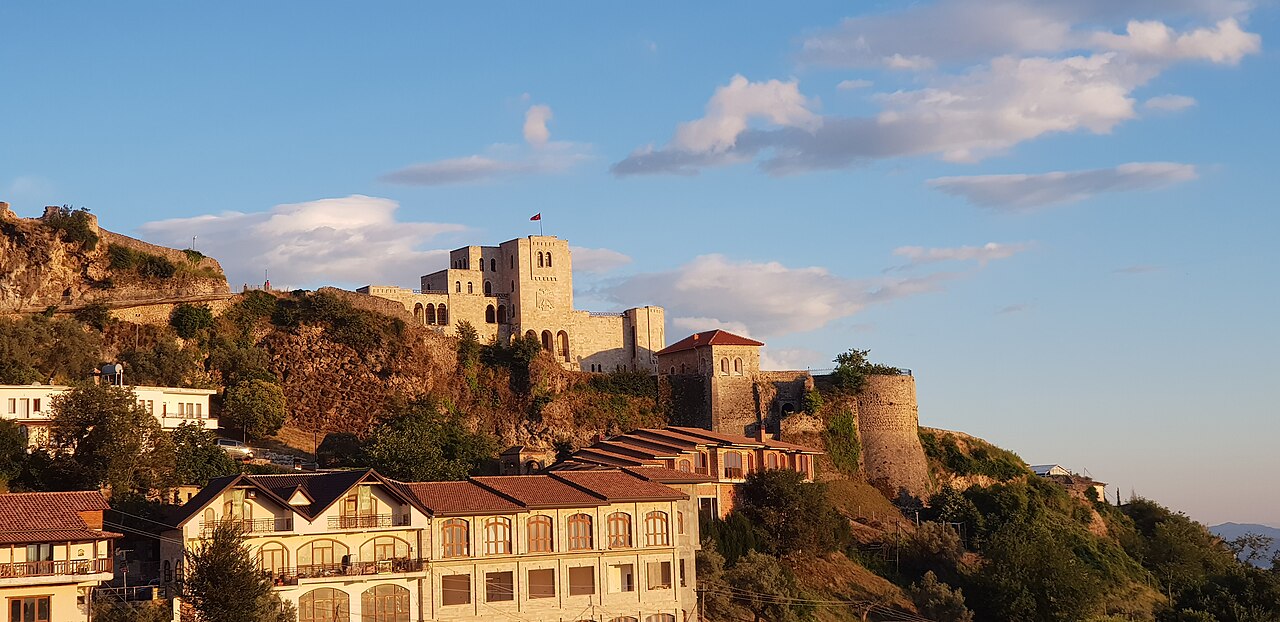
Krujë Castle
rebuilt and defended 1443–1468

Free account
Read every Skanderbeg source
Sign up free →
Ready when you are
Start chatting with Skanderbeg now.
20 messages free · No credit card · Available in 50+ languages.