


Primary sourceArtifactbetween 1182 and 1185
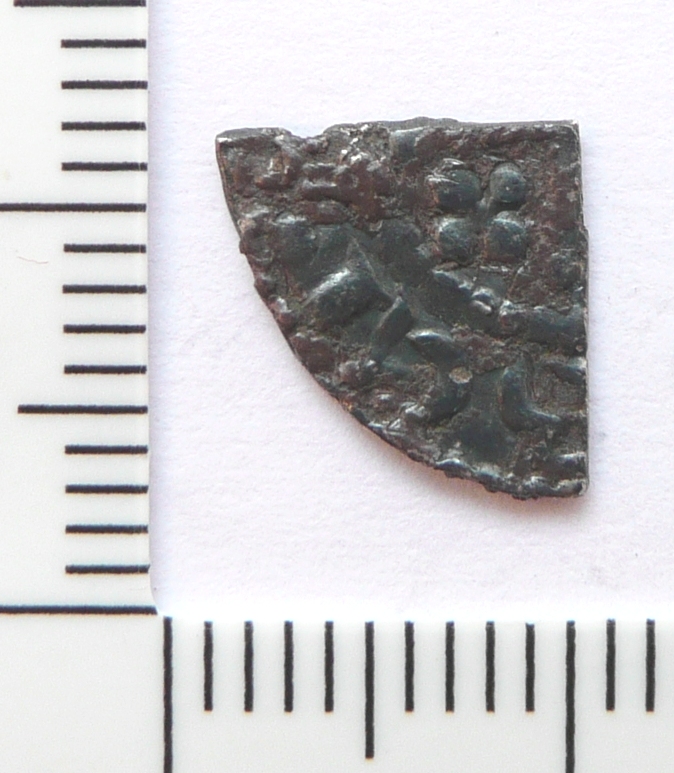
Silver cut farthing of Henry II, class 1b
between 1182 and 1185
A small silver cut farthing, a quarter-segment of a coin, from the reign of Henry II, dated to about 1182 to 1185.
A royal coin of Henry II's reign, showing the silver currency issued under his authority in the 1180s.
About this source
What it is
This is a silver cut farthing of Henry II, King of England, classed as 1b in the coin catalogue. A farthing was a quarter of a coin, made by cutting a silver piece into segments. The record dates it to between 1182 and 1185. The coin is small, dark and corroded, and has faint incised marks and remnants of a design. The surviving image is a photograph of the coin beside a millimetre scale.
Why it matters
Cutting coins into pieces shows how silver was used as money when smaller units were needed. The coin shows the royal coinage issued in Henry II's name in the 1180s, so it links the king to the everyday exchange that people carried out with his money.
Look closer
- How does the shape of this coin show that it was cut, and why might someone have needed a piece of a coin?
- What can the faint marks tell you that the worn surface hides?
- What does a single coin reveal about the wider economy, and what does it not tell us?
This artifact is part of the curated material that grounds the AI version of Henry II on Humy.ai — when students ask about related events, the AI can quote it and cite it.
More Henry II sources
Browse all 90 →Primary source
Constitutions of Clarendon
Henry II of England · 1164
Primary source
Assize of Clarendon
Henry II of England · 1166
 Document
Primary source
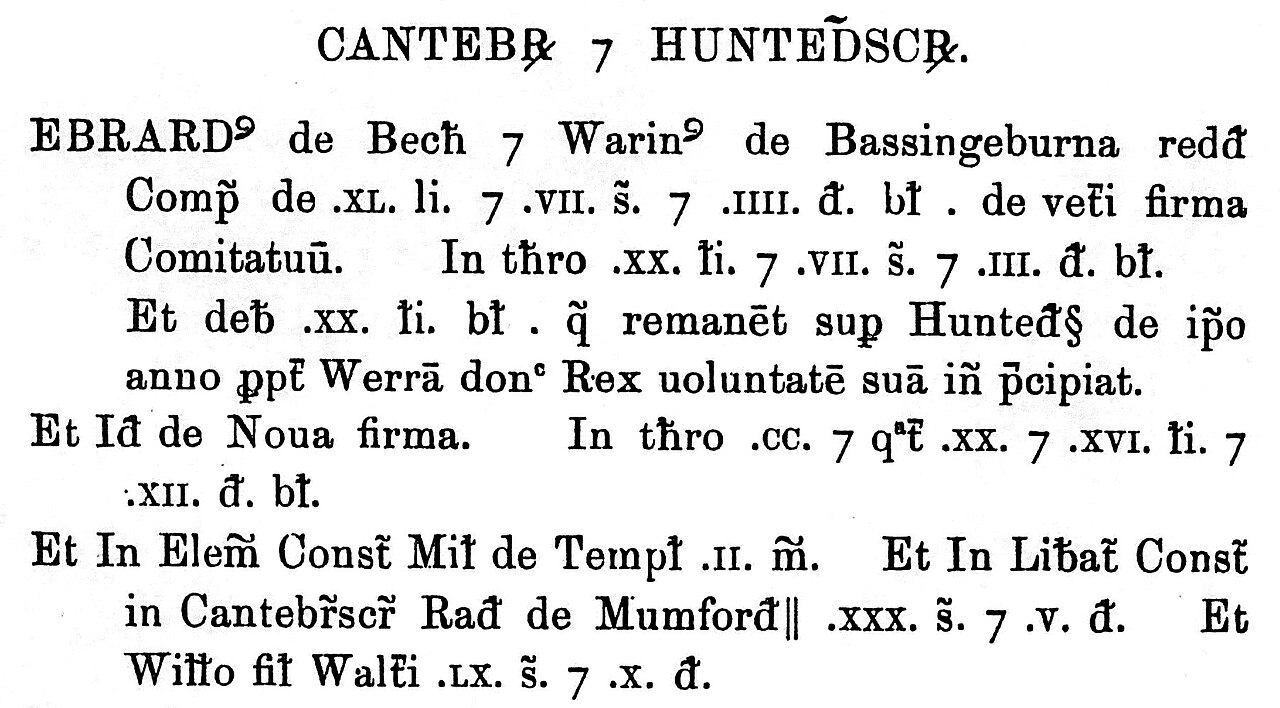
Pipe Roll, 21 Henry II
1174-1175
 Sculpture
Secondary source
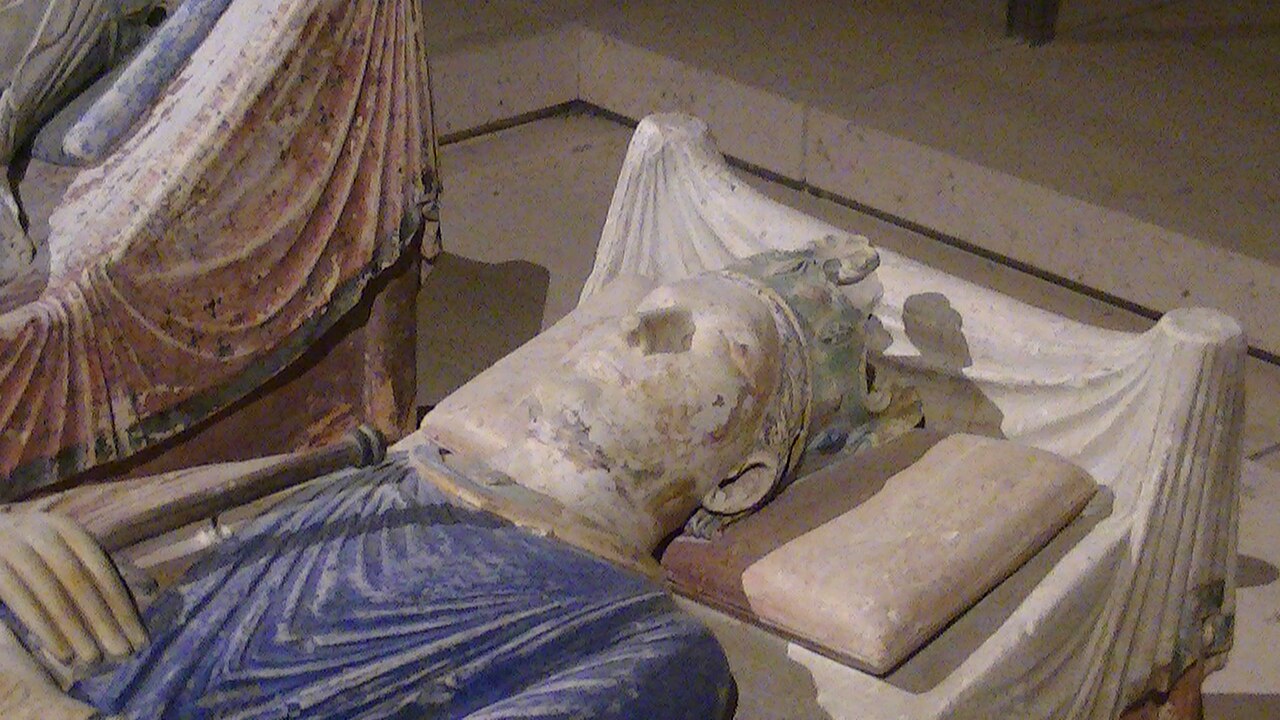
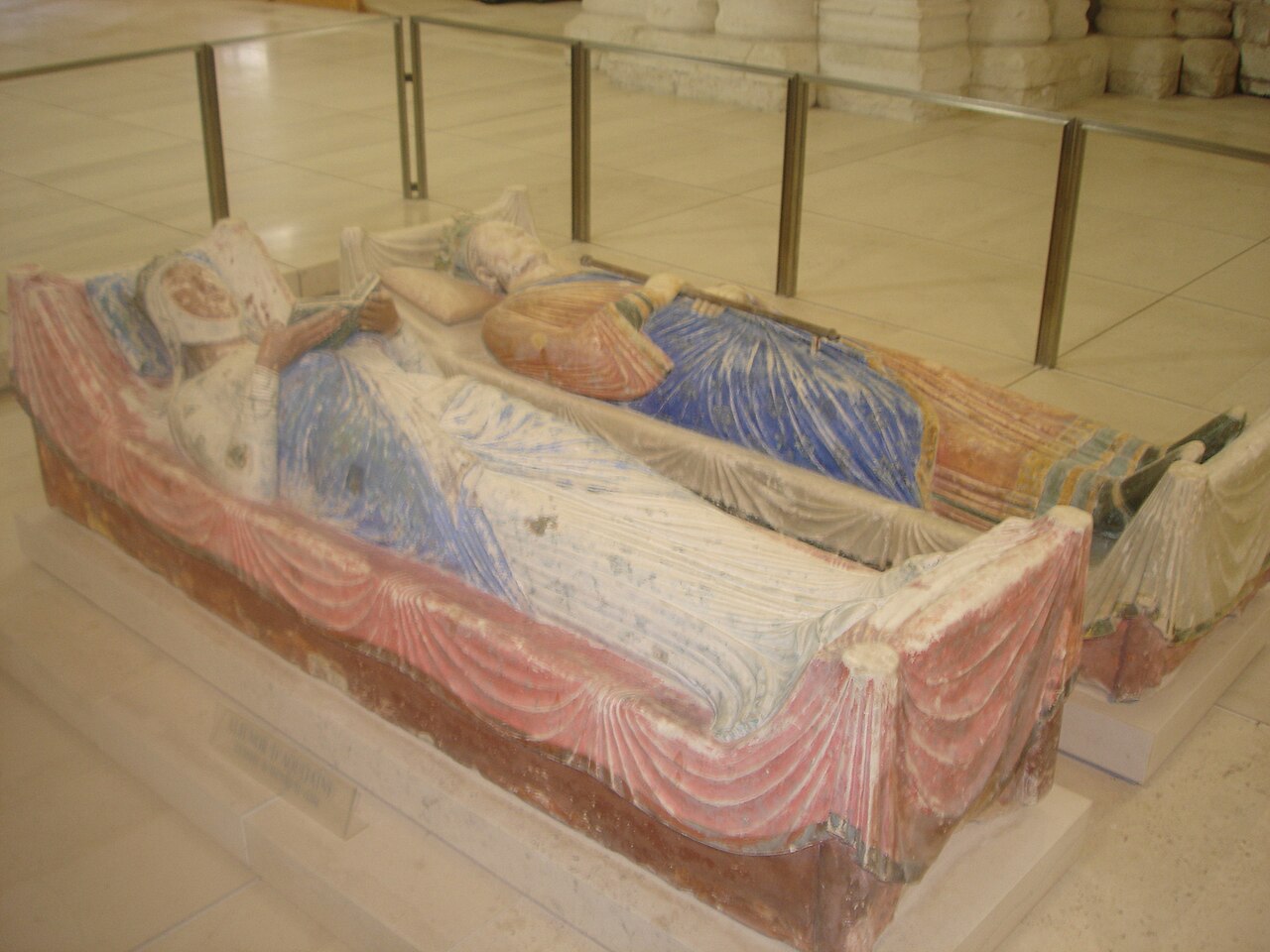
Effigy of Henry II at Fontevraud Abbey
Unknown sculptor · c. 1200
Free account
Read every Henry II source
Sign up free →
Ready when you are
Start chatting with Henry II now.
20 messages free · No credit card · Available in 50+ languages.