


Primary sourceArtifactbetween 1158 and 1180
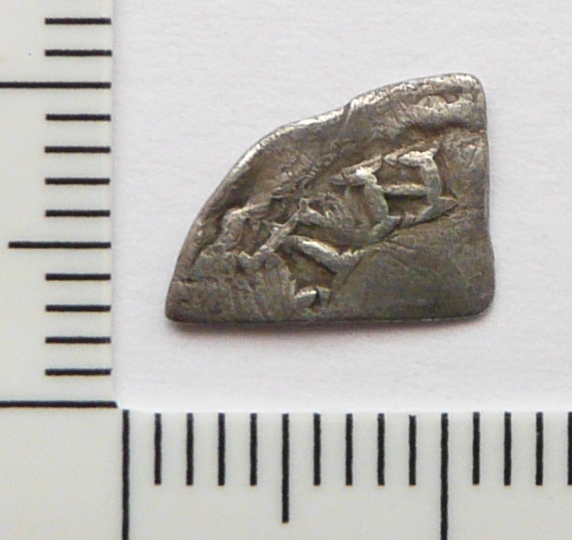
Silver cut farthing of Henry II, Tealby issue
between 1158 and 1180
A small, cut silver farthing of the cross and crosslets (Tealby) issue of Henry II, dated between 1158 and 1180.
A cut silver coin from Henry II's reign, showing the small change used during his rule.
About this source
What it is
This is a fragment of a silver cut farthing from the reign of Henry II of England, who ruled from 1154 to 1189. The record calls it a coin of the cross and crosslets, or Tealby, issue. The record dates it between 1158 and 1180. The photograph shows a small, irregular piece with a worn, partly visible design and a rough cut edge, placed beside a millimetre scale ruler. The image was shared on Wikimedia Commons by a private collector.
Why it matters
Coins of this kind show how the king's currency was issued and then divided up for use. The Tealby issue is named after a type of coin rather than a person, so the design and date help historians sort the coinage of Henry's early and middle years. Studying coins like this one lets students see royal money as a working tool used by ordinary people.
Look closer
- Which parts of the design can you identify, and which are too worn to read?
- Why might the coin have been cut, and what does the cut edge show?
- What does it mean that this coin is named by its issue rather than by a person?
This artifact is part of the curated material that grounds the AI version of Henry II on Humy.ai — when students ask about related events, the AI can quote it and cite it.
More Henry II sources
Browse all 90 →Primary source
Constitutions of Clarendon
Henry II of England · 1164
Primary source
Assize of Clarendon
Henry II of England · 1166
 Document
Primary source
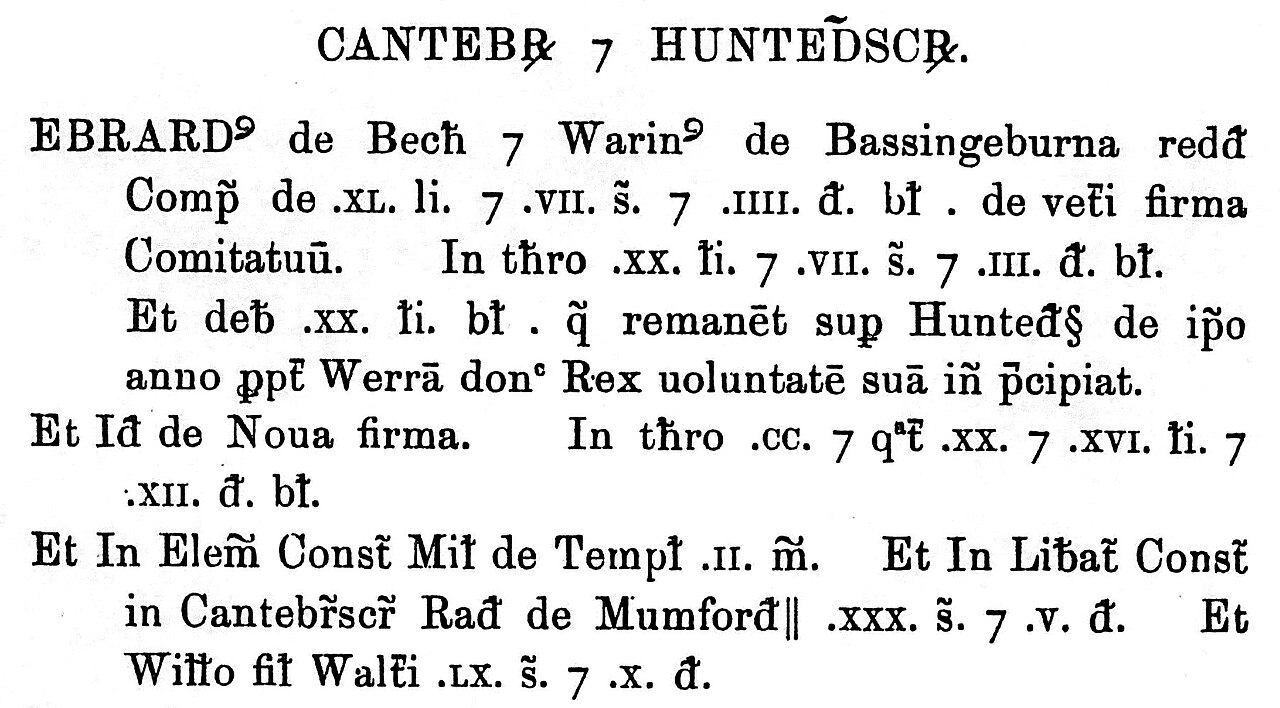
Pipe Roll, 21 Henry II
1174-1175
 Sculpture
Secondary source
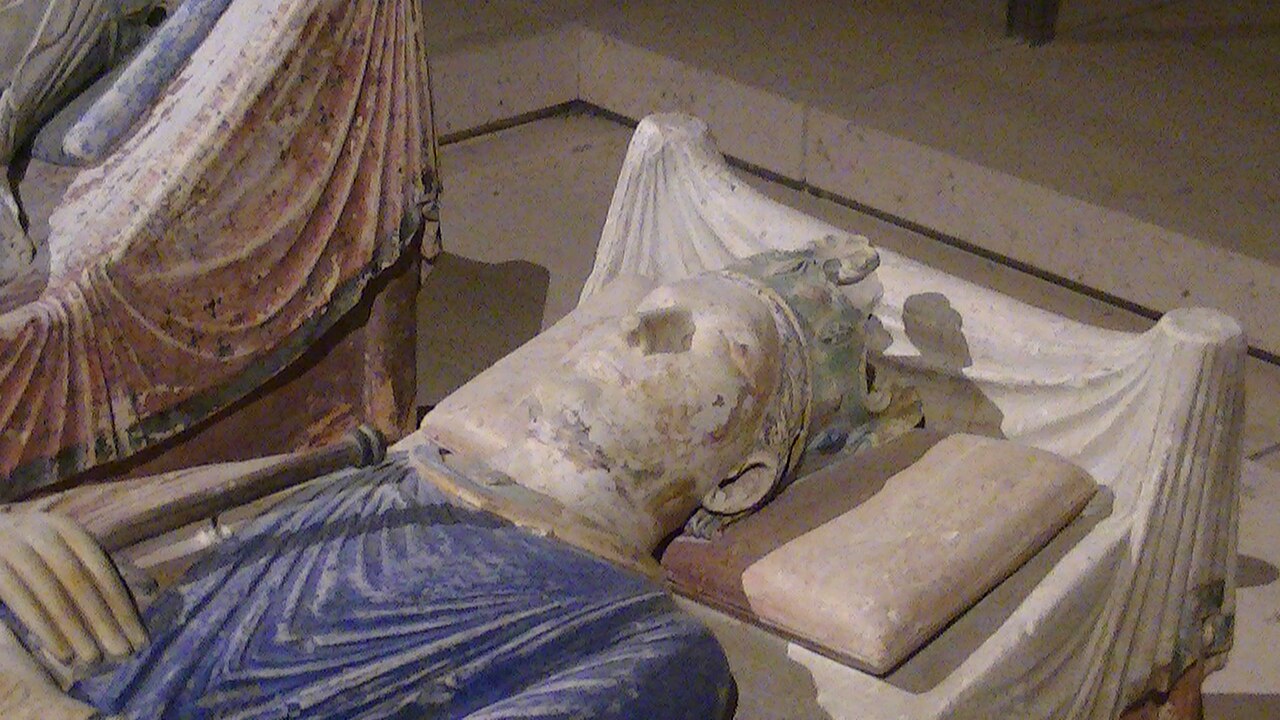
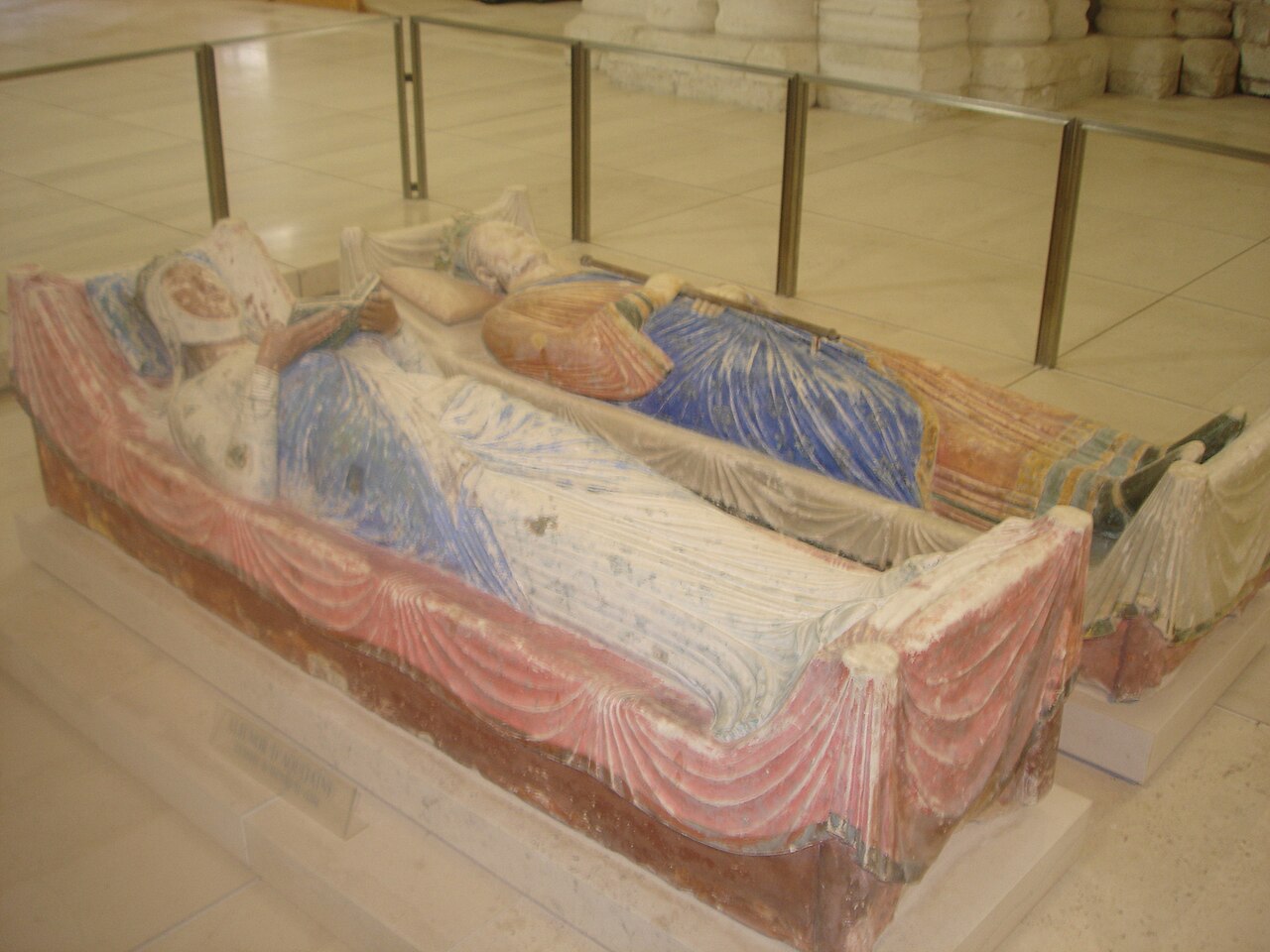
Effigy of Henry II at Fontevraud Abbey
Unknown sculptor · c. 1200
Free account
Read every Henry II source
Sign up free →
Ready when you are
Start chatting with Henry II now.
20 messages free · No credit card · Available in 50+ languages.