


Primary sourceArtifactbetween 1180 and 1189
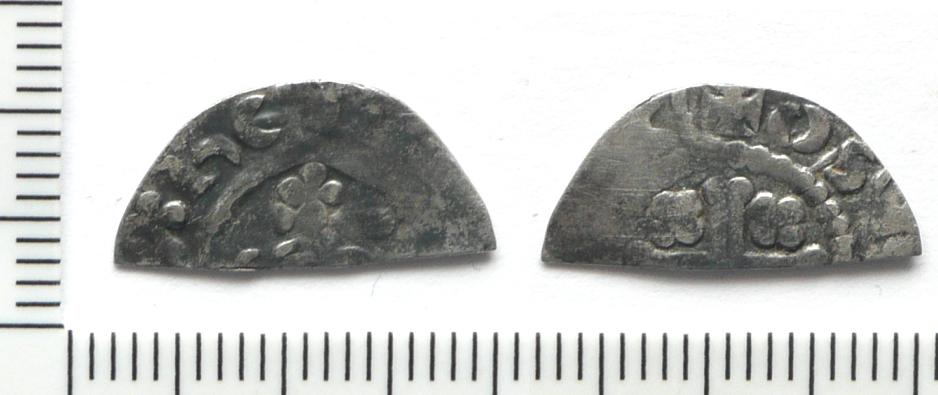
Silver Cut Halfpenny of Henry II, Class 1b, Moneyer Osber, Winchester
between 1180 and 1189
A silver cut halfpenny of Henry II, class 1b, made by the moneyer Osber at Winchester. It is a clear example of the king's coinage.
Shows a cut halfpenny of Henry II's later coinage, struck at Winchester by the moneyer Osber.
About this source
What it is
This is a silver cut halfpenny of Henry II, class 1b, with the moneyer Osber and a mint at Winchester. It is dated between 1180 and 1189. The image shows two views of a small half-circular coin against a scale ruler, with worn, partly legible designs including trefoil-like motifs and lettering fragments on both faces.
Why it matters
Cut halfpennies were used as small change in Henry II's England. The named moneyer and mint connect this coin to the workshops that produced the royal money in the later years of his reign. It shows how the king's coinage reached local trade across the country.
Look closer
- What motifs can you make out on each face, and what is worn away?
- Why does the record name a moneyer and a mint, and how would that be known?
- Who used this coin in daily life, and what does the object not show about them?
This artifact is part of the curated material that grounds the AI version of Henry II on Humy.ai — when students ask about related events, the AI can quote it and cite it.
More Henry II sources
Browse all 90 →Primary source
Constitutions of Clarendon
Henry II of England · 1164
Primary source
Assize of Clarendon
Henry II of England · 1166
 Document
Primary source
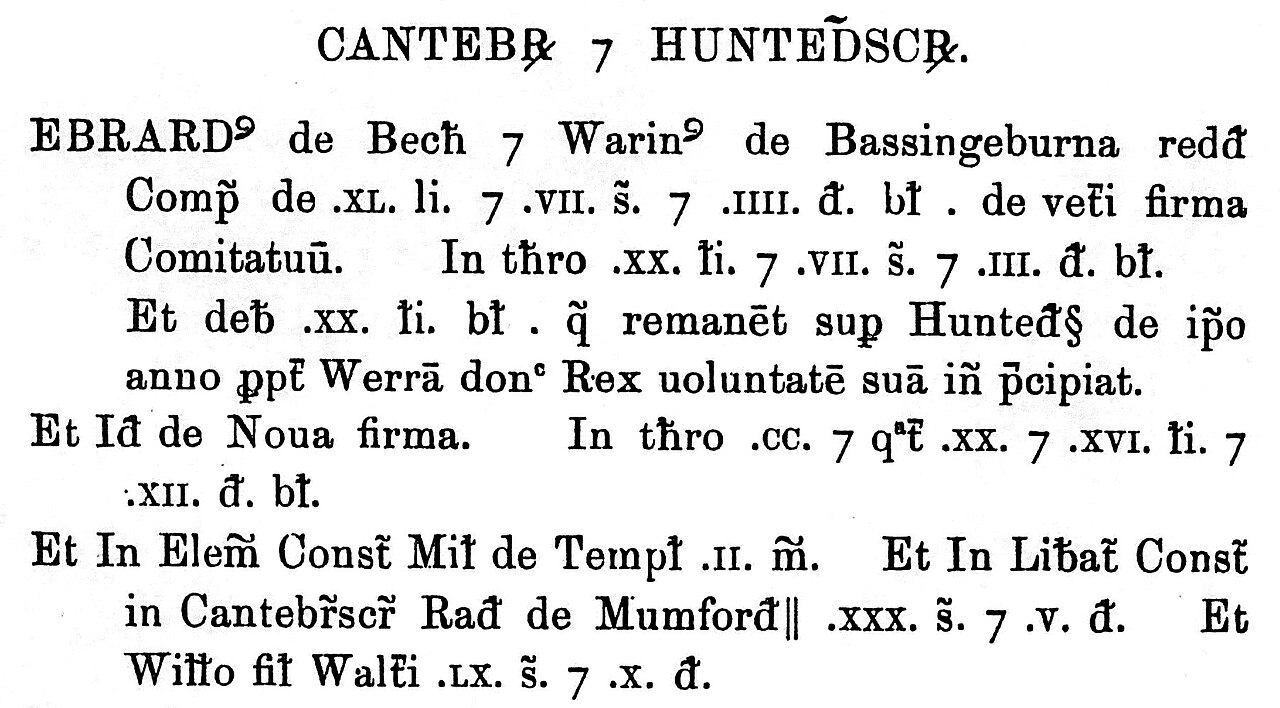
Pipe Roll, 21 Henry II
1174-1175
 Sculpture
Secondary source
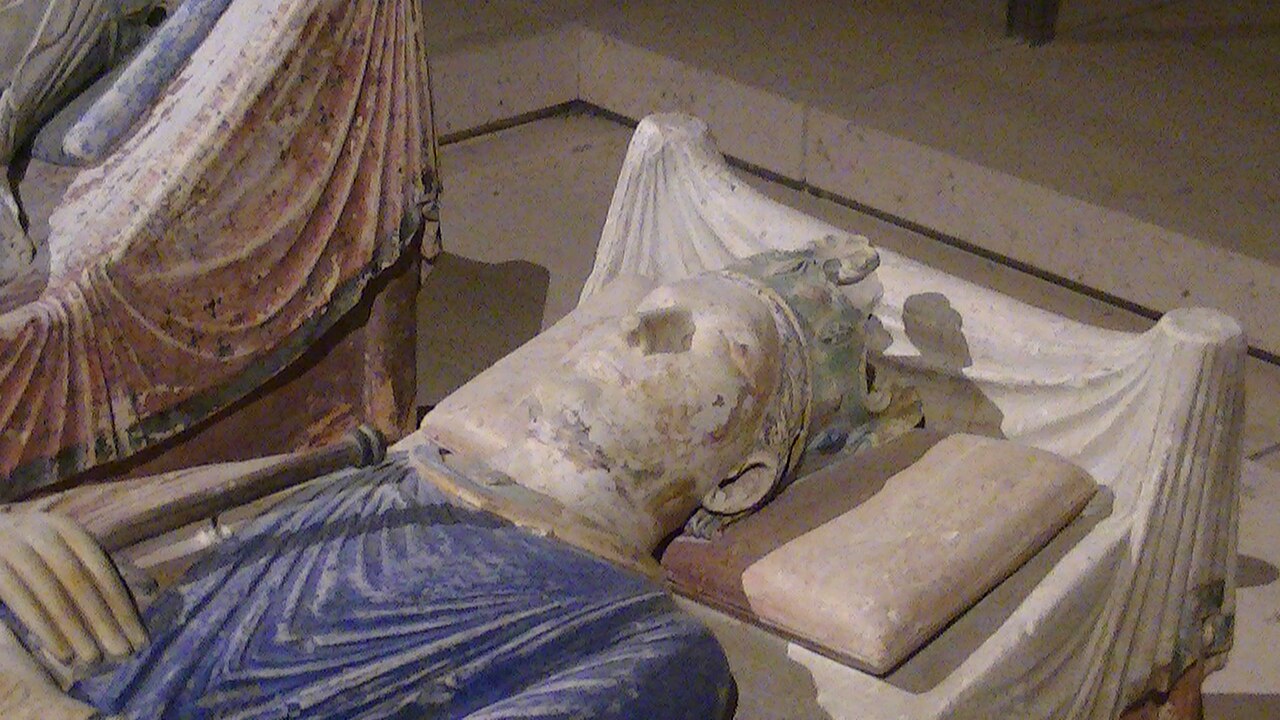
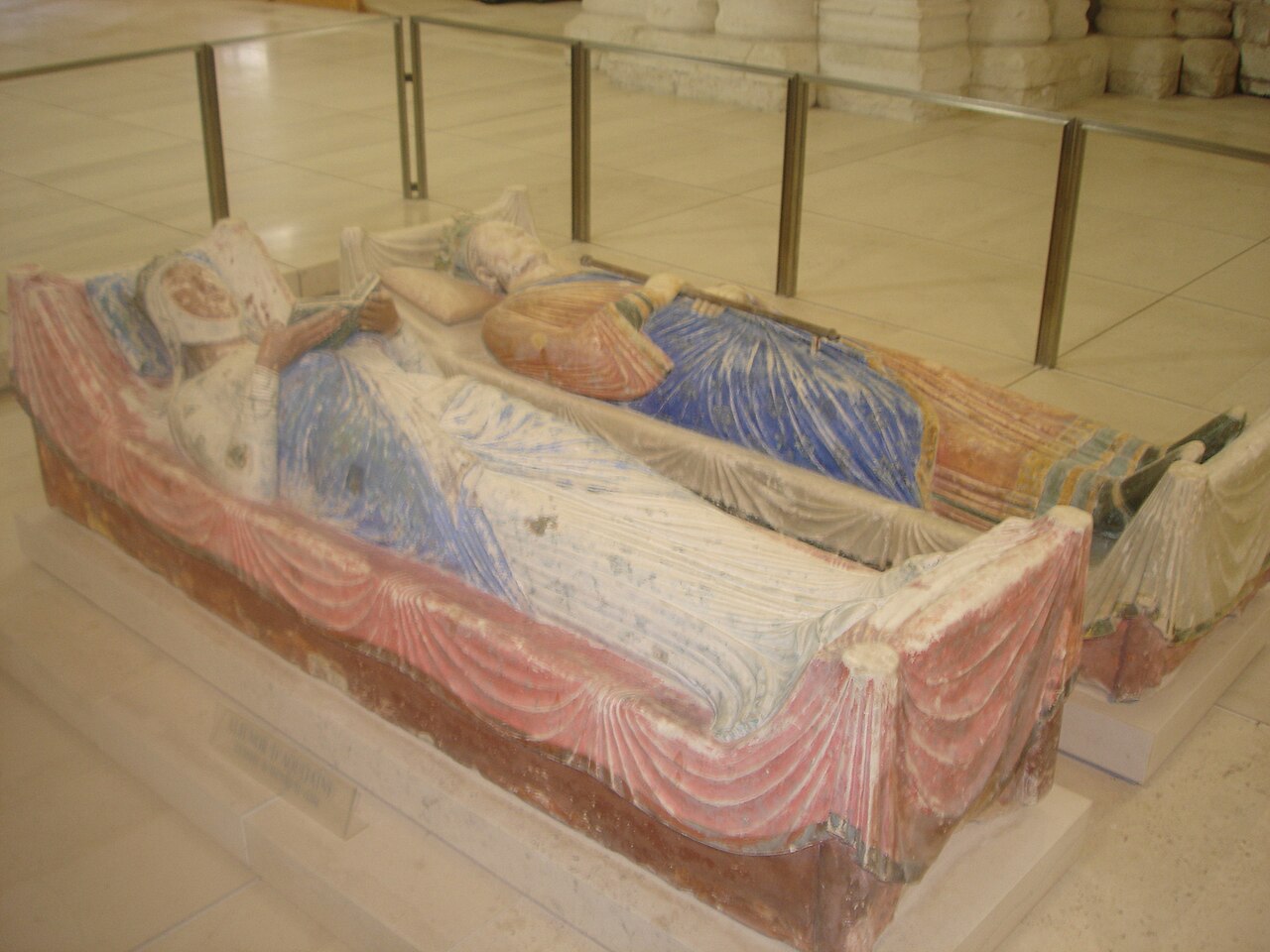
Effigy of Henry II at Fontevraud Abbey
Unknown sculptor · c. 1200
Free account
Read every Henry II source
Sign up free →
Ready when you are
Start chatting with Henry II now.
20 messages free · No credit card · Available in 50+ languages.