


Primary sourceArtifactAH 935 (1528-1529 CE)
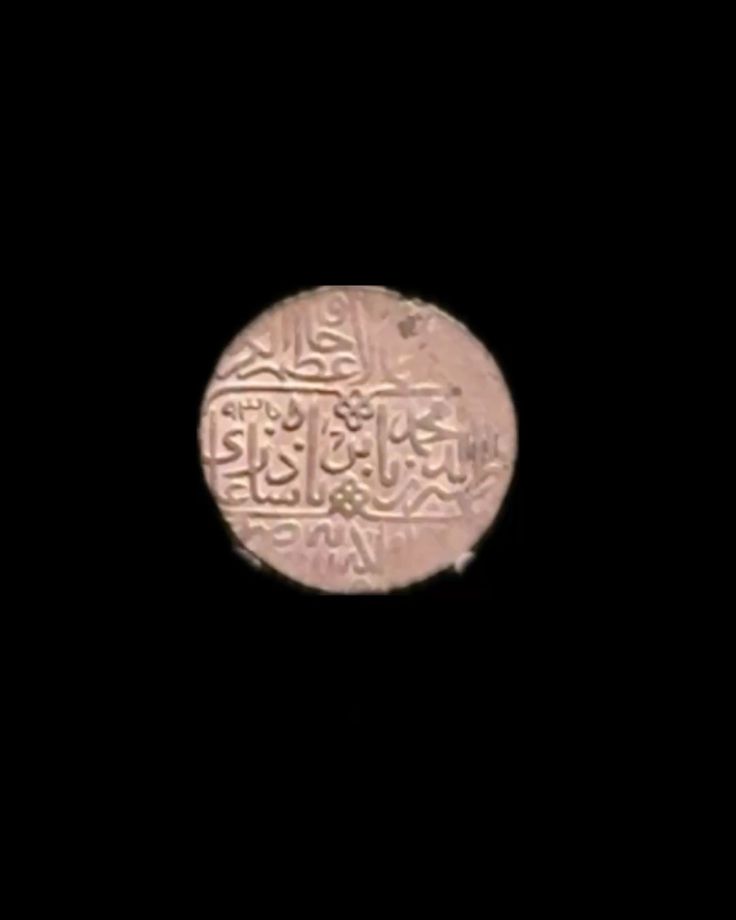
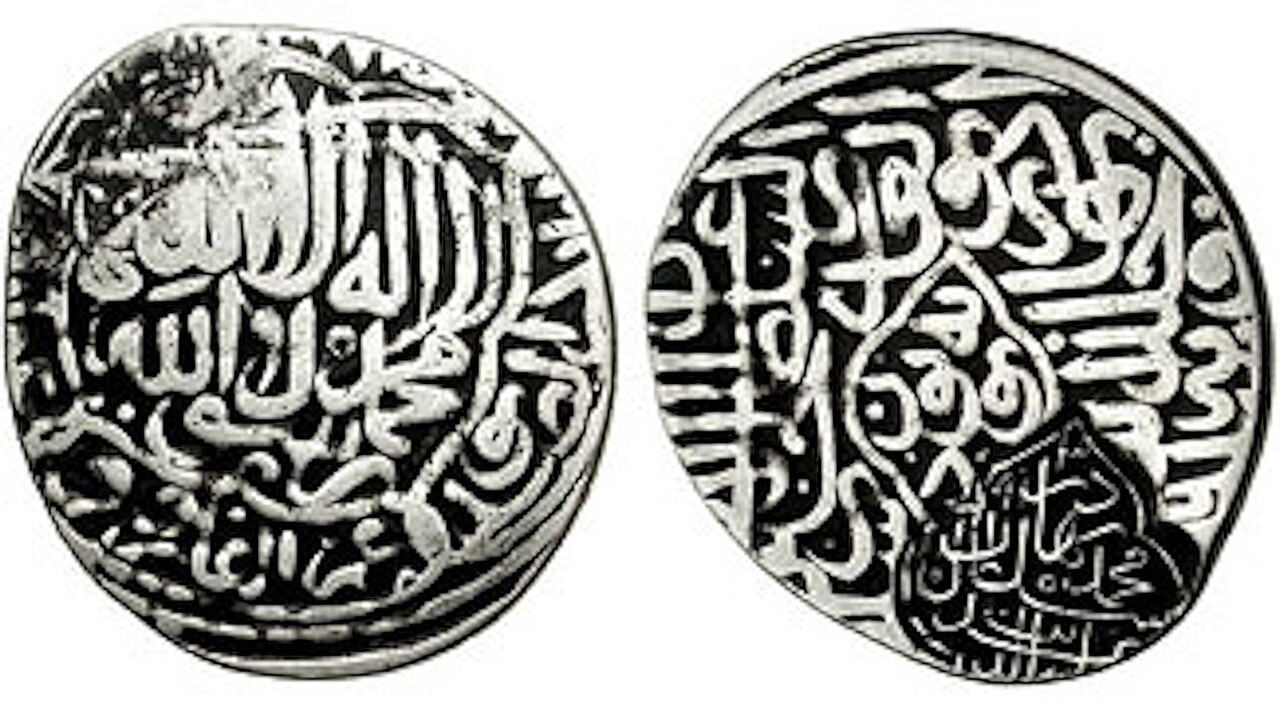
Silver Shahrukhi of Babur
AH 935 (1528-1529 CE)
A silver coin struck in Babur's name at Lahore in AH 935 (1528-29), now held by the Ashmolean Museum. It is an actual object from his reign.
Shows that Babur's name was struck on coins at Lahore during his reign, an actual object he commissioned.
About this source
What it is
This is a small round silver coin photographed against a black background. It has raised Arabic calligraphic inscriptions arranged in square panels, including the name Babur and numerals for the date. The coin's edge is partly worn. It was struck at Lahore in AH 935, which corresponds to 1528-29 CE, and it is held by the Ashmolean Museum in Oxford.
Why it matters
Coins were a direct way for a ruler to show his authority, since they circulated in everyday trade. A coin with Babur's name shows that his rule was recognised in the mint city of Lahore late in his reign. Babur had conquered much of northern India after the Battle of Panipat in 1526, and coins like this one helped to make his new state visible to those who used them.
Look closer
- What information does the coin give in its inscriptions, and how is it arranged?
- Why would a new ruler want his name on money that ordinary people handled every day?
- What can a coin not tell us about the people who minted it or those who used it?
This artifact is part of the curated material that grounds the AI version of Babur on Humy.ai — when students ask about related events, the AI can quote it and cite it.
More Babur sources
Browse all 95 →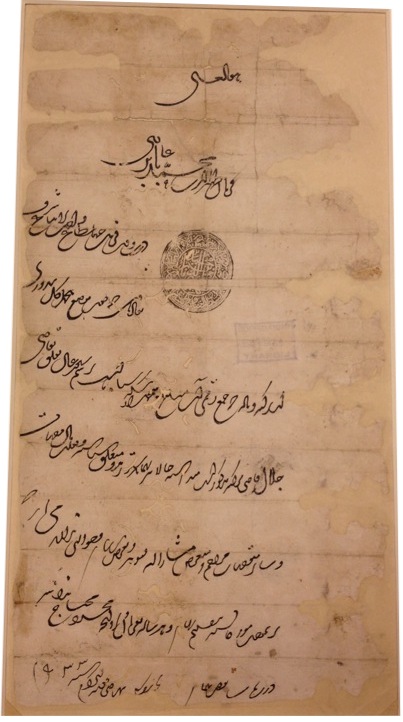 Document
Primary source
Mughal Land Grant of August 1527
Mughal emperor Babur's administration · August 1527
 Artifact
Primary source
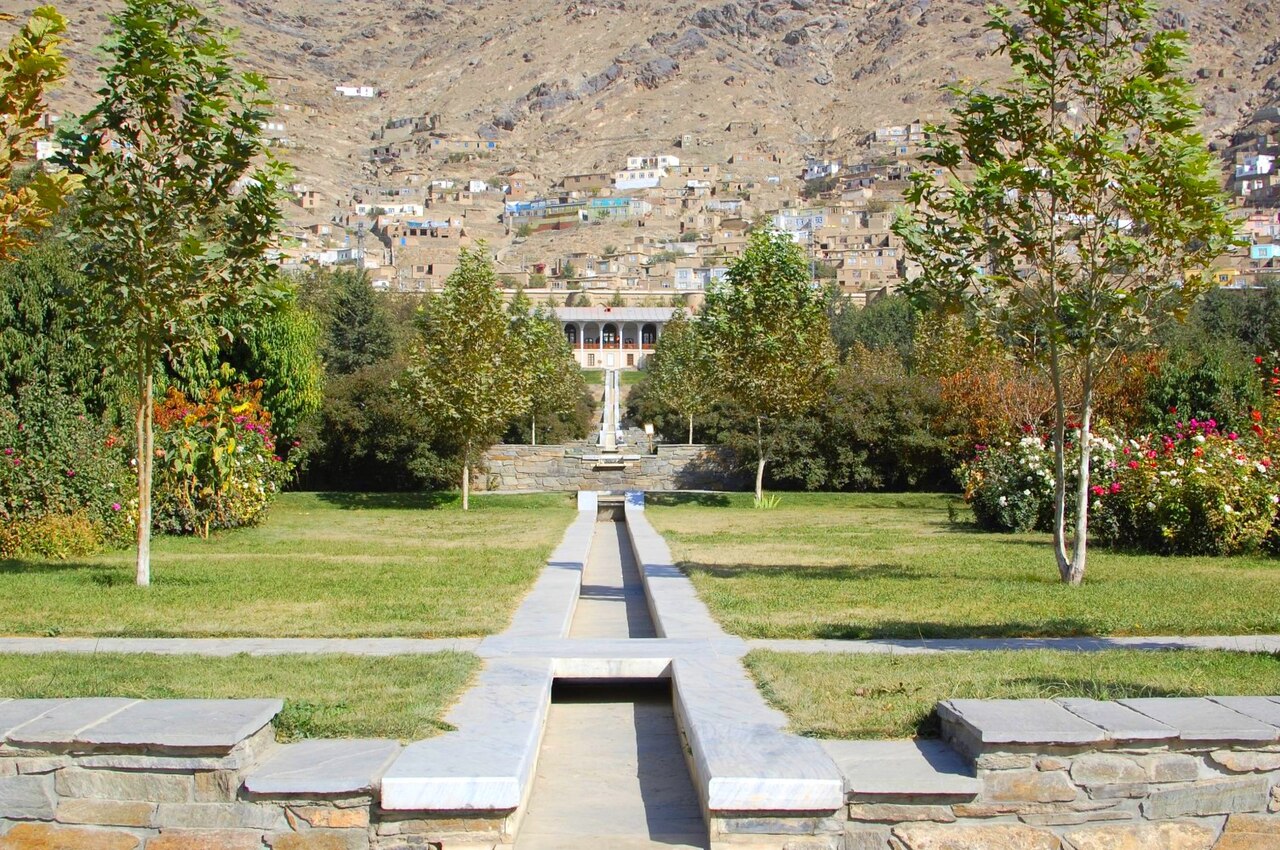
Gardens of Babur
Babur · c. 1504
 Artifact
Secondary source
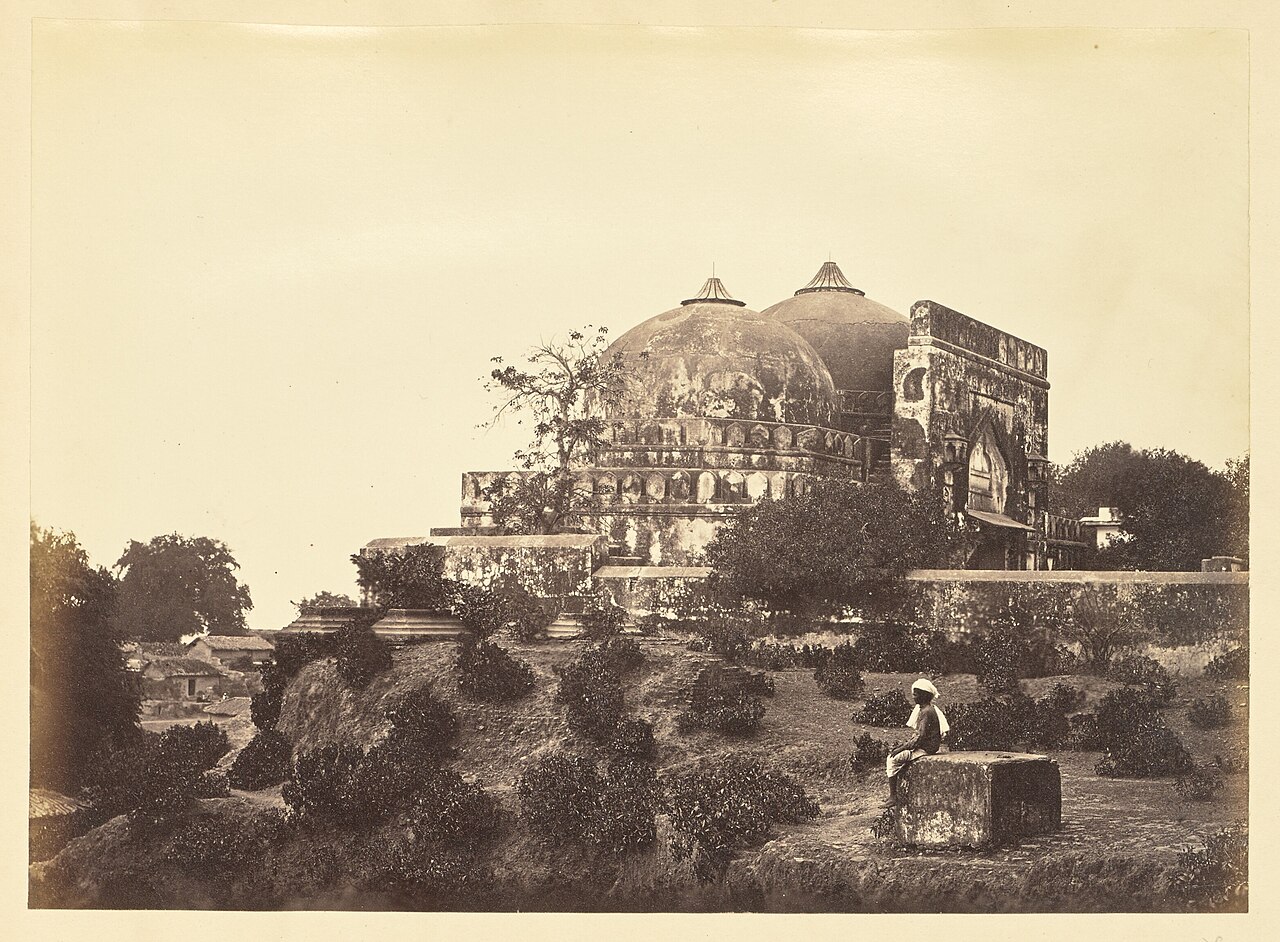
Babri Masjid
Mir Baqi · 1528/1529
 Painting
Primary source
Princes of the House of Timur
mid-16th century, later altered
Free account
Read every Babur source
Sign up free →
Ready when you are
Start chatting with Babur now.
20 messages free · No credit card · Available in 50+ languages.