


Primary sourceArtifactc.1222-c.1236
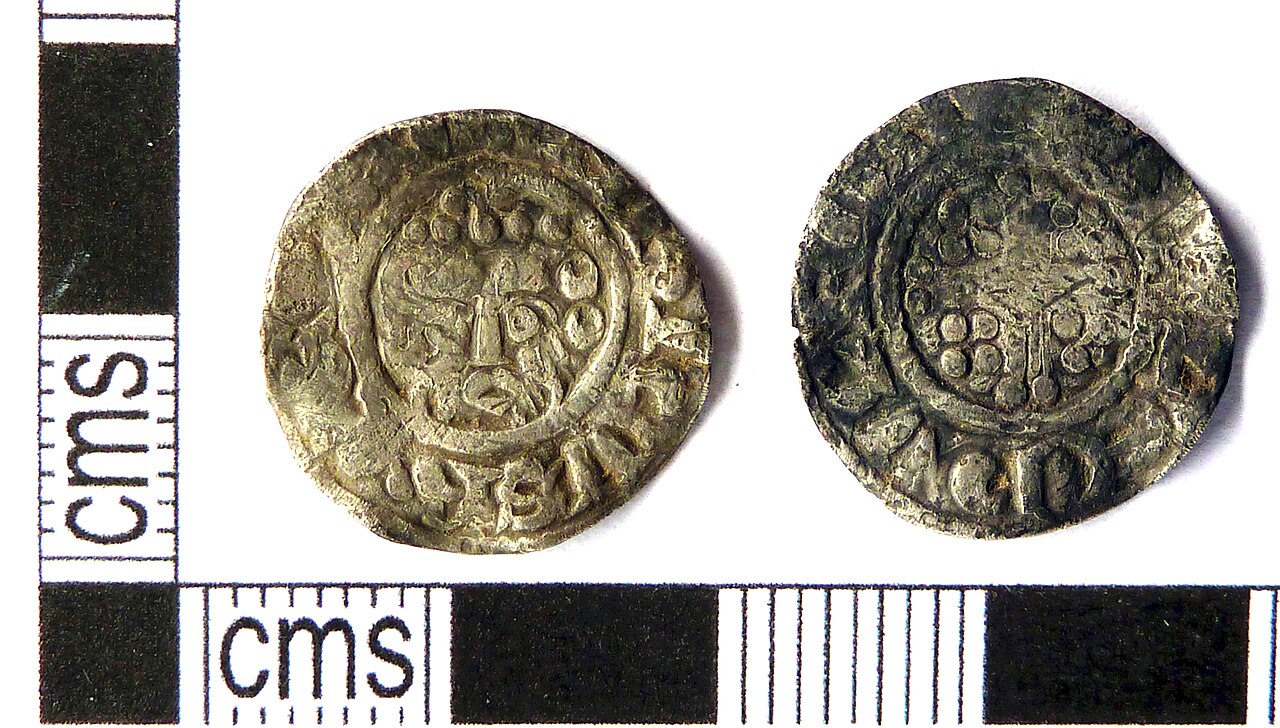
Silver short cross penny of Henry III, London mint
c.1222-c.1236
A medieval silver penny of Henry III, minted in London around 1222 to 1236. Henry III reissued the Magna Carta in 1216 and 1225.
A coin of Henry III, the king who reissued the Magna Carta in 1216 and 1225, showing the royal money of the charter's afterlife.
About this source
What it is
This is a medieval silver penny of King Henry III, a short cross coin of class 7b, minted in London by a moneyer named Ledulf. The record dates it to around 1222 to 1236. The image shows two coins side by side on a white background, with scale bars in centimetres. Each coin has a worn short cross design with pellets and lettering around the rim.
Why it matters
Henry III came to the throne as a child after his father John's death, and he reissued the Magna Carta in 1216 and again in 1225. This coin shows the royal money of his reign, which followed directly from the crisis that produced the charter. Comparing it with coins of John's reign lets students see how the monarchy and its money continued after 1215.
Look closer
- What similarities and differences can you see between the two coins?
- Why might a new king keep the same kind of coin design as his predecessor?
- What does a coin tell us about Henry III that his reissued charter does not?
This artifact is part of the curated material that grounds the AI version of Magna Carta on Humy.ai — when students ask about related events, the AI can quote it and cite it.
More Magna Carta sources
Meet the AI Magna Carta →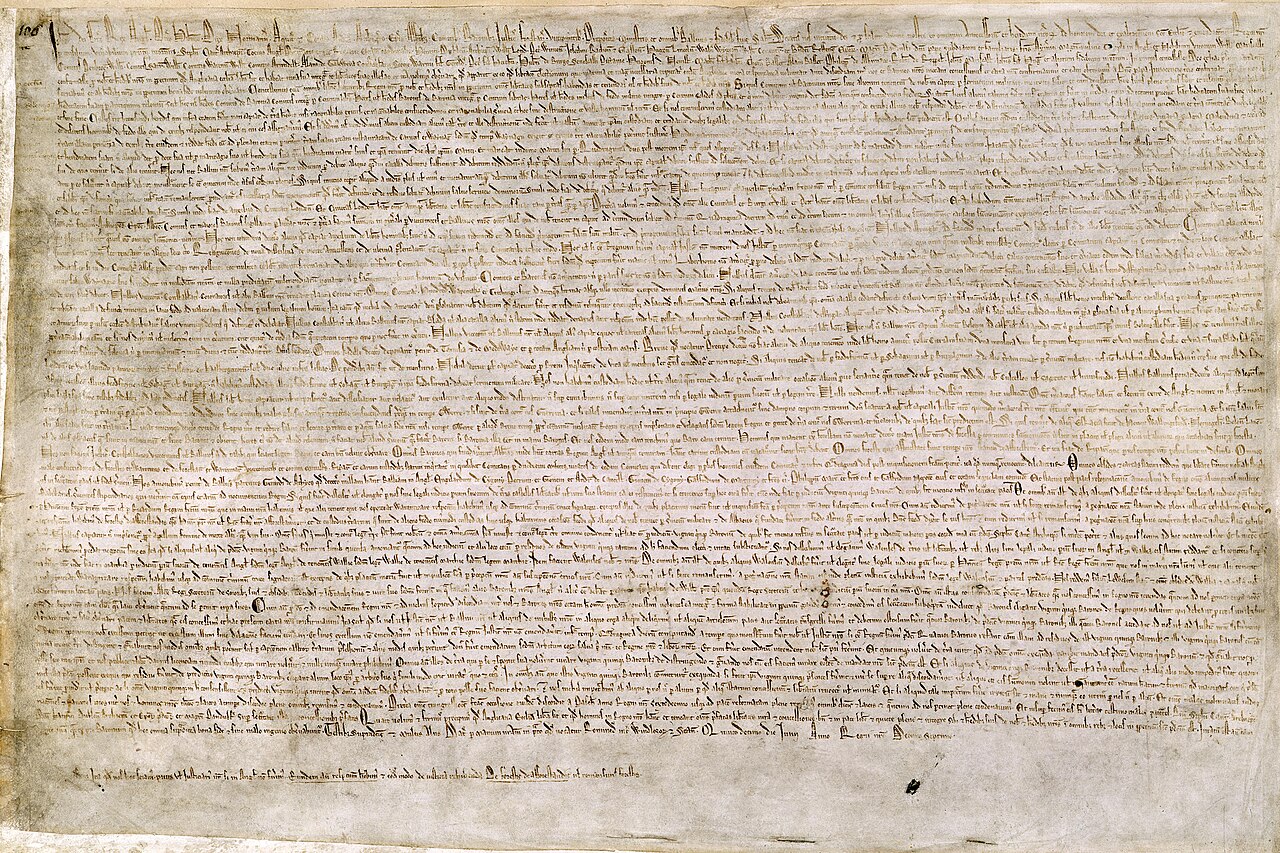 Document
Primary source
Magna Carta (1215 Exemplification)
1215
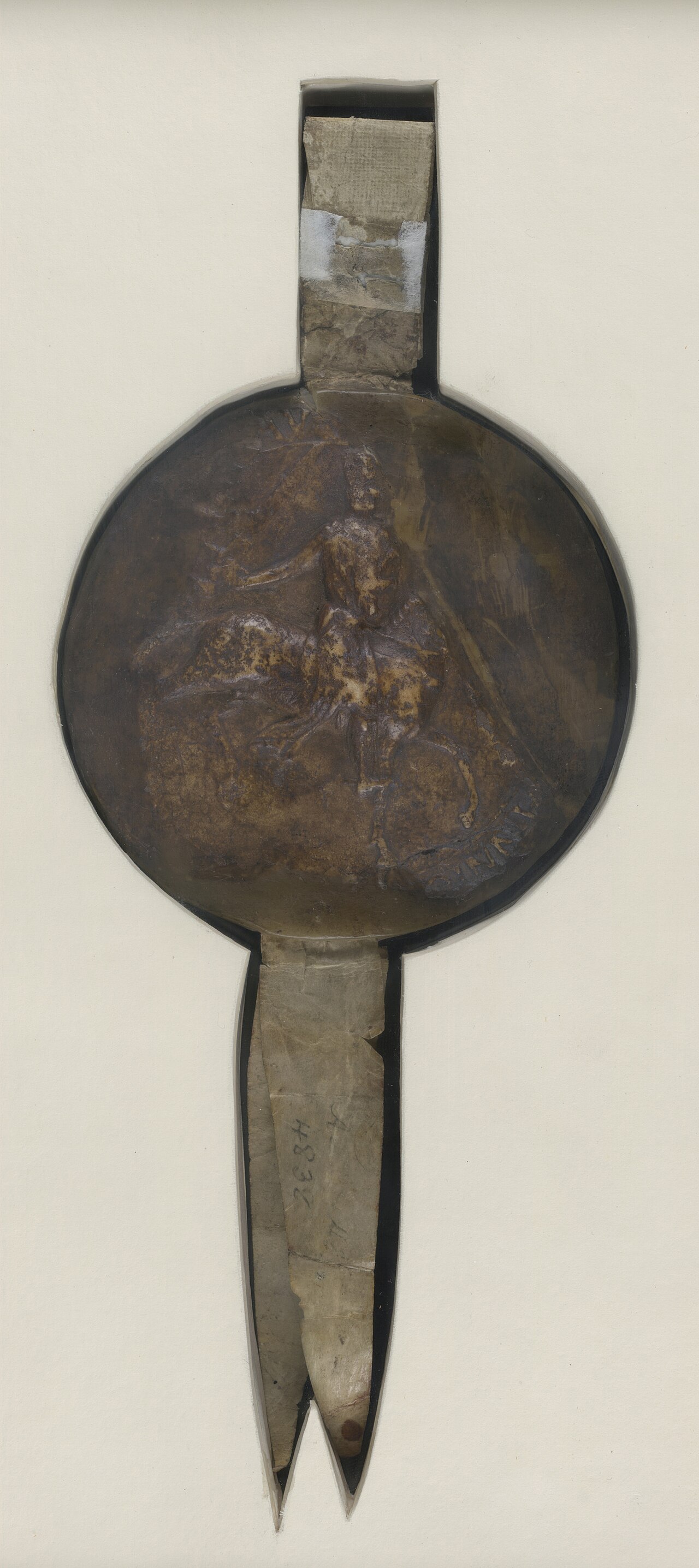 Document
Primary source
Articles of the Barons
1215
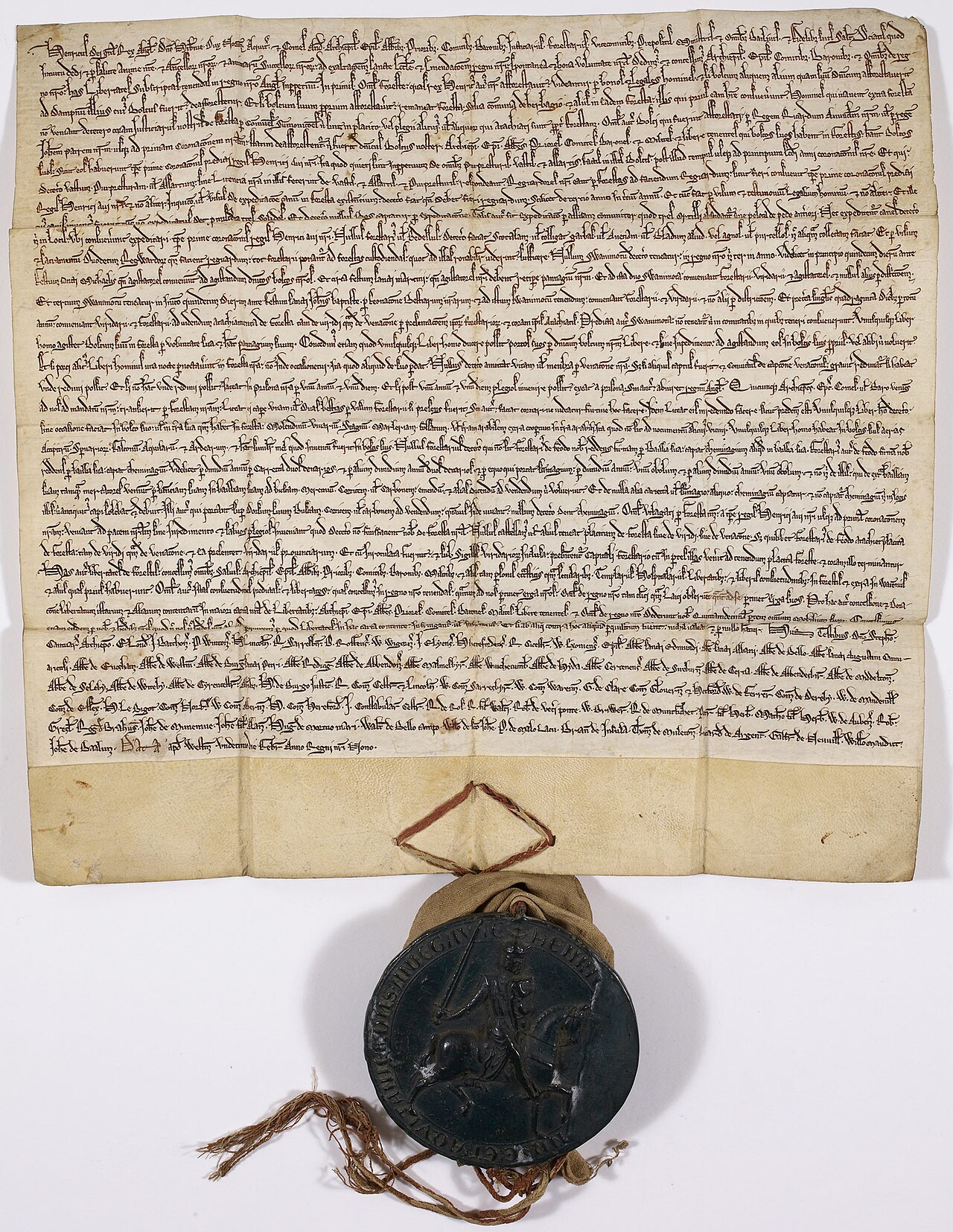 Document
Primary source
Charter of the Forest
1217
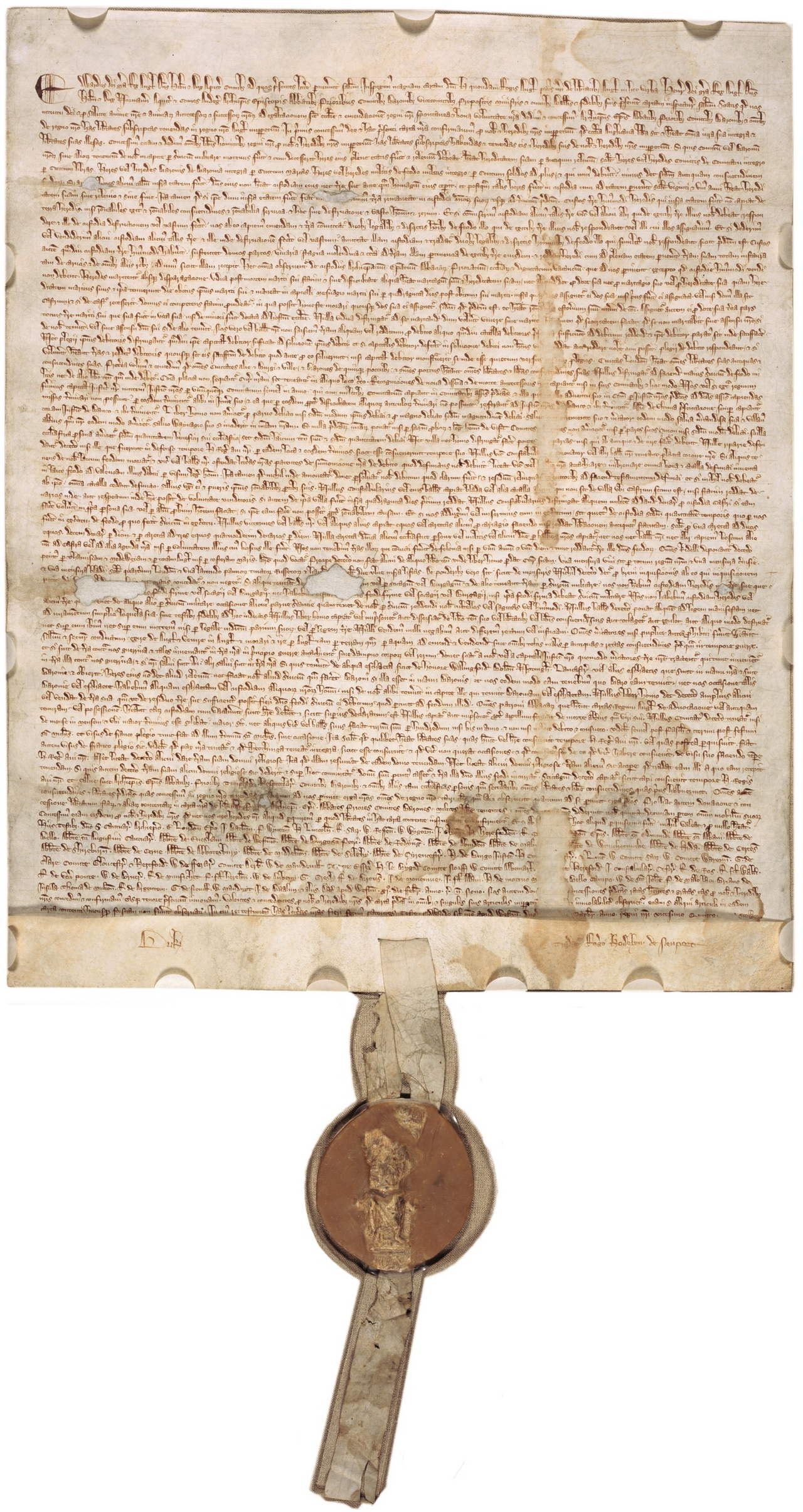 Document
Primary source
Magna Carta 1297 (National Archives, Washington)
Edward I of England · 1297
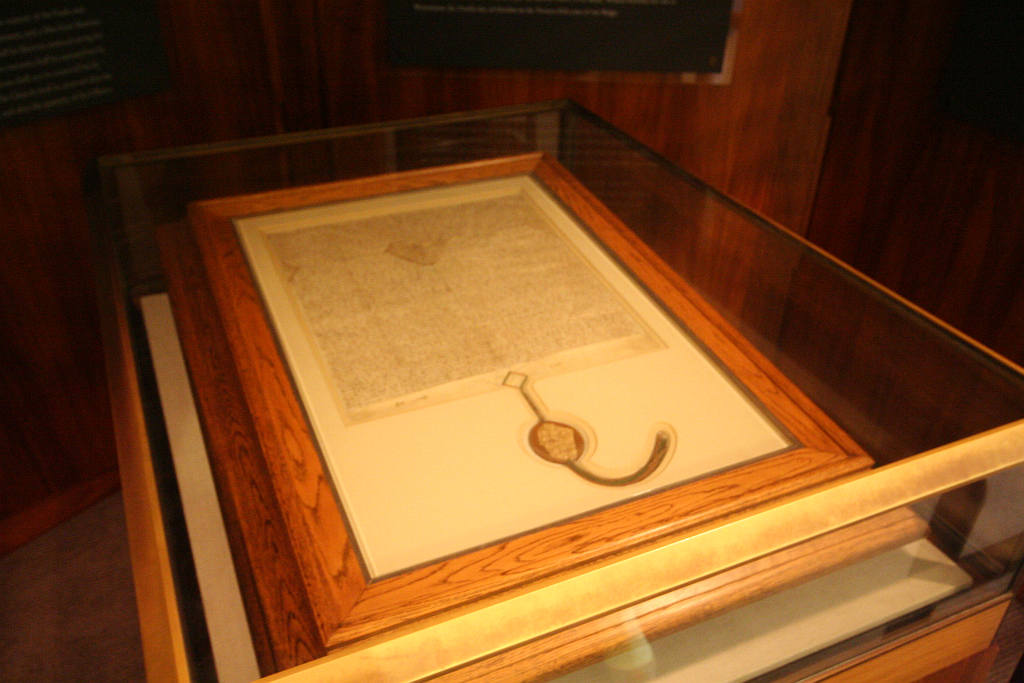 Document
Primary source
Magna Carta 1297 (Parliament House, Canberra)
Edward I of England · 1297
Ready when you are
Start chatting with Magna Carta now.
20 messages free · No credit card · Available in 50+ languages.