


Primary sourceArtifact1893
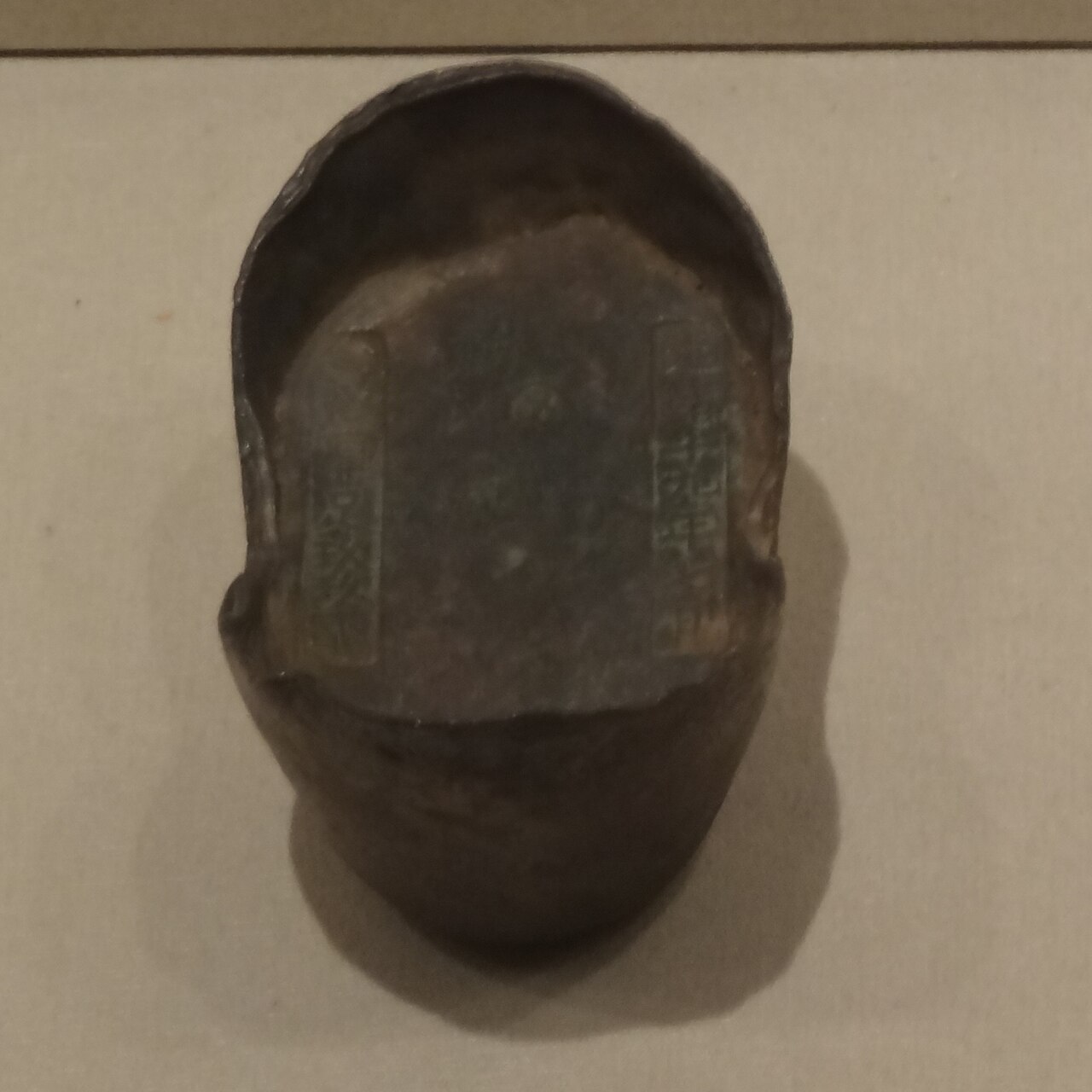
Silver Sycee, 19th Year of Guangxu (1893)
Baomi · 1893
A dated silver ingot from 1893, showing traditional Chinese currency still used during Guangxu's reign.
Dated to Guangxu's 19th regnal year, this ingot shows traditional currency circulating during his reign.
About this source
What it is
This is a silver sycee, a boat-shaped ingot used as currency in imperial China, dated to the 19th year of the Guangxu reign (1893). It is held by the Shandong Museum.
Why it matters
Sycee ingots were a traditional form of money that continued circulating alongside newer machine-struck coins, showing how old and new monetary systems coexisted during Guangxu's reign.
Look closer
- What do the stamped inscriptions on the ingot tell us about who made or verified it?
- Why might a government allow both old and new currency to be used at the same time?
- What does the ingot's shape and material suggest about trust in money before paper currency became common?
This artifact is part of the curated material that grounds the AI version of Guangxu Emperor on Humy.ai — when students ask about related events, the AI can quote it and cite it.
More Guangxu Emperor sources
Browse all 88 →Primary source
Chinese declaration of war against Japan
Guangxu Emperor · 1 August 1894
 Document
Primary source
Treaty of Shimonoseki
17 April 1895
 Painting
Primary source
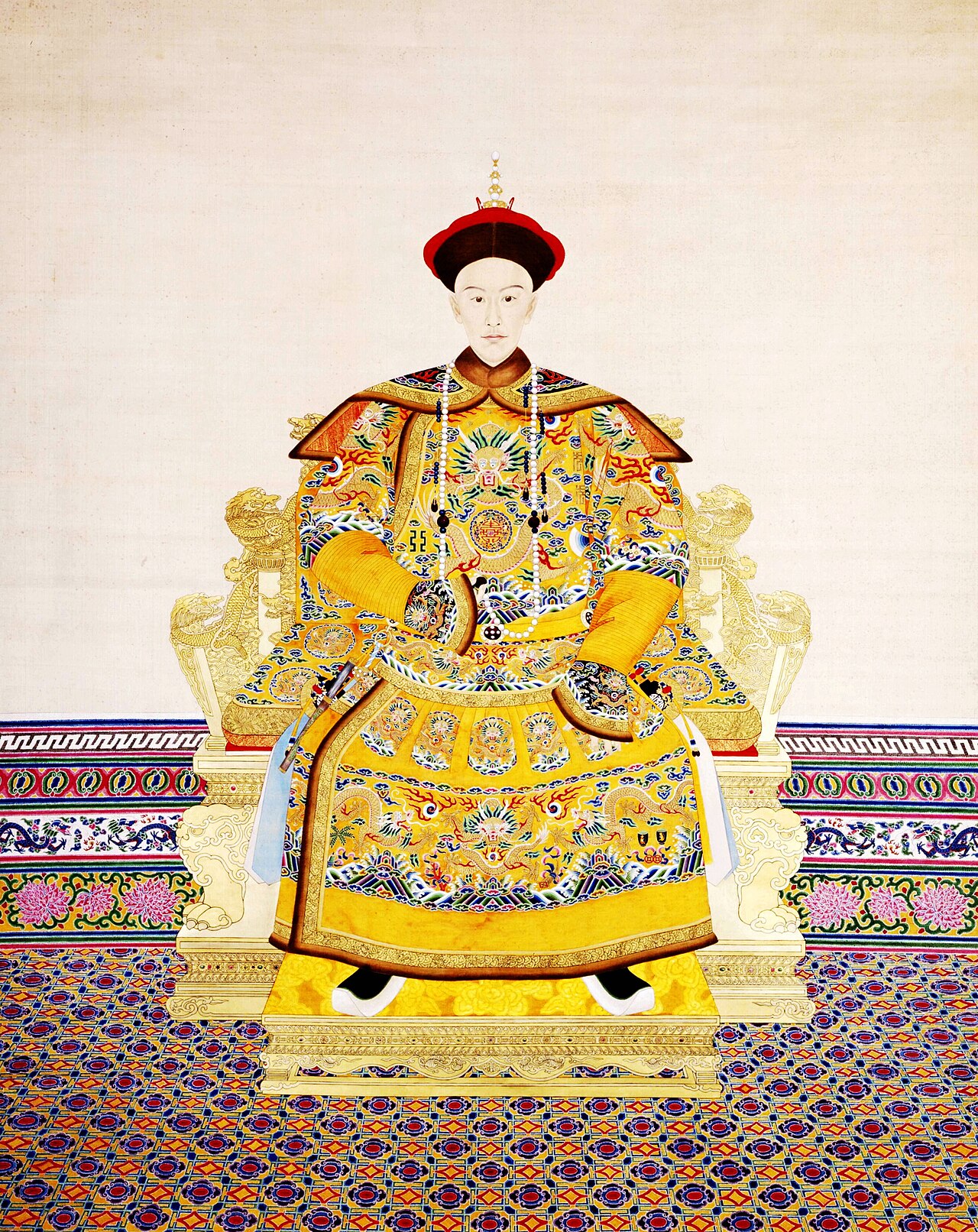
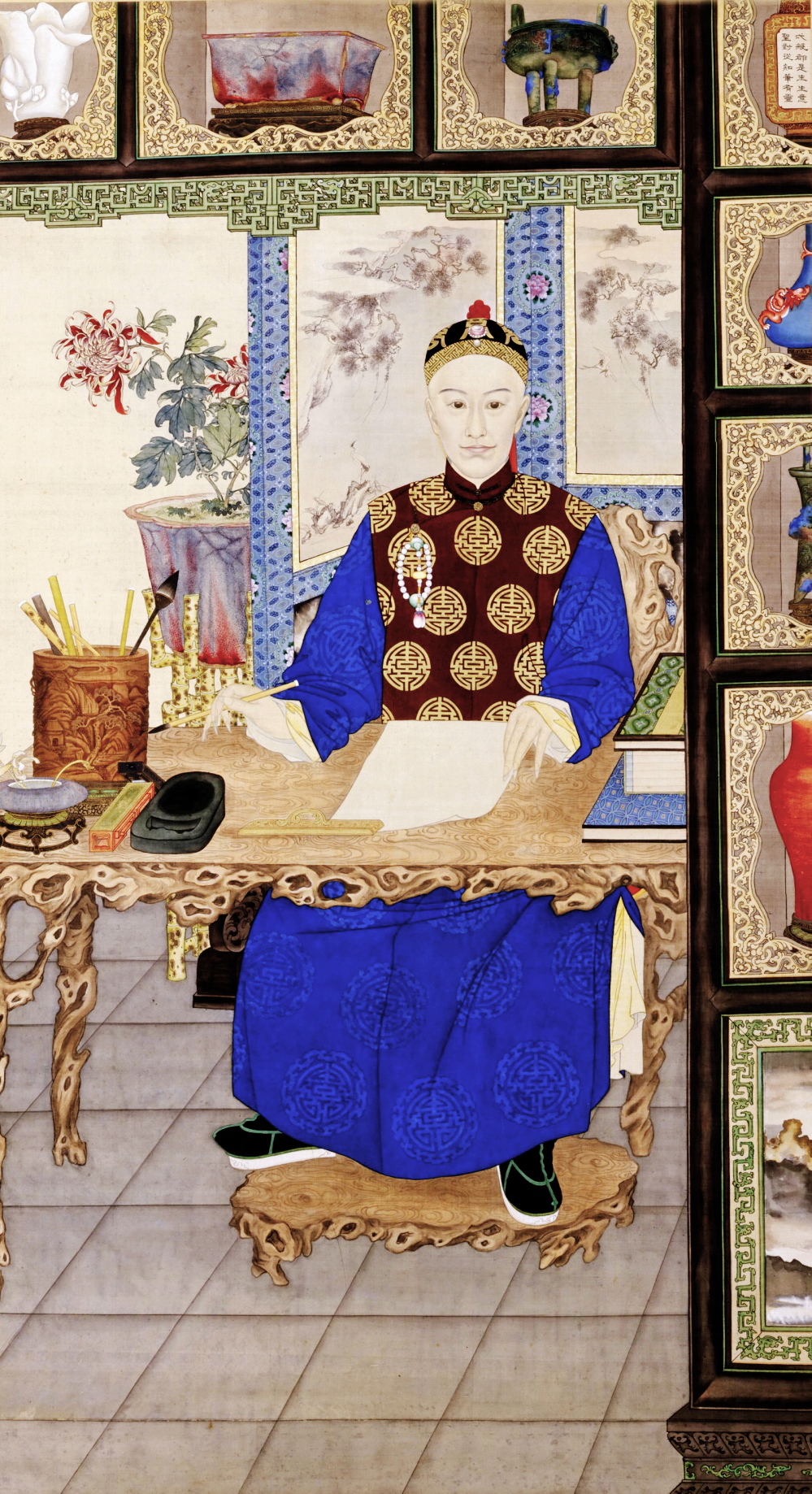
Emperor Guangxu
Qing Dynasty Court Painter
Primary source
Imperial Decree of Declaration of War Against Foreign Powers
Guangxu Emperor · 21 June 1900
Free account
Read every Guangxu Emperor source
Sign up free →
Ready when you are
Start chatting with Guangxu Emperor now.
20 messages free · No credit card · Available in 50+ languages.