


Primary sourceArtifact1497-1498 (AH 903)
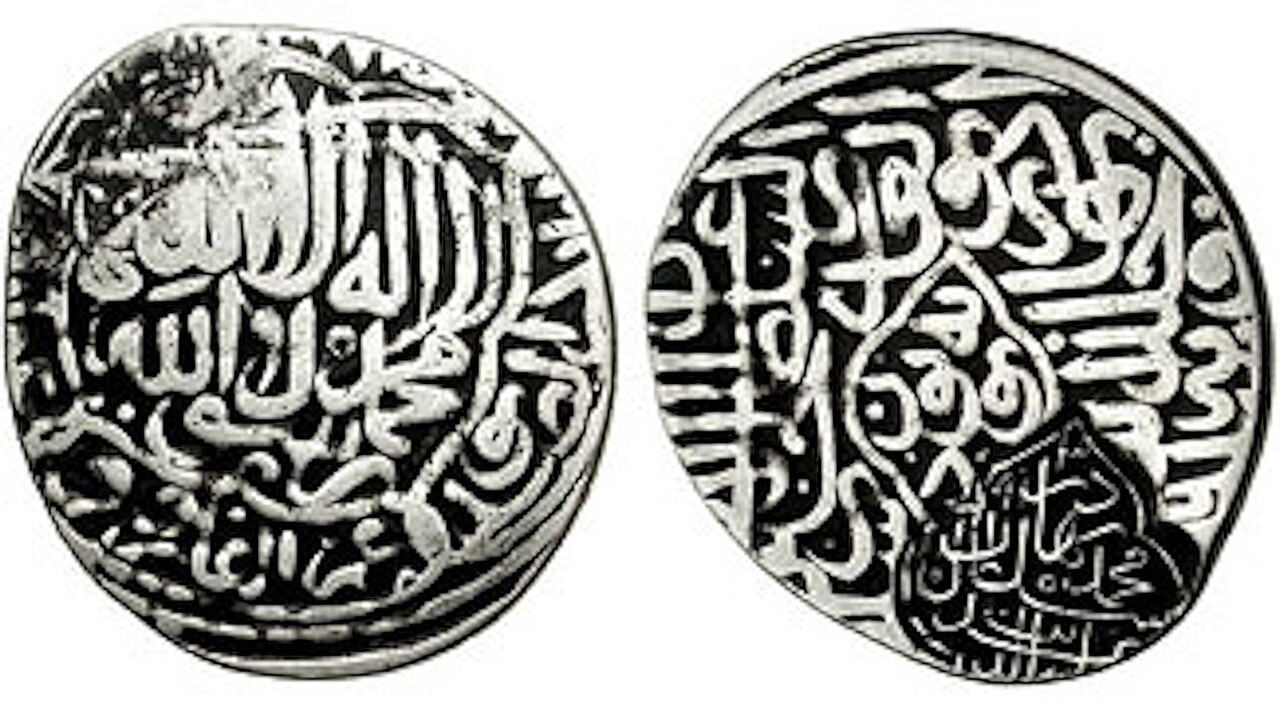
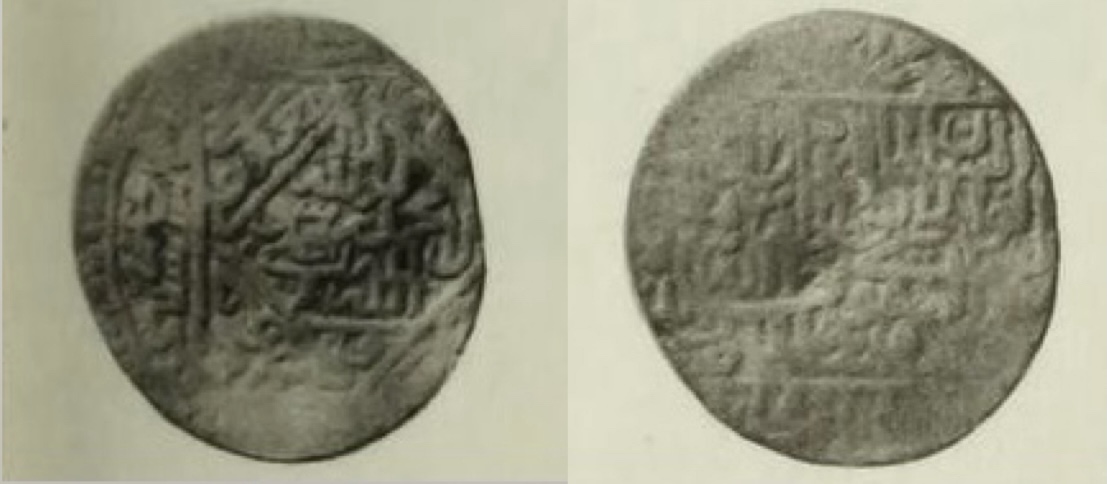
Silver Tanka of Babur as Sultan of Ferghana
1497-1498 (AH 903)
A silver coin struck in Babur's name during his brief occupation of Samarkand in 1497-98, early evidence of his struggle to hold that city.
Struck in Babur's name during his brief hold on Samarkand, this coin is physical evidence of his early, unstable rule.
About this source
What it is
This silver coin, weighing about 4.66 grams, was struck during Babur's occupation of Samarkand in 1497–1498, while he still ruled as Sultan of Ferghana before founding the Mughal Empire. It bears Arabic inscriptions, including the Islamic declaration of faith, on both faces.
Why it matters
Striking coins in his own name was a way for a ruler to proclaim authority over a city. Babur held Samarkand for only about a hundred days on this occasion, and this coin is a physical trace of that short-lived rule, part of his lifelong effort to hold onto the city he prized above all others.
Look closer
- Why would striking a coin matter as a political statement, even for a rule that lasted only months?
- What do the inscriptions on the coin suggest about the role of religion in announcing a ruler's authority?
- What does this small object tell you that a painting or document cannot?
This artifact is part of the curated material that grounds the AI version of Babur on Humy.ai — when students ask about related events, the AI can quote it and cite it.
More Babur sources
Browse all 95 → Document
Primary source
Mughal Land Grant of August 1527
Mughal emperor Babur's administration · August 1527
 Artifact
Primary source
Gardens of Babur
Babur · c. 1504
 Artifact
Secondary source
Babri Masjid
Mir Baqi · 1528/1529
 Painting
Primary source
Princes of the House of Timur
mid-16th century, later altered
Free account
Read every Babur source
Sign up free →
Ready when you are
Start chatting with Babur now.
20 messages free · No credit card · Available in 50+ languages.