


Primary sourceArtifactAD 50-54
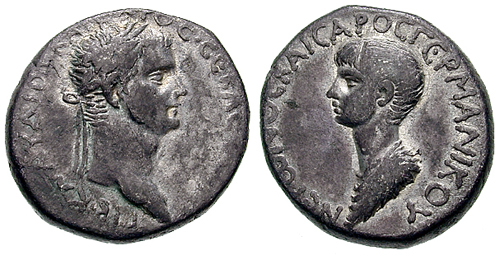
Silver Tetradrachm of Claudius and Nero
AD 50-54
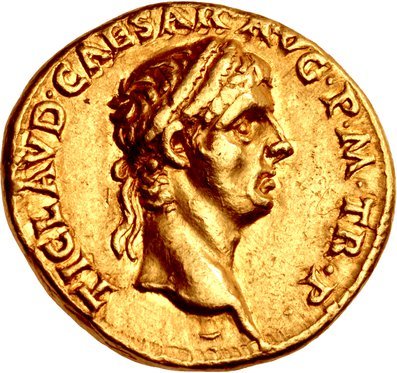
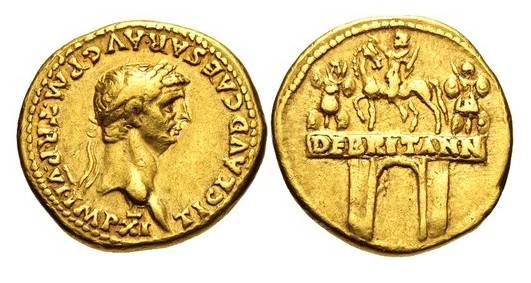
A rare silver coin from Antioch minted under Claudius, showing his portrait alongside Nero, who would later succeed him as emperor.
This coin, minted during Claudius's reign, shows his portrait and names him alongside his successor Nero.
About this source
What it is
This silver tetradrachm coin was minted in Antioch, Syria between AD 50 and 54. One side shows the laureate head of the emperor Claudius with a Latin inscription, while the other side shows a bare-headed, draped bust of Nero with a Greek inscription. It is a very rare coin, with only a small number of specimens known today, most held in museum collections.
Why it matters
Coins like this were a key way Roman emperors communicated power and succession across the empire. By placing Nero's image alongside his own, Claudius signaled his intended successor to the public, showing how imperial authority and family connections were displayed through everyday currency.
Look closer
- Why might an emperor choose to put his successor's image on a coin while he was still alive?
- What differences do you notice between how Claudius and Nero are each portrayed?
- Why would coins be an effective way to spread political messages across a large empire?
This artifact is part of the curated material that grounds the AI version of Claudius on Humy.ai — when students ask about related events, the AI can quote it and cite it.
More Claudius sources
Browse all 87 →

Ready when you are
Start chatting with Claudius now.
20 messages free · No credit card · Available in 50+ languages.