


Primary sourceArtifactAD 50
Silvered Bronze Horse Trapping Roundel Inscribed with Pliny's Name
AD 50
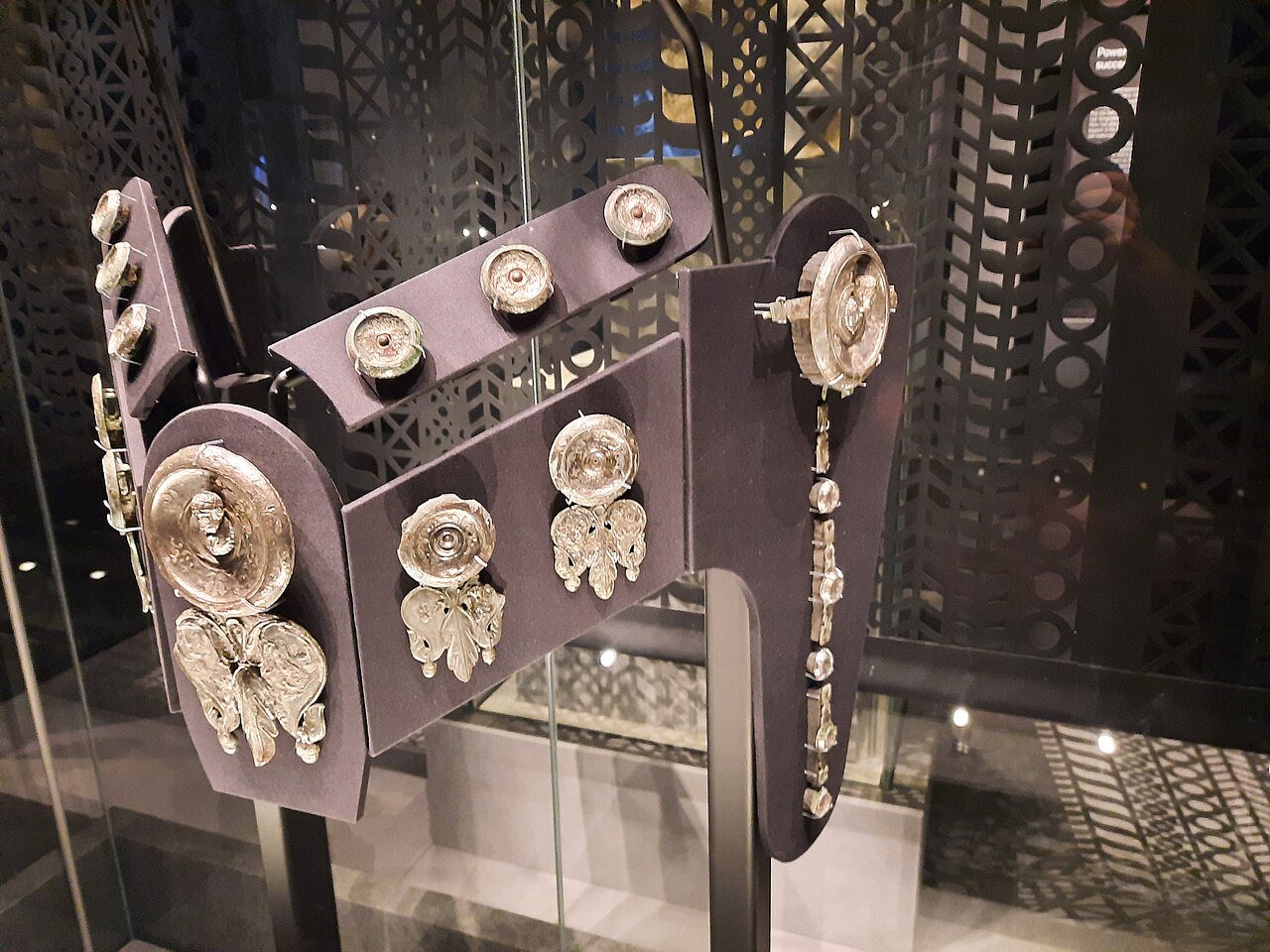
A Roman military horse ornament from a fort in Germany, inscribed with Pliny the Elder's name and his cavalry rank.
A rare surviving object from Pliny the Elder's own lifetime, inscribed with his name and military rank as cavalry prefect.
About this source
What it is
This is a silvered bronze roundel, part of a set of horse trappings, made around AD 50 and found at Xanten, Germany. It was donated to the British Museum by Joseph Mayer. One roundel shows a portrait, possibly of the emperor Nero or Claudius, with Pliny's name inscribed above it. The Latin inscription identifies Pliny as 'prefect of the cavalry.'
Why it matters
This object was found at a Roman military fortress where Pliny the Elder served, linking him directly to his early career as a military officer before he became known as a writer. It is a rare physical trace of Pliny's life from his own lifetime, rather than something written about him later.
Look closer
- What does an inscribed name on military equipment tell you about how Romans marked ownership or rank?
- Why might this object have survived nearly 2000 years while written records from the same time have not?
- What questions does this object leave unanswered about Pliny's actual experience as a cavalry officer?
This artifact is part of the curated material that grounds the AI version of Pliny the Elder on Humy.ai — when students ask about related events, the AI can quote it and cite it.
More Pliny the Elder sources
Browse all 84 →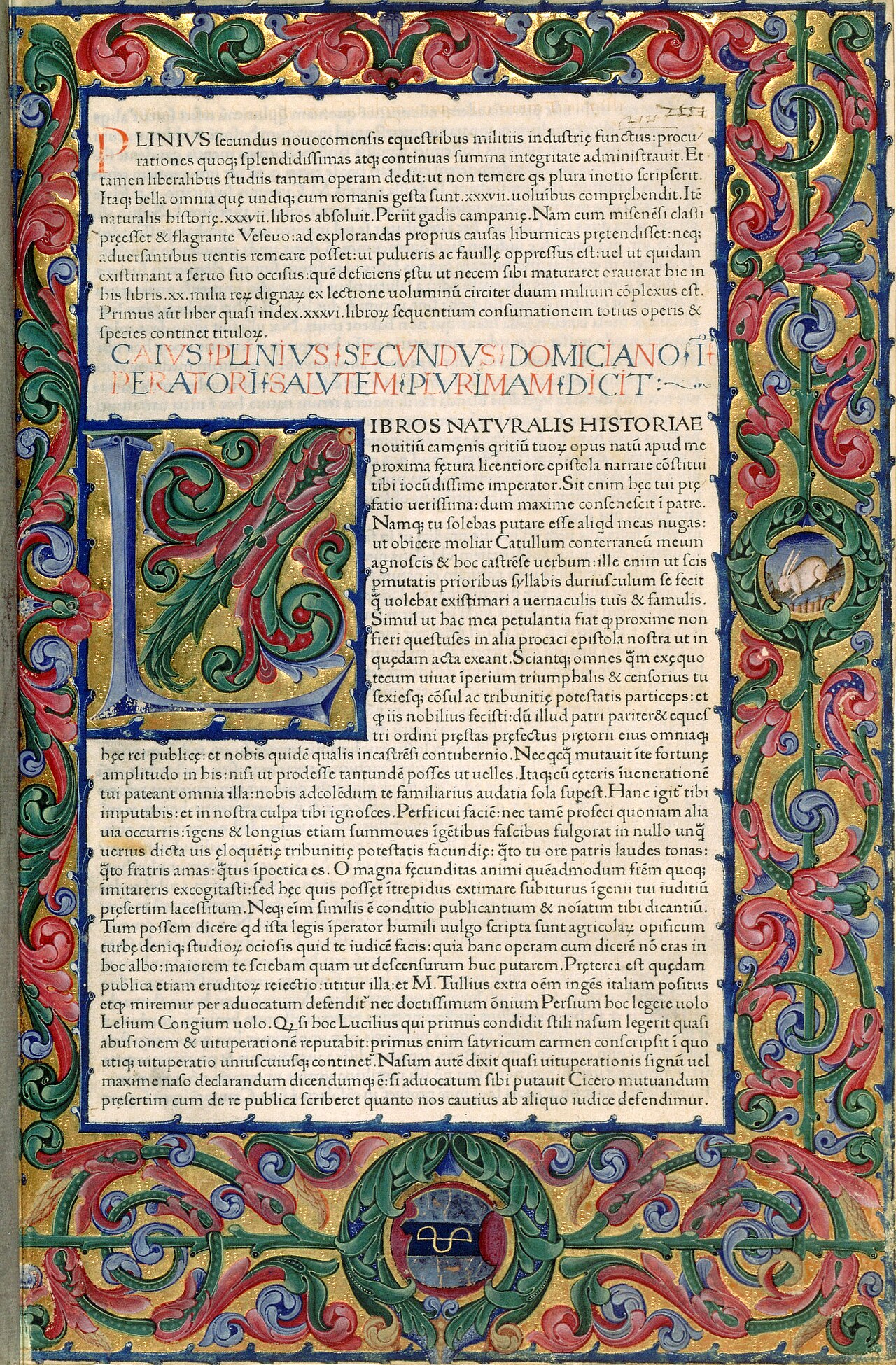 Book
Secondary source
Natural History
Pliny the Elder · 77-79 CE
 Sculpture
Secondary source
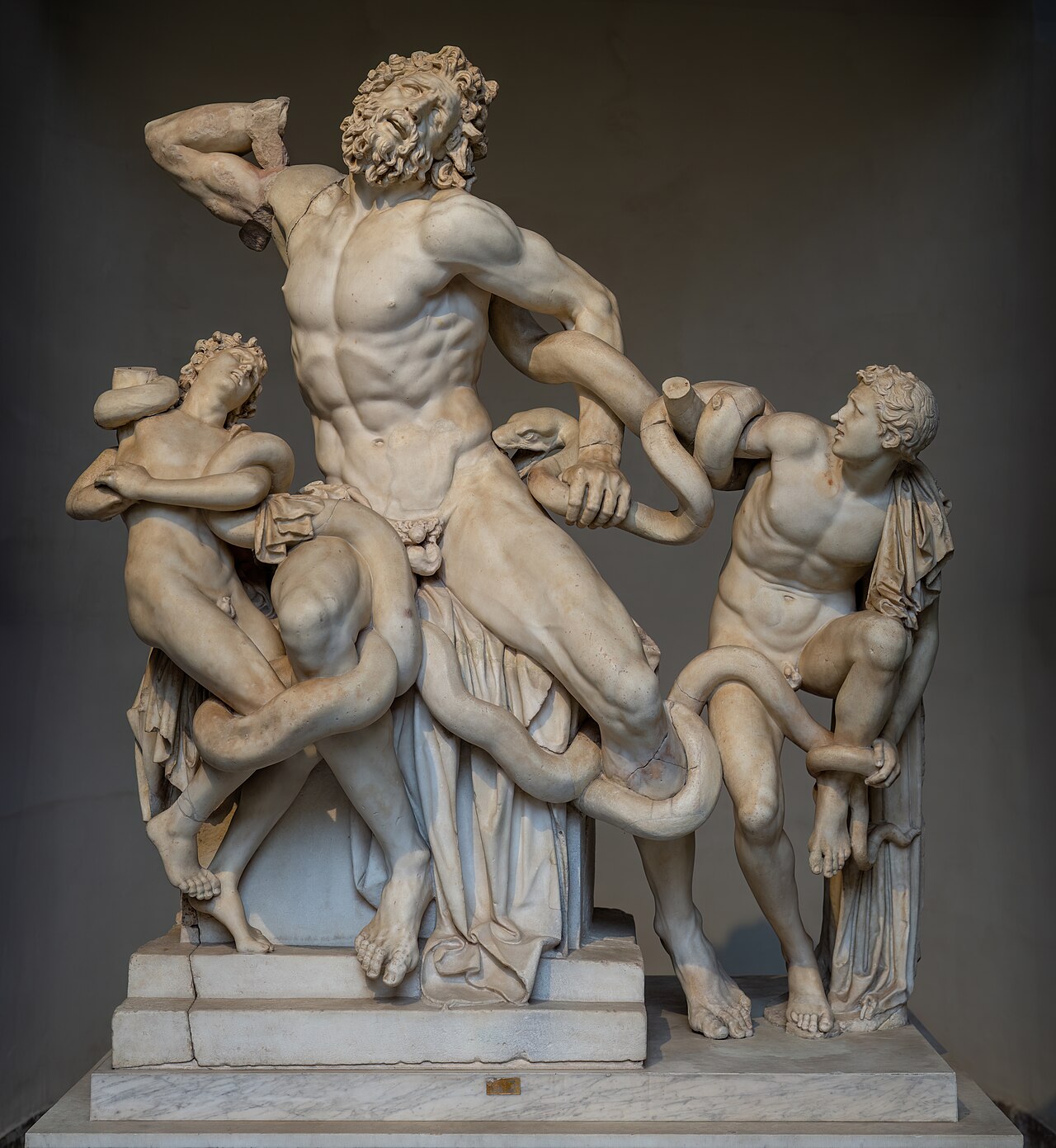
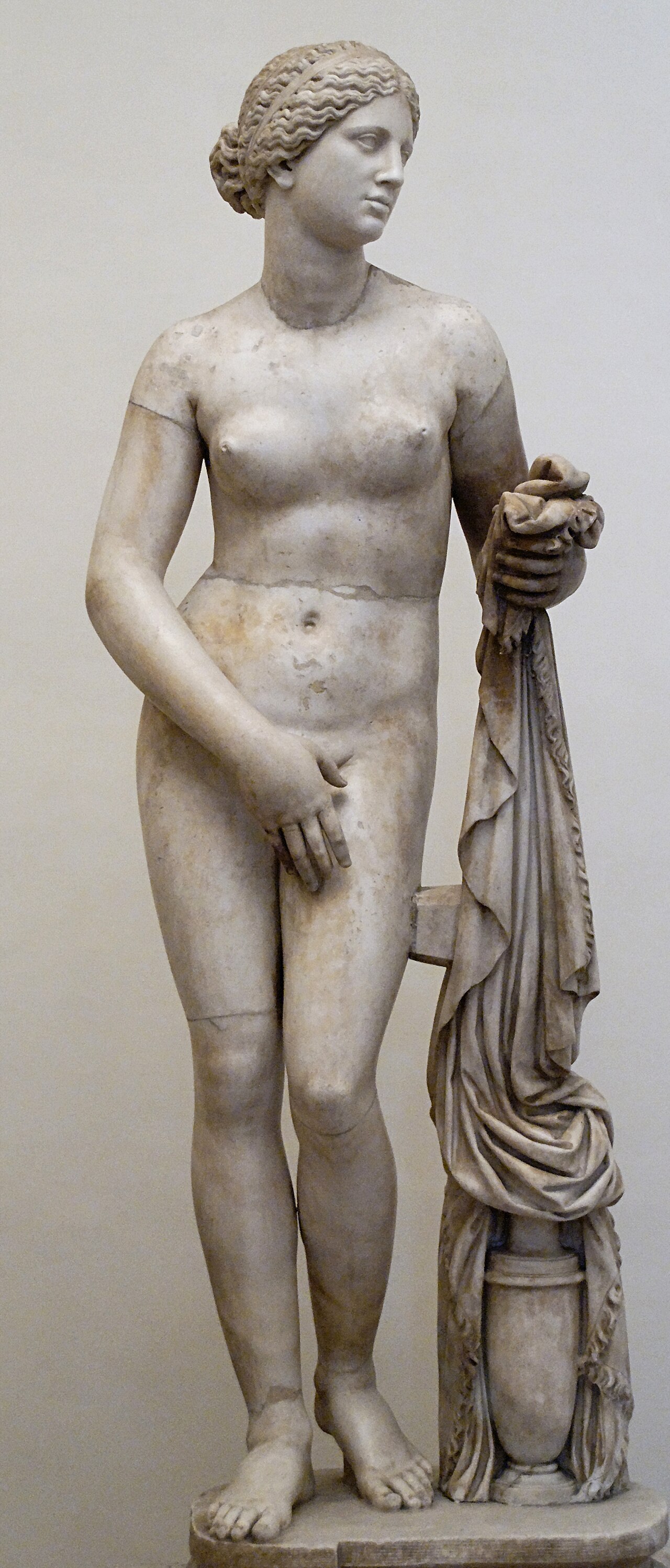
Laocoön and His Sons
Athanadoros · uncertain, Hellenistic to early Imperial period
 Book
Primary source
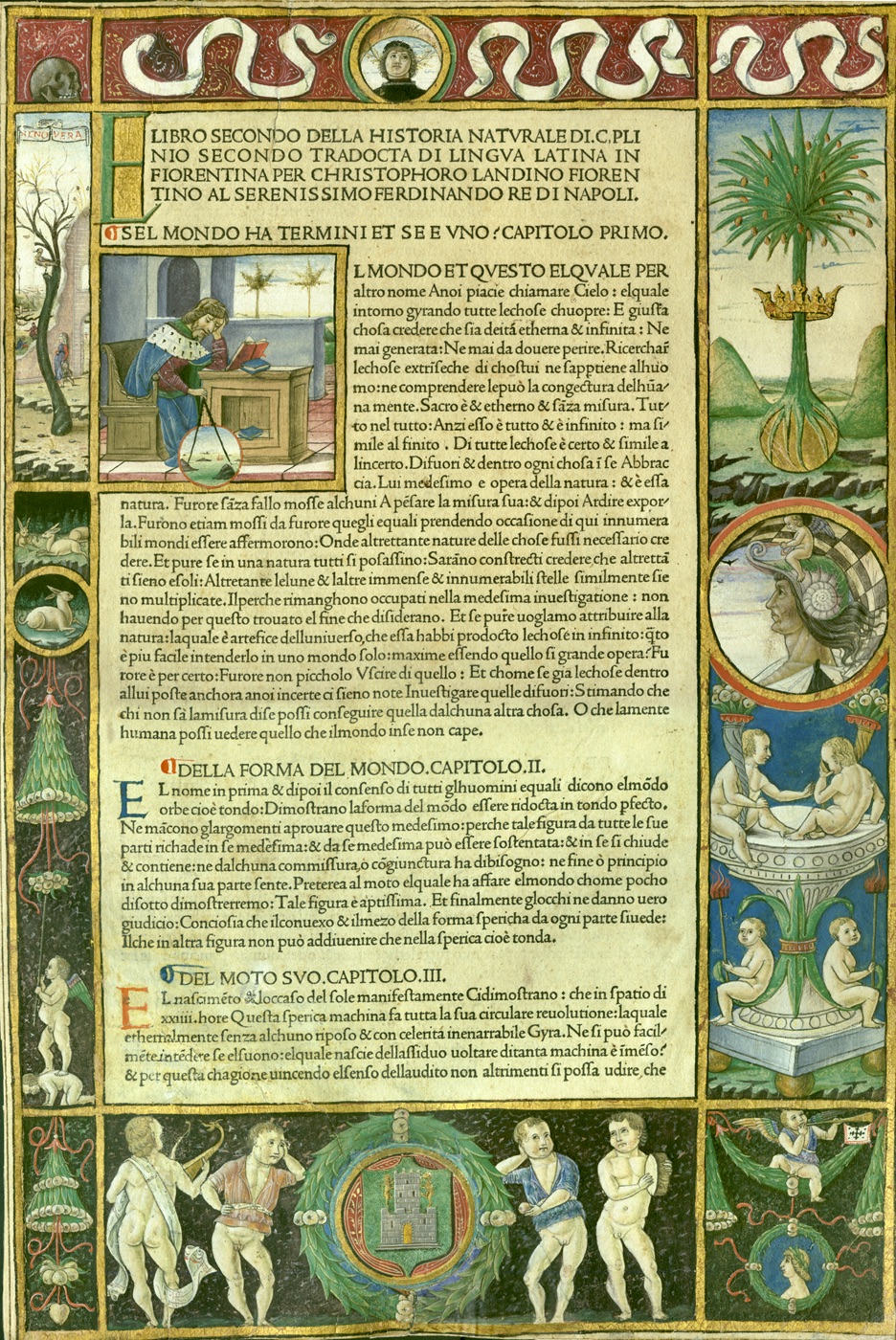
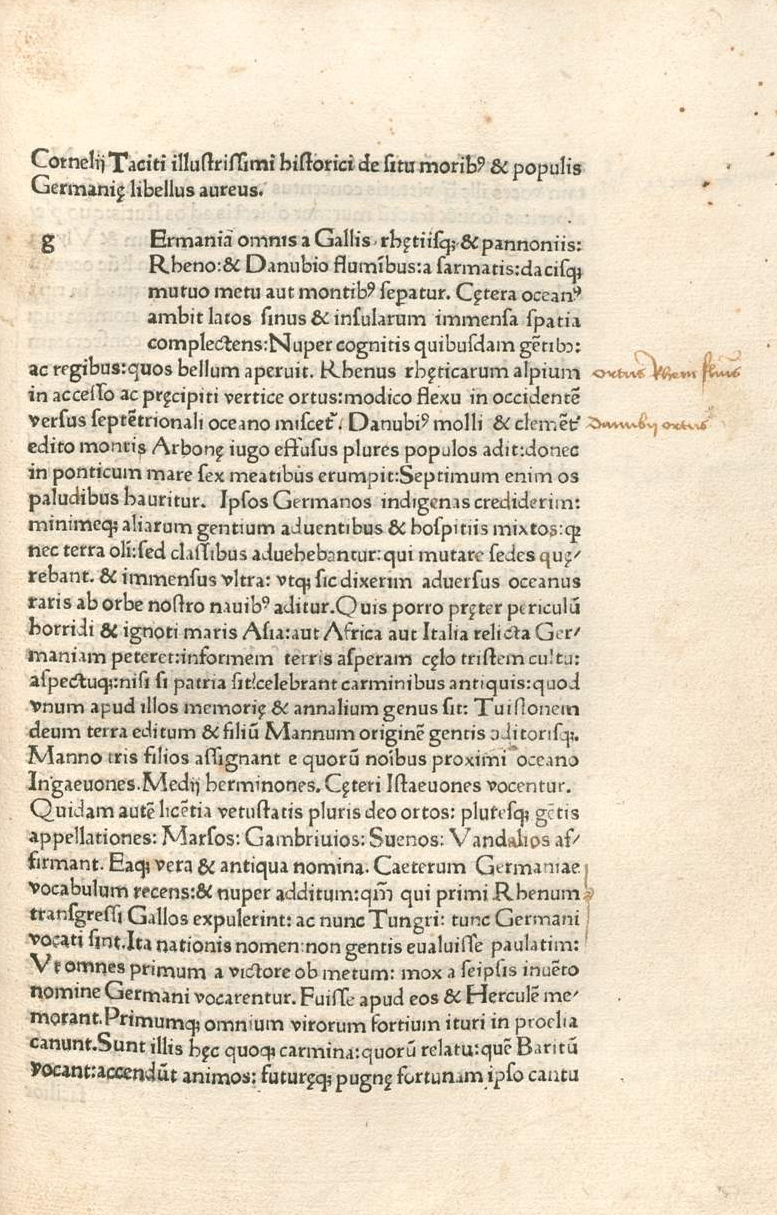
Naturalis historia Illuminated Initial Leaf
Pliny the Elder · c. 1476
 Book
Secondary source
The History of the World, Commonly Called the Naturall Historie of C. Plinius Secundus
Philemon Holland · 1601
Free account
Read every Pliny the Elder source
Sign up free →
Ready when you are
Start chatting with Pliny the Elder now.
20 messages free · No credit card · Available in 50+ languages.